
Diving at Bibb (United States)
The USCG Bibb wreck off Key Largo in the Florida Keys offers a challenging deep-wreck dive that demands advanced skills and careful planning. The wreck lies on its starboard side at a maximum depth of about 40 m / 130 ft, while the upper sections begin around 27–29 m / 90–95 ft. Strong, often variable currents are a regular factor here, making controlled descents, gas planning, and team awareness essential.
Built as a 327 ft / 100 m Treasury-class Coast Guard cutter, Bibb served in World War II, peacetime ocean-station rescue work, and later Vietnam-era service before being sunk as an artificial reef in 1987. Today, it is best suited to experienced divers comfortable with depth, current, controlled descents, and deep wreck planning.
Tonight's objective overview for Bibb shows an air temperature of 27.5°C. The measured surface conditions include wave heights around 0.4 m. This environmental data is logged for the close of the day.
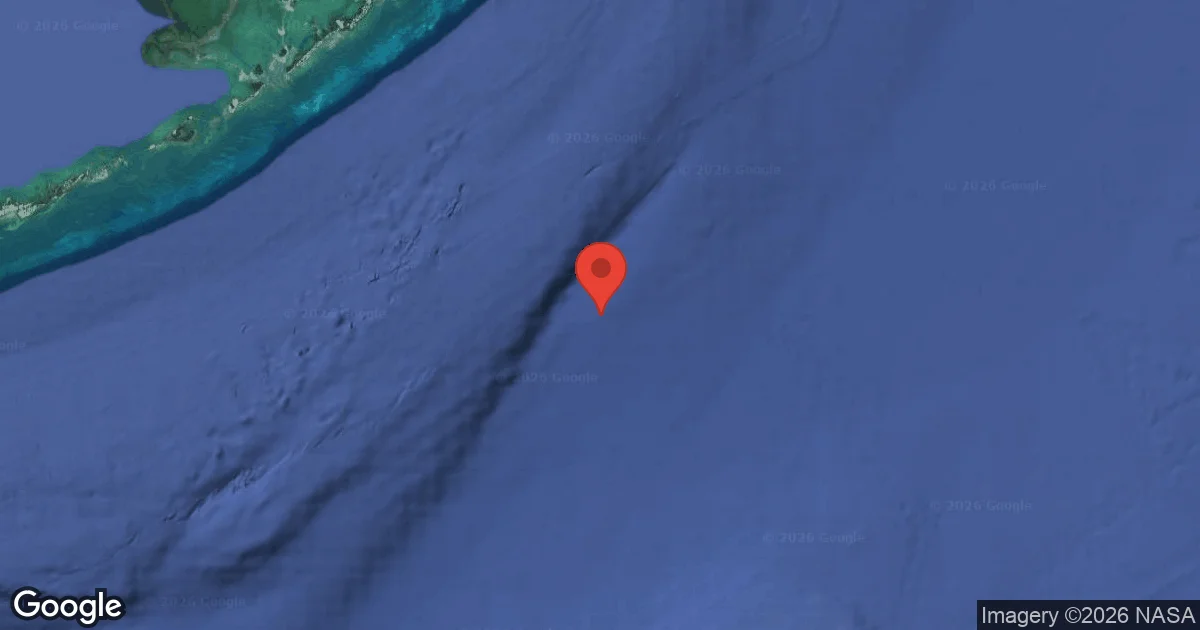
Dive Site Location & Key Facts
Dive Site Overview
A significant place in maritime history belongs to the USCG Bibb, commissioned in 1937, which served for nearly 50 years before beginning its new role as an artificial reef. This 327 ft / 100 m Treasury-class Coast Guard cutter saw extensive action across multiple conflicts and missions, from wartime convoy escort duties to search and rescue operations.
During World War II, Bibb was heavily involved in the Battle of the Atlantic, escorting convoys and helping protect them from German U-boat attacks. The vessel later supported operations in the Pacific Theater, including major military campaigns such as the Battle of Okinawa. Its service record also includes notable rescue work, most famously helping save nearly 70 survivors from the Bermuda Sky Queen airliner.
Bibb’s legacy continued into the Vietnam War, where it was again called into service, further reinforcing its reputation as a versatile and durable Coast Guard cutter. Following decommissioning in 1985, the ship was extensively cleaned and prepared for reefing, with armament, hatches, and the main mast removed to create a safer environment for divers.
On November 28, 1987, Bibb was intentionally sunk off Key Largo, Florida, as an artificial reef. Today, the wreck rests on its starboard side in deep water, giving divers a very different perspective compared to many upright wrecks in the Florida Keys. Her sister ship, the USCGC Duane, was sunk nearby, with the two wrecks resting roughly 100 yards apart near Molasses Reef.
Conditions are Good
Optimal conditions expected
Current conditions near Bibb show 27° air, 31° sea temperature, 0.6 m waves, and 22 km/h wind. Forecast data is refreshed regularly to ensure accuracy.
Best Time to Dive
Minimizing surface chop and current intensity generally leads to optimal conditions for diving the USCG Bibb, often occurring during the warmer months. Historically, May through September offers the most favorable dive conditions, marked by "Good" dive scores in system data. During these months, average air temperatures range from 27-29.5°C / 81-85°F, and wind speeds tend to be lower, contributing to calmer surface conditions. Rainfall varies; May and July often see less rain, averaging around 1.45-2.46 mm, while June, August, and September can experience higher precipitation, averaging 4.11-4.67 mm. Water temperatures recorded at the site typically range between 18-29°C / 64-84°F throughout the year, but tend to be warmer during the peak diving season. October through April generally present "Moderate" dive scores due to higher wave heights and increased wind speeds, which can make entries and exits more challenging and currents more pronounced.
PEAK SEASON SCORE
Scores combine air & water temps, waves, wind & rainfall for overall conditions.
BEST MONTHS TO DIVE
Monthly records compiled from satellite and marine observation nodes over the last 3 years. Data provided by Open-Meteo and MET Norway.
Dive Experience & Conditions
Current dynamics around the Bibb wreck can be a significant factor, with reports commonly describing flow around 1 to 2 knots. These currents can fluctuate and may become extremely challenging, so divers should be comfortable with deep wreck procedures, controlled descents, and strong-current or drift-style conditions. Visibility is often good to excellent, with typical reports around 25 m / 82 ft and occasional exceptional conditions reaching up to 61 m / 200 ft, largely influenced by the clear Gulf Stream water. The wreck’s starboard-side orientation creates an unusual exploration profile. The port gunnel railing is among the highest parts of the structure, rising to about 29 m / 95 ft, while the wreck descends to a maximum depth of around 39–40 m / 130 ft. Water temperatures vary by season, typically ranging from 18–29°C / 64–84°F. Thermal protection should be chosen based on season, bottom time, and personal comfort, especially because this is a deeper wreck where divers may spend much of the dive below the warmest surface layer.
Dive Difficulty & Safety Guidelines
Bibb should be treated as an advanced deep wreck dive. Advanced Open Water is the practical minimum, but divers should also be comfortable with deep profiles, current, negative or controlled descents, no-decompression tracking, and ascent management in open water.
Wreck penetration should only be attempted by divers with proper wreck training, redundant light planning, line-handling skills, and an appropriate gas strategy. The wreck was prepared before sinking, but that does not make internal areas automatically safe.
A conservative plan matters here: confirm current direction before entry, descend as a team, monitor gas closely, and be prepared to abort if the current is stronger than expected. Understanding and respecting the site's challenging environment ensures a safer and more rewarding experience; don't underestimate the potential for challenging conditions. Bibb is not a “casual wreck look-around” dive.
Recommended Equipment
Deep dive hazard. Increased narcosis and gas consumption risk.
Overhead / entanglement risk. Wreck penetration requires proper training.
- Dive Computer
- DSMB
- Primary & Backup Lights
- Wreck Reel
- Cutting Tool
This gear list is based on verified equipment signals for Bibb, United States. Always confirm final gear choices with your dive operator, guide, or liveaboard.
Recommended Dive Suit
Divers planning relaxed exploration may appreciate the warmth of dive skin or rash guard. Divers often notice that perceived temperature can feel cooler during deeper or longer dives.
Conditions at Bibb currently place the water temperature near 31°C (88°F). Surface air temperatures are resting at 27°C (81°F).
Conditions are expected to stay fairly consistent in the days ahead.
Emergency & Medical Support
Essential information to help you plan your dive trip to Bibb.

Hyperbaric chambers are a critical part of dive safety infrastructure. Availability varies significantly by region, and not all dive areas have immediate access.
Before diving, it's recommended to:
- confirm nearest medical facilities
- check emergency procedures with local dive operators
- ensure dive insurance covers evacuation if required
Divers Alert Network
Diving emergency assistance available through DAN World.
+1-919-684-9111- 24/7 emergency hotline
- Diving medical assistance
- Evacuation coordination
Emergency contacts are provided for reference. Always verify local emergency services before diving.
Marine Life at Bibb
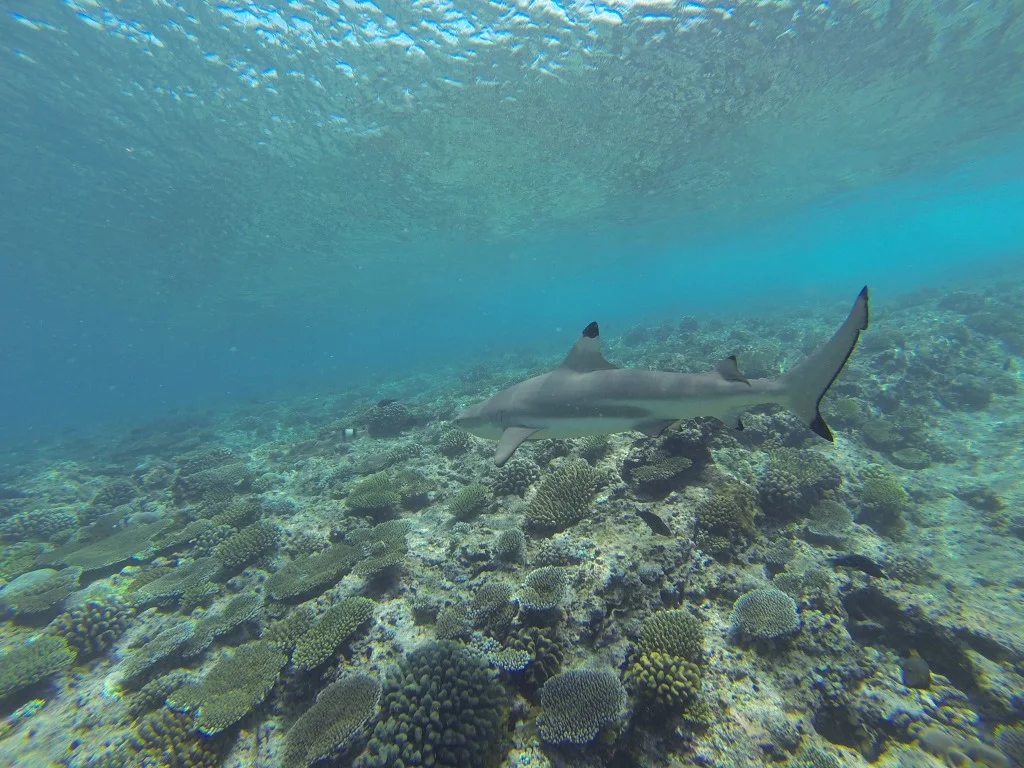
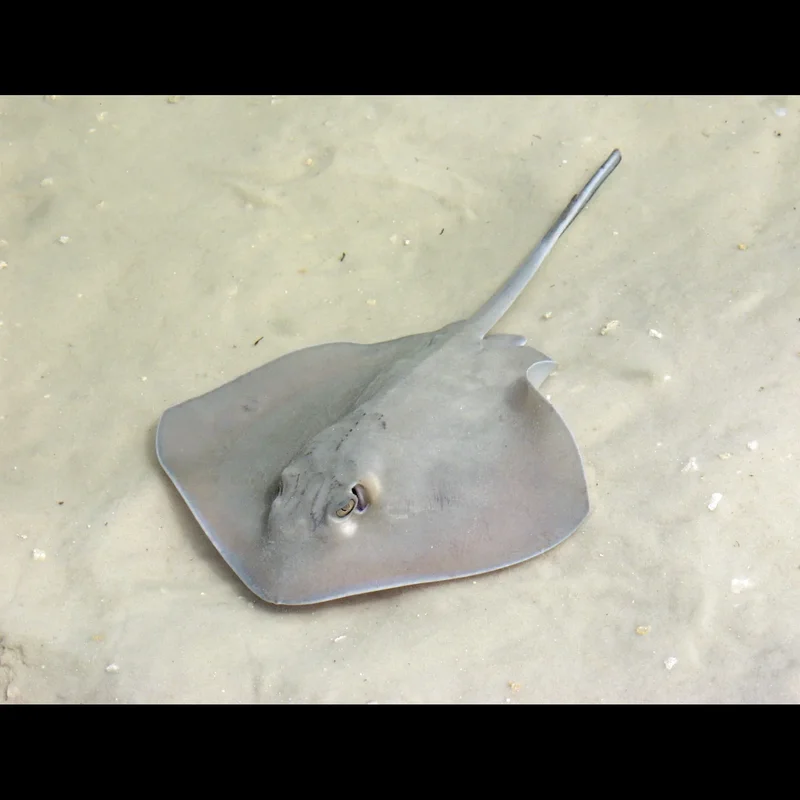
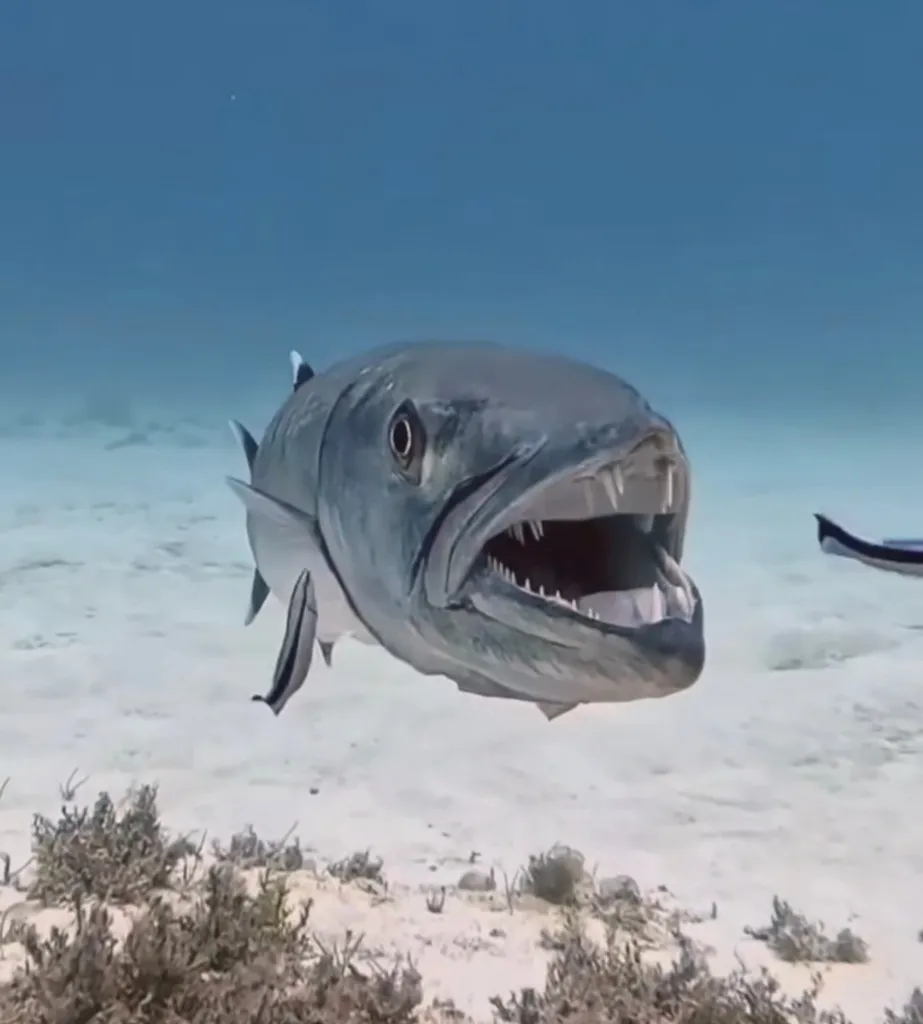
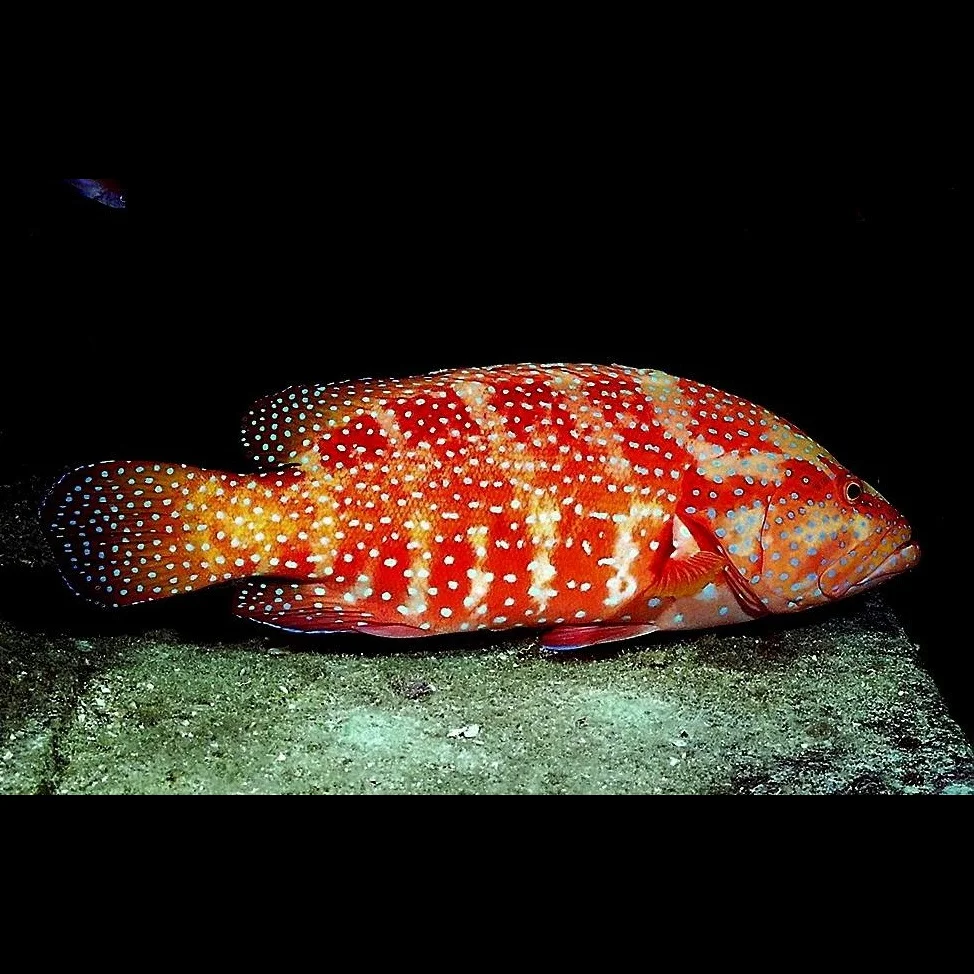
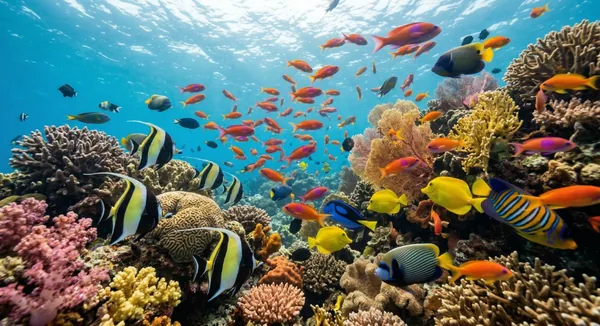
Marine life at Bibb is secondary to the wreck itself, but the structure still provides shelter and hunting space for Florida Keys species. Divers may encounter groupers, barracudas, schooling fish, sharks, and occasional rays or stingrays around the wreck and nearby sand.
Sightings vary by current, visibility, season, and how much time divers can safely spend on the structure. The main attraction remains the deep wreck profile, the ship’s starboard-side orientation, and the artificial reef habitat that has developed around the cutter.
Dive Sites Near Bibb
View all dive sites in United StatesDiscover more underwater gems in this area.
Dive Centers Near Bibb
Today: 07:30 - 18:30
Nearest Airports
Nearest airports to help plan travel to this dive area.
Search Flights
Check available flights and routes on Expedia, using the nearby airports listed in this section.
Search Flights on ExpediaFrequently Asked Questions
What is the maximum depth of the USCG Bibb wreck?
The USCG Bibb rests at a maximum depth of approximately 40 meters (130 feet). The shallowest part of the wreck, at the port gunnel railing, is around 29 meters.
What certification level is required to dive the Bibb?
This is considered an Advanced Open Water dive site due to its depth and the potential for strong currents. Divers should possess the skills and experience for challenging deep wreck environments.
Are strong currents common at the Bibb wreck?
Yes. Strong currents are common at the USCG Bibb, typically ranging from 1 to 2 knots, and occasional reports describe even stronger or extreme current conditions. These currents can make descent, wreck positioning, and ascent management difficult, so the dive should be attempted only by experienced divers with strong-current confidence, careful gas planning, and a clear abort plan if conditions are too aggressive.
What is the visibility usually like at the dive site?
Visibility at the USCG Bibb is frequently reported as good to excellent, often extending beyond 25 meters. This allows for clear views of the extensive wreck structure during dives.
What makes the USCG Bibb wreck unique?
Bibb rests on her starboard side rather than upright, which changes how divers experience the decks, railings, and structure. She also sits close to her sister ship, the USCGC Duane, making the two wrecks part of the same offshore Key Largo artificial reef story.
What kind of marine life might I see on the Bibb?
Divers have reported seeing various fish species, including groupers, which often utilize the wreck for shelter. Rays and stingrays are also occasionally observed around the site, though sightings can vary.
What is the history of the USCG Bibb?
The USCG Bibb was a Treasury-class Coast Guard cutter commissioned in 1937. She served during World War II, supported peacetime ocean-station and rescue work, and was later decommissioned in 1985 before being sunk as an artificial reef off Key Largo on November 28, 1987.
Planning to dive Bibb?
Send one inquiry and receive offers directly from the best verified local dive operators.
Conditions are Good
Optimal conditions expected
Current conditions near Bibb show 27° air, 31° sea temperature, 0.6 m waves, and 22 km/h wind. Forecast data is refreshed regularly to ensure accuracy.