
Diving at Big Blue (United States)
Beyond its evocative name, Big Blue in the United States presents a distinct and varied underwater experience. This site expertly combines elements of beach, muck, and quarry diving, offering an unusual blend of environments for divers. It's a dynamic location, distinguishing itself through diverse topographies and the comprehensive training opportunities provided by its PADI 5 Star IDC center.
At Big Blue, the ambient air temperature is currently recorded at 18.5°C. This dive site in United States is operating under normal seasonal weather patterns. Familiarize yourself with the local topography prior to navigating.
Dive Site Location & Key Facts
Dive Site Overview
Divers exploring Big Blue encounter a multifaceted underwater environment, distinctly categorized by beach, muck, and quarry diving. Each zone provides distinct training and recreational opportunities, appealing to a broad range of certified divers seeking varied experiences.
Quarry dives, for instance, typically involve depths that can extend up to 30 m / 100 ft, often providing clear, calm conditions ideal for skill practice and technical training. These enclosed settings can feature submerged structures or training platforms. Muck diving areas, conversely, focus on discovering macro life and specific critters along the substrate, where visibility can vary significantly with diver movement and can hover around 3-8 m / 10-25 ft depending on the day.
This environment demands precise buoyancy control and a keen eye. Beach entries typically provide easier access to shallower, often sandy or silty areas that transition into muckier bottoms, serving as excellent spots for introductory dives or surface interval activities.
This varied topography supports both fundamental skill development and advanced specialty courses, a key offering from the affiliated PADI 5 Star IDC center. Consistently reported water temperature data is limited for the entire site, suggesting that localized conditions within each distinct area—be it a quarry or an open beach—can vary significantly and are subject to seasonal changes.
Conditions are Moderate
Optimal conditions expected
Current conditions near Big Blue show 19° air, --° sea temperature, N/A waves, and 27 km/h wind. Forecast data is refreshed regularly to ensure accuracy.
Best Time to Dive
Planning a dive at Big Blue involves considering a distinct seasonal rhythm, as air temperatures and weather patterns fluctuate significantly throughout the year. The prime diving months, scoring "Good" (8) in July, August, and September, offer air temperatures averaging 19.5°C / 67°F to 22.5°C / 72°F, combined with lower average wind speeds (17.8-19.1 km/h / 11-12 mph) and minimal rain. This period provides comfortable conditions both in and out of the water. Conversely, the winter months, from December through February, see air temperatures plummeting to -8°C / 46°F to -2.5°C / 36°F, accompanied by increased wind (up to 22.6 km/h / 14 mph) and higher rainfall in March and April (up to 4.7 mm). Diving during these colder months would necessitate robust dry suit protection and careful planning. While specific water temperatures are not consistently reported, divers should anticipate a considerable drop in water temperature mirroring the air temperature trends, especially in quarry environments.
PEAK SEASON SCORE
Scores combine air & water temps, waves, wind & rainfall for overall conditions.
BEST MONTHS TO DIVE
Monthly records compiled from satellite and marine observation nodes over the last 3 years. Data provided by Open-Meteo and MET Norway.
Dive Experience & Conditions
Shifting sensations await divers across Big Blue's varied underwater topography. In the contained environment of a quarry, divers often experience a sense of calm and enhanced visibility, providing excellent conditions for focused training or photography. Strong currents are generally absent, allowing for relaxed exploration. Muck diving, however, presents a different challenge; it requires keen observation and precise buoyancy to navigate silty bottoms without disturbing the substrate and reducing visibility. You'll move slowly, scanning for hidden life. For beach dives, the ease of entry and exit is notable, though conditions near shore can be influenced by local weather patterns like wind, which averages between 17.8 km/h / 11 mph and 27.8 km/h / 17 mph throughout the year. Wave height data is not consistently reported, indicating conditions can vary; however, beach areas generally offer a gentler introduction to the underwater world. Given the wide range of air temperatures from -8°C / 46°F in winter to 22.5°C / 72°F in summer, water temperatures will also vary significantly, influencing the gear required and the overall thermal comfort experienced during a dive.
Dive Difficulty & Safety Guidelines
Prioritizing diver safety is fundamental at Big Blue, especially given its diverse environments encompassing beach, muck, and quarry sites. With no specific hazards reported, adherence to general safe diving practices is paramount. Big Blue's PADI 5 Star IDC center actively promotes Standard Safe Diving Practices, environmental awareness, and affiliation with the Divers Alert Network (DAN).
Divers must always maintain excellent buoyancy control, particularly in muck areas, to prevent stirring up sediment and compromising visibility for themselves and others. It's crucial to be aware of your surroundings, especially in quarry settings which might feature man-made structures or varying depths.
Proper equipment maintenance and buddy system protocols are always emphasized. Staying updated on local weather and conditions is also important, as wind speeds can reach up to 27.8 km/h / 17 mph, potentially affecting surface conditions for beach entries or boat operations.
Recommended Equipment
Deep dive hazard. Increased narcosis and gas consumption risk.
- Dive Computer
- DSMB
- Primary & Backup Lights
- Hard-soled Dive Boots
- Pointer / Muck Stick
This gear list is based on verified equipment signals for Big Blue, United States. Always confirm final gear choices with your dive operator, guide, or liveaboard.
Recommended Dive Suit
Because recent water temperature readings are not available for Big Blue, the guidance below is based mainly on current air conditions and seasonal expectations. Current surface air temperatures are roughly 19°C (65°F).
Based on regional estimates and current weather, the likely required exposure protection is a 5mm or thicker wetsuit. Note that local currents and upwellings can alter this. Surface intervals may feel cooler.
Weather patterns are currently shifting, so expect some variability in conditions. Cooler days are ahead; you might want a warmer option for later in the week. Some divers prefer carrying a slightly thicker suit as a backup.
Due to technical issues with our weather providers, live updates are temporarily delayed. The data above reflects the conditions at the time of the last successful fetch.
Emergency & Medical Support
Essential information to help you plan your dive trip to Big Blue.

Hyperbaric chambers are a critical part of dive safety infrastructure. Availability varies significantly by region, and not all dive areas have immediate access.
Before diving, it's recommended to:
- confirm nearest medical facilities
- check emergency procedures with local dive operators
- ensure dive insurance covers evacuation if required
Divers Alert Network
Diving emergency assistance available through DAN World.
+1-919-684-9111- 24/7 emergency hotline
- Diving medical assistance
- Evacuation coordination
Emergency contacts are provided for reference. Always verify local emergency services before diving.
Marine Life at Big Blue
Varied underwater landscapes at Big Blue—spanning beach, muck, and quarry sites—foster a range of marine life adapted to these diverse habitats. While comprehensive lists are not available, observations have indicated the presence of Tuna.
In muck areas, divers can anticipate finding smaller, cryptic species such as gobies, blennies, and various invertebrates camouflaged against the substrate, requiring patience and a keen eye to spot. Quarry environments, often stocked or naturally colonizing, might host freshwater species or introduced marine life, depending on the site's specific characteristics.
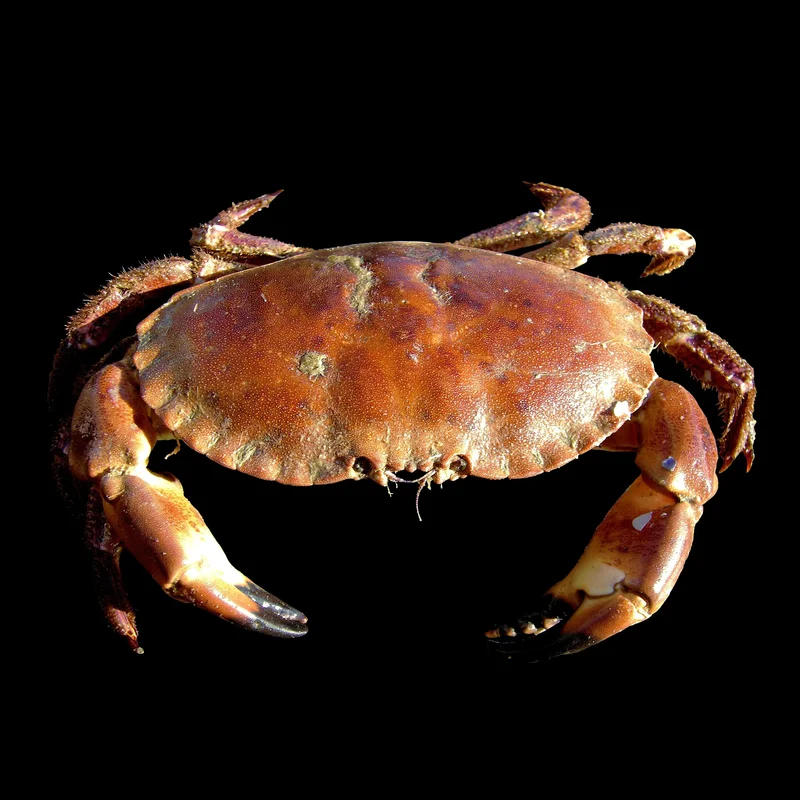
Beach areas, especially where they transition to muck, can serve as nurseries for juvenile fish and provide habitat for crabs and other crustaceans.

Dive Centers Near Big Blue
No Dive Centers Local To Big Blue
Are you a dive center visiting this location? Get listed to reach divers.
Nearest Airports
Nearest airports to help plan travel to this dive area.
Search Flights
Check available flights and routes on Expedia, using the nearby airports listed in this section.
Search Flights on Expedia
Plan Your Stay
Looking for a place to stay for your dive trip? Explore hotels, stays, and vacation rentals for dive groups near Mason City.
Dive Navigator may earn a commission from these links at no extra cost to you.
Frequently Asked Questions
What types of diving can I do at Big Blue?
Big Blue features a distinct combination of beach, muck, and quarry diving. This diversity caters to various skill levels and interests, from training in calm quarry waters to exploring specialized macro life found in muck environments.
What are the typical water conditions like?
Specific water temperature and wave height data are not consistently reported for Big Blue. Conditions vary significantly by season and specific dive site type (quarry vs. beach), so divers should prepare for colder water, especially outside of summer months.
Is Big Blue suitable for beginner divers?
Yes, the site is suitable for beginners, especially with its PADI 5 Star IDC center offering training. Quarry and beach entry areas often provide calmer, more controlled environments ideal for learning and skill development.
What marine life might I encounter?
While diverse, the most consistently reported marine life includes Tuna. Muck diving areas are excellent for spotting various macro creatures and invertebrates, while quarry sites might have freshwater fish or introduced species.
What gear should I consider bringing?
Consider dry suits or thick wetsuits for colder periods, along with standard recreational diving equipment suitable for different environments like muck or quarry diving.
Are there any specific safety guidelines for diving here?
Big Blue emphasizes standard safe diving practices, environmental awareness, and DAN affiliation. Divers should practice excellent buoyancy control, especially in muck, and be mindful of varying depths and potential structures in quarry sites.
How does Big Blue support environmental conservation?
The PADI 5 Star IDC at Big Blue actively promotes environmental awareness and standard safe diving practices. While specific local conservation projects are not detailed, adherence to these principles helps protect the varied underwater ecosystems.
Planning to dive Big Blue?
Send one inquiry and receive offers directly from the best verified local dive operators.
Conditions are Moderate
Optimal conditions expected
Current conditions near Big Blue show 19° air, --° sea temperature, N/A waves, and 27 km/h wind. Forecast data is refreshed regularly to ensure accuracy.