
Diving at BJ Putnam Reef (United States)
Approaching BJ Putnam Reef offers divers a direct encounter with a purpose-sunk artificial reef. This site, a former oilfield supply boat, settled to a maximum depth of 32.3 m (106 ft) when deployed in November 1993. It provides a notable vertical profile, attracting diverse marine life to its structure against a sandy bottom.
Current morning readings from BJ Putnam Reef indicate an air temperature of 29°C. Surface wave heights are averaging around 0.4 m at this time. These local measurements provide a baseline for your daily dive planning.
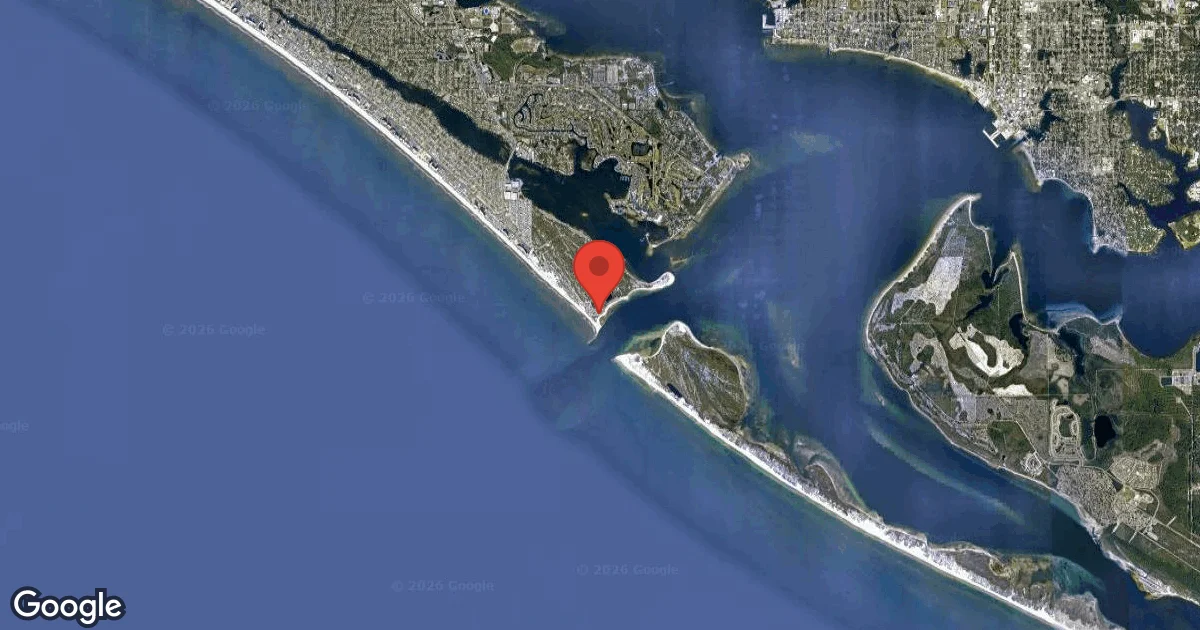
Dive Site Location & Key Facts
Dive Site Overview
BJ Putnam Reef stands as a testament to effective artificial reef deployment, transforming a retired 180-foot oilfield supply boat into a thriving underwater habitat. Sunk eleven miles offshore on November 29, 1993, this vessel, originally a fish processor, now rests upright on a sandy bottom at a maximum depth of 32.3 m (106 ft).
Its stern settled slowly into the sand, creating an impressive vertical profile that reaches towards the surface. Over the years, this artificial reef has cultivated an ecosystem, initially attracting smaller baitfish, then larger predators.
Encrusting organisms have steadily colonized its surfaces, further cementing its role as a living marine habitat. While storms have left their mark, altering parts of the superstructure and shifting the aft-deck fish house, the BJ Putnam continues to serve as a significant attraction for both divers and fishermen, honoring local leader Captain BJ Putnam.
Conditions are Excellent
07:00 - 14:00
Optimal conditions expected
Current conditions near BJ Putnam Reef show 29° air, 30° sea temperature, 0.4 m waves, and 18 km/h wind. Forecast data is refreshed regularly to ensure accuracy.
Best Time to Dive
Planning a dive to BJ Putnam Reef often yields the best conditions during the late spring through early fall months. May, July, August, September, and October consistently register good dive scores in the local climate data. During these periods, divers can typically expect warmer air temperatures, ranging from approximately 23.5°C (74°F) in October to 29°C (84°F) in August. Wave heights are generally lower, often below 1 meter (3.3 ft), contributing to calmer surface conditions. Wind speeds also tend to be less pronounced, creating a more comfortable overall experience. Rainfall varies; September sees higher averages around 7.6 mm, while October often has clearer skies with only about 1.6 mm of rain. Other months typically offer moderate dive conditions, with cooler air temperatures and potentially higher wave action.
PEAK SEASON SCORE
Scores combine air & water temps, waves, wind & rainfall for overall conditions.
BEST MONTHS TO DIVE
Monthly records compiled from satellite and marine observation nodes over the last 3 years. Data provided by Open-Meteo and MET Norway.
Dive Experience & Conditions
Descending upon the BJ Putnam Reef, divers are greeted by the upright structure of the former vessel, resting at its maximum recreational depth. The highest points of the wreck can reach shallower depths, approximately 21.3 m (70 ft), offering significant vertical exploration. Visibility at artificial reefs in this region is not consistently reported for every site, but nearby wrecks on a similar sandy bottom often experience ranges between 6-7.6 m (20-25 ft). This can vary based on local currents and recent weather. A dive light becomes essential to illuminate interior sections and the darker recesses of the wreck, even with ambient light. Storms have partially reshaped the wreck, leading to sections of the superstructure breaking away and the aft-deck fish house shifting to the bottom. Divers should anticipate a silty bottom around the structure, which can easily be stirred up.
Dive Difficulty & Safety Guidelines
Approaching the BJ Putnam Reef, which extends to recreational depth limits, is generally recommended for advanced certified divers given its depth and the demands of wreck diving. Proficient buoyancy control is critical to prevent disturbing the silty bottom and to safely navigate the structure without entanglement. While specific hazards are not consistently reported, the wreck has undergone natural deterioration and changes from storms, meaning divers should approach with caution when exploring potential overhead environments or structurally compromised areas.
Carrying a dive light is highly advisable for better visibility inside and around the wreck. Always dive within your training limits and consider the variable conditions, including potential currents, which are not consistently reported but can influence the dive experience.
Recommended Equipment
- Dive Computer
This gear list is based on verified equipment signals for BJ Putnam Reef, United States. Always confirm final gear choices with your dive operator, guide, or liveaboard.
Recommended Dive Suit
For relaxed exploration dives, dive skin or rash guard generally provides adequate warmth. Those diving at BJ Putnam Reef today will likely encounter water temperatures in the region of 30°C (86°F). Surface air temperatures are resting at 29°C (85°F).
Surface temperatures may decrease slightly later in the week. Cooler days are ahead; you might want a warmer option for later in the week. Some divers bring an extra layer for surface intervals between dives.
A diver's personal tolerance to cold water can play a large role in suit selection.
Emergency & Medical Support
Essential information to help you plan your dive trip to BJ Putnam Reef.

Hyperbaric chambers are a critical part of dive safety infrastructure. Availability varies significantly by region, and not all dive areas have immediate access.
Before diving, it's recommended to:
- confirm nearest medical facilities
- check emergency procedures with local dive operators
- ensure dive insurance covers evacuation if required
Divers Alert Network
Diving emergency assistance available through DAN World.
+1-919-684-9111- 24/7 emergency hotline
- Diving medical assistance
- Evacuation coordination
Emergency contacts are provided for reference. Always verify local emergency services before diving.
Marine Life at BJ Putnam Reef
The underwater landscape of BJ Putnam Reef has successfully transitioned from an inert vessel to a vibrant marine habitat. It acts as a significant fish attraction, drawing a variety of species to its structure, which rises from the surrounding sandy bottom.
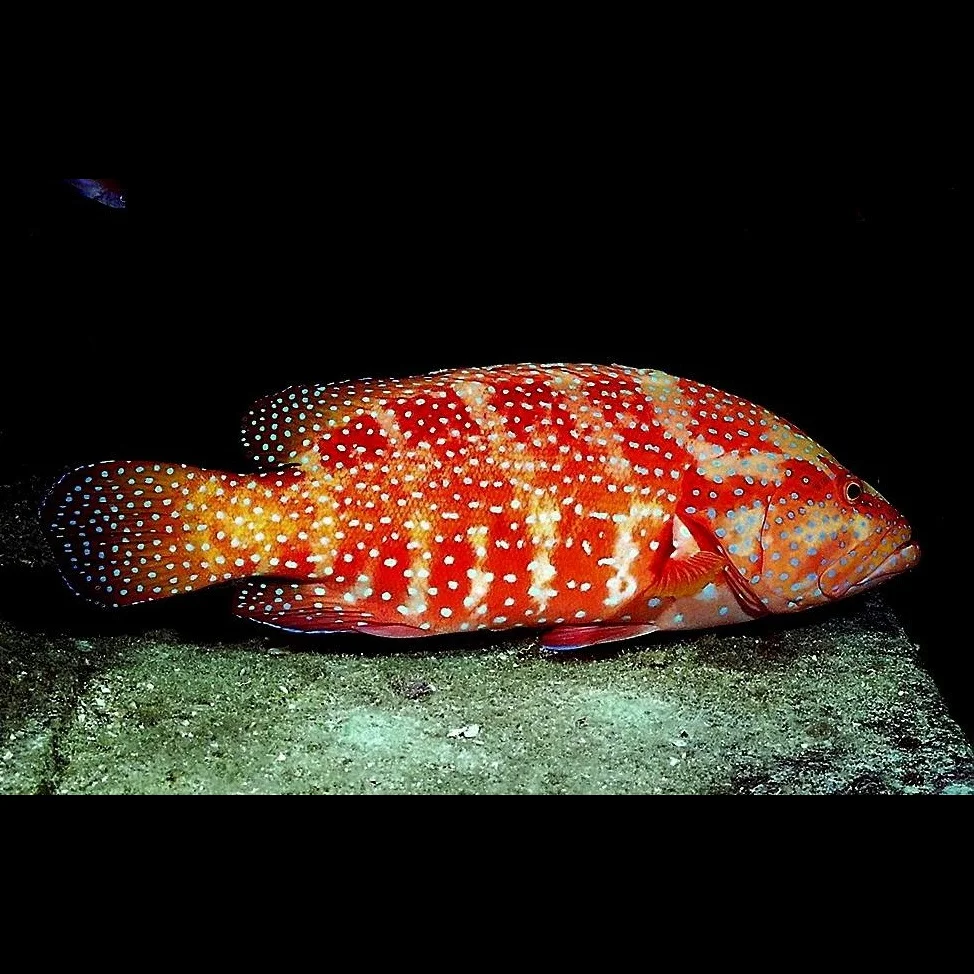
Observations from similar local artificial reefs indicate a common presence of baitfish, which in turn attract larger predatory fish. Divers often encounter various species around the wreck, including groupers, flounders, and catfish.
Turtles have also been spotted in the vicinity. Encrusting organisms have taken hold on the wreck's surfaces, adding to the biodiversity and providing food sources for smaller creatures, contributing to a bustling ecosystem.

Dive Sites Near BJ Putnam Reef
View all dive sites in United StatesDiscover more underwater gems in this area.
Dive Centers Near BJ Putnam Reef
Today: 09:00 - 16:00
Nearest Airports
Nearest airports to help plan travel to this dive area.
Search Flights
Check available flights and routes on Expedia, using the nearby airports listed in this section.
Search Flights on ExpediaFrequently Asked Questions
What is the BJ Putnam Reef?
The BJ Putnam Reef is a former 180-foot oilfield supply boat that was purposefully sunk to create an artificial reef. It was deployed in November 1993, eleven miles offshore, and now serves as a significant marine habitat.
How deep is the BJ Putnam wreck?
The wreck rests on a sandy bottom, reaching maximum recreational depths. Shallower sections offer a significant vertical profile, allowing for diverse exploration.
When was the BJ Putnam sunk?
The BJ Putnam was deployed as an artificial reef on November 29, 1993. It was named in honor of a local charter captain and community leader.
What kind of marine life can be seen at BJ Putnam Reef?
As an established artificial reef, the BJ Putnam attracts a variety of marine life. Divers can expect to see numerous fish species, including groupers, flounders, and baitfish. Turtles have also been observed here.
What are the typical dive conditions at the site?
Conditions can vary, but visibility on similar nearby wrecks often ranges between 6 to 7.6 meters (20 to 25 feet). The wreck sits upright on a silty bottom, and currents can be present. Water temperatures are not consistently reported but typically align with regional averages.
Is the wreck intact?
The wreck generally sits upright, but it has been subject to natural deterioration and the impact of storms over the years. Parts of the superstructure have broken away, and the aft-deck fish house has shifted to the bottom, adding to its character.
Planning to dive BJ Putnam Reef?
Send one inquiry and receive offers directly from the best verified local dive operators.
Conditions are Excellent
07:00 - 14:00
Optimal conditions expected
Current conditions near BJ Putnam Reef show 29° air, 30° sea temperature, 0.4 m waves, and 18 km/h wind. Forecast data is refreshed regularly to ensure accuracy.