
Diving at Blue Hole (United States)
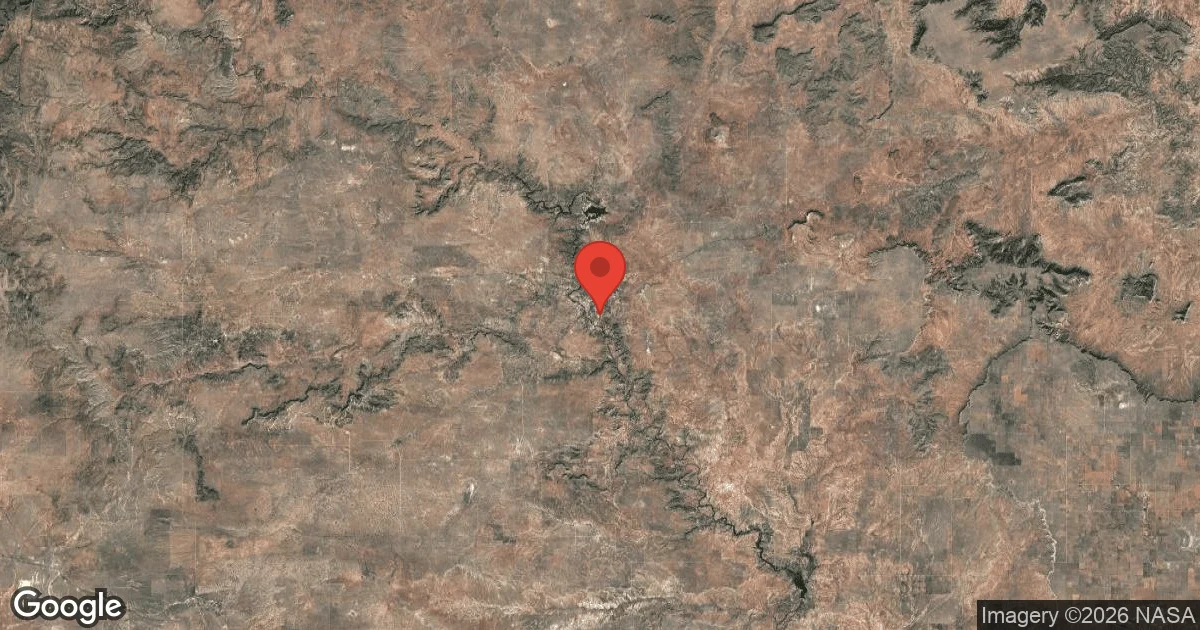
This distinctive bell-shaped sinkhole along Route 66 in Santa Rosa, New Mexico, descends to depths greater than 24 m (80 ft). While its surface diameter measures 24 m (80 ft), the underwater landscape gradually widens to 40 m (130 ft) at the bottom. The Blue Hole, a geological marvel, functions as an artesian well and cenote, a constant flow refreshing its waters every six hours. It is one of seven such spring-fed sinkhole lakes in the area.
The latest environmental reading at Blue Hole indicates an air temperature of 22°C. The regional climate in United States is aligning with expected historical averages. Prepare your gear according to these specific local conditions.
Dive Site Location & Key Facts
Dive Site Overview
The Blue Hole offers divers a consistently clear and controlled environment, making it a pivotal inland training ground in the United States. Its spring-fed waters maintain a cool 17°C (62°F) throughout the year, fed by a continuous inflow of 11 m³/min (3,000 US gallons per minute).
This constant refreshment ensures exceptional clarity, which is crucial for the range of certifications conducted here, including open water, advanced, rescue, and divemaster training. Geologically formed over millions of years, the site began as a natural basin and later served as a fish hatchery before transforming into this popular dive destination. Divers exploring the site will find a unique bell-shaped structure, initially measuring 24 m (80 ft) across at the surface.
As one descends, the sinkhole gradually widens to 40 m (130 ft) at its base, reaching depths greater than 24 m (80 ft). This configuration provides a distinctive wall-diving experience suitable for various skill levels.
Several underwater training platforms are strategically placed to facilitate structured learning, complementing the surface training dock available at nearby Perch Lake. Facility improvements are ongoing, aiming to enhance the overall safety and utility of this essential training site.
Conditions are Good
07:00 - 14:00
Optimal conditions expected
Current conditions near Blue Hole show 22° air, --° sea temperature, N/A waves, and 22 km/h wind. Forecast data is refreshed regularly to ensure accuracy.
Best Time to Dive
Planning a dive to the Blue Hole can be done virtually year-round, given its constant water temperature of 17°C (62°F). Air temperatures, however, fluctuate significantly with the seasons, ranging from colder averages of 2°C (36°F) in January to warmer peaks around 27°C (81°F) in July and August. Rain events are generally low, with the lowest averages around 0.15 mm (0.006 inches) in February and the highest around 2.1 mm (0.08 inches) in May. While dive scores are consistently rated 'Good' across all months, divers may prefer the spring and fall months for more moderate surface conditions, avoiding the extremes of winter chill or peak summer heat.
PEAK SEASON SCORE
Scores combine air & water temps, waves, wind & rainfall for overall conditions.
BEST MONTHS TO DIVE
Monthly records compiled from satellite and marine observation nodes over the last 3 years. Data provided by Open-Meteo and MET Norway.
Dive Experience & Conditions
Descending into this cenote reveals its defining bell shape, providing a distinctive wall diving experience. The water maintains a constant 17°C (62°F) from surface to max depth, demanding appropriate thermal protection regardless of the season. Visibility here is typically excellent due to the natural spring outflow, which helps maintain water clarity, crucial for training exercises. Divers will navigate from a surface opening of 24 m (80 ft) down to the wider basin, expanding to 40 m (130 ft) at its base. The facility actively makes improvements to enhance the overall diving environment, including well-placed underwater training platforms.
Dive Difficulty & Safety Guidelines
Responsible diving at the Blue Hole requires adherence to local regulations and careful planning. All divers must purchase a SCUBA permit, available weekly or annually, and complete a permit and release form at the Blue Hole Center before entering the water. Critically, the site is 1,400 m (4,600 ft) above sea level; divers should account for this altitude in their dive plans and tables.
If traveling to higher elevations (7,000-8,000 ft range) directly after a dive, further adjustments are necessary. While facility management is on-site to ensure safety, divers retain sole responsibility for executing their dive plans. Fishing is prohibited, and pets are generally not permitted.
Recommended Equipment
- Dive Computer
This gear list is based on verified equipment signals for Blue Hole, United States. Always confirm final gear choices with your dive operator, guide, or liveaboard.
Recommended Dive Suit
Conditions may fluctuate slightly depending on wind and weather patterns. A significant temperature drop is forecast; strongly suggest bringing a backup warmer suit option. Divers planning multiple dives may appreciate having a warmer option available.
Some divers prefer slightly warmer exposure protection simply for additional comfort. Divers planning trips later in the week may want to consider bringing a slightly warmer suit.
Based on regional estimates and current weather, the likely required exposure protection is a 3-5mm wetsuit. Note that local currents and upwellings can alter this. Surface intervals may feel cooler. Because recent water temperature readings are not available for Blue Hole, the guidance below is based mainly on current air conditions and seasonal expectations. Current surface air temperatures are roughly 22°C (71°F).
Emergency & Medical Support
Essential information to help you plan your dive trip to Blue Hole.

Hyperbaric chambers are a critical part of dive safety infrastructure. Availability varies significantly by region, and not all dive areas have immediate access.
Before diving, it's recommended to:
- confirm nearest medical facilities
- check emergency procedures with local dive operators
- ensure dive insurance covers evacuation if required
Divers Alert Network
Diving emergency assistance available through DAN World.
+1-919-684-9111- 24/7 emergency hotline
- Diving medical assistance
- Evacuation coordination
Emergency contacts are provided for reference. Always verify local emergency services before diving.
Marine Life at Blue Hole
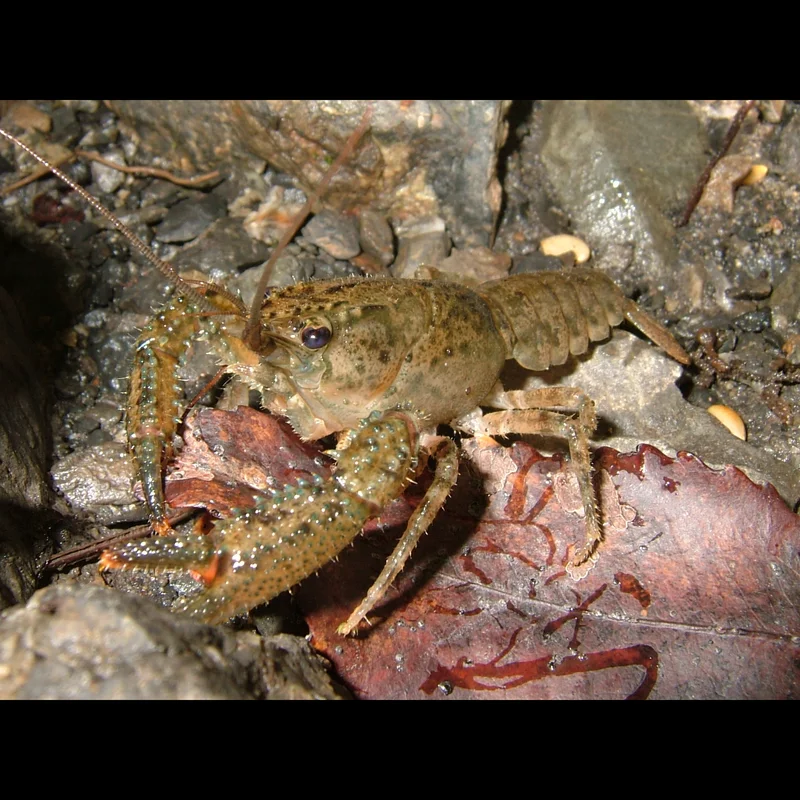
While primarily known for its diving utility, the Blue Hole maintains a modest aquatic ecosystem within its clear waters. Divers occasionally encounter species such as live fish and crayfish.
These resident creatures, though not part of a vibrant coral reef system, contribute a natural, dynamic element to the dive environment. Observing these species can be particularly valuable for student divers, as it helps develop essential underwater observation skills in a controlled setting.
The clarity provided by the continuous spring flow aids in spotting this modest biodiversity, enhancing the overall natural character of this unique inland sinkhole.
Dive Sites Near Blue Hole
View all dive sites in United StatesDiscover more underwater gems in this area.
Dive Centers Near Blue Hole
No Dive Centers Local To Blue Hole
Are you a dive center visiting this location? Get listed to reach divers.
Nearest Airports
Nearest airports to help plan travel to this dive area.
Search Flights
Check available flights and routes on Expedia, using the nearby airports listed in this section.
Search Flights on Expedia
Plan Your Stay
Looking for a place to stay for your dive trip? Explore hotels, stays, and vacation rentals for dive groups near Santa Rosa.
Dive Navigator may earn a commission from these links at no extra cost to you.
Frequently Asked Questions
Is a permit required to dive at the Blue Hole?
Yes, all divers must purchase a SCUBA permit. These are available weekly or annually, and a permit and release form must be completed at the Blue Hole Center before entering the water.
What is the water temperature like year-round?
The water in the Blue Hole remains a constant 17°C (62°F) from the surface to its maximum depth. This consistent temperature means thermal protection is necessary for comfort and safety, regardless of the season.
How does the altitude of the Blue Hole affect diving?
The site sits at 1,400 m (4,600 ft) above sea level. Divers must account for this altitude in their dive plans and decompression limits; using an altitude-adjustable dive computer is strongly recommended.
What types of diving training can be conducted here?
The Blue Hole is a popular site for various certifications, including open water, advanced, rescue, and divemaster training. Its clear water, consistent temperature, and underwater platforms create an ideal learning environment.
What is the typical visibility in the Blue Hole?
Visibility is generally excellent due to the continuous flow of fresh spring water, which refreshes the entire volume every six hours. This clarity is a key feature, especially beneficial for training and navigation within the bell-shaped sinkhole.
Are there any on-site facilities for divers?
Yes, the Blue Hole Center provides facilities for divers, including permit purchase and completion of release forms. There are also underwater training platforms and a surface training dock at nearby Perch Lake.
Is fishing or bringing pets allowed at the site?
No, fishing is strictly prohibited at the Blue Hole. Additionally, pets are generally not permitted to ensure the safety and cleanliness of the diving environment.
Planning to dive Blue Hole?
Send one inquiry and receive offers directly from the best verified local dive operators.
Conditions are Good
07:00 - 14:00
Optimal conditions expected
Current conditions near Blue Hole show 22° air, --° sea temperature, N/A waves, and 22 km/h wind. Forecast data is refreshed regularly to ensure accuracy.