
Diving at Perch Lake (United States)
Perch Lake provides an intriguing freshwater environment for divers exploring inland ecosystems. Within its waters, divers often encounter local species like bluegill, bass, crappie, and catfish, which populate the lake's unique aquatic landscape. Turtles are also common sightings, navigating the submerged structures. This site primarily serves as a training ground for divers, offering practical experience in various conditions.
At Perch Lake, the ambient air temperature is currently recorded at 19°C. This dive site in United States is operating under normal seasonal weather patterns. Familiarize yourself with the local topography prior to navigating.
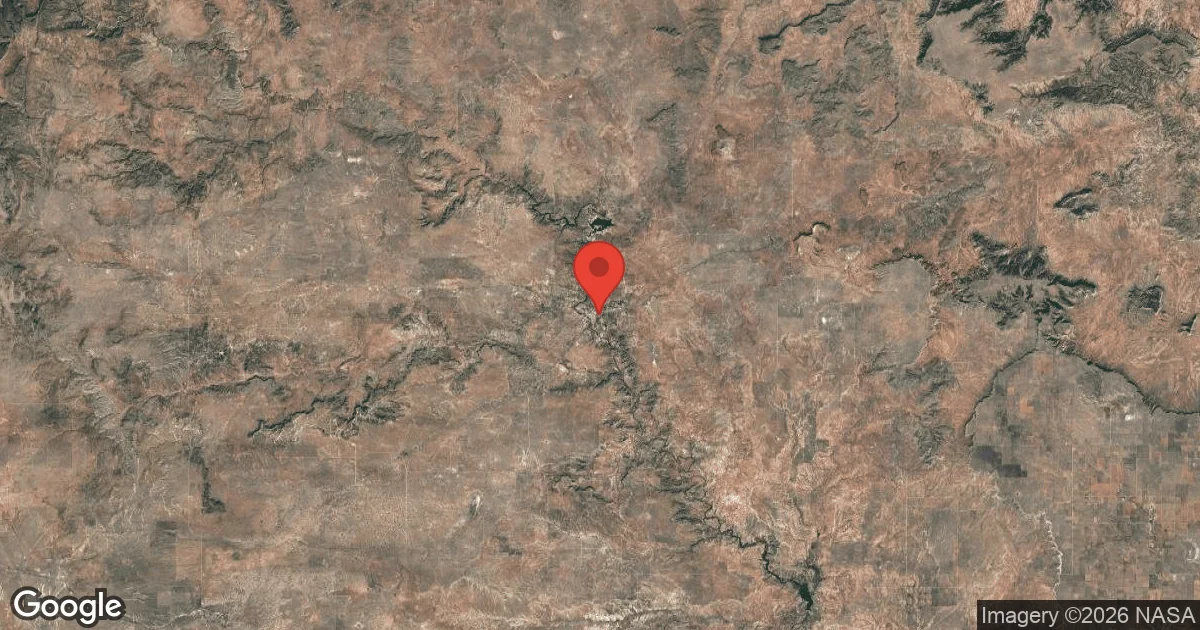
Dive Site Location & Key Facts
Dive Site Overview
Exploring Perch Lake offers divers a distinctive freshwater experience, particularly valuable for those seeking training in varying conditions. The lake is home to two primary wreck features: a penetrable twin-engine Cessna plane and a Volkswagen Jetta, which is not suitable for penetration.
These submerged structures create points of interest for navigation and exploration, situated in waters known for their limited visibility. Accessing the site involves a shore entry, providing straightforward access for divers to immerse themselves in the lake's environment. While the lake's maximum recorded dive depth with wrecks is around 5 meters (16 feet), the overall lake itself has deeper sections, reaching up to 27 meters (90 feet) in some areas, depending on which Perch Lake is being referenced or specific dive plans.
It's a site that emphasizes practical skills rather than extensive deep exploration, preparing divers for diverse scenarios.
Conditions are Good
Optimal conditions expected
Current conditions near Perch Lake show 19° air, --° sea temperature, N/A waves, and 25 km/h wind. Forecast data is refreshed regularly to ensure accuracy.
Best Time to Dive
Planning a dive at Perch Lake involves considering the seasonal variations, especially given the absence of consistent water temperature data. Air temperatures typically range significantly throughout the year, from a cooler 2°C (36°F) in January to a much warmer 27°C (81°F) during the peak summer months of July and August. These warmer periods generally align with more comfortable surface conditions for dive preparation. Rainfall patterns are also dynamic, with lighter precipitation observed in winter months, averaging around 0.2-0.4 mm (0.01-0.02 inches) in January and February. Contrastingly, rain increases notably in late spring and summer, peaking around 1.7-1.9 mm (0.07-0.075 inches) in May and June. Dive scores remain consistently 'Good' across all months, suggesting favorable conditions persist, though cold water gear is likely essential during cooler periods.
PEAK SEASON SCORE
Scores combine air & water temps, waves, wind & rainfall for overall conditions.
BEST MONTHS TO DIVE
Monthly records compiled from satellite and marine observation nodes over the last 3 years. Data provided by Open-Meteo and MET Norway.
Dive Experience & Conditions
Beginning a dive at Perch Lake from its shore entry immediately introduces divers to its characteristic limited visibility. As one descends, the freshwater environment reveals its submerged landscape, often presenting challenges that enhance diver skills. The primary wreck, a twin-engine Cessna, allows for penetrable exploration, providing a tangible objective for navigation practice. Nearby, a Volkswagen Jetta wreck is also present, serving as a non-penetrable structure. Throughout the descent to the maximum recreational depth of approximately 5 meters (16 feet), divers will encounter the silty bottom common in lake environments. The limited available data means specific water temperatures are not consistently reported, but divers should anticipate colder conditions, particularly in deeper sections or outside peak summer. These conditions make the site an excellent training ground for specialized certifications.
Dive Difficulty & Safety Guidelines
Approaching Perch Lake for diving requires adherence to specific safety protocols and access regulations. Critically, a permit from city park services is mandatory before entering the water. Restricted access helps manage the site for diver safety and environmental preservation.
During dives, primary hazards include entanglement risk, particularly around the plane wreck where fishing lines may be present. Divers must maintain situational awareness and carry a dive knife.
Low visibility is a defining condition, necessitating robust navigation skills and the use of appropriate lighting. Planning for self-rescue or buddy assistance in these conditions is prudent. Always ensure your gear is appropriate for cold, low-visibility freshwater environments.
Recommended Equipment
Overhead / entanglement risk. Wreck penetration requires proper training.
- Dive Computer
- Primary & Backup Lights
- Wreck Reel
- Cutting Tool
- Hard-soled Dive Boots
This gear list is based on verified equipment signals for Perch Lake, United States. Always confirm final gear choices with your dive operator, guide, or liveaboard.
Recommended Dive Suit
Exposure protection is partly a personal preference.
Based on regional estimates and current weather, the likely required exposure protection is a 5mm or thicker wetsuit. Note that local currents and upwellings can alter this. Consider warmer surface protection (like a boat coat) due to brisk winds. Surface intervals may feel cooler. Due to unpredictable weather patterns, conditions may change rapidly. Cooler days are ahead; you might want a warmer option for later in the week. Carrying a secondary suit is common practice among experienced divers.
Because recent water temperature readings are not available for Perch Lake, the guidance below is based mainly on current air conditions and seasonal expectations. Current surface air temperatures are roughly 19°C (66°F).
Emergency & Medical Support
Essential information to help you plan your dive trip to Perch Lake.

Hyperbaric chambers are a critical part of dive safety infrastructure. Availability varies significantly by region, and not all dive areas have immediate access.
Before diving, it's recommended to:
- confirm nearest medical facilities
- check emergency procedures with local dive operators
- ensure dive insurance covers evacuation if required
Divers Alert Network
Diving emergency assistance available through DAN World.
+1-919-684-9111- 24/7 emergency hotline
- Diving medical assistance
- Evacuation coordination
Emergency contacts are provided for reference. Always verify local emergency services before diving.
Marine Life at Perch Lake
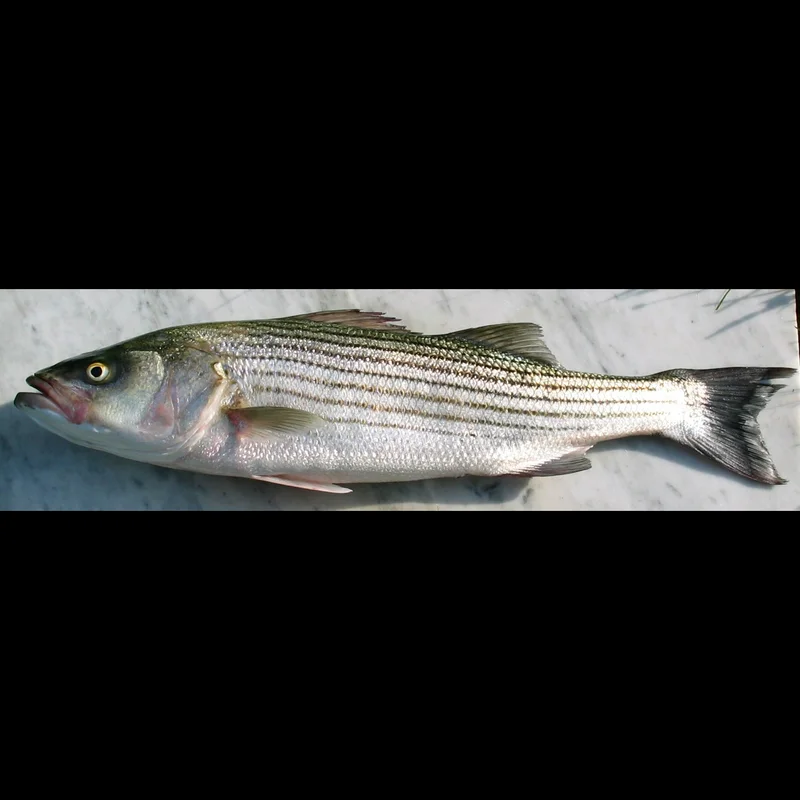
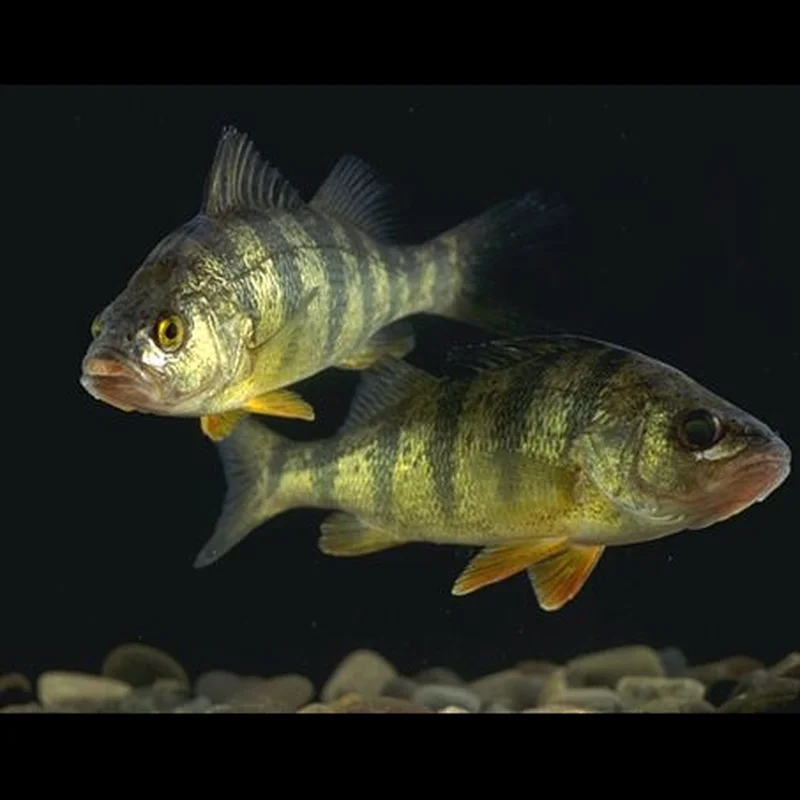
Beneath the surface of Perch Lake, a variety of freshwater marine life thrives. Divers routinely observe bluegill, bass, crappie, and catfish patrolling the wrecks and lakebed.
These fish species are well-adapted to the lake's conditions. Occasional encounters with turtles add another layer of natural interest to the dive.
While not universally present, jellyfish are sometimes reported, offering a unique sighting for freshwater divers. Surface observations might include ducks and other water birds, especially during the fall months, completing the lake's ecological picture.

Dive Sites Near Perch Lake
View all dive sites in United StatesDiscover more underwater gems in this area.
Dive Centers Near Perch Lake
No Dive Centers Local To Perch Lake
Are you a dive center visiting this location? Get listed to reach divers.
Nearest Airports
Nearest airports to help plan travel to this dive area.
Search Flights
Check available flights and routes on Expedia, using the nearby airports listed in this section.
Search Flights on Expedia
Plan Your Stay
Looking for a place to stay for your dive trip? Explore hotels, stays, and vacation rentals for dive groups near Santa Rosa.
Dive Navigator may earn a commission from these links at no extra cost to you.
Frequently Asked Questions
Is a permit required to dive at Perch Lake?
Yes, diving at Perch Lake requires a permit from the city park services. Divers must obtain this permit before planning their visit to ensure legal access to the site.
What kind of wrecks can be found in Perch Lake?
Perch Lake features two primary wrecks: a twin-engine Cessna plane that allows for penetration, and a Volkswagen Jetta. The Jetta wreck is not suitable for penetration.
What is the typical visibility like at Perch Lake?
Limited visibility is a defining characteristic of Perch Lake. This condition makes the site particularly useful for training in challenging environments and requires divers to hone their navigation skills.
What types of marine life can divers expect to see?
Divers commonly encounter freshwater species such as bluegill, bass, crappie, and catfish. Turtles are also frequently observed, and sometimes freshwater jellyfish might be spotted.
What are the main hazards at Perch Lake?
The primary hazards include low visibility and the risk of entanglement, especially around the plane wreck due to potential fishing lines. A city permit is also required for access.
Is Perch Lake suitable for beginner divers?
Perch Lake is often used for training, including advanced courses like Wreck Diver, but its limited visibility and potential for cold water might be challenging for absolute beginners. PADI Open Water Diver training is listed, indicating it can be used for fundamental skills, but careful planning and guidance are essential.
Planning to dive Perch Lake?
Send one inquiry and receive offers directly from the best verified local dive operators.
Conditions are Good
Optimal conditions expected
Current conditions near Perch Lake show 19° air, --° sea temperature, N/A waves, and 25 km/h wind. Forecast data is refreshed regularly to ensure accuracy.