
Diving at BR Site - Ferry (United States)
Strong currents often define the diving experience around ferry sites, demanding attentive planning. Encountering challenging conditions, such as those at the Kehloken wreck, means divers need robust skills to manage potential surges and limited visibility. Access itself can be an initial hurdle, requiring private boat arrangements for certain remote locations rather than readily available charters. Divers should arrive prepared for variable conditions and dynamic water movements.
Evening condition tracking at BR Site - Ferry features an air temperature of 29°C. We have recorded wave heights measuring 1.3 m during this period. These figures outline the environmental parameters currently present.
Dive Site Location & Key Facts
Dive Site Overview
Diving "Ferry" sites in Washington State encompasses a range of experiences, from historic wrecks to functional breakwaters. The Kehloken Possession Point Ferry, for instance, represents a significant piece of local maritime history now serving as an artificial reef.
This wreck dive is known for its remote location, typically requiring a 16-mile (26 km) boat ride to access. Its considerable size and vibrant marine life contribute to a spectacular dive, making it a compelling destination for experienced divers seeking an adventure beyond common charter routes.
In contrast, Keystone Jetty, part of Fort Casey State Park, offers an entirely different kind of ferry-related dive. Operating as a man-made breakwater for the Coupeville–Port Townsend ferry terminal, Keystone Jetty comprises a 75-yard (69 m) long sloping boulder pile that extends from the waterline to about 18 m (60 ft) deep.
It provides an accessible shore dive, contrasting sharply with the logistical demands of a wreck like the Kehloken. Both sites, while distinct in their nature and access, provide habitat for diverse Pacific Northwest marine species, connecting divers to the region's unique underwater environment and its functional or past maritime roles.
Conditions are Good
07:00 - 14:00
Optimal conditions expected
Current conditions near BR Site - Ferry show 29° air, 28° sea temperature, 0.8 m waves, and 23 km/h wind. Forecast data is refreshed regularly to ensure accuracy.
Best Time to Dive
Divers seeking the most favorable conditions for exploring the ferry sites will find the late spring and summer months generally offer the best experience. July typically stands out with the highest dive score, driven by calmer waters and warm air temperatures averaging around 28°C (82°F). May and June also provide good opportunities, with air temperatures in the 24-26°C (75-79°F) range and reduced wave heights, averaging approximately 1.0-1.1 meters (3.3-3.6 ft). These periods of lighter wind and less rain contribute to more comfortable boat rides and surface conditions, which is especially beneficial for accessing remote wreck sites. Other months, such as January through April and November, present moderate dive scores, with cooler air temperatures (15-21°C / 59-70°F) and potentially larger waves, averaging 1.3-1.4 meters (4.3-4.6 ft). While diving is possible year-round, these periods might appeal more to divers comfortable with cooler air and more dynamic sea states.
PEAK SEASON SCORE
Scores combine air & water temps, waves, wind & rainfall for overall conditions.
BEST MONTHS TO DIVE
Monthly records compiled from satellite and marine observation nodes over the last 3 years. Data provided by Open-Meteo and MET Norway.
Dive Experience & Conditions
Accessing the "Ferry" dive sites presents a varied experience depending on the specific location. Keystone Jetty, for example, is known as an easy shore dive. It usually begins with a short ferry ride to Whidbey Island, followed by a brief 10-yard (9 m) stroll down a cobble beach directly into the water. This site allows for immediate immersion into a vibrant underwater environment, with depths reaching around 18 m (60 ft) along its boulder pile. Conversely, exploring a wreck like the Kehloken Possession Point Ferry demands a more involved approach. It requires a significant boat journey, often around 16 miles (26 km), as charters are not consistently reported for these remote sites. Such expeditions rely on knowing a boat owner or joining experienced groups. The Kehloken is also noted as a very current-sensitive dive site, meaning divers should anticipate dynamic water movements that necessitate strong buoyancy control and drift diving proficiency. These contrasting entry and in-water conditions highlight the diverse nature of "Ferry" dives.
Dive Difficulty & Safety Guidelines
Due to the often remote nature and potential for strong currents, divers approaching the ferry sites should possess experience beyond entry-level certification. Sites like the Kehloken wreck are explicitly labeled as "very current-sensitive," requiring divers to be proficient in managing variable water movements and maintaining situational awareness. It's not uncommon for access to these less-frequented sites to hinge on trust in one's diving abilities, particularly if relying on private boat arrangements.
For shore dives such as Keystone Jetty, familiarity with cobble beach entries and exits is beneficial. Always dive with a reliable buddy and conduct thorough pre-dive checks.
Considering the variable conditions, carrying a surface marker buoy (SMB) is a prudent safety measure, especially in areas where currents could create separation from the boat or entry point. Planning dives carefully, including tide and current assessments, becomes crucial for a safe and enjoyable experience at these diverse locations.
Recommended Equipment
- Dive Computer
This gear list is based on verified equipment signals for BR Site - Ferry, United States. Always confirm final gear choices with your dive operator, guide, or liveaboard.
Recommended Dive Suit
In these water temperatures, 2-3mm shorty or light wetsuit is a common choice for recreational diving. Consider warmer surface protection (like a boat coat) due to brisk winds. Longer dive profiles can make thermal protection more important than short exploratory dives.
At the moment, divers exploring BR Site - Ferry will likely experience water temperatures near 28°C (82°F). Surface air temperatures are resting at 29°C (84°F).
Weather models indicate a small drop in surface temperatures later this week. Cooler days are ahead; you might want a warmer option for later in the week. Bringing an additional thermal layer can be helpful if conditions change.
Emergency & Medical Support
Essential information to help you plan your dive trip to BR Site - Ferry.

Hyperbaric chambers are a critical part of dive safety infrastructure. Availability varies significantly by region, and not all dive areas have immediate access.
Before diving, it's recommended to:
- confirm nearest medical facilities
- check emergency procedures with local dive operators
- ensure dive insurance covers evacuation if required
Divers Alert Network
Diving emergency assistance available through DAN World.
+1-919-684-9111- 24/7 emergency hotline
- Diving medical assistance
- Evacuation coordination
Emergency contacts are provided for reference. Always verify local emergency services before diving.
Marine Life at BR Site - Ferry
Upon descent, the structural elements of both the ferry wrecks and breakwater jetties immediately attract a fascinating array of Pacific Northwest marine life. Divers might first notice quillback rockfish perusing the ferry wreckage, utilizing the shelter it provides.
Keystone Jetty is particularly known for hosting a "big-name Pacific Northwest celebrity with eight tentacles"—the giant Pacific octopus. These impressive cephalopods often hide within the nooks and crannies of the boulder pile.
Additionally, various schooling rockfish find refuge around the structures, while wolf eels, though shy, can sometimes be spotted. The density of invertebrate life also offers constant photographic opportunities for macro enthusiasts.

Dive Centers Near BR Site - Ferry
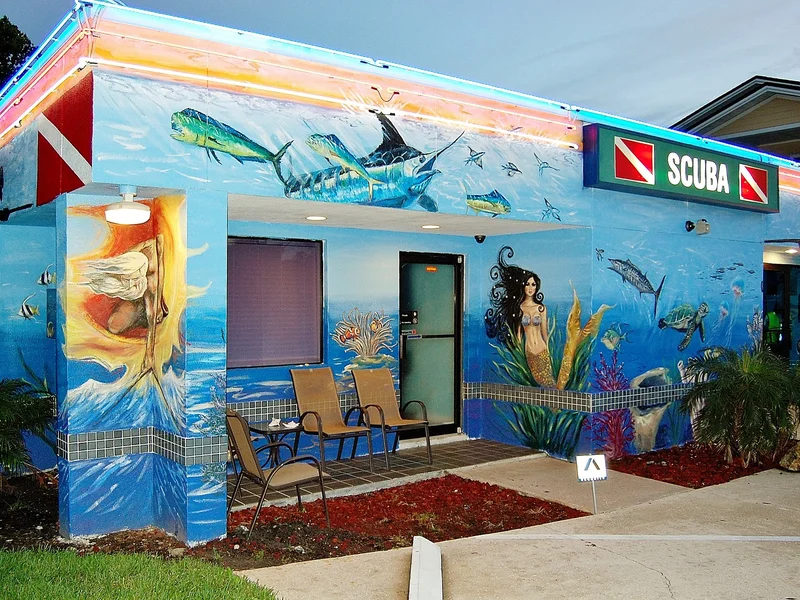
Today: 10:00 - 18:30
Nearest Airports
Nearest airports to help plan travel to this dive area.
Search Flights
Check available flights and routes on Expedia, using the nearby airports listed in this section.
Search Flights on ExpediaFrequently Asked Questions
What types of "Ferry" dive sites are there?
There are primarily two types: actual ferry wrecks like the Kehloken, which are remote and historic, and functional jetties like Keystone, which serve as breakwaters for ferry terminals. Each offers distinct dive experiences and access methods.
How do I access these dive sites?
Access varies significantly. Keystone Jetty is an easy shore dive from a cobble beach, often after a short public ferry ride to Whidbey Island. Remote wreck sites like the Kehloken typically require a private boat and coordination with experienced divers, as dedicated charters are not common.
Are currents a factor at "Ferry" dive sites?
Yes, currents can be a significant factor, particularly at wreck sites like the Kehloken, which are described as "very current-sensitive." Divers should be prepared for dynamic water movements and plan dives carefully around tide cycles.
What is the typical dive depth?
Depths vary by site. Keystone Jetty's boulder pile slopes down to approximately 18 m (60 ft). Specific depths for other ferry wreck sites are not consistently reported but generally fall within recreational diving limits.
What marine life can I expect to see?
You can often spot quillback rockfish, various schooling rockfish, and giant Pacific octopuses, especially around structures like Keystone Jetty. Wolf eels are also present, though they can be more elusive.
When is the best time of year to dive these sites?
The best time is generally late spring through summer, particularly July, when air temperatures are warmest (around 28°C / 82°F) and wave heights are typically lower. May and June also offer good conditions.
Planning to dive BR Site - Ferry?
Send one inquiry and receive offers directly from the best verified local dive operators.
Conditions are Good
07:00 - 14:00
Optimal conditions expected
Current conditions near BR Site - Ferry show 29° air, 28° sea temperature, 0.8 m waves, and 23 km/h wind. Forecast data is refreshed regularly to ensure accuracy.