
Diving at Bridge Spans (United States)
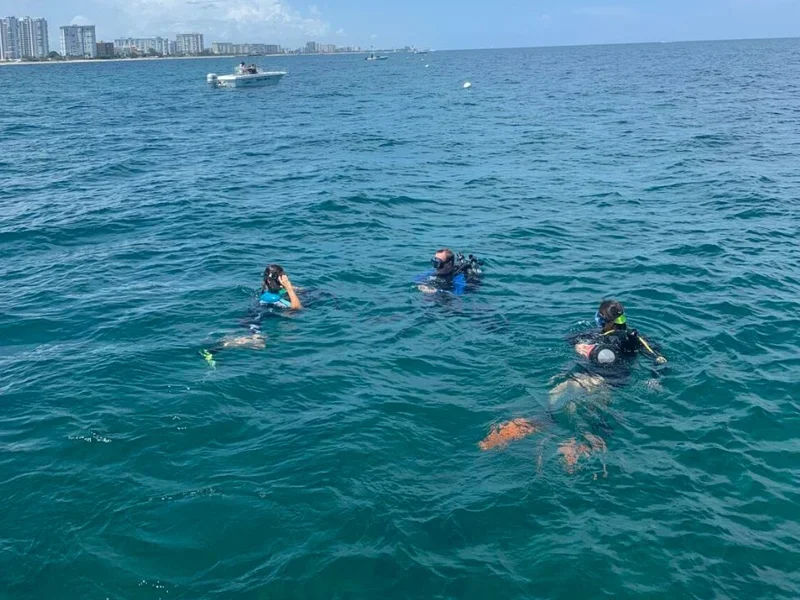
Bridge Spans in Florida offer protected diving within calm waters, often remaining accessible even when offshore conditions prove challenging. Water temperatures vary seasonally, from 16-22°C (61-72°F) in winter to a warmer 24-30°C (75-86°F) during summer. Expect mild visibility and minimal current, providing consistent dive options for various skill levels throughout much of the year.
Tonight's objective overview for Bridge Spans shows an air temperature of 27°C. The measured surface conditions include wave heights around 0.6 m. This environmental data is logged for the close of the day.
Dive Site Location & Key Facts
Dive Site Overview
Exploring Florida's bridge spans reveals a compelling transformation, as former man-made infrastructure evolves into thriving artificial reef ecosystems. Locations like Bridge Span #14 near Panama City and the Blue Heron Bridge at Phil Foster Park attract a diverse array of marine life to their submerged elements.
Many locations demonstrate how new habitats emerge, offering shelter and feeding grounds in a unique underwater setting. Divers will find maximum depths ranging around 18-20 m (60-66 ft) at some spans, while other areas, such as the primary zone of the Blue Heron Bridge, stay within shallower recreational depths of just over 6 m (20 ft).
Dive times are flexible, often extending from 45 minutes up to two hours, contingent on individual gas consumption and planning. Convenient shore entry is a key advantage at several sites.
Submerged sections, along with adjacent rock boulder snorkel trails, serve as focal points for exploration, unveiling complex micro-environments that divers often revisit.
Conditions are Excellent
07:00 - 14:00
Optimal conditions expected
Current conditions near Bridge Spans show 27° air, 30° sea temperature, 0.6 m waves, and 15 km/h wind. Forecast data is refreshed regularly to ensure accuracy.
Best Time to Dive
Planning your dive experience at Florida's bridge spans benefits from targeting the warmer months, specifically May to October. Water temperatures during this period are most inviting, staying within 24-30°C (75-86°F). Consistency in 'Good' to 'Excellent' dive scores is observed from April through September, peaking in July with an 'Excellent' rating. July typically delivers the calmest surface conditions, with average wave heights around 0.5 m (1.6 ft) and wind speeds near 23.9 km/h (14.8 mph). Year-round diving is certainly possible, though cooler winter months bring water temperatures down to 16-22°C (61-72°F). Air temperatures mirror this, averaging approximately 20°C (68°F) in January compared to August's comfortable 28.5°C (83°F). Moderate dive scores in winter are often linked to slightly higher average wave heights, which can reach up to 1.4 m (4.6 ft) in October, and increased wind speeds. Rain averages remain generally low throughout the year; however, September can see slightly higher precipitation around 5.97 mm.
PEAK SEASON SCORE
Scores combine air & water temps, waves, wind & rainfall for overall conditions.
BEST MONTHS TO DIVE
Monthly records compiled from satellite and marine observation nodes over the last 3 years. Data provided by Open-Meteo and MET Norway.
Dive Experience & Conditions
Bridge span dive sites often feature minimal current, especially those sheltered within protected lagoons. Such environmental consistency permits longer bottom times and simpler navigation. Specific locations, like Bridge Span #14, frequently report negligible current and only mild surge, enhancing overall accessibility. Visibility, while sometimes described as mild, typically provides enough clarity for close inspection of intricate structures and macro life. Divers will find profiles varying from shallow snorkel trails at 2-3 m (6-10 ft) to deeper explorations. Certified divers can descend to max depth, investigating the full scale of the submerged spans. Consistent conditions mean these sites remain viable choices even when open ocean diving becomes challenging due to weather.
Dive Difficulty & Safety Guidelines
Approaching bridge span dives requires divers to understand the specific skill sets needed for navigating complex structures. While some sections are suitable for all levels, certain areas, like Bridge Span #14, are rated as 'Intermediate' in difficulty, suggesting that advanced open water certification or equivalent experience is beneficial.
Specialty courses, such as those available for the Blue Heron Bridge, are designed to enhance the specific skills required for this type of environment. Buoyancy control is particularly important to avoid contact with structures and sensitive marine life.
Divers should adhere to established no-fishing zones in protected areas to help preserve these artificial reef habitats. Always dive with a buddy and conduct thorough equipment checks before entering the water.
Awareness of local dive guidelines and responsible interaction with the marine environment are essential practices.
Recommended Equipment
- Dive Computer
This gear list is based on verified equipment signals for Bridge Spans, United States. Always confirm final gear choices with your dive operator, guide, or liveaboard.
Recommended Dive Suit
Dive skin or rash guard is often considered an appropriate level of exposure protection for conditions like these.
Current readings at Bridge Spans show water temperatures near 30°C (86°F). Surface air temperatures are resting at 27°C (81°F).
The upcoming forecast points to generally steady conditions in the area.
Emergency & Medical Support
Essential information to help you plan your dive trip to Bridge Spans.

Hyperbaric chambers are a critical part of dive safety infrastructure. Availability varies significantly by region, and not all dive areas have immediate access.
Before diving, it's recommended to:
- confirm nearest medical facilities
- check emergency procedures with local dive operators
- ensure dive insurance covers evacuation if required
Divers Alert Network
Diving emergency assistance available through DAN World.
+1-919-684-9111- 24/7 emergency hotline
- Diving medical assistance
- Evacuation coordination
Emergency contacts are provided for reference. Always verify local emergency services before diving.
Marine Life at Bridge Spans
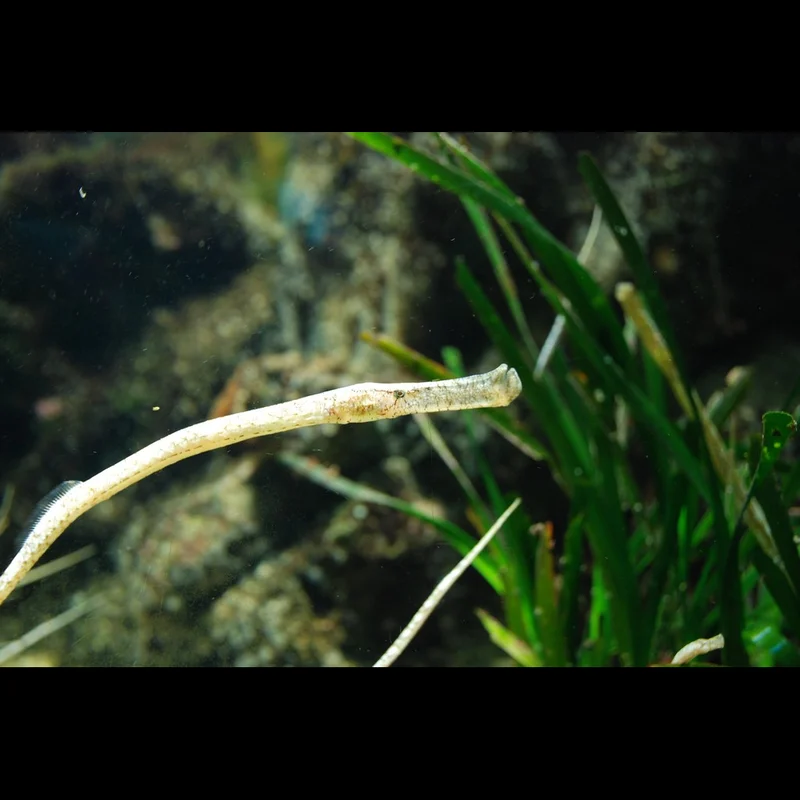
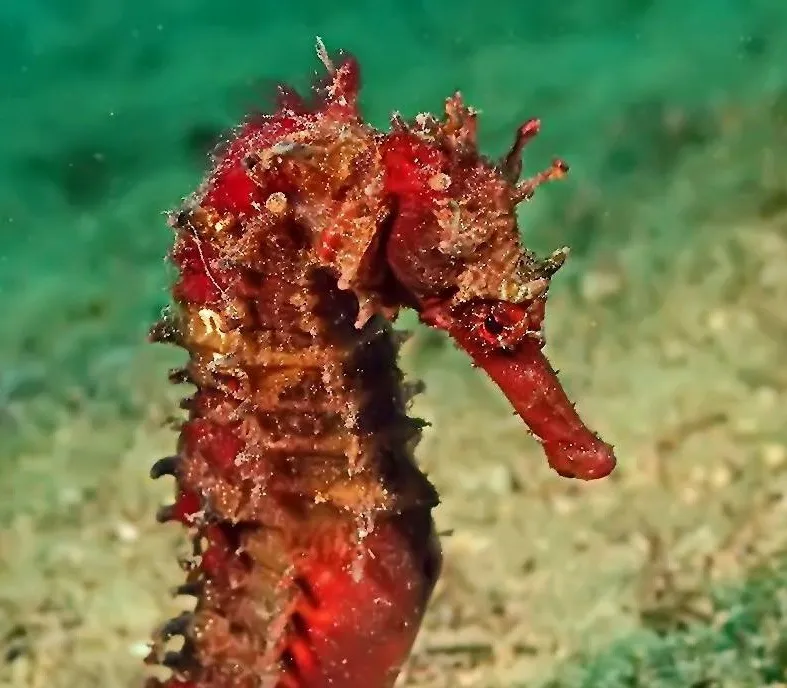
Divers at these bridge spans are often struck by the sheer density of macro life, particularly evident at sites like the Blue Heron Bridge. Here, divers frequently encounter various seahorses and pipefish, along with different octopus species, including the Atlantic long arm.
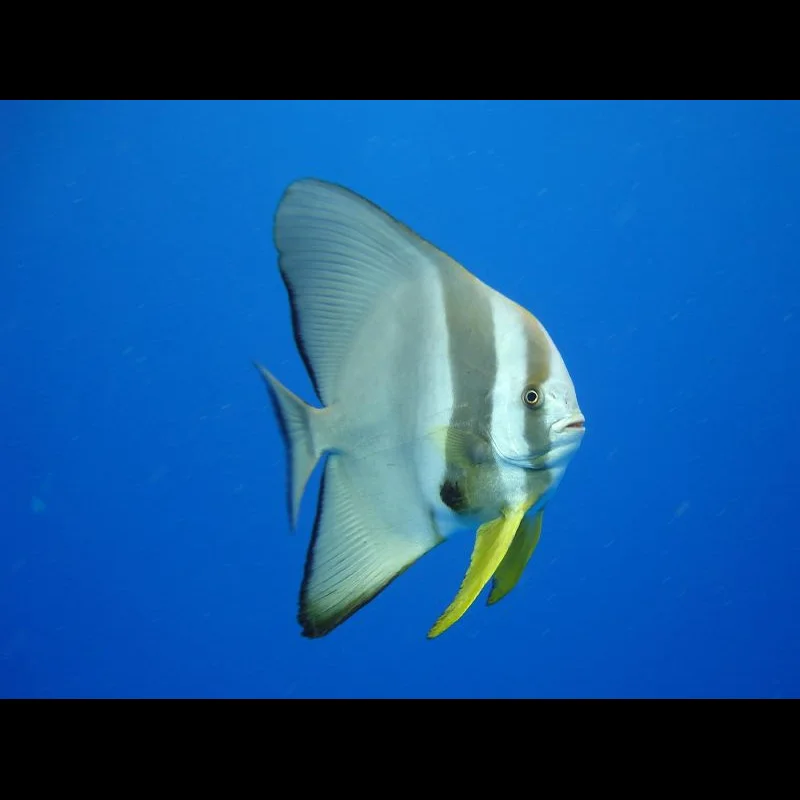
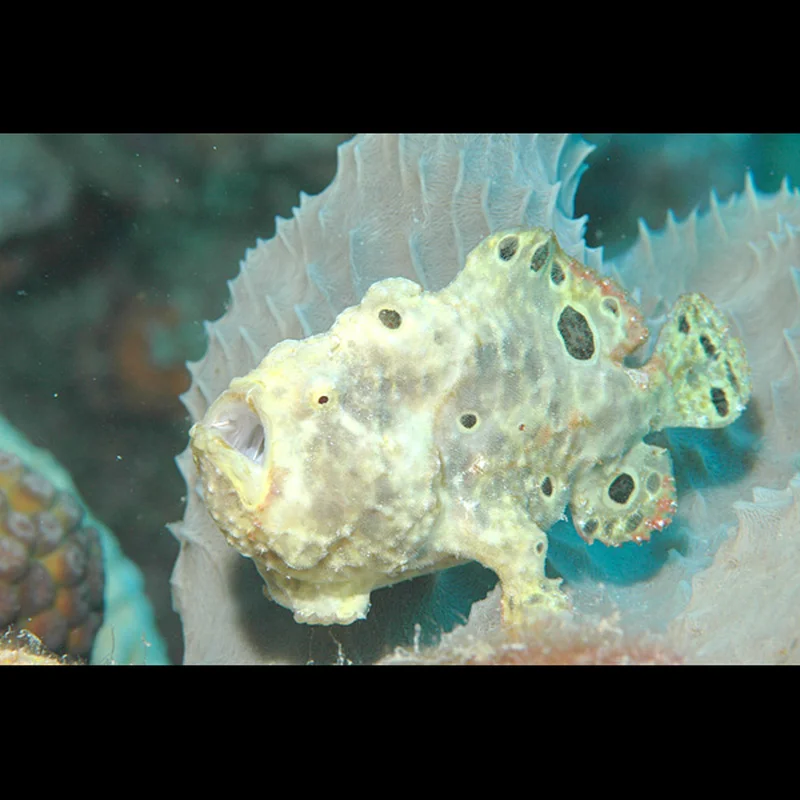
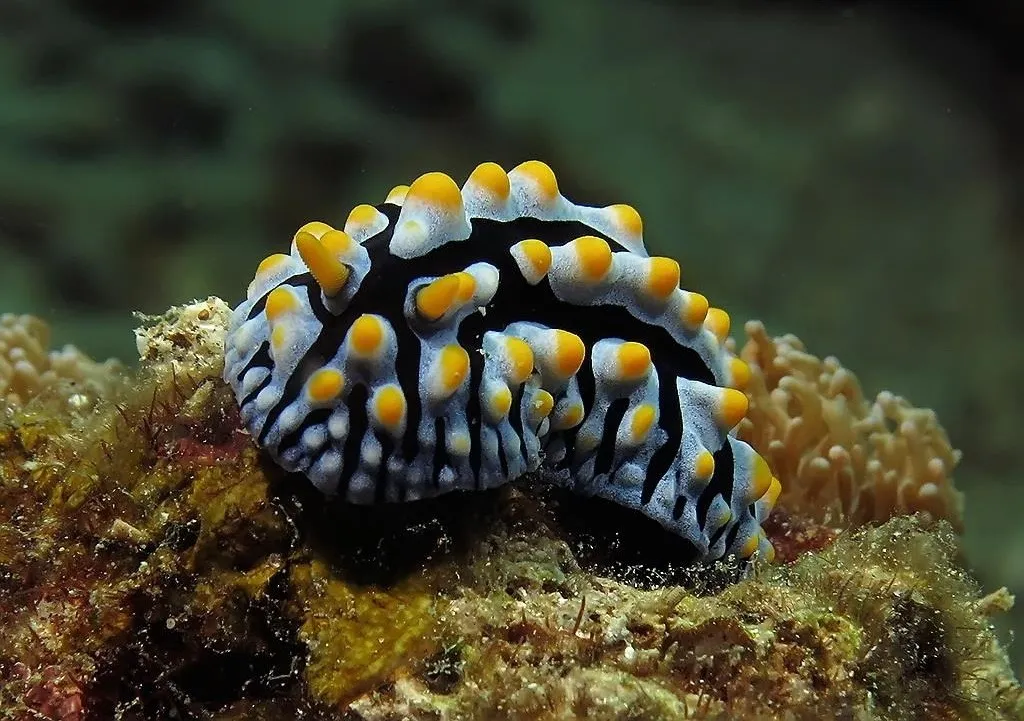
Submerged structures provide habitat for numerous bottom-dwellers such as sea robins, flying gurnards, batfish, frogfish, and stargazers. Over 100 different species of nudibranchs have been observed, adding vibrant color to the underwater scenery.
An array of juvenile tropical fish also seek refuge and food among bridge elements and artificial rock formations, contributing to a dynamic and engaging dive experience.
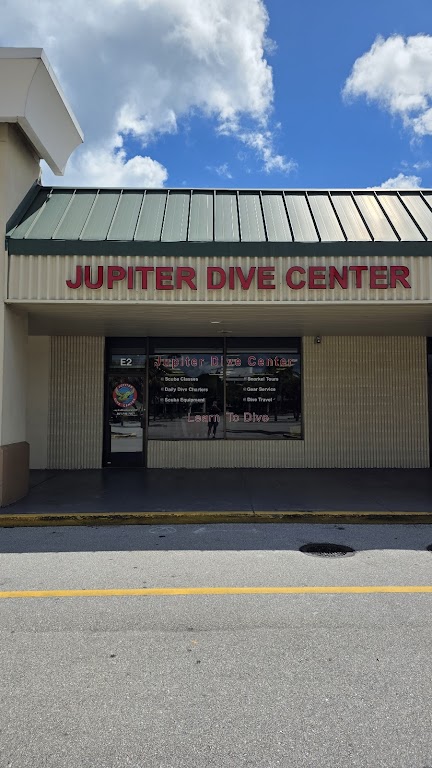
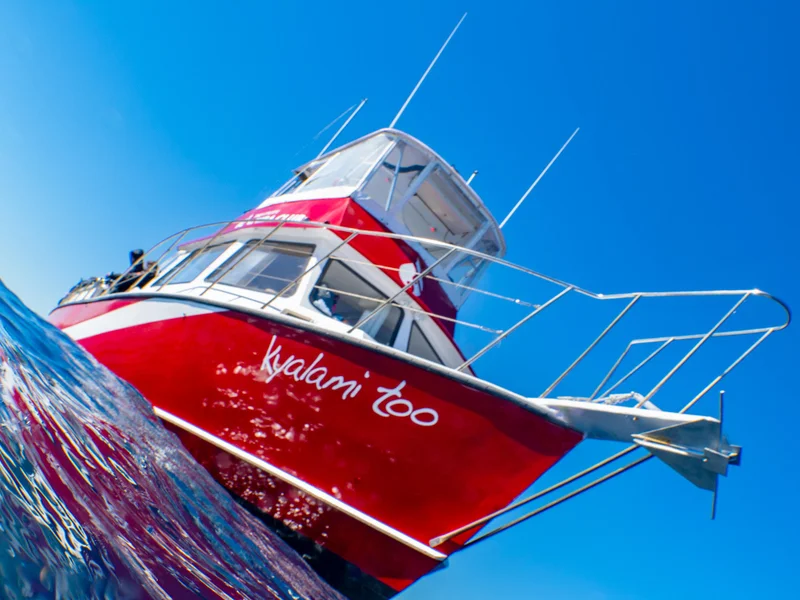
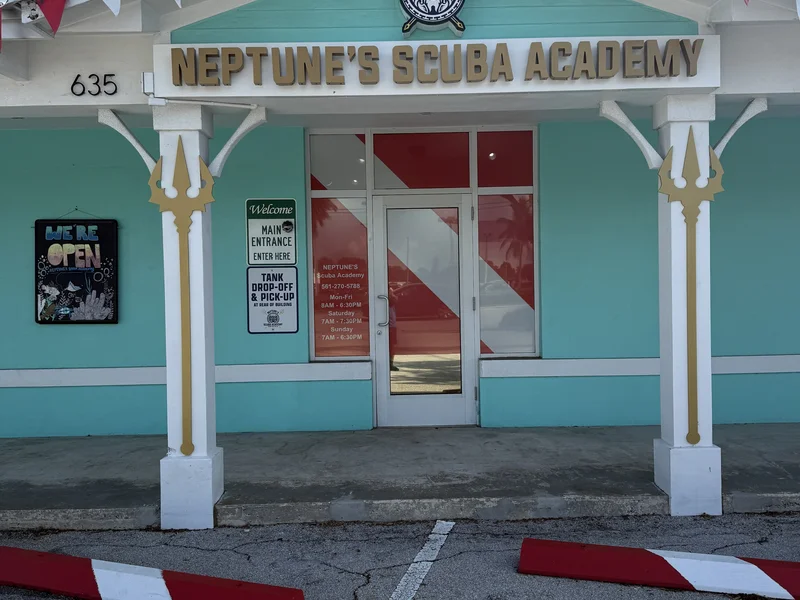
Dive Centers Near Bridge Spans
Today: 10:00 - 18:00
Nearest Airports
Nearest airports to help plan travel to this dive area.
Search Flights
Check available flights and routes on Expedia, using the nearby airports listed in this section.
Search Flights on Expedia
Plan Your Stay
Looking for a place to stay for your dive trip? Explore hotels, stays, and vacation rentals for dive groups near Fort Pierce.
Dive Navigator may earn a commission from these links at no extra cost to you.
Frequently Asked Questions
What is the typical depth range for diving bridge spans?
Dive depths vary; snorkel trails often remain in the shallower sections. Certified divers exploring main span structures can descend to 18-20 m (60-66 ft) at deeper points, providing a range of recreational depths.
What kind of marine life can I expect to see?
Bridge spans, particularly the Blue Heron Bridge, are known for abundant macro life. Divers frequently encounter seahorses, pipefish, various octopuses, sea robins, frogfish, batfish, and a wide variety of nudibranchs, alongside schools of juvenile fish.
Are there strong currents at bridge span dive sites?
Many bridge span dive sites, particularly those in protected lagoons, exhibit minimal current and mild surge. A sheltered environment contributes to consistent dive conditions and extended bottom times, even when offshore waters are rough.
When is the best time of year to dive these locations?
Optimal diving at Florida's bridge spans generally occurs from May to October, when water temperatures are warmer, 24-30°C (75-86°F). Expect calmest surface conditions and the highest dive scores during these months.
What is the recommended certification level?
While some bridge span dives suit all levels, locations like Bridge Span #14 are rated 'Intermediate.' An Advanced Open Water certification or equivalent experience proves beneficial for exploring deeper, more complex sections.
Is shore access typically available for these dives?
Yes, convenient shore access is available at some bridge span dive sites, including the Blue Heron Bridge at Phil Foster Park. Planning and executing dives become relatively straightforward as a result.
Planning to dive Bridge Spans?
Send one inquiry and receive offers directly from the best verified local dive operators.
Conditions are Excellent
07:00 - 14:00
Optimal conditions expected
Current conditions near Bridge Spans show 27° air, 30° sea temperature, 0.6 m waves, and 15 km/h wind. Forecast data is refreshed regularly to ensure accuracy.