
Diving at Cedar Key Reef (United States)
Positioned as a fundamental structure within the local marine environment, this reef provides essential underwater habitats. It demonstrates the geological processes shaping coastal waters. Divers approaching this site should anticipate exploring a foundational ecosystem, rather than a specific shipwreck, where natural formations create shelter and foraging grounds. The underwater landscape here attests to natural accretion and biological growth.
As evening covers Cedar Key Reef, the local air temperature is measured at 27°C. The current wave height at the surface is recorded at 0.3 m. These late-day readings characterize the surface conditions for the night.
Dive Site Location & Key Facts
Dive Site Overview
The ecological narrative of this specific reef system, while not tied to particular historical wrecks or significant events, centers on its fundamental role as a vital contributor to the Gulf Coast's biodiversity. Reef systems in this region have developed over millennia, forming critical hard-bottom habitats within an expansive soft-sediment environment.
Such structures are the culmination of slow, incremental growth, continually adapting to environmental changes. They support a complex food web, benefiting myriad species from micro-organisms to larger pelagic fish. Observing the reef's composition, whether it contains natural rock outcroppings or artificial materials, connects divers to a continuous historical process of environmental shaping and preservation.
Dive sites like this offer a direct connection to these long-standing natural processes, showcasing nature's sustained effort to enhance marine productivity. Understanding the site involves appreciating its ongoing resilience and its importance in sustaining marine populations for generations.
Its historical significance lies in its continuous ecological function and its quiet persistence as a cornerstone of the marine landscape.
Conditions are Excellent
07:00 - 14:00
Optimal conditions expected
Current conditions near Cedar Key Reef show 27° air, 30° sea temperature, 0.3 m waves, and 21 km/h wind. Forecast data is refreshed regularly to ensure accuracy.
Best Time to Dive
Optimal diving conditions for Cedar Key Reef typically emerge outside the peak summer rain season and during periods of lighter winds. While water temperatures are not consistently reported, air temperatures provide a useful indicator, ranging from 12.5°C (54°F) in January to 29°C (84°F) in August. Divers often find favorable conditions during late spring and fall. For instance, May presents comfortable air temperatures averaging 25°C (77°F), coupled with lower wave heights around 0.5 m (1.6 ft) and reduced wind speeds averaging 26.95 km/h (16.7 mph). November also stands out, with air temperatures averaging 19.5°C (67°F), very low rain at 0.97 mm (0.04 in), and moderate waves and wind. Summer months like July and August offer the warmest air temperatures, peaking around 29°C (84°F), and the calmest seas with wave heights as low as 0.5 m (1.6 ft); however, these months also see the highest average rainfall, reaching up to 7.37 mm (0.29 in) in August. To maximize enjoyment, targeting months with lower rain and calmer seas is generally advisable.
PEAK SEASON SCORE
Scores combine air & water temps, waves, wind & rainfall for overall conditions.
BEST MONTHS TO DIVE
Monthly records compiled from satellite and marine observation nodes over the last 3 years. Data provided by Open-Meteo and MET Norway.
Dive Experience & Conditions
Navigating Cedar Key Reef involves understanding the localized current dynamics, which can vary significantly with tidal flows and prevailing weather patterns. Conditions aren't consistently reported, so divers should expect variability, especially in coastal areas. Visibility often depends on recent rainfall, sediment suspension, and plankton blooms, typical of Gulf waters, and may range from moderate to good on clearer days. Depths at the reef are generally within recreational limits, accommodating a range of certification levels. It's crucial to consult local dive operators or authorities immediately prior to your dive for real-time updates on currents, visibility, and any specific site characteristics. Adapting to the conditions encountered ensures a safer and more enjoyable experience at this dynamic site. Being prepared for potential changes is key here.
Dive Difficulty & Safety Guidelines
Diving at Cedar Key Reef requires adherence to standard safety protocols and a realistic assessment of individual diver skill levels. Because specific site hazard data is not consistently available, a thorough pre-dive briefing with local experts or experienced divers familiar with the area is strongly recommended. Always dive within your certification limits and maintain a conservative dive plan.
Ensure all equipment is in excellent working order. Proper buoyancy control is essential to protect the delicate reef structures.
Divers should always deploy a surface marker buoy (SMB) upon ascent and stay vigilant for boat traffic in the area. Respecting marine life and maintaining a safe distance helps preserve the ecosystem for future exploration.
Recommended Equipment
- Dive Computer
This gear list is based on verified equipment signals for Cedar Key Reef, United States. Always confirm final gear choices with your dive operator, guide, or liveaboard.
Recommended Dive Suit
For many recreational divers, dive skin or rash guard provides a practical level of insulation in these conditions. A hood or vest is suggested for sensitive divers due to surface winds. Divers who tend to get cold easily may prefer slightly thicker exposure protection.
The waters surrounding Cedar Key Reef are currently maintaining temperatures close to 30°C (86°F). Surface air temperatures are resting at 27°C (81°F).
The next few days appear likely to bring similar environmental conditions.
Emergency & Medical Support
Essential information to help you plan your dive trip to Cedar Key Reef.

Hyperbaric chambers are a critical part of dive safety infrastructure. Availability varies significantly by region, and not all dive areas have immediate access.
Before diving, it's recommended to:
- confirm nearest medical facilities
- check emergency procedures with local dive operators
- ensure dive insurance covers evacuation if required
Divers Alert Network
Diving emergency assistance available through DAN World.
+1-919-684-9111- 24/7 emergency hotline
- Diving medical assistance
- Evacuation coordination
Emergency contacts are provided for reference. Always verify local emergency services before diving.
Marine Life at Cedar Key Reef
A foundational habitat for Gulf Coast ecosystems, this reef supports a variety of marine organisms typical of the region. While specific species populations can vary seasonally, the structure itself provides shelter and foraging grounds for many fish and invertebrate species.
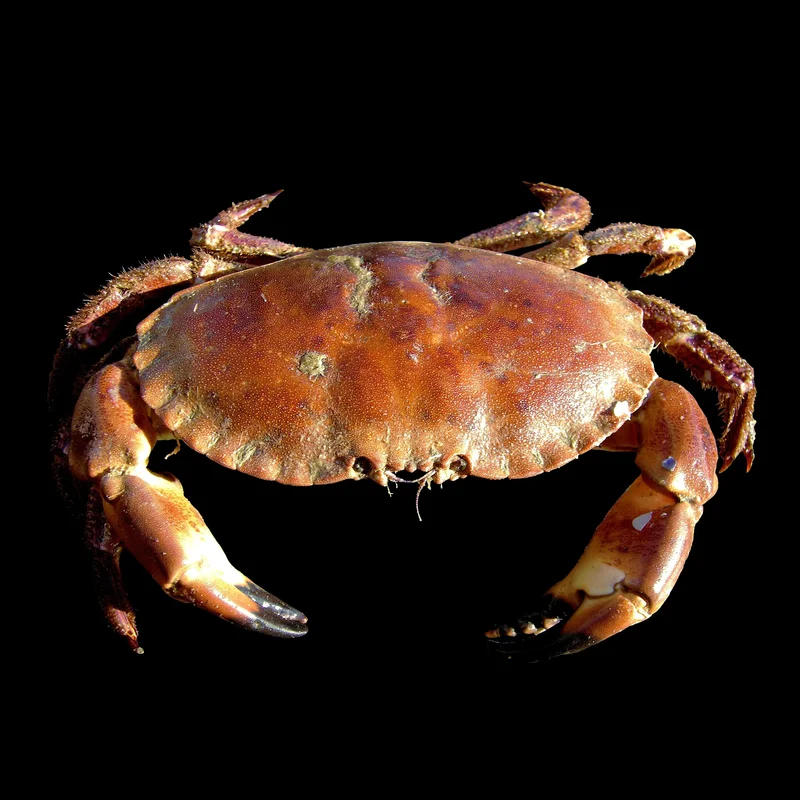
Divers may observe various schooling fish, crabs, and sponges adapting to this environment. This site contributes significantly to the local marine food web, attracting both resident and transient species.
Observing life here requires patience and an appreciation for the subtle interactions within a temperate reef community.
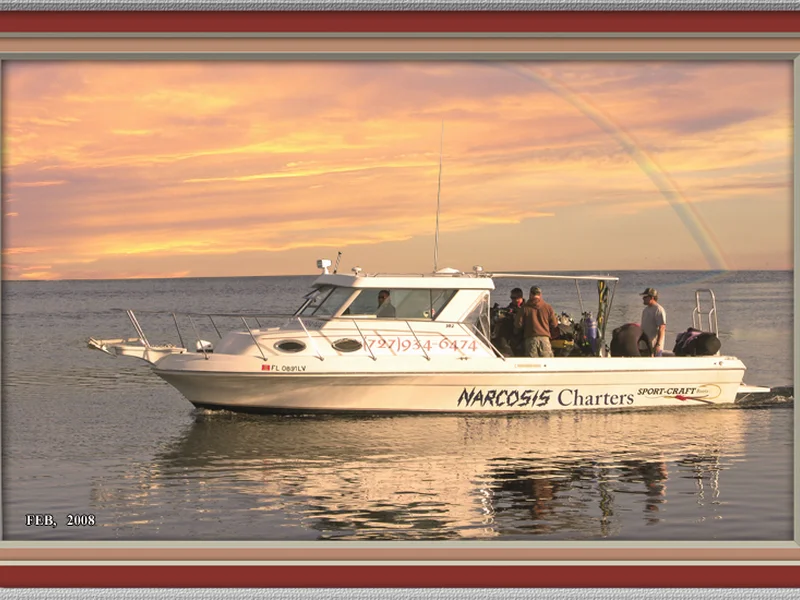
Dive Centers Near Cedar Key Reef
Today: 11:00 - 19:00
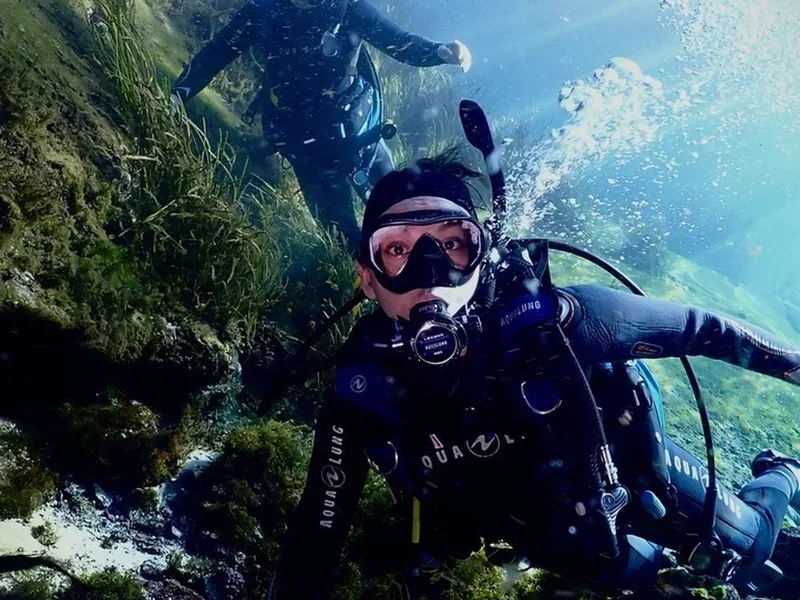
Nearest Airports
Nearest airports to help plan travel to this dive area.
Search Flights
Check available flights and routes on Expedia, using the nearby airports listed in this section.
Search Flights on Expedia
Plan Your Stay
Looking for a place to stay for your dive trip? Explore hotels, stays, and vacation rentals for dive groups near Cedar Key.
Dive Navigator may earn a commission from these links at no extra cost to you.
Frequently Asked Questions
What is the average depth range for diving at Cedar Key Reef?
Depths at Cedar Key Reef are generally suitable for recreational divers. Specific depths vary across the reef's expanse, but most areas remain within standard no-decompression limits, accommodating a broad range of experience levels.
Is there a specific type of marine life I can expect to see?
The reef supports a diverse array of Gulf Coast marine life. You can typically expect to see various schooling fish, crabs, and a range of invertebrate species, though specific sightings depend on the season and prevailing conditions.
Are there strong currents at Cedar Key Reef?
Current strength can vary depending on tidal shifts and weather patterns. It's advisable to check local conditions with a dive operator before entering the water, as currents may be stronger at certain times.
What is the typical visibility like?
Visibility at Cedar Key Reef is influenced by several factors, including recent rainfall and plankton activity. Conditions are not consistently reported, but divers can generally expect moderate to good visibility on favorable days.
Is Cedar Key Reef suitable for beginner divers?
Yes, many sections of Cedar Key Reef are accessible for beginner divers, provided they dive within their certification limits and with appropriate supervision. Consulting local dive shops for guidance on current conditions is recommended.
How do I access Cedar Key Reef?
Access to Cedar Key Reef is typically via boat, requiring coordination with local charters or private vessels. There are no direct shore diving options reported for this site.
What are the best months for diving here?
Late spring (e.g., May) and fall (e.g., November) generally offer more favorable diving conditions with milder weather and lower rainfall. Summer months provide warmer air temperatures but can have higher rain averages.
Planning to dive Cedar Key Reef?
Send one inquiry and receive offers directly from the best verified local dive operators.
Conditions are Excellent
07:00 - 14:00
Optimal conditions expected
Current conditions near Cedar Key Reef show 27° air, 30° sea temperature, 0.3 m waves, and 21 km/h wind. Forecast data is refreshed regularly to ensure accuracy.