
Diving at Charlotte's Reef-Rock (N2) (United States)
For divers exploring structured underwater environments, Charlotte's Reef-Rock (N2) presents an accessible artificial reef site. Certified divers of various experience levels can navigate its features, which primarily consist of deployed culverts. This dive offers a clear illustration of habitat creation through human intervention, providing opportunities for observation in a relatively controlled setting.
Tonight's objective overview for Charlotte's Reef-Rock (N2) shows an air temperature of 27.5°C. The measured surface conditions include wave heights around 0.6 m. This environmental data is logged for the close of the day.
Dive Site Location & Key Facts
Dive Site Overview
Captain Jeff Steele Reef N-2, also known as Charlotte's Reef-Rock (N2), significantly contributes to Charlotte County's artificial reef network. This site specifically incorporates 81.4 tons of culverts, strategically placed to establish new marine habitats.
Artificial reef development in the county dates back to the late 1950s, when local businesses and clubs first began deploying materials in the Gulf of Mexico. Formal state support for these initiatives arrived in 1982 with the Artificial Reef Program, designed to assist local governments in their conservation efforts. Charlotte County deployed its initial reef off Englewood Beach in 1960, marking an early commitment to enhancing underwater ecosystems.
Since 2009, the county's Parks and Natural Resources Division has taken on the management of this program, collaborating continuously with local dive groups and fishing clubs. These sustained efforts repurpose materials, transforming culverts like those found at N2 into thriving underwater environments.
Its artificial nature means this location is part of a broader, ongoing initiative to bolster marine biodiversity and provide expanded diving opportunities within the region. Divers visiting N2 observe a tangible example of successful habitat creation, showcasing how thoughtful human intervention can support marine life.
It's a key example of how discarded infrastructure can be positively integrated into marine environments.
Conditions are Good
Optimal conditions expected
Current conditions near Charlotte's Reef-Rock (N2) show 28° air, 31° sea temperature, 0.3 m waves, and 25 km/h wind. Forecast data is refreshed regularly to ensure accuracy.
Best Time to Dive
Optimal diving conditions at Charlotte's Reef-Rock (N2) often align with the warmer months, particularly from May through October, which consistently show 'Good' or 'Excellent' dive scores. July stands out with an 'Excellent' rating, featuring average air temperatures of 29°C (84°F) and lower wave heights averaging 0.4 m (1.3 ft). Rain levels during these peak months can vary, with July averaging 2.55 mm and August seeing higher averages around 7.83 mm, though these typically don't deter diving. Even during the cooler periods, from February through April and November through December, dive scores remain 'Good', with air temperatures ranging from 17.5°C (64°F) in February to 23°C (73°F) in April. Wind speeds are generally moderate throughout the year, but tend to be lowest in July, contributing to calmer surface conditions.
PEAK SEASON SCORE
Scores combine air & water temps, waves, wind & rainfall for overall conditions.
BEST MONTHS TO DIVE
Monthly records compiled from satellite and marine observation nodes over the last 3 years. Data provided by Open-Meteo and MET Norway.
Dive Experience & Conditions
Beneath the surface, divers navigating Charlotte's Reef-Rock (N2) encounter an environment shaped by its artificial structures, primarily culverts. This forms a foundation for marine growth and habitat. The exact depth range for N2 is not consistently reported, but similar artificial reefs in Charlotte County typically range from 9-30 m (30-100 ft). Divers should anticipate a recreational depth profile within this area. Water temperatures in the region are not consistently reported but generally vary depending on the season, usually remaining comfortable for diving during most of the year. Visibility can fluctuate with local conditions, tides, and recent weather events. Exploring these culvert formations allows divers to observe a developing ecosystem on man-made structures.
Dive Difficulty & Safety Guidelines
Prioritizing safety and environmental stewardship at Charlotte's Reef-Rock (N2) involves adhering to several key guidelines. Always maintain awareness of other vessels in the vicinity and try to make contact with boaters before approaching an active dive site. A minimum distance of 90 m (300 ft) from a displayed dive flag is a critical safety measure.
Divers should also check their sunscreens for ingredients like Oxybenzone and Benzophenone-3 (BP-3), which are known to harm marine life, and opt for reef-safe alternatives.
Additionally, divers should be mindful of derelict fishing gear, a recognized threat to local reefs, and avoid contact with any invasive species observed.
Recommended Equipment
- Dive Computer
This gear list is based on verified equipment signals for Charlotte's Reef-Rock (N2), United States. Always confirm final gear choices with your dive operator, guide, or liveaboard.
Recommended Dive Suit
For dives of average duration, dive skin or rash guard usually provides sufficient protection from heat loss. Consider warmer surface protection (like a boat coat) due to brisk winds.
Current readings at Charlotte's Reef-Rock (N2) show water temperatures near 31°C (88°F). Surface air temperatures are resting at 28°C (82°F).
Conditions are expected to stay fairly consistent in the days ahead.
Emergency & Medical Support
Essential information to help you plan your dive trip to Charlotte's Reef-Rock (N2).

Hyperbaric chambers are a critical part of dive safety infrastructure. Availability varies significantly by region, and not all dive areas have immediate access.
Before diving, it's recommended to:
- confirm nearest medical facilities
- check emergency procedures with local dive operators
- ensure dive insurance covers evacuation if required
Divers Alert Network
Diving emergency assistance available through DAN World.
+1-919-684-9111- 24/7 emergency hotline
- Diving medical assistance
- Evacuation coordination
Emergency contacts are provided for reference. Always verify local emergency services before diving.
Marine Life at Charlotte's Reef-Rock (N2)
An array of marine life finds refuge and sustenance within the underwater landscape of Charlotte's Reef-Rock (N2). These culvert structures create ledges and crevices that attract various species.
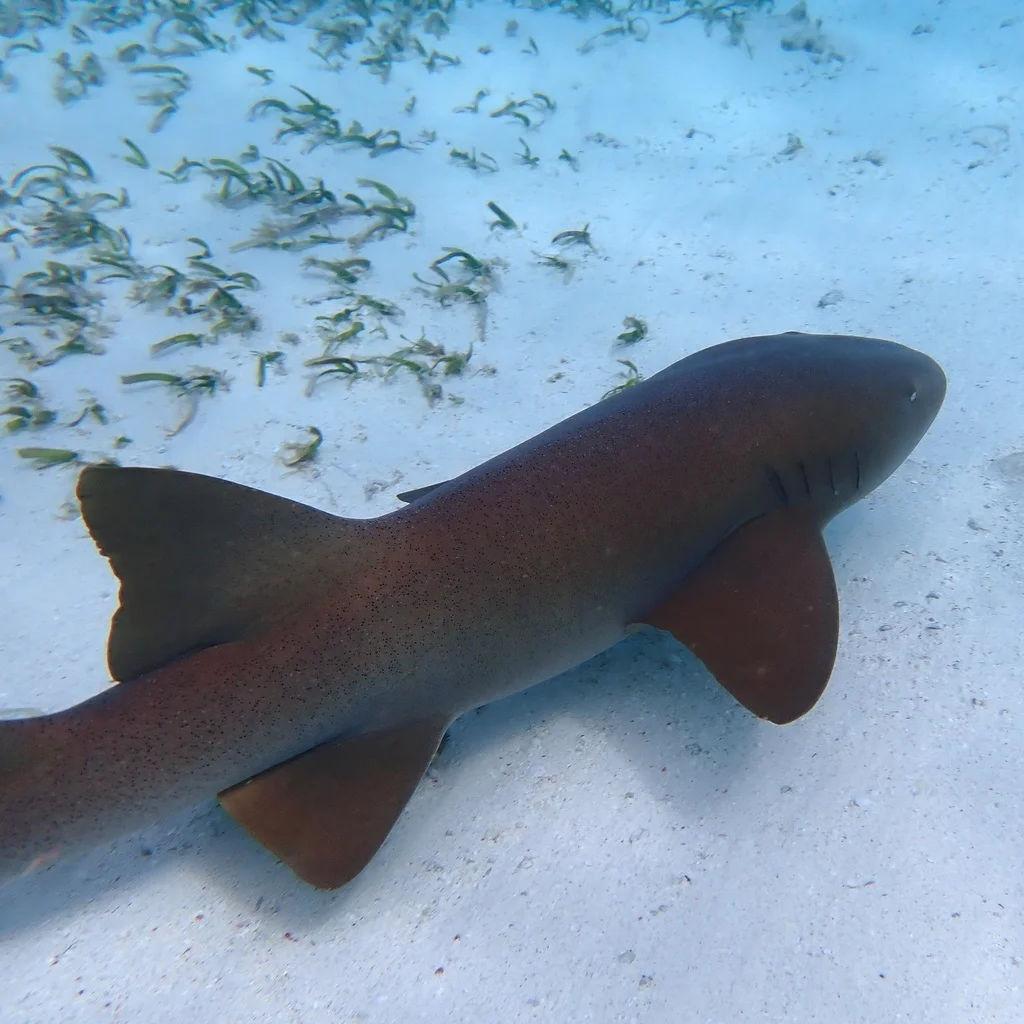
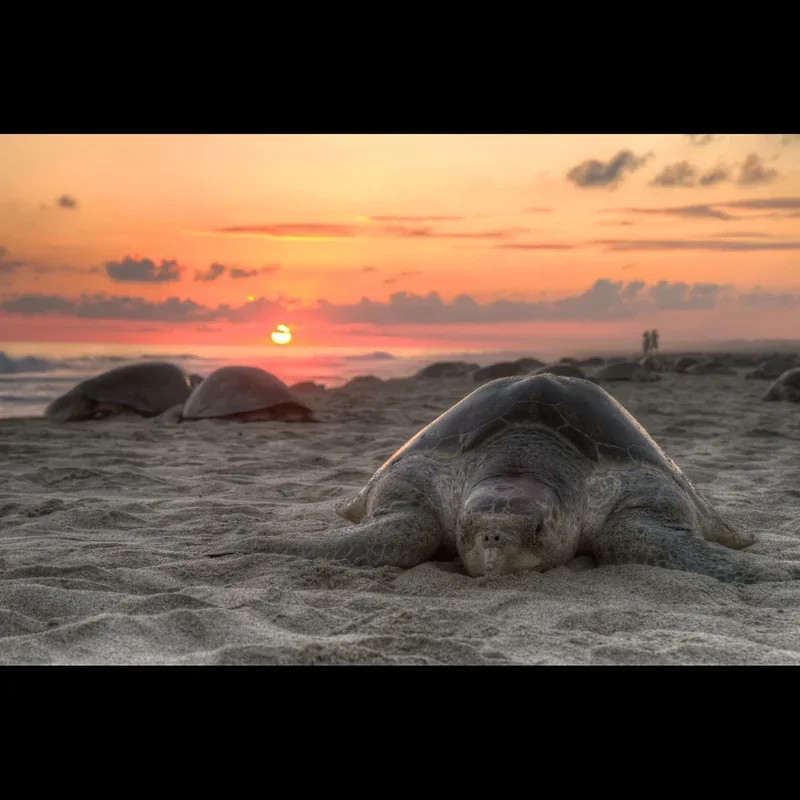
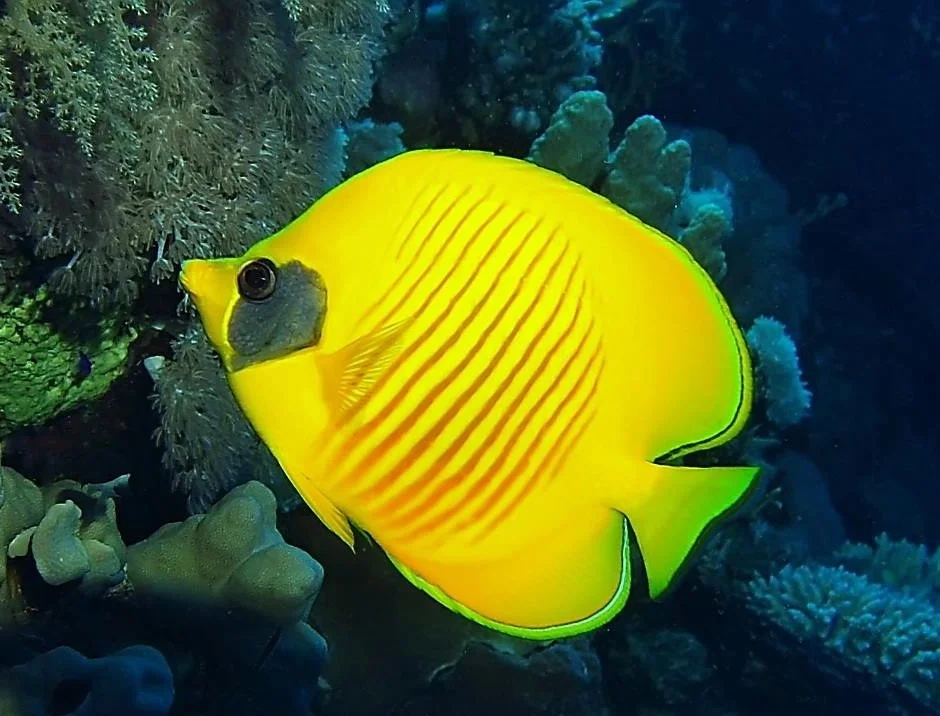
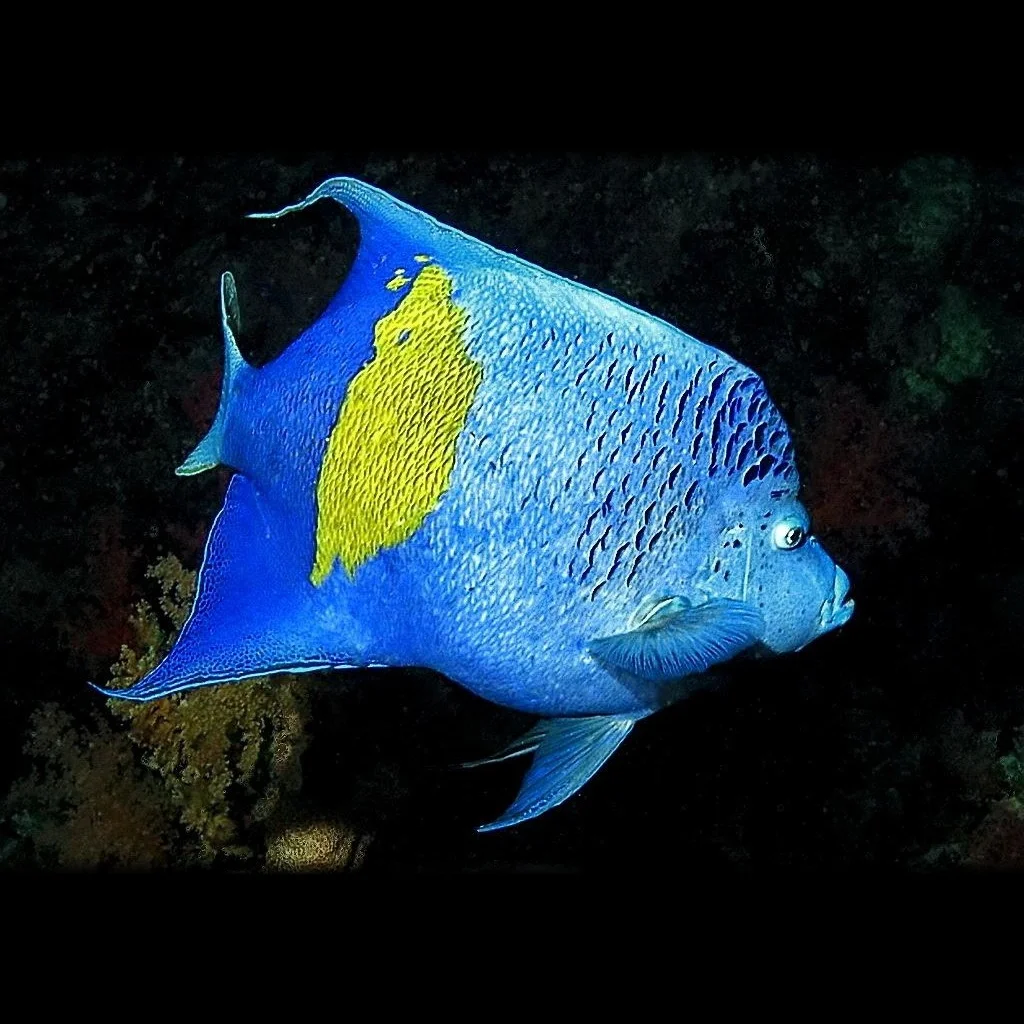
Divers can expect to observe angelfish and butterflyfish, often seen schooling around the artificial formations. Nurse sharks and sea turtles are also known to frequent similar artificial reef sites in the region.
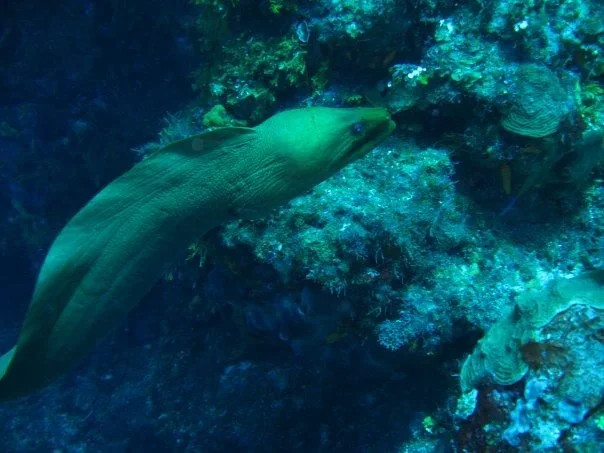
Other potential sightings include moray eels, black durgons, and queen triggerfish, which utilize the structures for shelter and foraging. The habitat encourages a diverse community of reef fish.
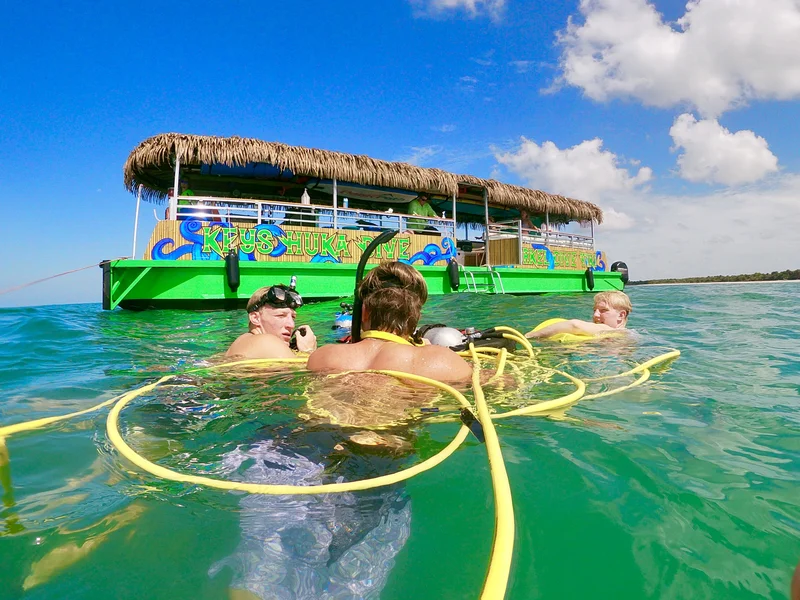
Dive Centers Near Charlotte's Reef-Rock (N2)
Today: 09:00 - 18:00
Nearest Airports
Nearest airports to help plan travel to this dive area.
Search Flights
Check available flights and routes on Expedia, using the nearby airports listed in this section.
Search Flights on ExpediaFrequently Asked Questions
What kind of dive site is Charlotte's Reef-Rock (N2)?
Charlotte's Reef-Rock (N2) is an artificial reef site in Charlotte County, United States. It was created using 81.4 tons of culverts, forming new habitats for marine life and providing dive opportunities.
What is the typical depth range at Charlotte's Reef-Rock (N2)?
While the specific depth for N2 is not consistently reported, similar artificial reefs in Charlotte County generally offer diving within a recreational depth range of 9-30 m (30-100 ft). Divers should plan for conditions within this range.
What marine life can I expect to see at Charlotte's Reef-Rock (N2)?
The artificial culvert structures attract various species. Common sightings include angelfish, butterflyfish, nurse sharks, and sea turtles. Divers might also encounter moray eels, black durgons, and queen triggerfish.
When is the best time to dive Charlotte's Reef-Rock (N2)?
The optimal diving season typically runs from May through October, with July often presenting excellent conditions due to lower wave heights and comfortable air temperatures averaging 29°C (84°F). Good diving conditions extend through much of the year.
Are there any specific safety guidelines for diving here?
Divers should maintain a safe distance of 90 m (300 ft) from dive flags and be aware of other boaters. Using reef-safe sunscreen is recommended, and divers should be vigilant for derelict fishing gear or invasive species.
What materials make up Charlotte's Reef-Rock (N2)?
Charlotte's Reef-Rock (N2) is composed of 81.4 tons of culverts. These materials were intentionally deployed as part of Charlotte County's artificial reef program to create new marine habitats.
Planning to dive Charlotte's Reef-Rock (N2)?
Send one inquiry and receive offers directly from the best verified local dive operators.
Conditions are Good
Optimal conditions expected
Current conditions near Charlotte's Reef-Rock (N2) show 28° air, 31° sea temperature, 0.3 m waves, and 25 km/h wind. Forecast data is refreshed regularly to ensure accuracy.