
Diving at Coker (#8) (Bay) (United States)
Encountering a diverse array of marine life defines the diving experience in the Key Largo area. Explorers of sites like Coker (#8) can expect to observe varied aquatic species across coral reefs and potential wreck structures. It's an environment where the underwater ecosystem frequently presents active scenes.
As evening covers Coker (#8) (Bay), the local air temperature is measured at 29°C. The current wave height at the surface is recorded at 0.5 m. These late-day readings characterize the surface conditions for the night.
Dive Site Location & Key Facts
Dive Site Overview
Exploring the waters around Coker (#8) offers divers a glimpse into the vibrant underwater ecosystems typical of the Upper Florida Keys. This region is well-known for its extensive coral reefs and a collection of artificial reefs and shipwrecks.
Depths generally range from 5.5 to 36.5 meters (18-120 ft), accommodating a broad spectrum of diving proficiencies. While specific details for Coker (#8) remain limited, the broader Key Largo area provides a rich array of dive opportunities, from shallower, brightly lit reef formations to more somber, deeper wreck sites.
Divers here frequently encounter varied topography, including distinct ledges, walls, and expansive sandy bottom areas that transition into coral structures. Pre-dive briefings are crucial, detailing specific dive plans that can encompass reef and wreck dives, exhilarating drift dives, and even night explorations, each tailored to different experience levels.
These diverse options facilitate rich underwater encounters, showcasing the significant biodiversity of the Florida Keys ecosystem. Expect a dynamic environment where localized currents can influence the experience, often bringing in pelagic visitors.
Many of these sites, including potential artificial structures at Coker, serve as critical habitats, sustaining complex food webs and providing consistent observations of both resident and transient marine species.
Conditions are Good
Optimal conditions expected
Current conditions near Coker (#8) (Bay) show 29° air, 31° sea temperature, 0.2 m waves, and 20 km/h wind. Forecast data is refreshed regularly to ensure accuracy.
Best Time to Dive
For optimal underwater clarity and comfortable diving conditions, the months from May through September present excellent opportunities. During this period, air temperatures are consistently warm, averaging 25.5-28.5°C (78-83°F), and wave heights tend to be lower, creating calmer seas. Rain levels are moderate, though August can see higher rainfall at 9.29 mm (0.37 inches). Diving conditions during these months generally receive 'Excellent' dive scores. However, good diving is available year-round, with 'Good' dive scores prevalent in other months. Wind speeds vary, but generally remain manageable, facilitating consistent boat access to various sites.
PEAK SEASON SCORE
Scores combine air & water temps, waves, wind & rainfall for overall conditions.
BEST MONTHS TO DIVE
Monthly records compiled from satellite and marine observation nodes over the last 3 years. Data provided by Open-Meteo and MET Norway.
Dive Experience & Conditions
Entering the water in the Key Largo bay area means preparing for conditions that can vary significantly based on proximity to the Gulf Stream and local topography. Depths in the general Key Largo region typically span a wide range, from very shallow (around 3 meters) to deeper recreational limits (up to 40 meters). Shallower reefs, such as those found around Elbow or Carysfort, often fall within 3-9 meters, offering a 10-30 ft zone ideal for newer divers. Deeper wrecks, like the USCG Duane, demand advanced certification due to average depths of 29 meters (95 ft) and potential strong currents. Visibility can be quite impressive, often reaching 30 meters (100 ft) on clearer days, especially closer to the Gulf Stream where the water column is refreshed. Currents, while sometimes significant at exposed wreck sites, are usually manageable at many reef locations, often described as mild to moderate. Divers should anticipate water temperatures ranging from 22-27°C (72-81°F), depending on the season and specific site, making suitable exposure protection a key consideration.
Dive Difficulty & Safety Guidelines
Navigating the dive sites in the Key Largo region requires awareness of prevailing currents and depth considerations, particularly around deeper wrecks. For sites like the USCG Duane or Bibb, which are closer to the Gulfstream, strong currents are a distinct possibility, making them suitable for advanced SCUBA divers with appropriate experience.
While some wrecks have intentionally left open rooms for exploration, penetration is not generally recommended due to potential entanglements and obstructions. Divers should always attend detailed dive briefings provided by DiveMasters en route to the sites.
Maintaining appropriate buoyancy and monitoring air consumption are critical for all dives, especially when encountering varying depths or currents. Always dive within your certification limits and follow local guidance to ensure a safe experience.
Recommended Equipment
- Dive Computer
This gear list is based on verified equipment signals for Coker (#8) (Bay), United States. Always confirm final gear choices with your dive operator, guide, or liveaboard.
Recommended Dive Suit
Dive skin or rash guard is often considered an appropriate level of exposure protection for conditions like these. Consider warmer surface protection (like a boat coat) due to brisk winds.
Divers entering the water at Coker (#8) (Bay) today can expect temperatures near 31°C (88°F) beneath the surface. Surface air temperatures are resting at 29°C (84°F).
Environmental conditions may feel slightly cooler as the week progresses. A significant temperature drop is forecast; strongly suggest bringing a backup warmer suit option. Having a second exposure option available is often a good precaution.
Due to technical issues with our weather providers, live updates are temporarily delayed. The data above reflects the conditions at the time of the last successful fetch.
Emergency & Medical Support
Essential information to help you plan your dive trip to Coker (#8) (Bay).

Hyperbaric chambers are a critical part of dive safety infrastructure. Availability varies significantly by region, and not all dive areas have immediate access.
Before diving, it's recommended to:
- confirm nearest medical facilities
- check emergency procedures with local dive operators
- ensure dive insurance covers evacuation if required
Divers Alert Network
Diving emergency assistance available through DAN World.
+1-919-684-9111- 24/7 emergency hotline
- Diving medical assistance
- Evacuation coordination
Emergency contacts are provided for reference. Always verify local emergency services before diving.
Marine Life at Coker (#8) (Bay)
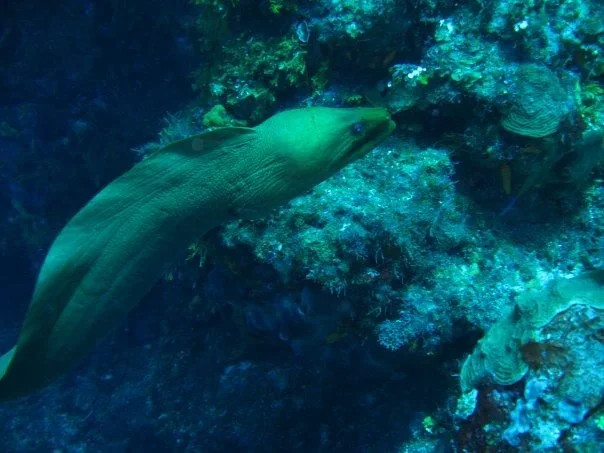
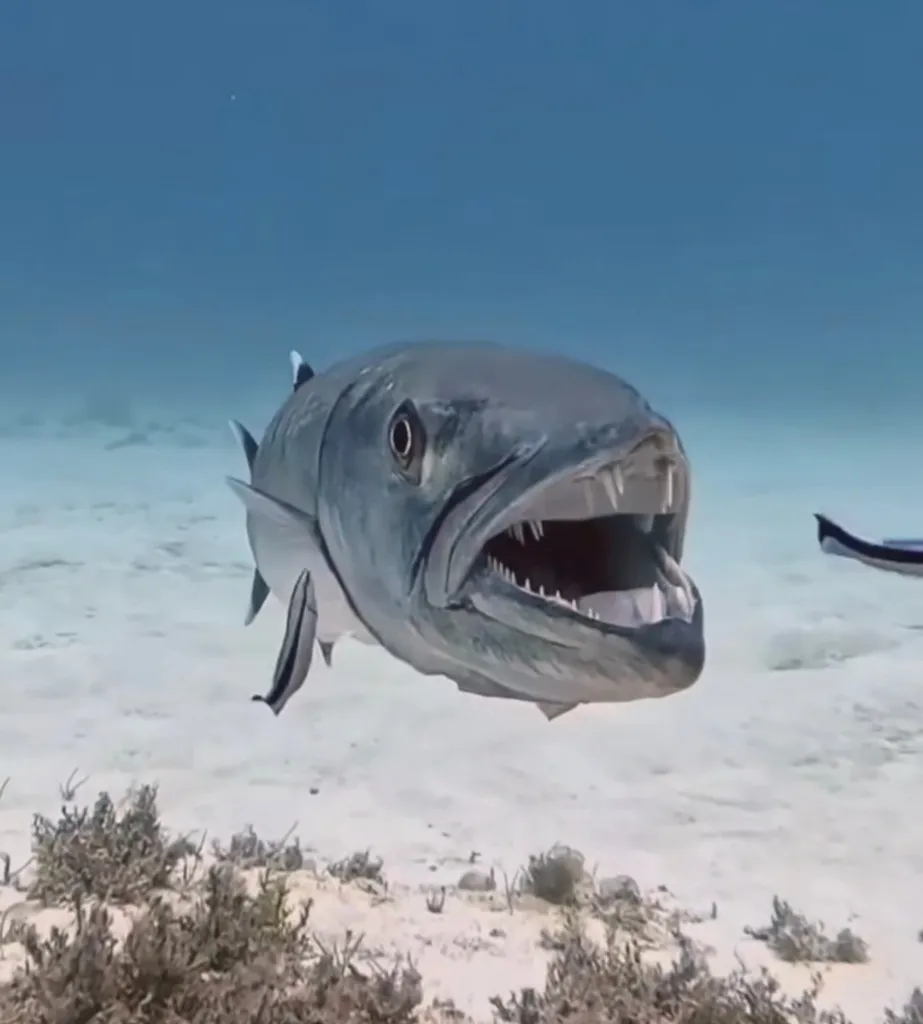
Upon descending into the reefs and wrecks of the Key Largo region, divers often first notice the abundance of schooling tropicals. Black grouper, barracuda, and various morays are frequently spotted among the coral formations and within the shelter of sunken vessels.
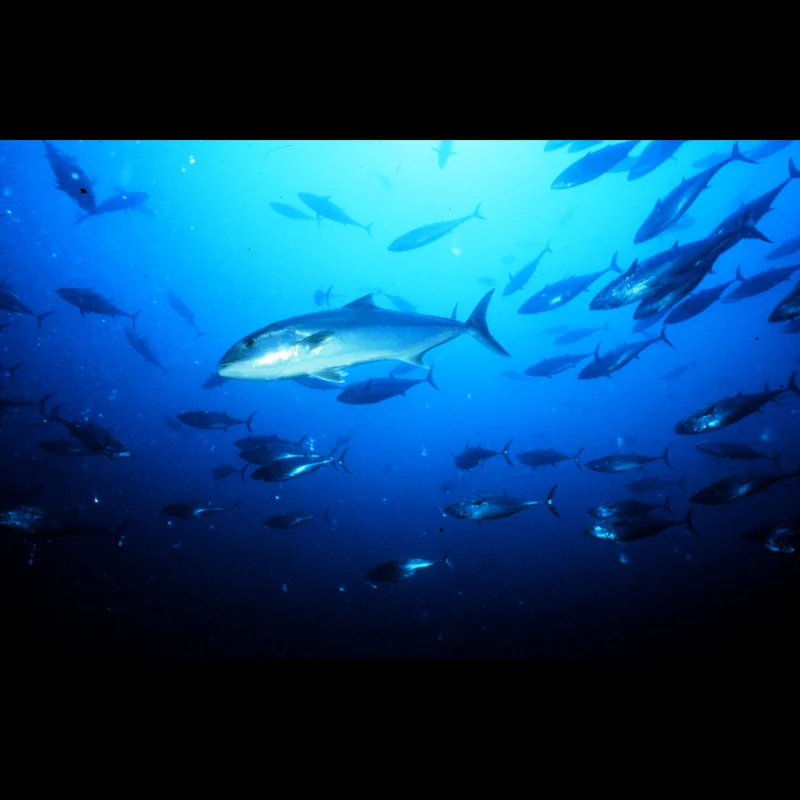
Large fish like Amberjack and Cobia can be seen patrolling deeper wrecks like the Duane. In the sandy patches surrounding these structures, it's common to observe different species of sharks and rays.
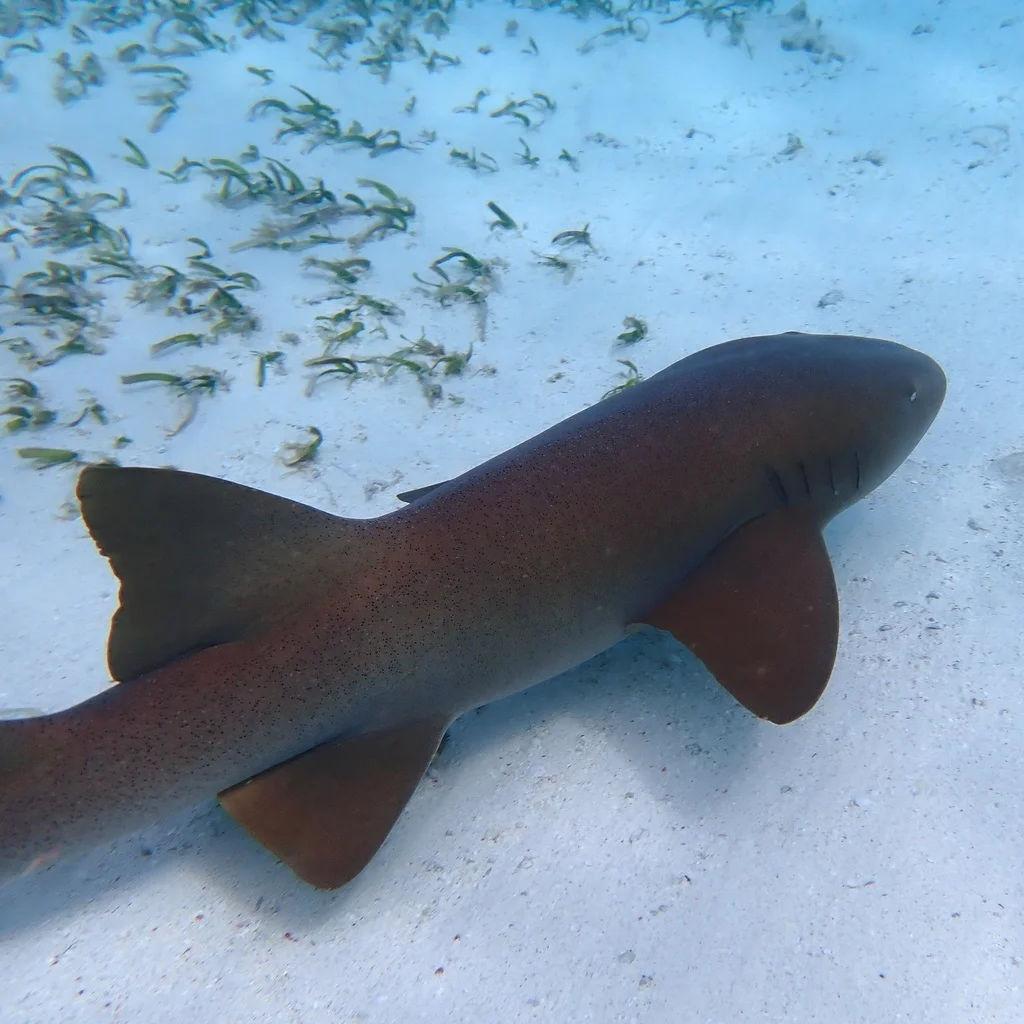
Nurse sharks, often acclimated to diver presence in certain areas, provide opportunities for closer observation, while Goliath Grouper are also routinely sighted on deeper sites.

Dive Centers Near Coker (#8) (Bay)
Today: 09:00 - 18:00
Nearest Airports
Nearest airports to help plan travel to this dive area.
Search Flights
Check available flights and routes on Expedia, using the nearby airports listed in this section.
Search Flights on Expedia
Plan Your Stay
Looking for a place to stay for your dive trip? Explore hotels, stays, and vacation rentals for dive groups near South Sarasota.
Dive Navigator may earn a commission from these links at no extra cost to you.
Frequently Asked Questions
What are the typical dive depths in the Key Largo area?
Dive depths in the Key Largo area generally range from very shallow reef sections to the maximum recreational limits for deeper wrecks like the USCG Duane. Many popular reef sites are in the 4.5-15 meter (15-50 ft) range.
What kind of marine life might I encounter?
Divers can expect to see a variety of marine life including black grouper, barracuda, morays, and numerous tropical fish. Encounters with nurse sharks, amberjack, cobia, and different types of sharks and rays are also common.
What are the typical water conditions, especially regarding currents and visibility?
Water conditions vary; sites closer to the Gulfstream can have strong currents but often boast excellent visibility, sometimes up to 30 meters (100 ft). Other reef sites may experience milder currents, with good general visibility across the area.
What dive certification is recommended for this area?
For shallower reef dives, Open Water Diver certification is usually sufficient. However, for deeper wrecks and more exposed sites with stronger currents, Advanced Open Water Diver or higher certification is recommended.
Is dive gear rental available in Key Largo?
Yes, full-service dive centers in Key Largo offer a complete range of rental equipment, including BCDs, regulators, masks, fins, snorkels, wetsuits, tanks, and weights.
Are there many wreck diving opportunities near Coker (#8)?
The Key Largo area, which includes sites like Coker (#8), is known for its extensive collection of artificial reefs and centuries-old shipwrecks. Notable wrecks like the City of Washington, USCG Duane, and Bibb are accessible, though specific proximity to Coker (#8) varies.
Planning to dive Coker (#8) (Bay)?
Send one inquiry and receive offers directly from the best verified local dive operators.
Conditions are Good
Optimal conditions expected
Current conditions near Coker (#8) (Bay) show 29° air, 31° sea temperature, 0.2 m waves, and 20 km/h wind. Forecast data is refreshed regularly to ensure accuracy.