
Diving at Continent (United States)
Diving conditions across the Continental USA vary significantly, reflecting its vast geographic range. Expect colder, often surge-affected waters in the Pacific Northwest and northern California, where drysuits are generally preferred. In contrast, Florida's more temperate Atlantic and Gulf coasts typically feature warmer water, often making a 5mm wetsuit sufficient. These diverse environments dictate different approaches to equipment and dive planning, from kelp forests to historic wreck sites.
Tonight's objective overview for Continent shows an air temperature of 24°C. The measured surface conditions include wave heights around 0.6 m. This environmental data is logged for the close of the day.
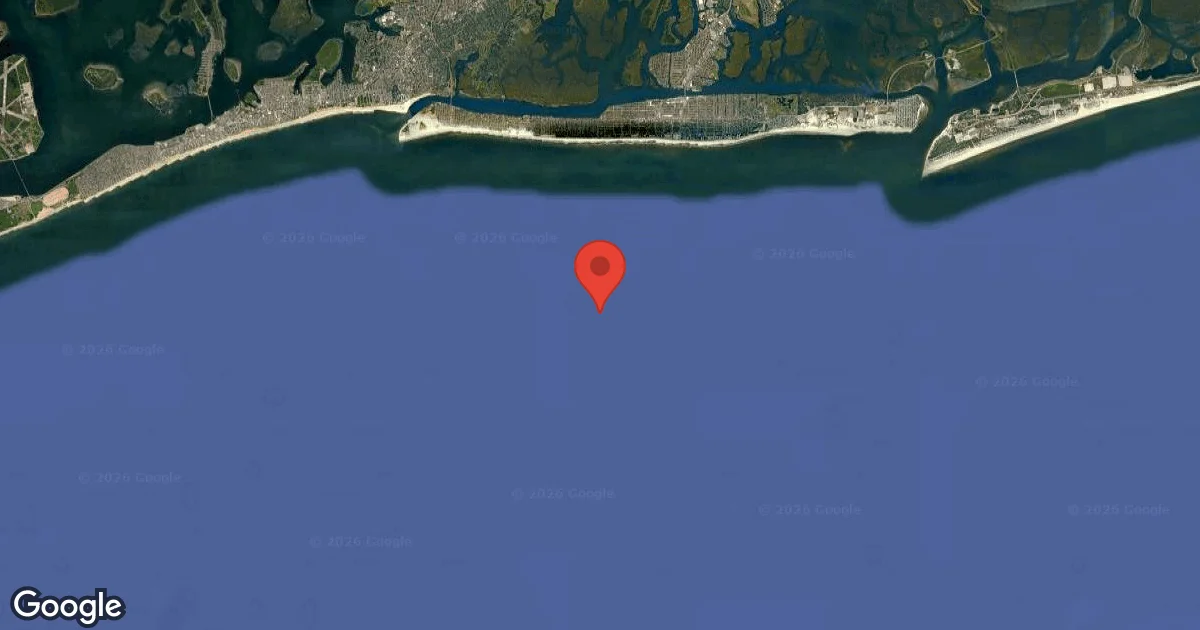
Dive Site Location & Key Facts
Dive Site Overview
The Continental USA offers a spectrum of dive experiences, setting it apart with its distinct regional underwater environments. From the Pacific's rugged coasts to the Atlantic's historic wrecks and the Gulf's emergent reefs, divers encounter dramatically different ecosystems.
Florida stands as a primary entry point for many American divers, featuring intentionally sunk wrecks like the USS Vandenberg and USS Spiegel Grove, alongside shallower reefs that often require only a 5mm wetsuit. Out west, California's diving is bifurcated by Pt. Conception; north of this point, waters can drop to 10°C (50°F) below the thermocline, offering visibility from 3-18m (10-60 ft) in areas like Puget Sound.
South of Pt. Conception, summer surface temperatures may reach 22°C (70°F), with visibility often extending to 6-30m (20-100 ft) around the Channel Islands, where abundant kelp forests thrive.
Texas also holds healthy coral reefs, adding another dimension to Gulf diving. This wide array means a diver might explore WWII wrecks off North Carolina one week and then find themselves amidst dense kelp in California the next.
Conditions are Good
Optimal conditions expected
Current conditions near Continent show 24° air, 23° sea temperature, 1.0 m waves, and 33 km/h wind. Forecast data is refreshed regularly to ensure accuracy.
Best Time to Dive
Planning a dive in the Continental USA often means aligning your trip with regional seasonal advantages for optimal conditions. For Florida's reefs and wrecks, the summer months, roughly May to September, are generally preferred. During this period, seas are typically calm, barring hurricane activity, and water temperatures range between 27-33°C (83-87°F). This warmer period coincides with milder overall climate conditions, with air temperatures in July averaging 23.5°C and rainfall at 2.84mm. Conversely, California diving typically shines in late summer or early fall. This timing is critical, as plankton blooms often subside, and winter storms have yet to begin impacting visibility and sea state. Air temperatures during these months are quite pleasant; for instance, September averages 20.5°C, with varying but manageable wave heights. While water temperature data for many continental US locations isn't consistently reported across all seasons, these windows generally offer the most stable and enjoyable diving, balancing comfort with underwater clarity.
PEAK SEASON SCORE
Scores combine air & water temps, waves, wind & rainfall for overall conditions.
BEST MONTHS TO DIVE
Monthly records compiled from satellite and marine observation nodes over the last 3 years. Data provided by Open-Meteo and MET Norway.
Dive Experience & Conditions
Understanding the current dynamics is crucial when diving the Continental USA. California's coastal waters frequently present a thermocline, often around 10°C (50°F) below the surface layer, even when surface temperatures are warmer, sometimes reaching 22°C (70°F) in summer south of Pt. Conception. Visibility can vary widely, from shallower sections around 3m (10 ft) in northern California to deeper sections extending to 30m (100 ft) in southern areas, and may be influenced by plankton blooms that typically clear in late summer. Shore diving in the northern regions often requires careful surf entry and exit, posing a specific challenge. Florida, in contrast, generally offers more consistent visibility on its reefs and wrecks, though a strong current can occasionally influence conditions, particularly on deeper offshore sites. Water clarity in the Florida Keys has shown signs of recovery from recent heated waters, but variability remains a factor. Divers should anticipate a range of experiences, from calm, warm drifts to challenging entries in cooler, surge-affected environments.
Dive Difficulty & Safety Guidelines
Approaching dive sites in the Continental USA with careful planning and awareness is a primary safety tip. California's waters, especially north of Monterey, warrant attention due to the infrequent but present risk of great white shark encounters, with surfers and free divers being most at risk, followed by scuba divers.
For shore entries in northern California, proper training in surf conditions is essential; attempting to enter or exit without skill has led to incidents. Florida presents its own considerations, particularly regarding its extensive cave systems where fatalities have occurred, emphasizing the need for specialized cavern or cave diving certifications.
Boating traffic can also pose a hazard, especially in popular areas like the Florida Keys, making surface markers and vigilant awareness important. Always dive within your training limits and consider local guidance for specific site conditions.
Recommended Equipment
- Dive Computer
This gear list is based on verified equipment signals for Continent, United States. Always confirm final gear choices with your dive operator, guide, or liveaboard.
Recommended Dive Suit
According to recent observations, water temperatures near Continent are approximately 23°C (74°F). Surface air temperatures are resting at 24°C (75°F).
A modest cooling trend is expected in the upcoming forecast. Cooler days are ahead; you might want a warmer option for later in the week. A neoprene vest or hood can add flexibility if temperatures feel cooler underwater.
Divers who prefer moderate insulation typically choose 3-5mm wetsuit in similar environments. Consider warmer surface protection (like a boat coat) due to brisk winds. Many experienced divers adjust their exposure protection depending on the type of dive planned. Stronger winds may also make surface intervals feel cooler than usual. Divers planning trips later in the week may want to consider bringing a slightly warmer suit.
Emergency & Medical Support
Essential information to help you plan your dive trip to Continent.

Hyperbaric chambers are a critical part of dive safety infrastructure. Availability varies significantly by region, and not all dive areas have immediate access.
Before diving, it's recommended to:
- confirm nearest medical facilities
- check emergency procedures with local dive operators
- ensure dive insurance covers evacuation if required
Divers Alert Network
Diving emergency assistance available through DAN World.
+1-919-684-9111- 24/7 emergency hotline
- Diving medical assistance
- Evacuation coordination
Emergency contacts are provided for reference. Always verify local emergency services before diving.
Marine Life at Continent
Marine life encounters across the Continental USA are as varied as its underwater topography. In California, particularly around the Channel Islands, divers will observe beautiful kelp forests supporting good fish life, with animals and plants in the southern region resembling those found in northern Mexico.
Manatees are a focal point in Florida, often seen in areas like Crystal River, though their protection has become a significant concern. Goliath Groupers also inhabit Florida waters, facing ongoing conservation battles.
Texas coral reefs are reported among the healthiest in the world, hinting at diverse inhabitants in the Gulf. Encounters with larger species like great white sharks are possible in certain California areas, though they are less frequent for scuba divers.

Dive Sites Near Continent
View all dive sites in United StatesDiscover more underwater gems in this area.
Dive Centers Near Continent
Today: 08:00 - 18:00
Nearest Airports
Nearest airports to help plan travel to this dive area.
Search Flights
Check available flights and routes on Expedia, using the nearby airports listed in this section.
Search Flights on Expedia
Plan Your Stay
Looking for a place to stay for your dive trip? Explore hotels, stays, and vacation rentals for dive groups near Sea Bright.
Dive Navigator may earn a commission from these links at no extra cost to you.
Frequently Asked Questions
What are the main regional differences in diving in the Continental USA?
California offers cold water kelp forests and wrecks, with significant temperature and visibility shifts north and south of Pt. Conception. Florida is characterized by warmer waters, numerous artificial reefs and wrecks, and shallow natural reefs.
What kind of exposure protection is needed for diving in California?
Due to colder water, especially below the thermocline, a 7mm wetsuit with a hood or a drysuit is generally needed everywhere in California, regardless of the season.
Are there specific hazards to be aware of in Florida diving?
Florida has extensive cave systems which require specialized training due to past fatalities. Additionally, boating traffic, particularly in popular areas like the Florida Keys, can be a hazard, necessitating surface awareness.
When is the best time to dive in Florida?
The best time to dive Florida's reefs and wrecks is during the summer months, from May to September. Seas are typically calmer, and water temperatures are warmer, usually ranging from 27-33°C (83-87°F).
Is it possible to see sharks while diving in the Continental USA?
Yes, in California, particularly north of Monterey, there's a reported great white shark attack annually, though surfers are more at risk than scuba divers. Other shark species may be seen in various regions.
What's the typical visibility in California's waters?
Visibility varies greatly in California. North of Pt. Conception, it ranges from about 3m (10 ft) to 18m (60 ft), while south of Pt. Conception, it can be 6m (20 ft) to 30m (100 ft), especially in late summer or early fall after plankton blooms subside.
Are there any liveaboard options in the Continental USA?
Yes, liveaboard options exist, such as the MV Fling in the Gulf for multi-day trips. These provide access to offshore sites and deeper diving opportunities beyond typical day boat ranges.
Planning to dive Continent?
Send one inquiry and receive offers directly from the best verified local dive operators.
Conditions are Good
Optimal conditions expected
Current conditions near Continent show 24° air, 23° sea temperature, 1.0 m waves, and 33 km/h wind. Forecast data is refreshed regularly to ensure accuracy.