
Diving at Iberia Wreck (United States)
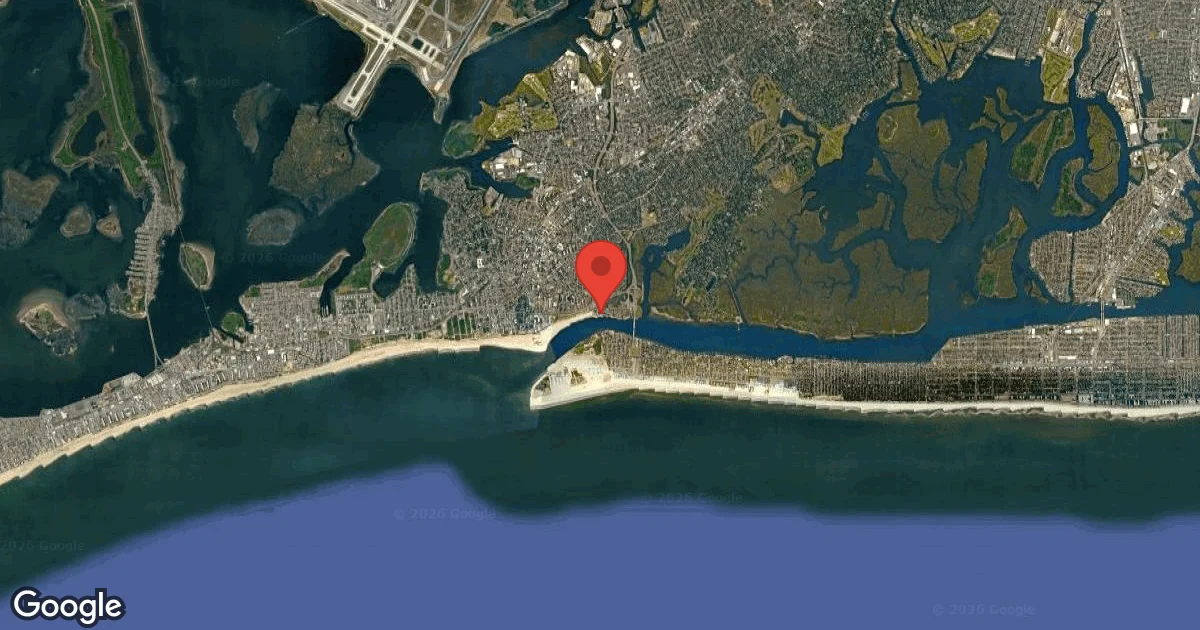
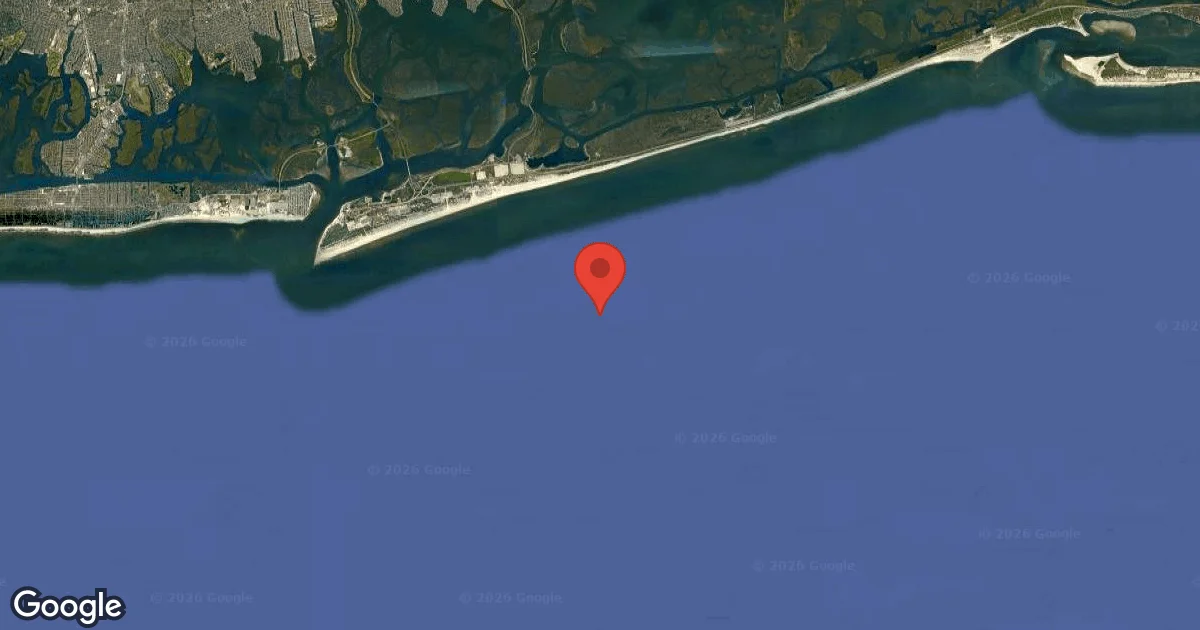
Descending to a maximum depth of 18 meters / 60 feet, the Iberia Wreck rests on an even keel southwest of Long Beach, New York. Situated within the prominent "Wreck Valley," it's an area recognized by local divers for its concentrated collection of shipwrecks. A distinct stern section and rudder of the Iberia also lie separately, some distance from the main hull.
As evening covers Iberia Wreck, the local air temperature is measured at 22.5°C. The current wave height at the surface is recorded at 0.6 m. These late-day readings characterize the surface conditions for the night.
Dive Site Location & Key Facts
Dive Site Overview
A cargo ship originally sunk following a collision and bulkhead collapse in November 1888, the Iberia offers an intriguing wreck dive experience. Its main section now lies upright on the seabed at 18 meters / 60 feet.
Over nearly 130 years, natural currents, salvage operations, and souvenir hunting have deteriorated the iron hull. Despite this, some significant features remain intact. Divers can observe a single engine and twin boilers, representing the tallest structures on the wreck.
A propeller shaft and steel propeller are also still in position. A broken keel angles the bow to starboard, oriented away from the engine and boiler area.
A mast lies alongside the starboard side on the seafloor. In 2011, Aqua Explorers Inc. discovered the stern, now a separate dive site, found resting on its starboard side in relatively good condition, with its telemotor of the helm still attached.
Conditions are Good
Optimal conditions expected
Current conditions near Iberia Wreck show 22° air, 23° sea temperature, 0.9 m waves, and 31 km/h wind. Forecast data is refreshed regularly to ensure accuracy.
Best Time to Dive
Planning a dive to the Iberia Wreck is most favorable during the warmer months, specifically June and July, when conditions tend to be more stable and inviting. During this early summer period, divers can expect average air temperatures ranging from approximately 19°C / 66°F to 23°C / 73°F, often accompanied by relatively low average rainfall. While these months generally yield good dive scores, it's important to remember that local marine conditions can fluctuate. Outside of peak summer, other months typically present moderate dive scores, largely due to more variable air temperatures and increased wave action, which can affect overall comfort and diveability. Water temperature and visibility at the site are not consistently reported and often vary significantly, impacting the overall dive experience regardless of the season. Always check local forecasts closer to your planned dive.
PEAK SEASON SCORE
Scores combine air & water temps, waves, wind & rainfall for overall conditions.
BEST MONTHS TO DIVE
Monthly records compiled from satellite and marine observation nodes over the last 3 years. Data provided by Open-Meteo and MET Norway.
Dive Experience & Conditions
Accessing the Iberia Wreck typically involves a boat entry, with vessels positioning divers directly above the main site. Resting on the seabed at around 18 meters, the wreck offers a straightforward descent profile. Divers should anticipate variable underwater conditions; visibility and water temperature are not fixed parameters, and significant fluctuations are common, influencing the overall dive experience. Changing environmental factors contribute to classifying this site as intermediate to advanced, demanding competent diving skills. Beyond exploring the wreckage, the Iberia Wreck attracts local divers interested in souvenir hunting or seasonal lobster fishing, adding an additional layer of engagement to the underwater exploration.
Dive Difficulty & Safety Guidelines
Diving the Iberia Wreck requires an understanding of its variable conditions, which include inconsistent visibility and fluctuating water temperatures. As an intermediate to advanced site, proper training and experience in wreck diving are advisable. An iron hull has been subjected to significant decay, salvage efforts, and natural currents over many years.
While the engine and boilers remain largely intact, divers should approach the structure with awareness of its age and compromised integrity. Always dive within your certification limits and consider the site's dynamic environment.
Recommended Equipment
Overhead / entanglement risk. Wreck penetration requires proper training.
- Dive Computer
- DSMB
- Primary & Backup Lights
- Wreck Reel
- Cutting Tool
This gear list is based on verified equipment signals for Iberia Wreck, United States. Always confirm final gear choices with your dive operator, guide, or liveaboard.
Recommended Dive Suit
Thermal protection such as 3-5mm wetsuit is commonly used for water temperatures in this range. Consider warmer surface protection (like a boat coat) due to brisk winds. Surface intervals may feel cooler.
Divers entering the water at Iberia Wreck today can expect temperatures near 23°C (74°F) beneath the surface. Surface air temperatures are resting at 22°C (72°F).
Environmental conditions may feel slightly cooler as the week progresses. Cooler days are ahead; you might want a warmer option for later in the week. Having a second exposure option available is often a good precaution.
Emergency & Medical Support
Essential information to help you plan your dive trip to Iberia Wreck.

Hyperbaric chambers are a critical part of dive safety infrastructure. Availability varies significantly by region, and not all dive areas have immediate access.
Before diving, it's recommended to:
- confirm nearest medical facilities
- check emergency procedures with local dive operators
- ensure dive insurance covers evacuation if required
Divers Alert Network
Diving emergency assistance available through DAN World.
+1-919-684-9111- 24/7 emergency hotline
- Diving medical assistance
- Evacuation coordination
Emergency contacts are provided for reference. Always verify local emergency services before diving.
Marine Life at Iberia Wreck
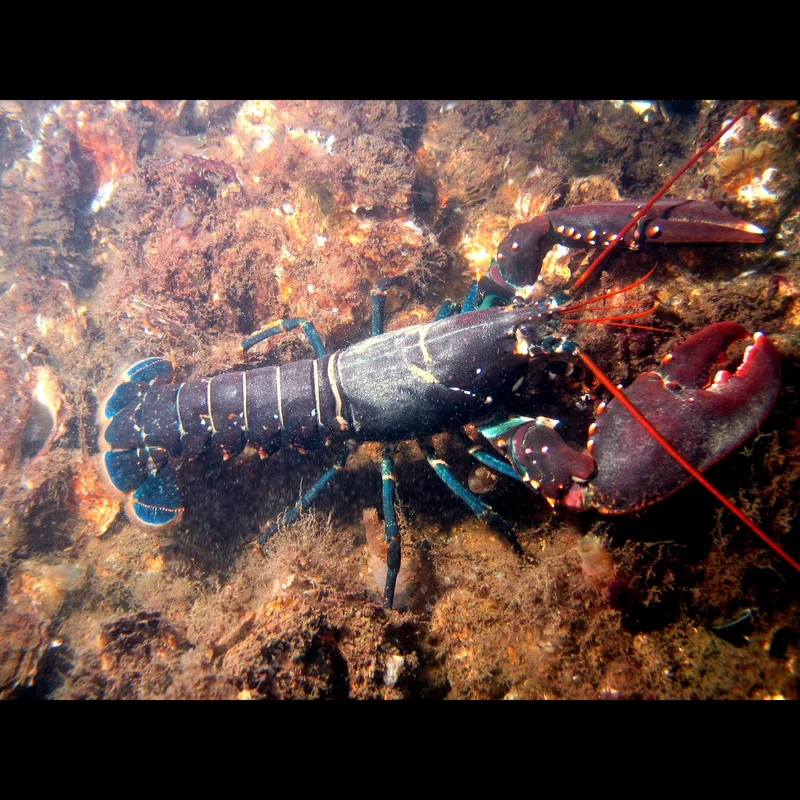
Serving as an artificial reef, the sunken Iberia Wreck provides essential habitat for various marine species. Divers frequently observe lobsters, often tucked into secure crevices within the hull, utilizing the structure for shelter and protection.
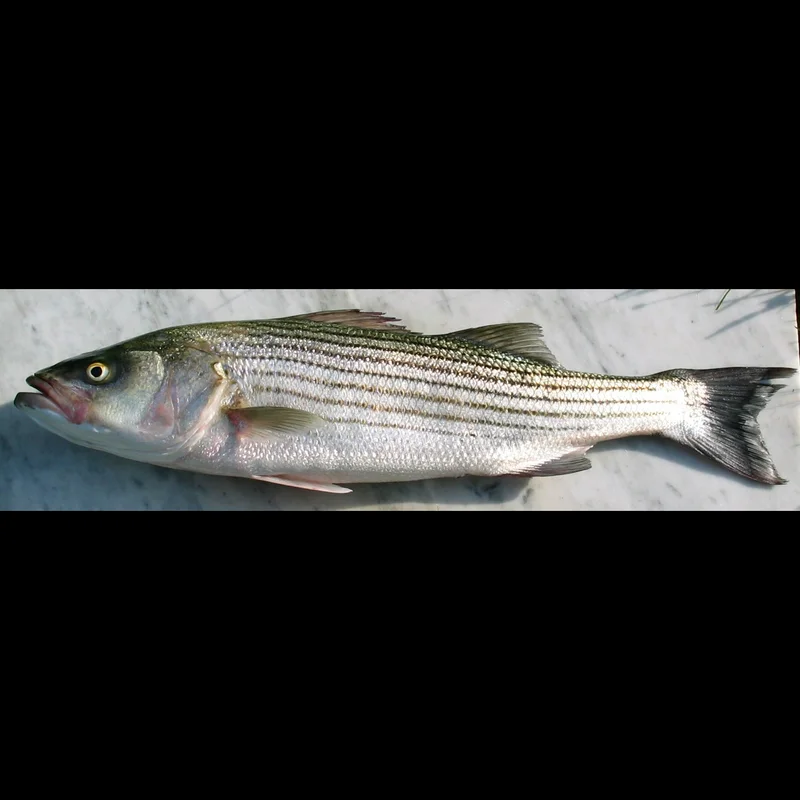
Bass are also a common sight, patrolling both the wreck's exterior and its more open interior spaces in search of food. Occasionally, oceanic blacktip sharks might be seen in the surrounding open waters, offering an exciting pelagic encounter to those lucky enough to spot them during their dive.
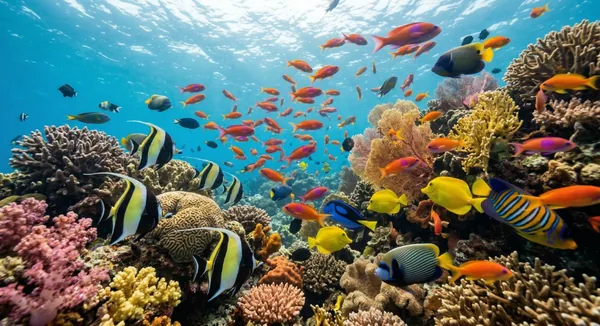
Dive Sites Near Iberia Wreck
View all dive sites in United StatesDiscover more underwater gems in this area.
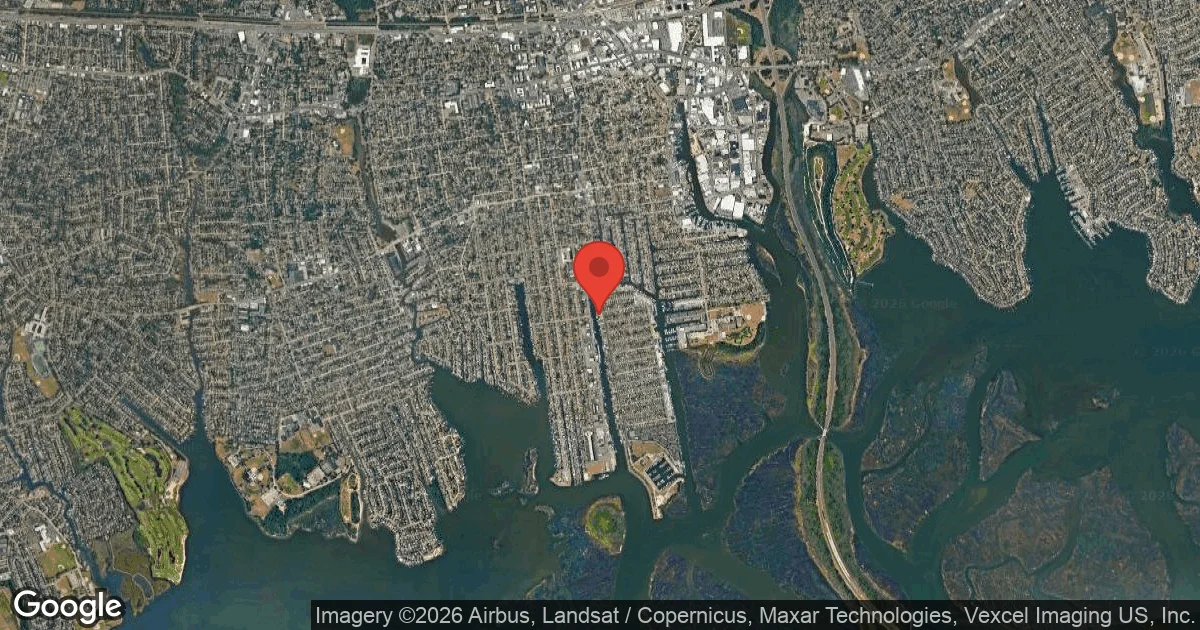
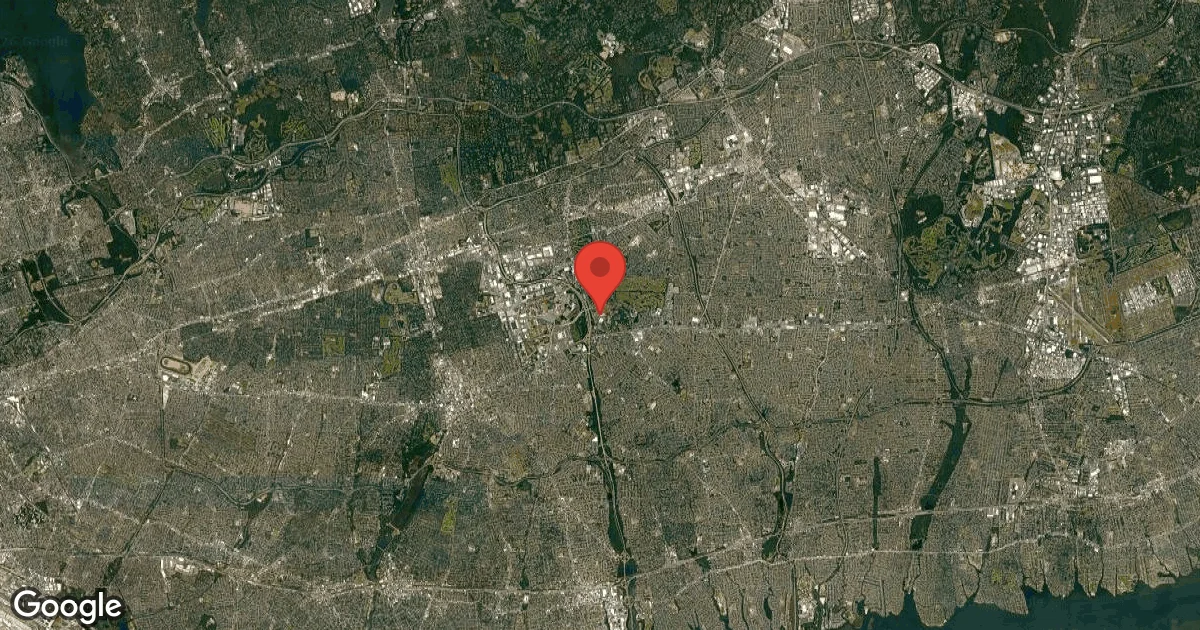
Dive Centers Near Iberia Wreck

Nearest Airports
Nearest airports to help plan travel to this dive area.
Search Flights
Check available flights and routes on Expedia, using the nearby airports listed in this section.
Search Flights on Expedia
Plan Your Stay
Looking for a place to stay for your dive trip? Explore hotels, stays, and vacation rentals for dive groups near Long Beach.
Dive Navigator may earn a commission from these links at no extra cost to you.
Frequently Asked Questions
What is the maximum depth of the Iberia Wreck?
Iberia Wreck's main section rests at a maximum depth of 18 meters. Its separate stern section also lies at a similar depth.
What kind of vessel was the Iberia?
A cargo ship, the Iberia sank in November 1888 after a collision and subsequent structural failure while awaiting a tow.
Is the Iberia Wreck suitable for beginner divers?
No, the Iberia Wreck is generally considered an intermediate to advanced dive site. This classification is due to variable visibility, fluctuating water temperatures, and the nature of wreck diving itself.
What are the most notable features still visible on the wreck?
Among the most prominent features still visible are the wreck's single engine and twin boilers, which stand as the tallest structures. Divers can also find the propeller shaft, steel propeller, and a mast lying alongside the hull.
When was the stern section of the Iberia discovered?
Discovered in 2011 by Aqua Explorers Inc., the separate stern section and rudder of the Iberia are located some distance from the main wreck.
What marine life might I encounter at the Iberia Wreck?
Divers often observe lobsters sheltering within the wreck's structure and bass swimming around the hull. Oceanic blacktip sharks are also occasionally sighted in the vicinity.
Planning to dive Iberia Wreck?
Send one inquiry and receive offers directly from the best verified local dive operators.
Conditions are Good
Optimal conditions expected
Current conditions near Iberia Wreck show 22° air, 23° sea temperature, 0.9 m waves, and 31 km/h wind. Forecast data is refreshed regularly to ensure accuracy.