
Diving at Coral Street (United States)
Feeling the cool Pacific air, divers prepare for a shore entry that leads directly into a diverse underwater landscape. The subtle scent of salt and kelp hangs in the air, a prelude to the vibrant, if sometimes challenging, environment below. A moderate surge often greets entrants, adding an immediate dynamic element to the experience. This site offers a direct connection to Monterey's marine environment, setting a clear expectation for a rugged, engaging dive.
Evening condition tracking at Coral Street features an air temperature of 12°C. We have recorded wave heights measuring 1.1 m during this period. These figures outline the environmental parameters currently present.
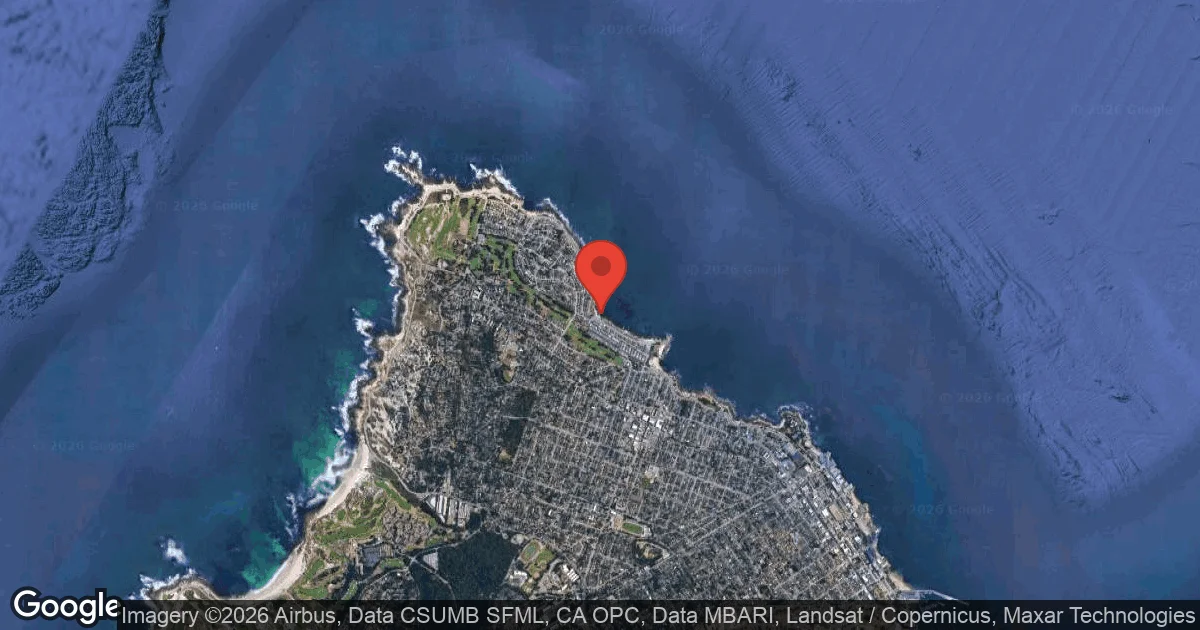
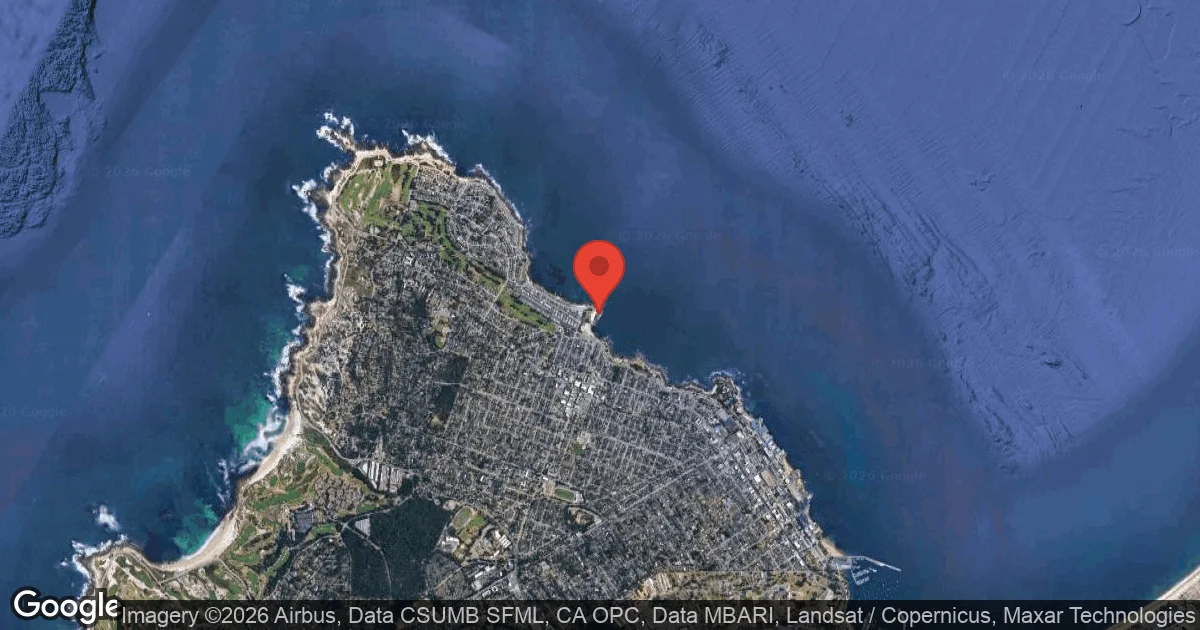
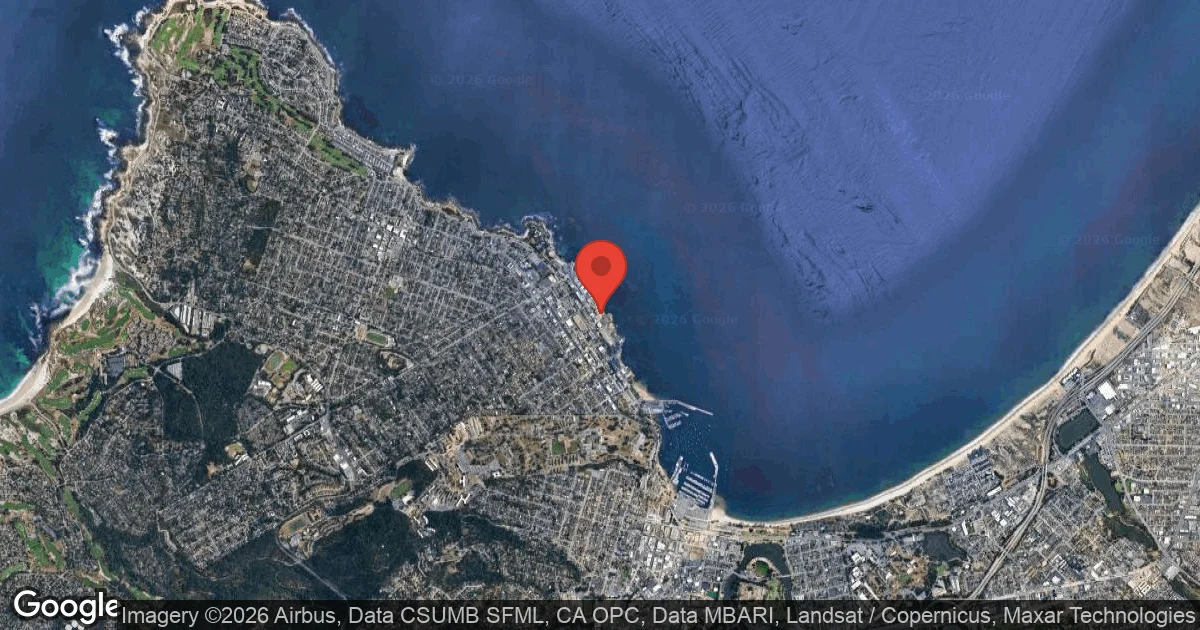
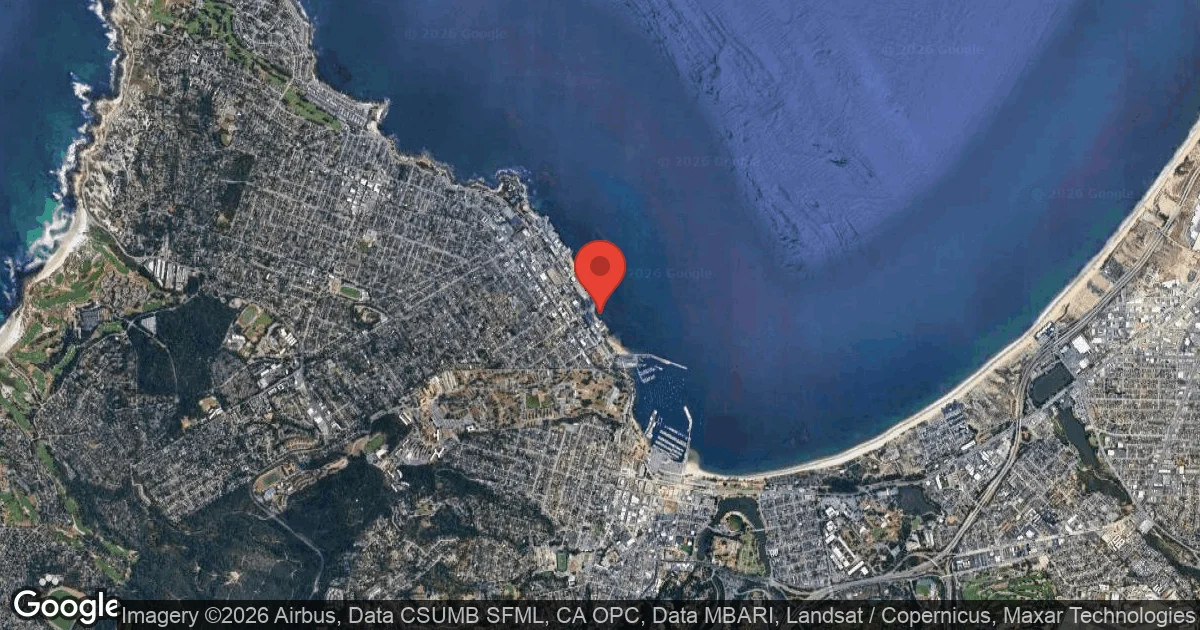
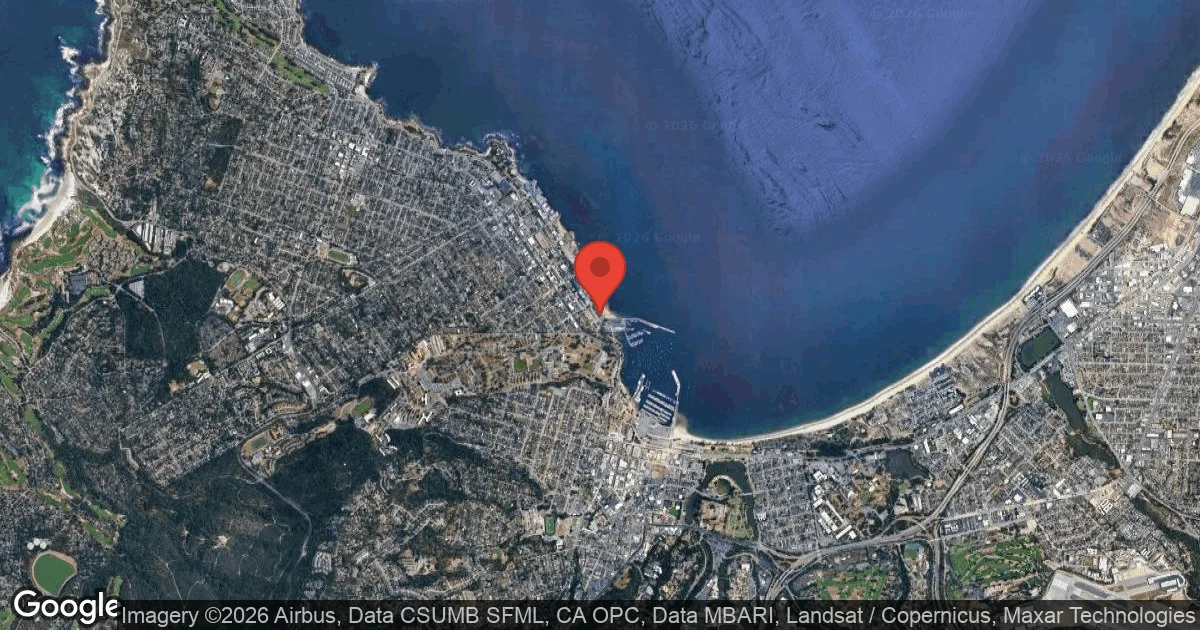
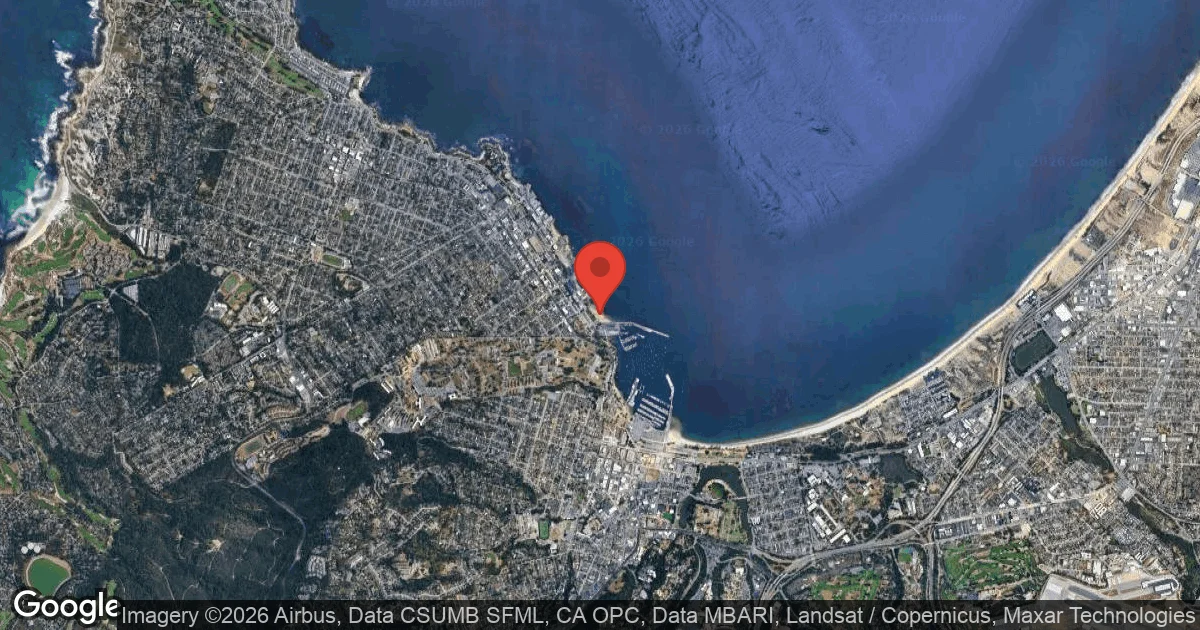
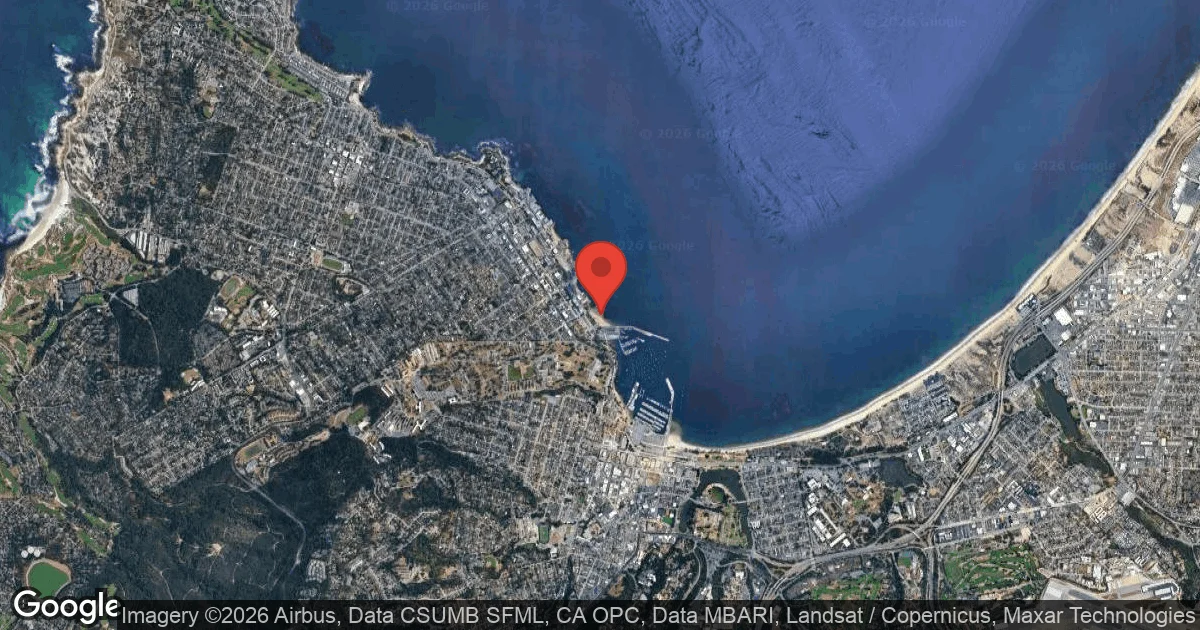
Dive Site Location & Key Facts
Dive Site Overview
Initially, Coral Street served as a straightforward access point to Monterey's coastal waters, appealing to divers seeking an uncomplicated shore entry. The site's primary draw has always been its accessibility and the immediate transition from beach to underwater terrain, characterized by a mix of rocky reefs and sandy bottoms.
Over time, the nearshore environment has seen shifts, notably the proliferation of urchin barrens in shallower sections, which contrasts with reports of more abundant kelp forests in prior years. While some parts within recreational depths typically ranging from 5 to 18 m (15 to 60 ft) are dominated by these urchin landscapes, the site remains a popular spot for its direct access to the Pacific Grove Marine Gardens State Marine Conservation Area. It provides varying conditions that cater to both newer divers and those looking for a quick, local immersion, with opportunities to explore different bottom types including occasional bull kelp patches and mussel shoals, especially when venturing further from the immediate entry point.
Conditions are Moderate
Optimal conditions expected
Current conditions near Coral Street show 12° air, 16° sea temperature, 1.7 m waves, and 34 km/h wind. Forecast data is refreshed regularly to ensure accuracy.
Best Time to Dive
Planning your dive during the months of May through October generally yields the most favorable conditions at Coral Street. During this period, the average air temperature is warmer, ranging from 12.5°C (54°F) in May up to 16°C (61°F) in September, creating a more comfortable surface interval. These months also frequently present lower wave heights, decreasing from 2.1 m (6.9 ft) in May to a more manageable 1.4 m (4.6 ft) in August, contributing to easier shore entries and exits. Rain is minimal, with July and August seeing less than 0.04 mm on average, ensuring clearer skies. While water temperatures remain cool, ranging from 14–18°C (57-64°F) in summer, the overall weather patterns are more conducive to a pleasant dive experience.
PEAK SEASON SCORE
Scores combine air & water temps, waves, wind & rainfall for overall conditions.
BEST MONTHS TO DIVE
Monthly records compiled from satellite and marine observation nodes over the last 3 years. Data provided by Open-Meteo and MET Norway.
Dive Experience & Conditions
Beginning your descent at Coral Street involves navigating a sandy beach entry, which transitions quickly to scattered rocks. Initial underwater visibility can vary, typically reported between 5 and 15 m (15 and 50 ft), influencing how easily the reef structure unfolds before you. Moving away from shore, divers encounter a landscape of rocky reefs and sandy sections, descending to depths between 5 and 15 m (15 and 50 ft) in the immediate vicinity. Currents here are generally mild, allowing for comfortable exploration. However, a moderate surge is a consistent factor, particularly closer to the surface and during stronger ocean swells. Water temperatures vary seasonally, with summer averages between 14–18°C (57-64°F) and winter averages dipping to 10–14°C (50-57°F). This requires appropriate thermal protection.
Dive Difficulty & Safety Guidelines
Diving at Coral Street requires a foundational understanding of shore entry techniques, as divers must navigate a sandy beach with rocks. While generally considered accessible, moderate surge is a recurring condition that demands attention, especially during entry and exit; practicing dynamic water entries can be beneficial. Dive planning should account for variable visibility, which can range from 5 to 15 m (15 to 50 ft), ensuring navigation plans are suitable.
Staying within the 18 m (60 ft) recreational limit is advised for most divers here. No permits are required, simplifying logistics, but a dive flag is always recommended for shore diving visibility.
For those considering an ambitious surface swim out to Aumentos Reef, be aware of the considerable distance and potential for stronger currents, which might be better suited for boat diving or highly experienced shore divers.
Recommended Equipment
- Dive Computer
This gear list is based on verified equipment signals for Coral Street, United States. Always confirm final gear choices with your dive operator, guide, or liveaboard.
Recommended Dive Suit
Experienced divers often bring flexible gear options.
Environmental readings suggest that the waters surrounding Coral Street are about 16°C (62°F) at the moment. Surface air temperatures are resting at 12°C (53°F). Divers who spend longer periods underwater often choose 5-7mm wetsuit. Strong cold advisory: dress warmly immediately after exiting the water.
A warming trend is expected over the next few days. A warming trend is expected over the next few days.
Emergency & Medical Support
Essential information to help you plan your dive trip to Coral Street.

Hyperbaric chambers are a critical part of dive safety infrastructure. Availability varies significantly by region, and not all dive areas have immediate access.
Before diving, it's recommended to:
- confirm nearest medical facilities
- check emergency procedures with local dive operators
- ensure dive insurance covers evacuation if required
Divers Alert Network
Diving emergency assistance available through DAN World.
+1-919-684-9111- 24/7 emergency hotline
- Diving medical assistance
- Evacuation coordination
Emergency contacts are provided for reference. Always verify local emergency services before diving.
Marine Life at Coral Street
Upon entering the waters of Coral Street, one immediately notices the prominent presence of purple urchins and sea cucumbers in the inshore shallows. This particular area, often described as an urchin barren, offers a different kind of ecological observation.
Occasional bull kelp stipes and mussel shoals break up the seafloor, providing pockets of diversity. Beyond the immediate shore, divers may encounter various species of fish navigating the rocky reefs and sandy patches.
Furthermore, the area around Point Pinos, which Coral Street is a part of, has a history of sightings of larger marine mammals; dolphins, porpoises, and even whales have been observed very close to shore, adding an element of grander wildlife potential for surface intervals or boat excursions further out.

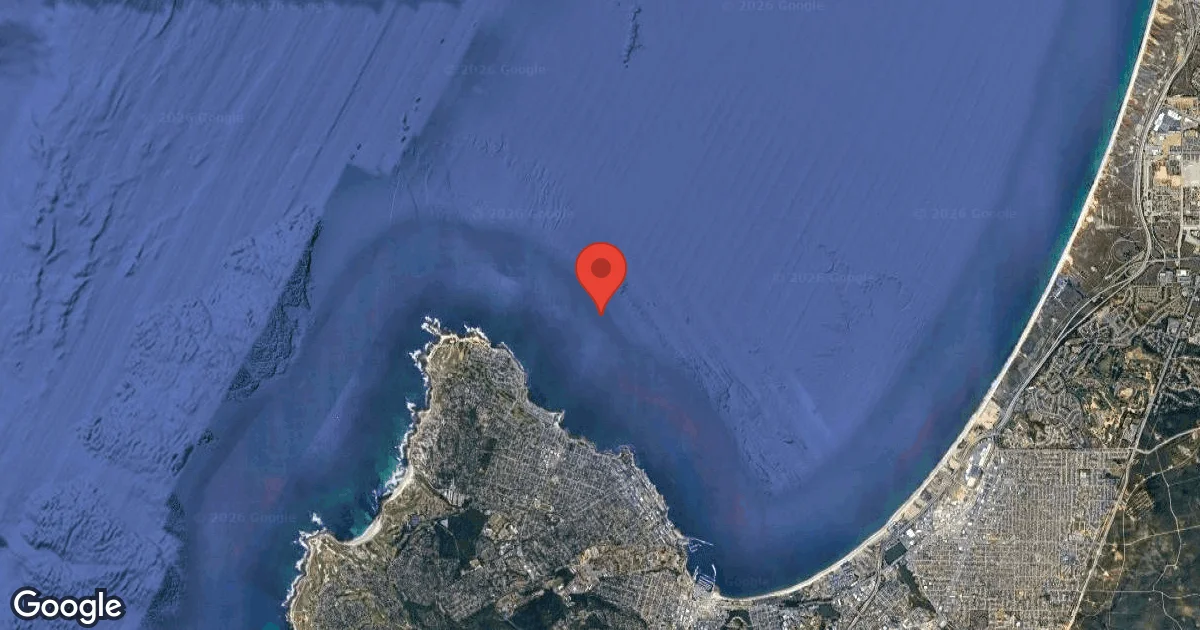
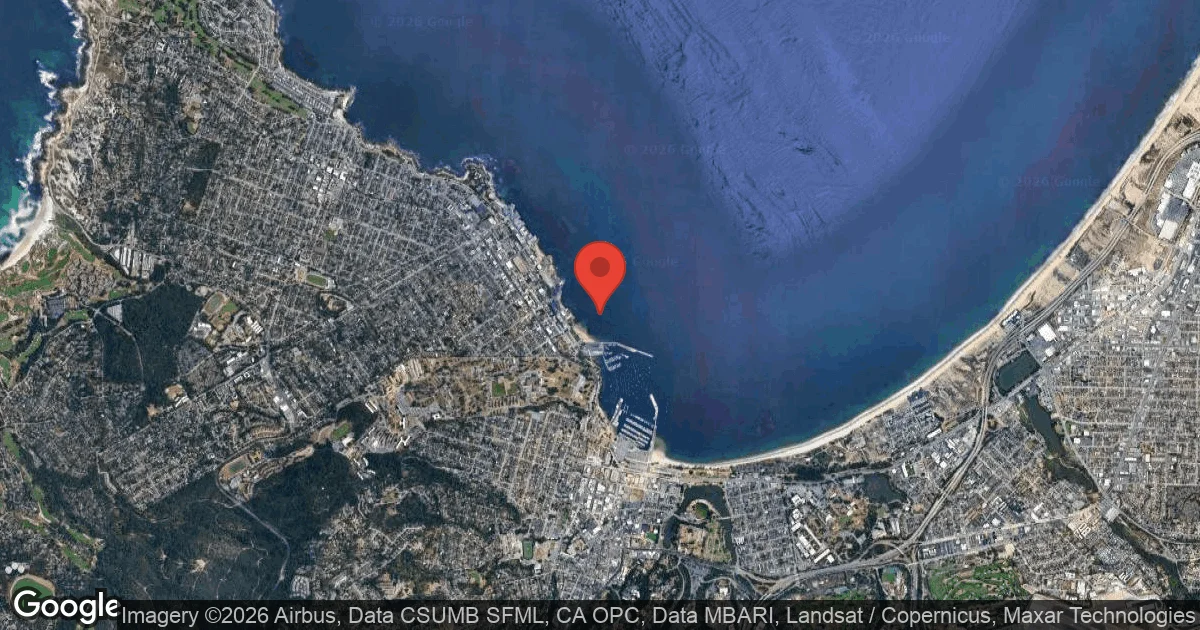
Dive Sites Near Coral Street
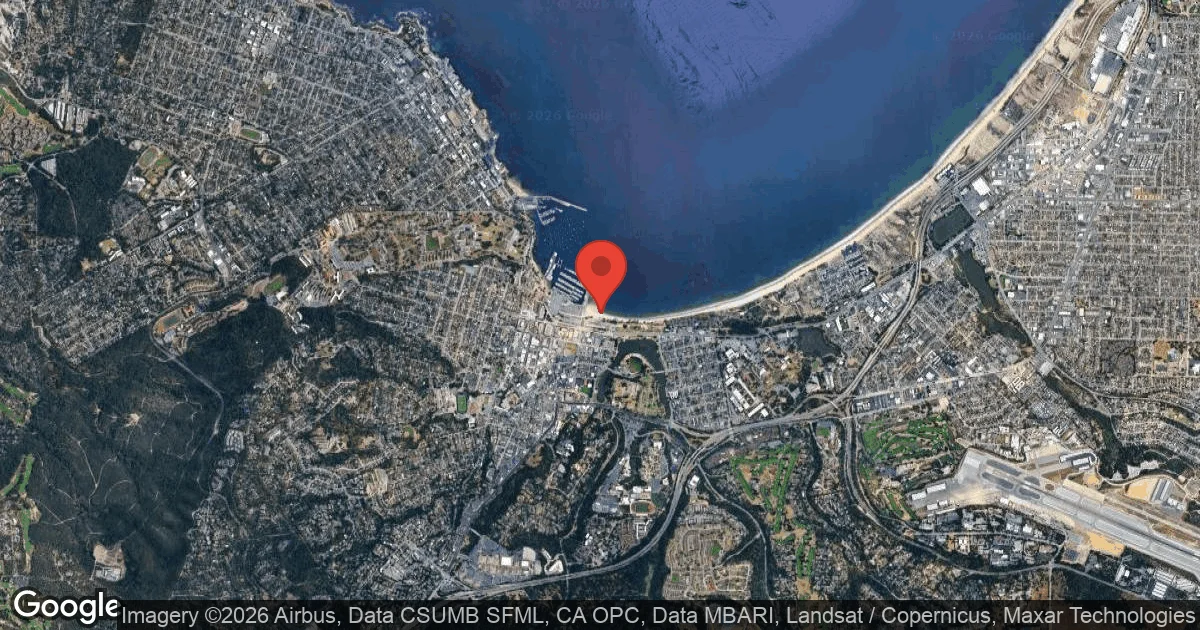
View all dive sites in United StatesDiscover more underwater gems in this area.
Dive Centers Near Coral Street
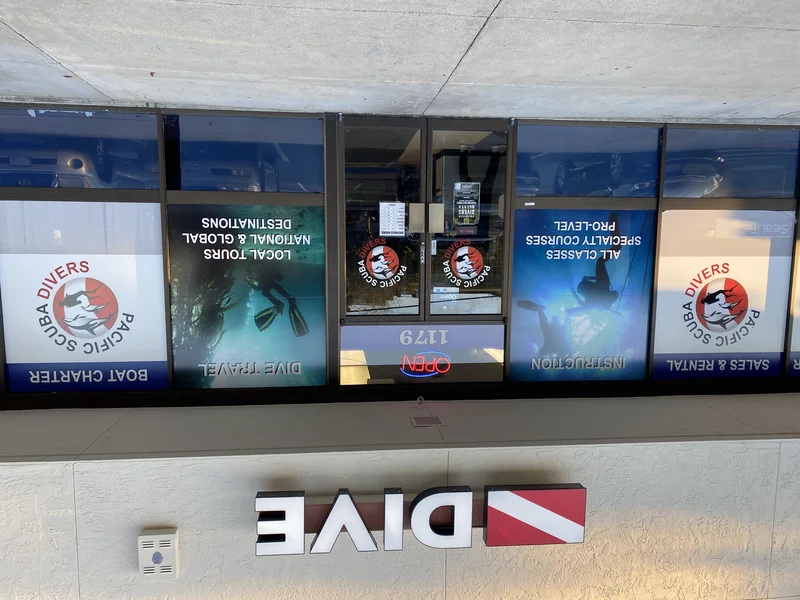
Today: 11:00 - 19:00
Nearest Airports
Nearest airports to help plan travel to this dive area.
Search Flights
Check available flights and routes on Expedia, using the nearby airports listed in this section.
Search Flights on Expedia
Plan Your Stay
Looking for a place to stay for your dive trip? Explore hotels, stays, and vacation rentals for dive groups near Pacific Grove.
Dive Navigator may earn a commission from these links at no extra cost to you.
Frequently Asked Questions
What is the typical depth range for recreational diving at Coral Street?
Recreational depths at Coral Street generally range from 5 to 18 m (15 to 60 ft). Shallower areas are found closer to shore, with deeper sections encountered when venturing further out from the entry point.
Are there any permits required to dive at Coral Street?
No, permits are not required for diving at Coral Street. This simplifies access for divers planning a spontaneous visit.
How is the entry and exit at Coral Street?
The entry and exit is from a sandy beach, but it does feature many rocks. Divers should be prepared for a moderate surge, especially during periods of stronger ocean swell, which can make entry and exit more dynamic.
What are the typical water temperatures at this dive site?
Water temperatures at Coral Street are cool year-round. They typically range from 14–18°C (57-64°F) in the summer months, dropping to 10–14°C (50-57°F) during winter.
What kind of marine life can I expect to see?
Closer to shore, you'll predominantly observe purple urchins and sea cucumbers, characteristic of an urchin barren. Further out, expect to see various species of fish, occasional bull kelp, and mussel shoals. Dolphins, porpoises, and even whales have been sighted close to shore in the broader area.
Is Coral Street suitable for beginner divers?
Coral Street can be approached by beginners, but the moderate surge and rocky beach entry require a level of comfort with dynamic water conditions. Basic shore diving skills are beneficial for a more enjoyable experience.
Planning to dive Coral Street?
Send one inquiry and receive offers directly from the best verified local dive operators.
Conditions are Moderate
Optimal conditions expected
Current conditions near Coral Street show 12° air, 16° sea temperature, 1.7 m waves, and 34 km/h wind. Forecast data is refreshed regularly to ensure accuracy.