
Diving at Lovers 1, 2 & 3 (United States)
Beneath the surface at Lovers 1, 2 & 3, divers encounter a varied underwater landscape marked by expansive eelgrass beds and vibrant algal gardens. Sandy channels lead to rocky reefs and small pinnacles, often veiled by kelp canopies. The terrain generally transitions from protected shallow coves to more exposed, deeper rock and sand configurations, offering a mosaic of habitats for marine life. This environment provides structure and shelter across its diverse benthic zones.
Evening condition tracking at Lovers 1, 2 & 3 features an air temperature of 15°C. We have recorded wave heights measuring 1.1 m during this period. These figures outline the environmental parameters currently present.
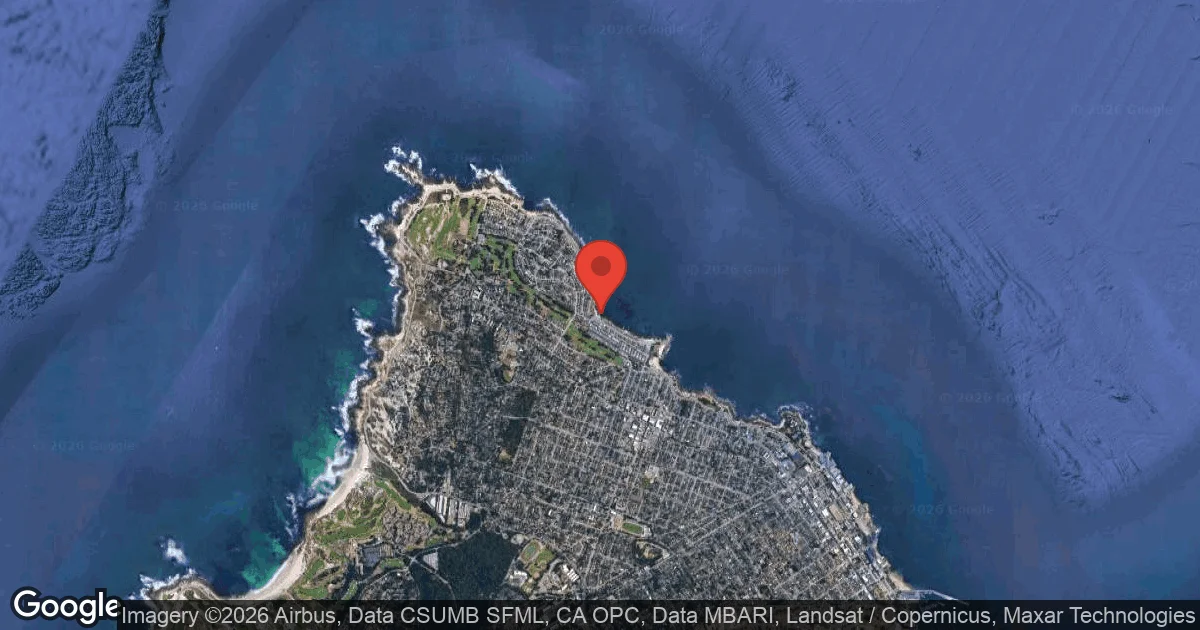
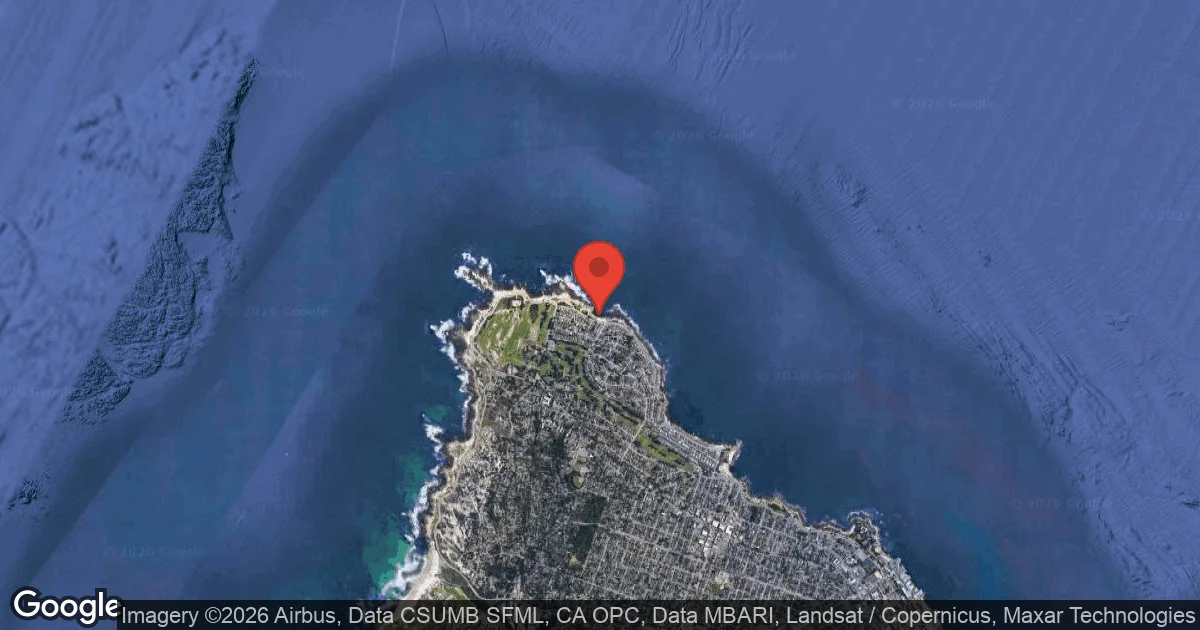
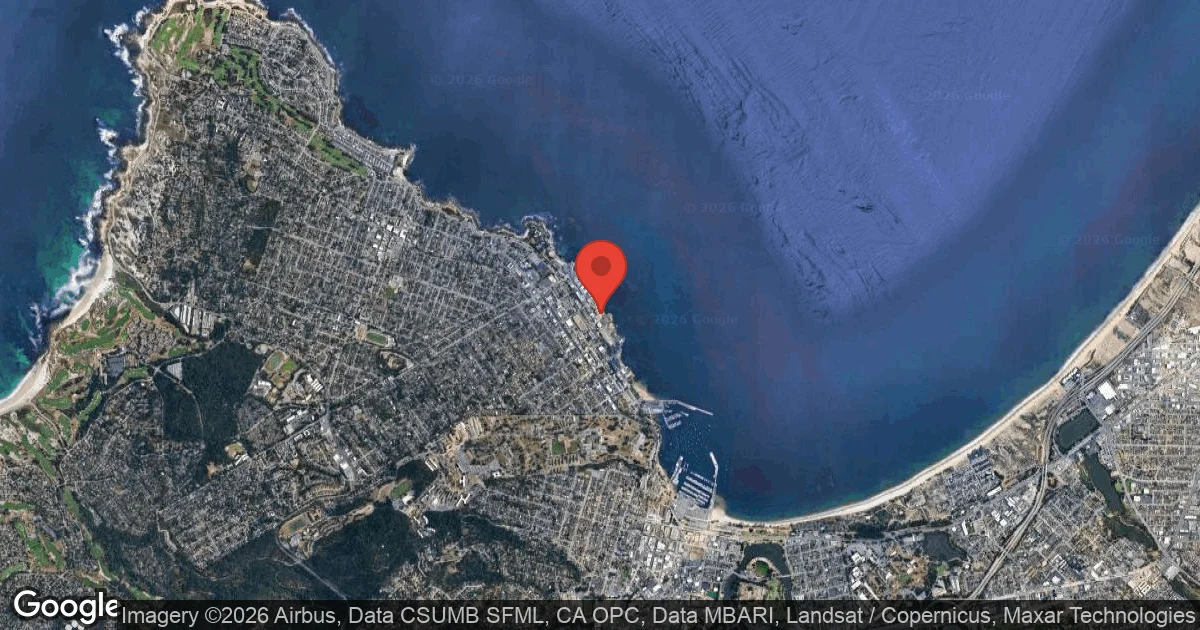
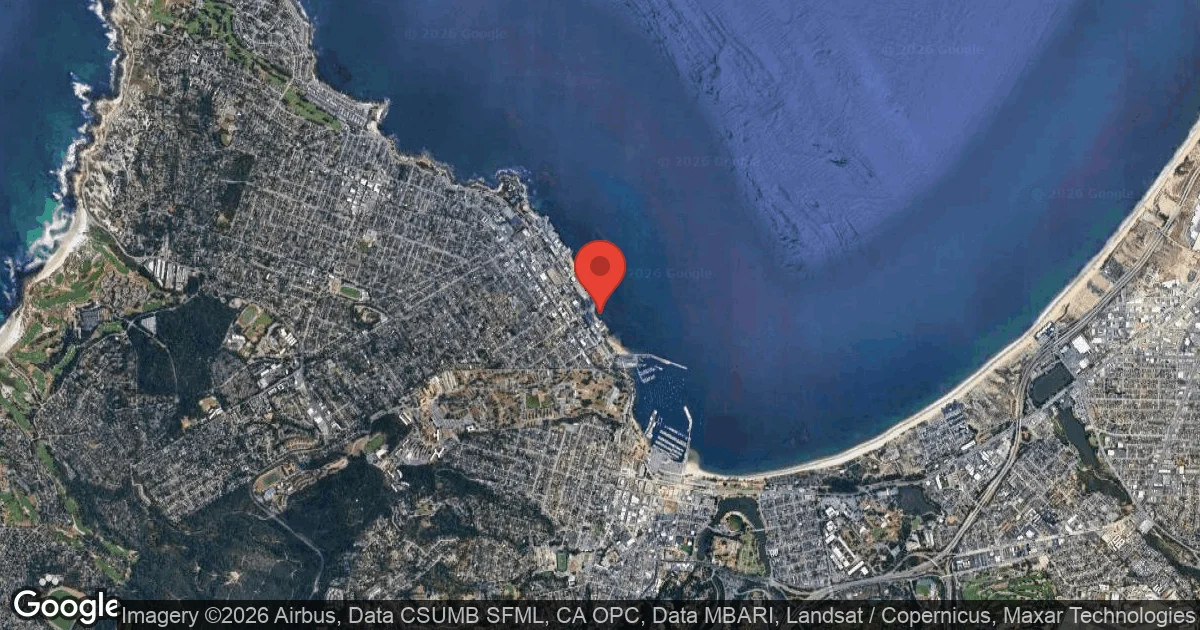
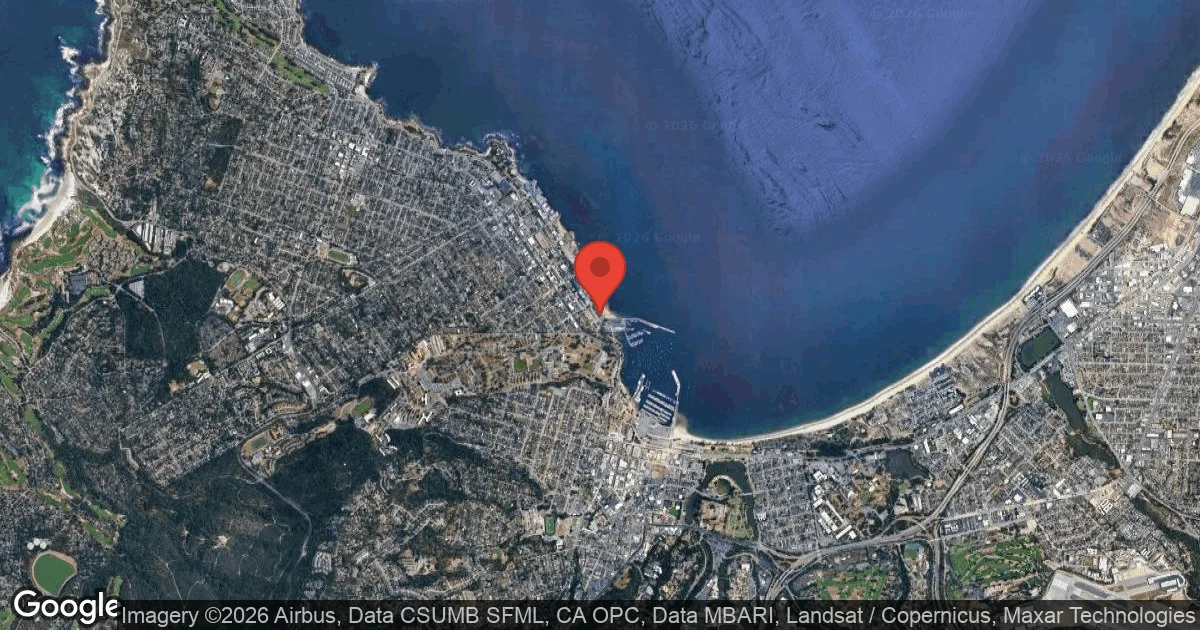
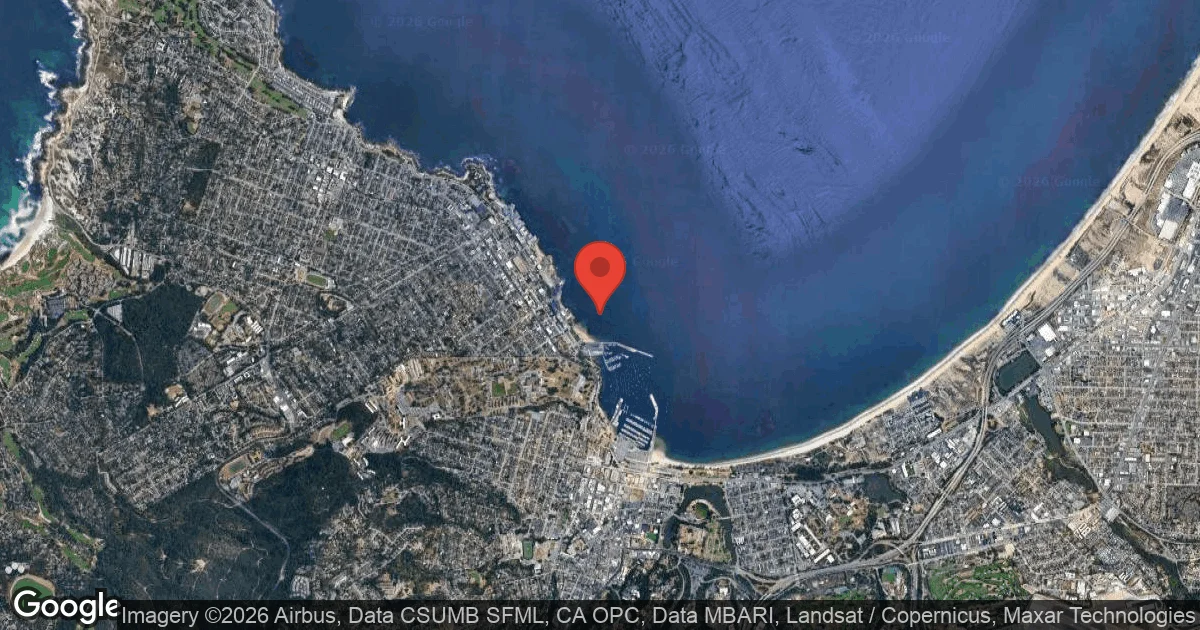
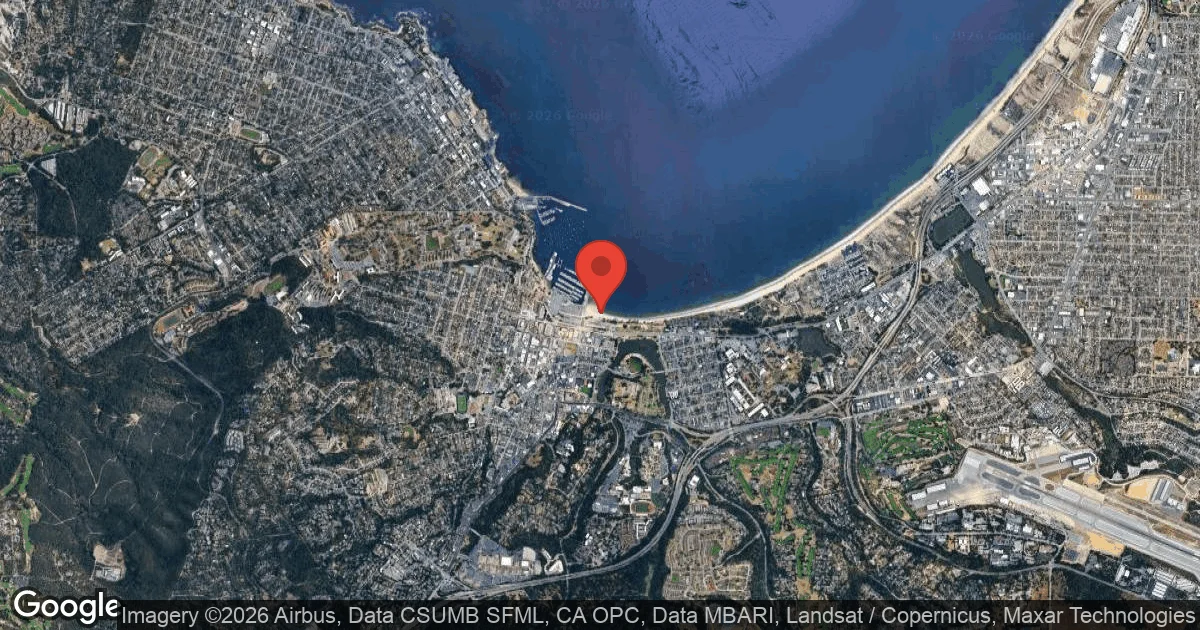
Dive Site Location & Key Facts
Dive Site Overview
Exploring the Lovers Point area offers divers access to a series of distinct entry points: Lovers 1, Lovers 2, and Lovers 3, each presenting slightly different conditions and opportunities. Lovers 1 serves as the primary access to Lovers Cove, where concrete steps facilitate entry at high tide, though low tide necessitates a longer walk through shallow, rocky areas.
Diver access at Lovers 2 is restricted from May through September, while Lovers 3 on the west beach is open year-round. Depths across these sites typically range from 4.5 m (15 ft) in the coves to around 15 m (50 ft) further out, with potential to reach max depths of around 24 meters with a longer surface swim past the point. Expect a mix of sand and rock, providing varied terrain for exploration.
While primarily a beginner-friendly site, conditions can quickly shift, presenting an intermediate to advanced challenge if wave height increases. Observing the conditions before committing to a dive is essential here, as exposed areas can become quite dynamic.
The protection status of Lovers Point State Marine Reserve means no fishing is allowed south of the point, contributing to a more visible marine ecosystem.
Conditions are Moderate
Optimal conditions expected
Current conditions near Lovers 1, 2 & 3 show 15° air, 17° sea temperature, 1.6 m waves, and 34 km/h wind. Forecast data is refreshed regularly to ensure accuracy.
Best Time to Dive
Considering the seasonal patterns at Lovers 1, 2 & 3, the summer months, particularly July and August, generally present the most favorable conditions for diving. During this period, dive scores reach 'Good,' with average air temperatures peaking around 14.5°C (July) and 15.5°C (August). Rainfall is minimal, often less than 0.05 mm, and wave heights are typically at their lowest, averaging about 1.4 meters (4.6 ft). Conversely, winter and early spring months, such as February and March, are often less ideal, with 'Poor' dive scores reported. These months experience higher rainfall, up to 4.6 mm, and stronger winds, alongside increased wave heights, reaching averages of 2.7 meters (8.9 ft). While moderate conditions prevail for much of the rest of the year, divers seeking the calmest and clearest experiences should target late summer to early autumn.
PEAK SEASON SCORE
Scores combine air & water temps, waves, wind & rainfall for overall conditions.
BEST MONTHS TO DIVE
Monthly records compiled from satellite and marine observation nodes over the last 3 years. Data provided by Open-Meteo and MET Norway.
Dive Experience & Conditions
Beginning a dive at Lovers Point often starts with an entry from a sandy beach, though numerous rocks can make the walk to deeper water challenging. As you descend, visibility is typically good, allowing clear views of the diverse underwater environments. Divers will navigate depths ranging from 4.5 to 15 m (15 to 50 ft), where small pinnacles beyond the main kelp canopies provide structure for exploration. During periods of higher tide or wave action, the site can transform into a rocky shore, complicating entry and exit. The relatively shallow nature of the cove means surge can be a factor, particularly over sand and in less protected areas. Heading out to deeper sections around 9 to 10.5 meters and following the contour eastward can lead divers around the point into Lovers Cove, eventually revealing a distinctive sand channel. Encountering wash rocks near entry and exit points is common, but they are generally easy to avoid with careful attention.
Dive Difficulty & Safety Guidelines
Approaching Lovers Point demands careful consideration of prevailing conditions to ensure a safe dive. The site is exposed, and a combination of waves and high tide can render entry and exit difficult, turning a sandy beach into a hazardous rocky shoreline. Divers must observe wave sets for an extended period before committing to the water.
Novice divers should always buddy with more experienced individuals. Near the entry and exit points, a few wash rocks are present, which are generally manageable but require awareness.
It's important to note that no fishing is permitted south of Lovers Point, a regulation contributing to the area's healthy fish populations. For emergencies, the Community Hospital of Monterey Peninsula is the nearest medical facility, and EMS activation by boat involves notifying the Coast Guard on channel 16 or calling 911.
Recommended Equipment
- Dive Computer
This gear list is based on verified equipment signals for Lovers 1, 2 & 3, United States. Always confirm final gear choices with your dive operator, guide, or liveaboard.
Recommended Dive Suit
Forecast trends indicate little change in overall diving conditions during the next few days.
Two divers in the same water temperature may experience very different comfort levels. Surface intervals may feel noticeably cooler once you exit the water.
Many divers find that 5-7mm wetsuit offers the right level of insulation for conditions like these. A thermal robe or jacket is recommended between dives. The latest environmental readings for Lovers 1, 2 & 3 suggest water temperatures around 17°C (62°F). Surface air temperatures are resting at 15°C (59°F).
Emergency & Medical Support
Essential information to help you plan your dive trip to Lovers 1, 2 & 3.

Hyperbaric chambers are a critical part of dive safety infrastructure. Availability varies significantly by region, and not all dive areas have immediate access.
Before diving, it's recommended to:
- confirm nearest medical facilities
- check emergency procedures with local dive operators
- ensure dive insurance covers evacuation if required
Divers Alert Network
Diving emergency assistance available through DAN World.
+1-919-684-9111- 24/7 emergency hotline
- Diving medical assistance
- Evacuation coordination
Emergency contacts are provided for reference. Always verify local emergency services before diving.
Marine Life at Lovers 1, 2 & 3
Upon entering the water, divers are often greeted by the lush eelgrass and algal gardens that define Lovers Cove, providing a rich backdrop for various species. Look for sheepshead and bat rays navigating the reef structures.
Schooling blues are a common sight, moving gracefully through the water column. The protected status of the area south of Lovers Point means fish populations are noticeably present, appearing accustomed to divers.
Around the rocky sections and pinnacles, you might spot a diversity of invertebrates, though specific sightings are not consistently reported across all sections of Lovers 1, 2 & 3.

Dive Sites Near Lovers 1, 2 & 3
View all dive sites in United StatesDiscover more underwater gems in this area.
Dive Centers Near Lovers 1, 2 & 3
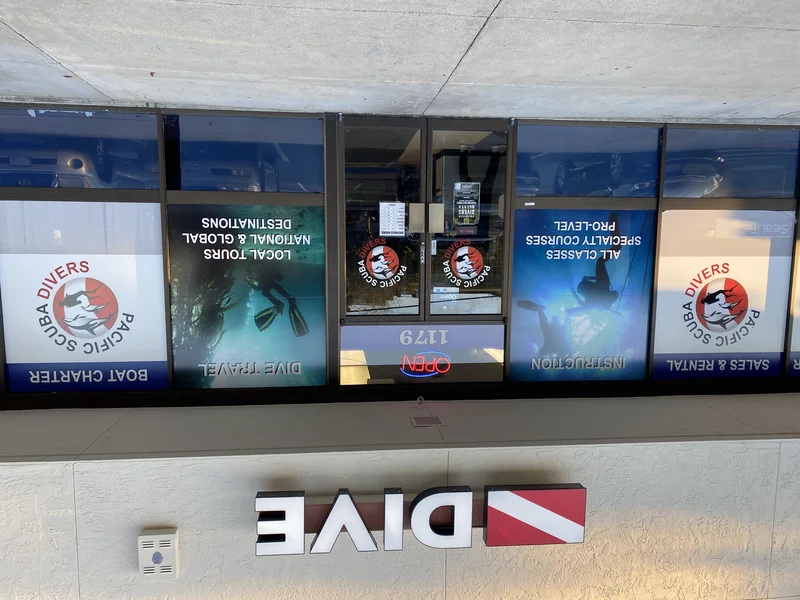
Today: 11:00 - 19:00
Nearest Airports
Nearest airports to help plan travel to this dive area.
Search Flights
Check available flights and routes on Expedia, using the nearby airports listed in this section.
Search Flights on Expedia
Plan Your Stay
Looking for a place to stay for your dive trip? Explore hotels, stays, and vacation rentals for dive groups near Pacific Grove.
Dive Navigator may earn a commission from these links at no extra cost to you.
Frequently Asked Questions
What is the typical skill level required for diving at Lovers 1, 2 & 3?
This site is generally considered suitable for beginners, especially in calm conditions within Lovers Cove. However, depending on wave height and exposure, it can quickly become an intermediate to advanced dive, particularly if you venture outside the most protected areas.
Are there any access restrictions for the different Lovers dive sites?
Yes, Lovers 2 is not accessible to divers from May through September. Lovers 3, located on the west beach, is available for diving year-round, offering consistent access when other areas may be restricted.
What kind of marine life can divers expect to see?
Divers frequently observe sheepshead, bat rays, and schooling blues around the reefs. The vibrant eelgrass and algal gardens in Lovers Cove are notable, supporting a diverse range of marine life due to the 'no fishing' zone south of the point.
What are the typical water temperatures at Lovers 1, 2 & 3?
Specific water temperature data for Lovers 1, 2 & 3 is not consistently reported. Water temperatures in Monterey Bay can vary significantly with season and upwelling events, generally remaining cool throughout the year.
What are the common depths encountered at these sites?
Shallow areas begin around 4.5 meters, extending to about 15 meters further out. Reaching the max depths of approximately 24 meters requires longer surface swims.
How should divers approach entry and exit at Lovers Point?
Entry is often from a sandy beach, though rocks can be present. Observing wave sets for a significant period before entering is crucial, as high tide and waves can make the shoreline difficult and hazardous. Exiting should be planned to avoid rocky areas if possible.
Is visibility generally good at Lovers Point?
Visibility at Lovers Point is usually reported as good. However, it can vary depending on local conditions, such as recent storms or seasonal algae blooms, which may temporarily reduce clarity.
Planning to dive Lovers 1, 2 & 3?
Send one inquiry and receive offers directly from the best verified local dive operators.
Conditions are Moderate
Optimal conditions expected
Current conditions near Lovers 1, 2 & 3 show 15° air, 17° sea temperature, 1.6 m waves, and 34 km/h wind. Forecast data is refreshed regularly to ensure accuracy.