
Diving at Hidden Beach (United States)
Hidden Beach, a dive site off Monterey's Cannery Row, typically experiences moderate to good conditions, particularly in late summer. Average wave heights range from 1.3 to 2.7 m (4 to 9 ft) throughout the year, with calmer seas generally appearing from July through August. Air temperatures fluctuate between approximately 11-16°C (52-61°F), influencing surface comfort. Divers often find more favorable conditions during periods of reduced swell and lighter winds.
As evening covers Hidden Beach, the local air temperature is measured at 12.5°C. The current wave height at the surface is recorded at 1.1 m. These late-day readings characterize the surface conditions for the night.
Dive Site Location & Key Facts
Dive Site Overview
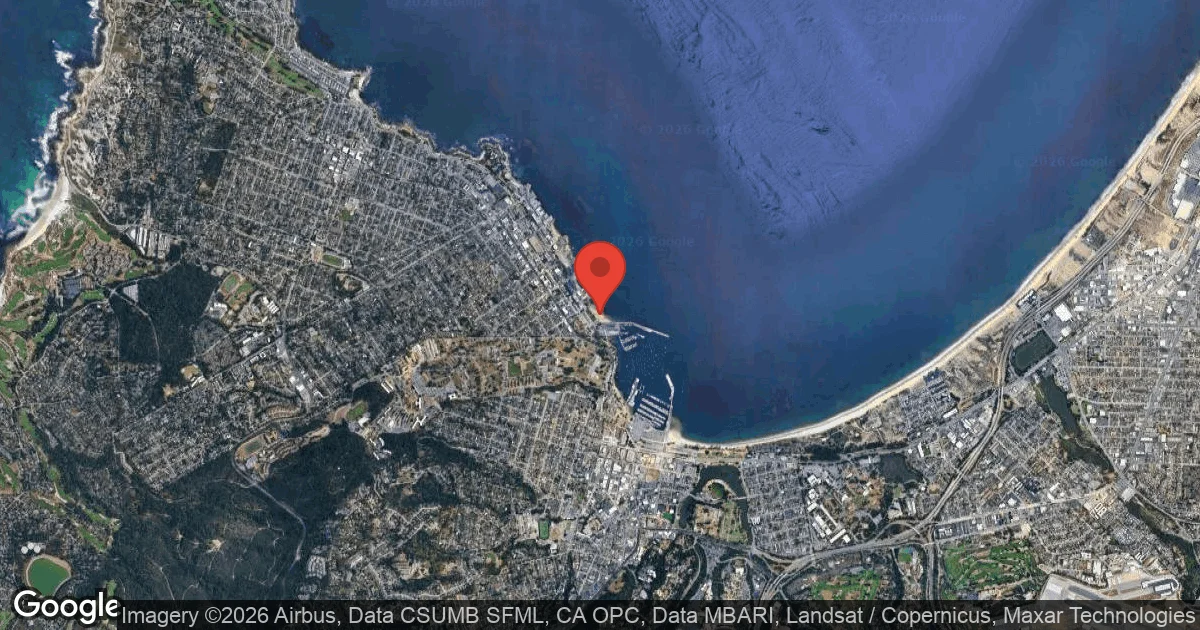
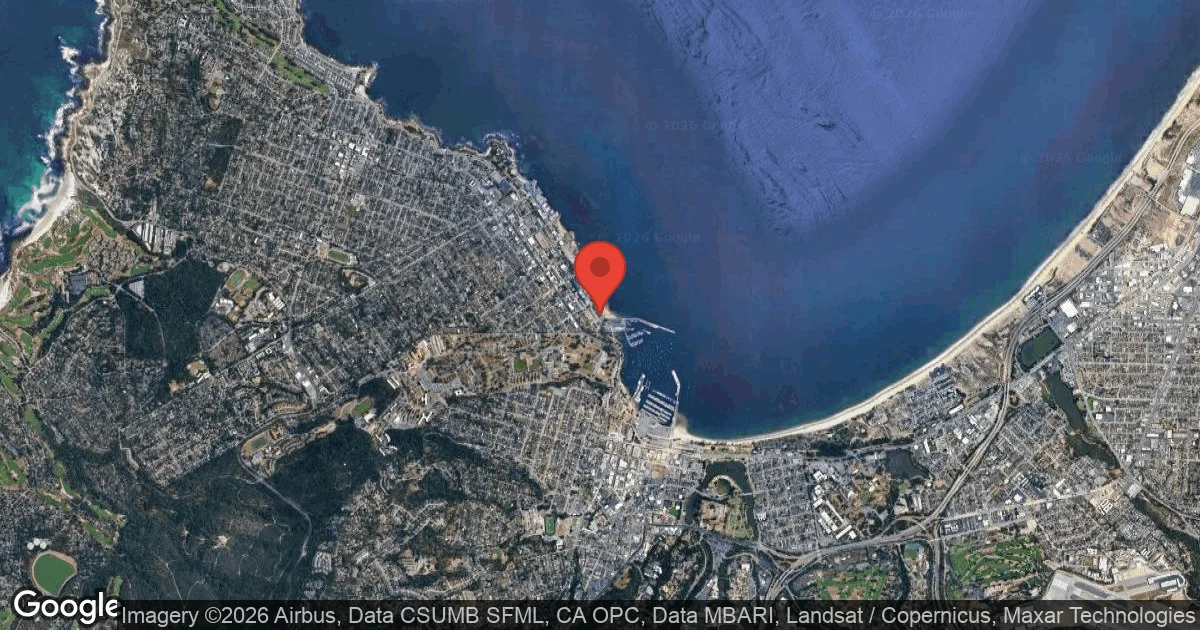
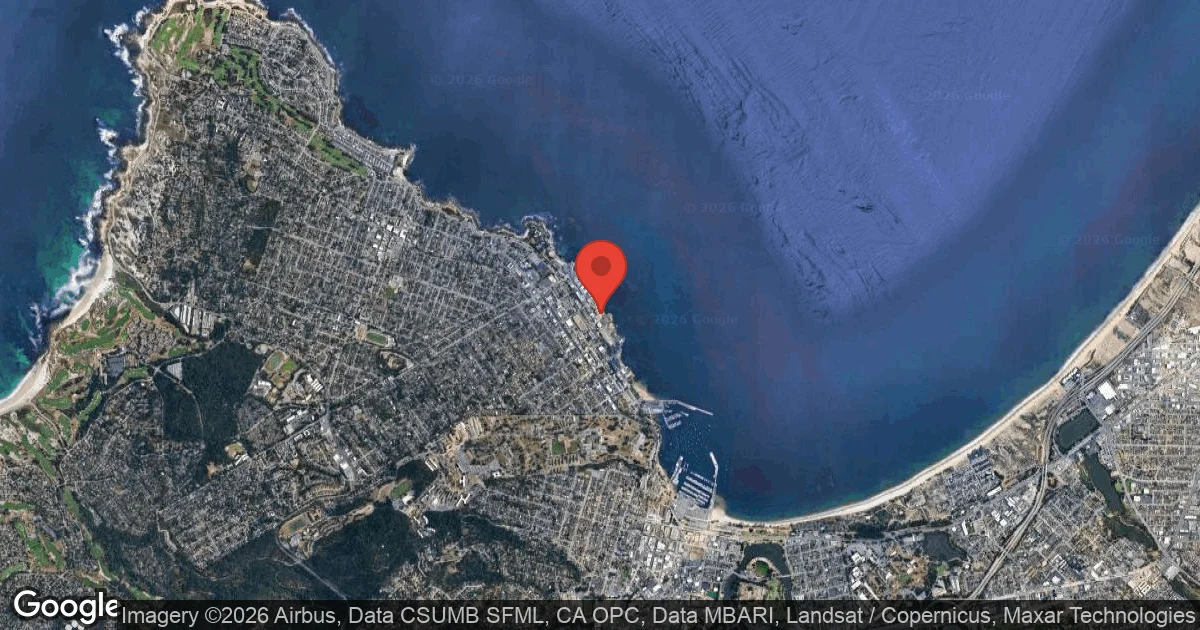
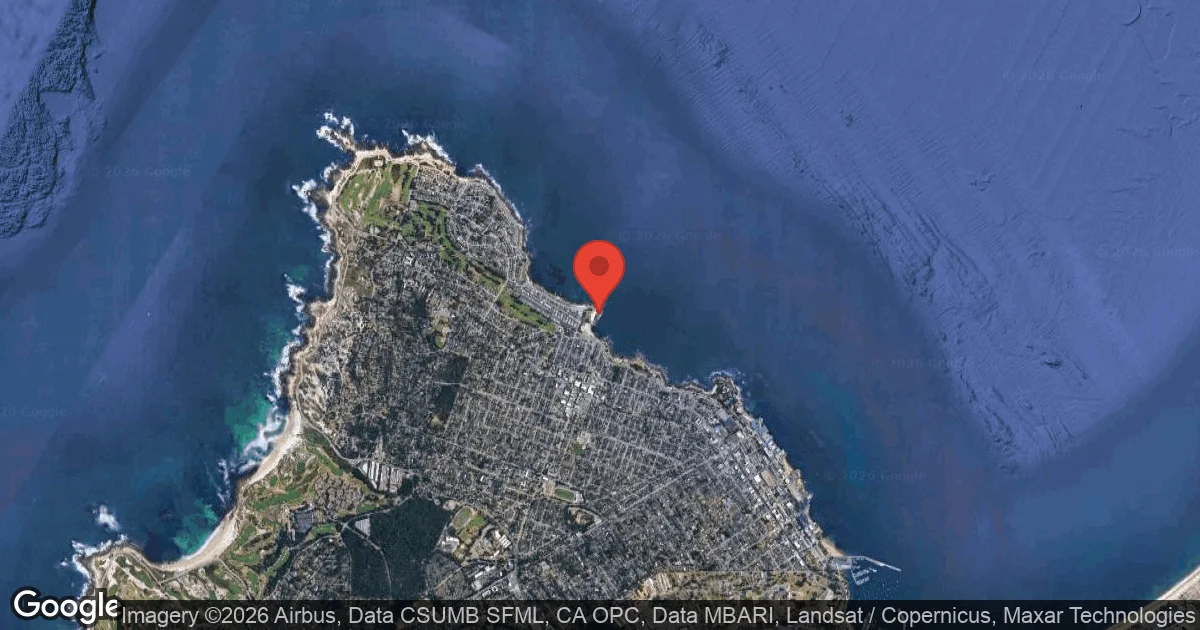
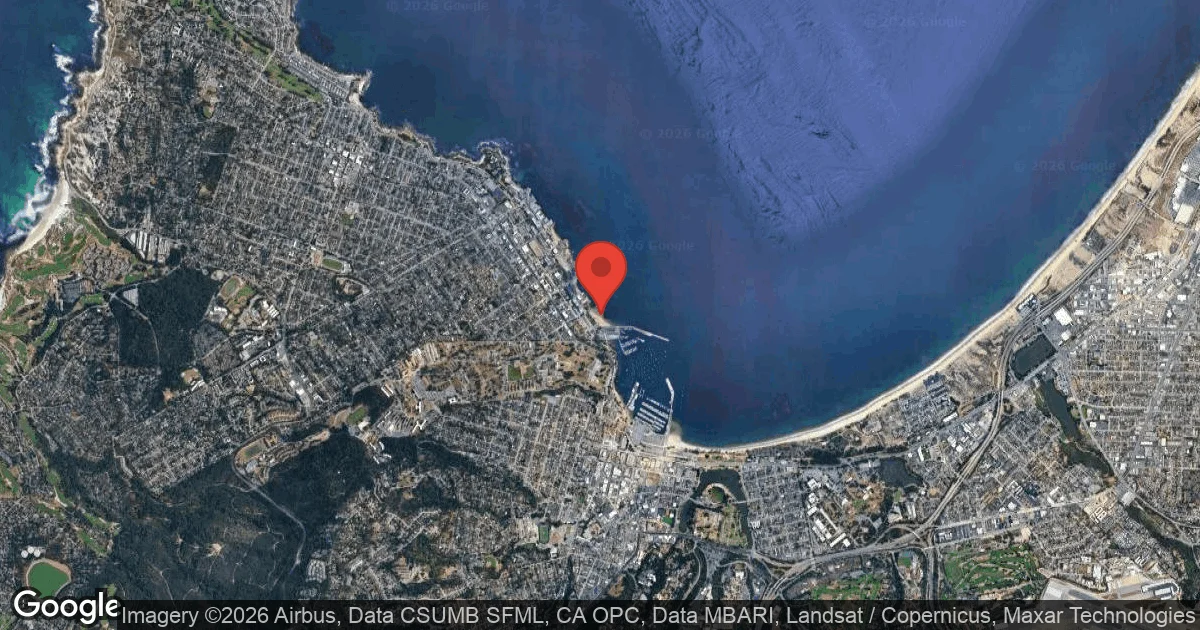
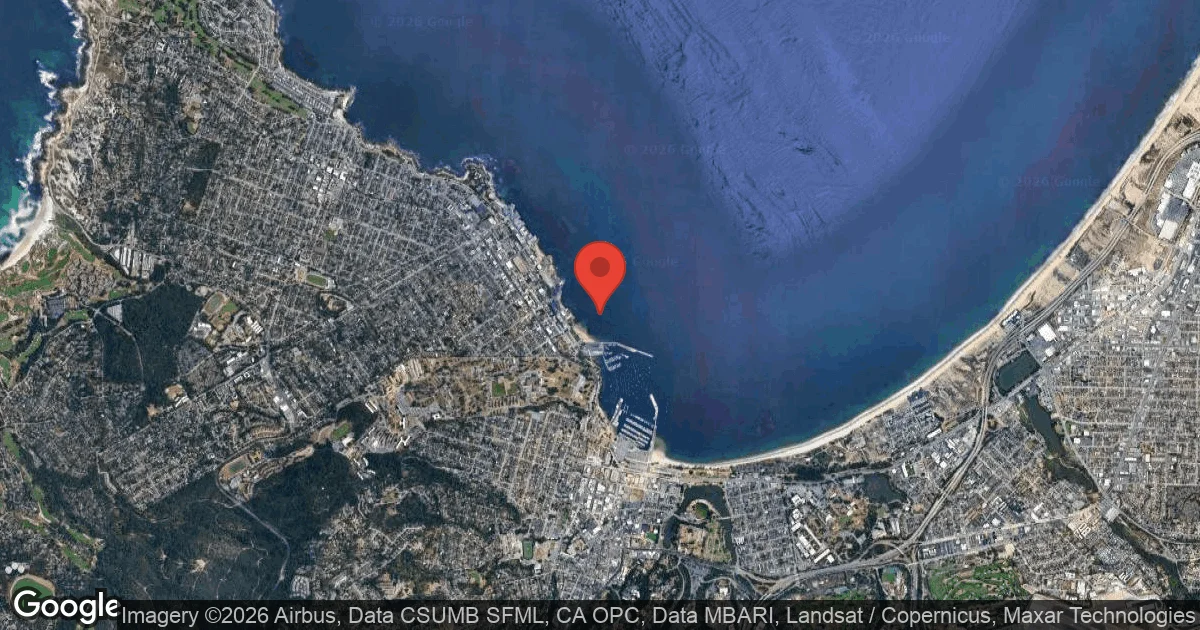
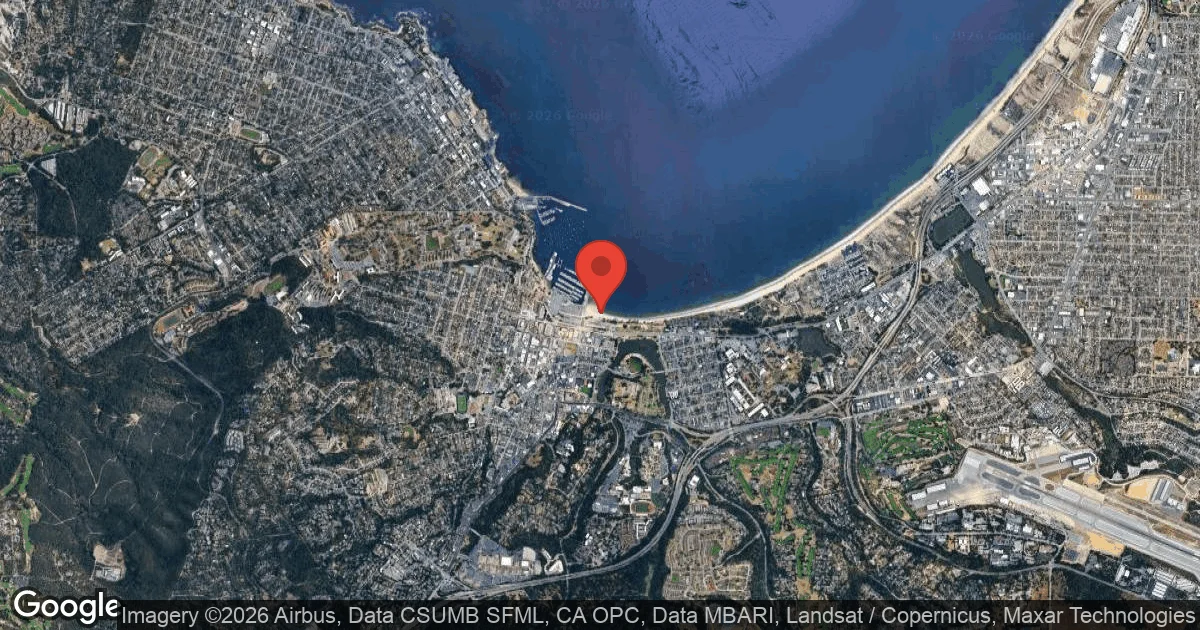
Formerly a lesser-known entry point in the Breakwater Cove area, Hidden Beach is tucked away on the seaward side of a mid-Cannery Row crosswalk, between various buildings. This site serves primarily as a launch area for local kayak tours, which adds a distinct dynamic to dive planning.
Its accessibility makes it a common spot for initial training and casual explorations, although local regulations prevent unloading scuba gear directly on Cannery Row. Divers must park in designated areas near San Carlos Beach or use metered street spaces before walking their gear to the site. Once ready, descending the stairs leads directly to the small beach, where gear can be staged, ensuring no obstruction to the kayak storage facilities. This spot offers a shallow, beginner-friendly introduction to Monterey's coastal waters.
Conditions are Moderate
Optimal conditions expected
Current conditions near Hidden Beach show 13° air, 17° sea temperature, 1.6 m waves, and 36 km/h wind. Forecast data is refreshed regularly to ensure accuracy.
Best Time to Dive
Considering the overall experience, the period from July through August generally presents the most favorable conditions for diving at Hidden Beach. During these months, the dive score typically rates as 'Good,' supported by lower average wave heights around 1.3-1.4 meters (4-5 ft) and significantly less rainfall, often less than 1 mm. Air temperatures during this peak season are also warmer, averaging 14-16°C (57-61°F), enhancing surface comfort before and after a dive. While other months like June and September also offer moderate dive scores with air temperatures around 13-16°C (55-61°F) and lower rain, the summer months consistently provide the calmest and clearest conditions for exploring the shallow reef.
PEAK SEASON SCORE
Scores combine air & water temps, waves, wind & rainfall for overall conditions.
BEST MONTHS TO DIVE
Monthly records compiled from satellite and marine observation nodes over the last 3 years. Data provided by Open-Meteo and MET Norway.
Dive Experience & Conditions
Diving at Hidden Beach primarily involves navigating shallow waters, typically reaching a maximum depth of about 6 meters (20 ft). Upon entry from the beach, the fine sand and presence of kelp close to shore can churn, leading to reduced visibility. For improved clarity, divers usually swim out approximately one hundred yards offshore, where the water tends to clear considerably. Once beyond the initial surf zone, exploring the rocky reefs by taking a bearing either north or south along the shore becomes possible. Navigating through the thick kelp cover often requires divers to be comfortable with a 'kelp crawl' technique, which is a common skill for Monterey area diving. This offers a beginner-friendly environment with minimal strong currents.
Dive Difficulty & Safety Guidelines
Prudent dive planning at Hidden Beach necessitates awareness of the active kayak traffic originating from a local tour company. Divers must exercise caution and ensure a careful ascent to avoid contact with passing small boats, as these are not always handled with great skill. The beach entry itself can be slightly challenging due to a few larger rocks in the surf zone, requiring careful footing.
While the site is generally considered beginner-friendly with few complex hazards, always check local tide reach before stashing gear under the stairs to prevent it from being washed away.
Additionally, divers should be aware of Monterey Municipal Code, which strictly prohibits unloading scuba gear directly on Cannery Row.
Recommended Equipment
- Dive Computer
This gear list is based on verified equipment signals for Hidden Beach, United States. Always confirm final gear choices with your dive operator, guide, or liveaboard.
Recommended Dive Suit
Current diving conditions indicate water temperatures around 17°C (62°F) at Hidden Beach. Surface air temperatures are resting at 13°C (55°F).
Environmental conditions appear stable for the near future.
In water temperatures like these, 5-7mm wetsuit typically offers sufficient warmth for most recreational dives. A thermal robe or jacket is recommended between dives. Some divers naturally tolerate cooler water better than others. Surface intervals may feel noticeably cooler once you exit the water.
Emergency & Medical Support
Essential information to help you plan your dive trip to Hidden Beach.

Hyperbaric chambers are a critical part of dive safety infrastructure. Availability varies significantly by region, and not all dive areas have immediate access.
Before diving, it's recommended to:
- confirm nearest medical facilities
- check emergency procedures with local dive operators
- ensure dive insurance covers evacuation if required
Divers Alert Network
Diving emergency assistance available through DAN World.
+1-919-684-9111- 24/7 emergency hotline
- Diving medical assistance
- Evacuation coordination
Emergency contacts are provided for reference. Always verify local emergency services before diving.
Marine Life at Hidden Beach
Hidden Beach's underwater landscape features thick kelp beds and expansive rocky reefs in its shallow environment. This area provides a rich habitat for various sea life.
Exploring the kelp forests, divers can observe numerous smaller reef fish and invertebrates adapted to these conditions. Rocky outcrops and structures along the shore offer shelter, potentially revealing species typical of California's central coast.
A transition between these rocky areas and patches of fine sand creates diverse microhabitats for marine organisms to thrive.

Dive Sites Near Hidden Beach
View all dive sites in United StatesDiscover more underwater gems in this area.
Dive Centers Near Hidden Beach
Today: 11:00 - 19:00
Nearest Airports
Nearest airports to help plan travel to this dive area.
Search Flights
Check available flights and routes on Expedia, using the nearby airports listed in this section.
Search Flights on Expedia
Plan Your Stay
Looking for a place to stay for your dive trip? Explore hotels, stays, and vacation rentals for dive groups near Monterey.
Dive Navigator may earn a commission from these links at no extra cost to you.
Frequently Asked Questions
What is the typical depth at Hidden Beach?
This site is quite shallow, with most dives conducted at a maximum depth of approximately 6 meters (20 ft). It's an excellent location for beginners and those looking for a relaxed, shallow dive experience.
What are the entry conditions like?
Entry is made via a small beach accessed by stairs off Cannery Row. You may encounter a few larger rocks in the surf zone, making the entry slightly 'interesting' at times, so watch your footing.
Are there any specific hazards to be aware of?
The main hazard is the presence of kayak traffic from a local tour company. Divers should ascend carefully to avoid collision with these small boats. Also, be mindful of local regulations regarding gear unloading on Cannery Row.
Is this site suitable for beginners?
Yes, Hidden Beach is generally considered a beginner-friendly site due to its shallow depth and relatively calm conditions. However, comfort with 'kelp crawl' techniques is beneficial due to thick kelp cover.
What kind of underwater environment can I expect?
The site features thick kelp beds and rocky reefs, interspersed with areas of fine sand, creating a diverse habitat. Visibility can be reduced close to shore due to churned sand and kelp.
How does visibility typically change during a dive?
Close to shore, visibility can be lower due to churned sand and kelp. However, swimming out about one hundred yards (90 meters) offshore often leads to a significant improvement in water clarity.
Planning to dive Hidden Beach?
Send one inquiry and receive offers directly from the best verified local dive operators.
Conditions are Moderate
Optimal conditions expected
Current conditions near Hidden Beach show 13° air, 17° sea temperature, 1.6 m waves, and 36 km/h wind. Forecast data is refreshed regularly to ensure accuracy.