
Diving at Breakwater / San Carlos Beach (United States)
For many divers in California, Breakwater / San Carlos Beach represents a pivotal entry point into the rich underwater world of Monterey. A shore-accessible site, it offers a range of experiences, from protected training grounds to vibrant kelp ecosystems, making it a frequent destination for local and visiting divers alike. Its accessibility often draws large numbers of participants.
As evening covers Breakwater / San Carlos Beach, the local air temperature is measured at 14°C. The current wave height at the surface is recorded at 1 m. These late-day readings characterize the surface conditions for the night.
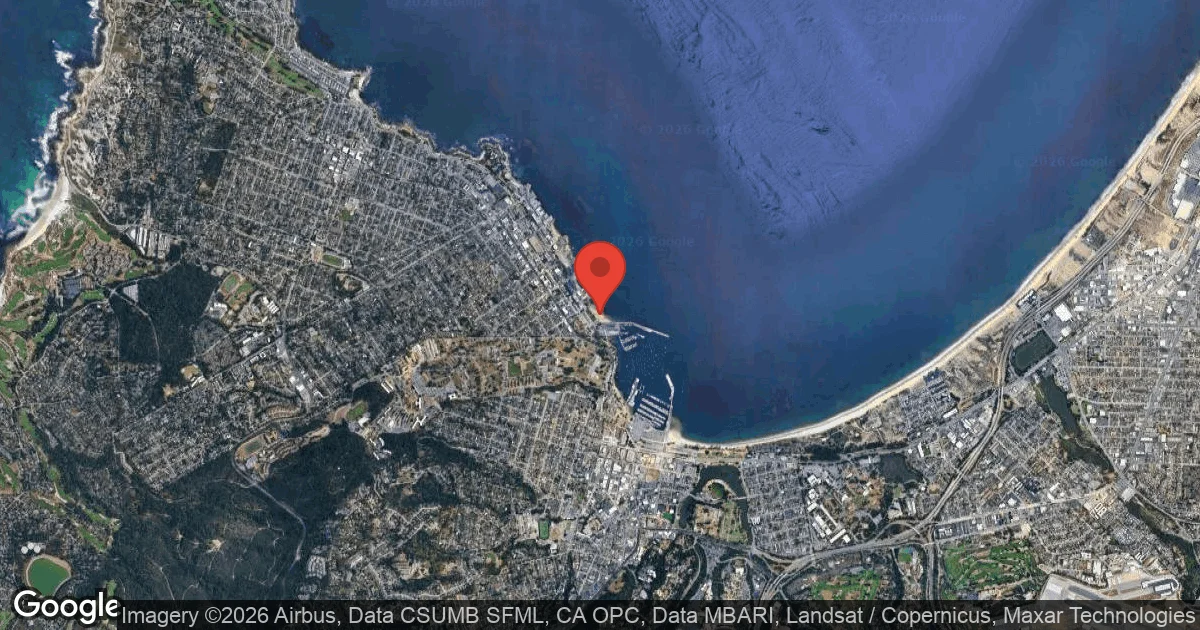
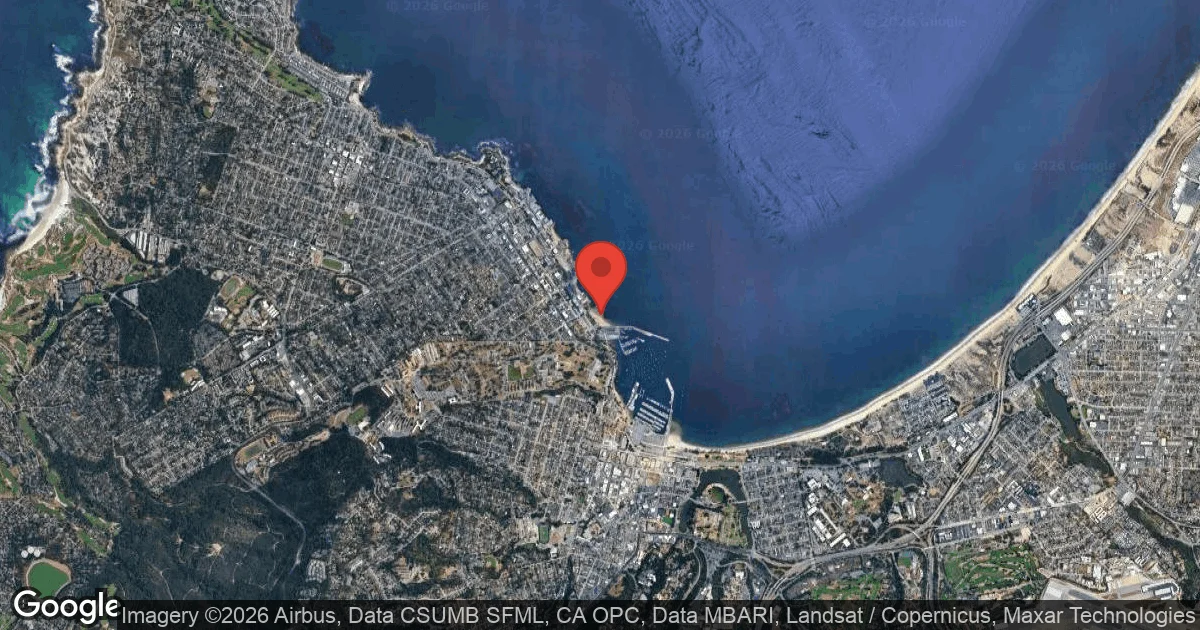
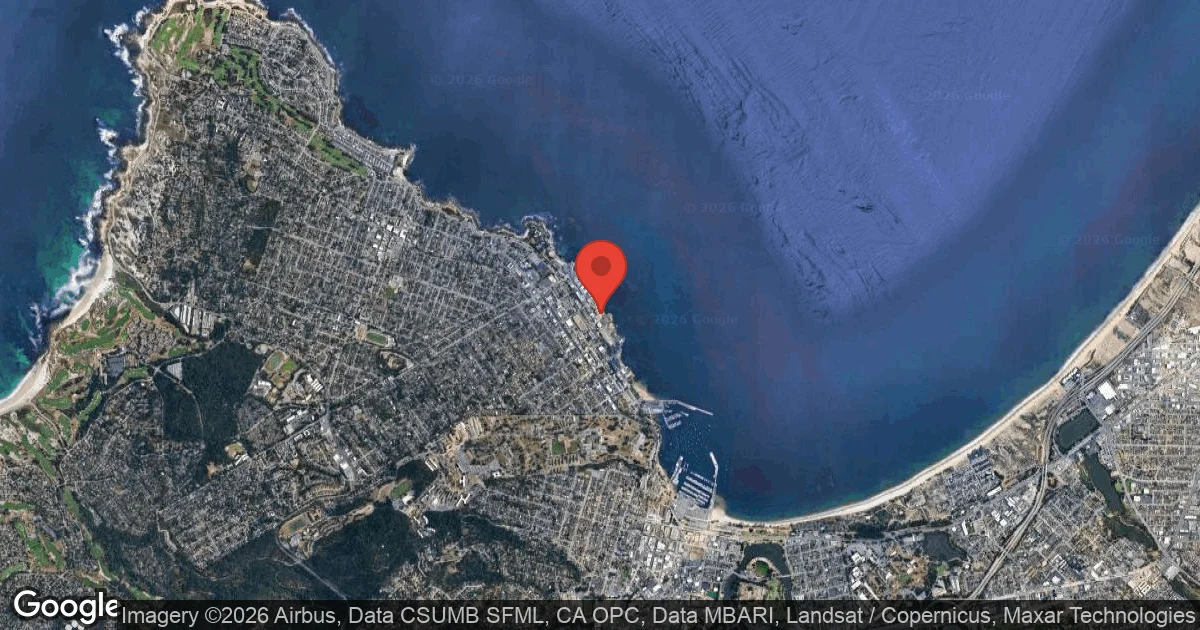
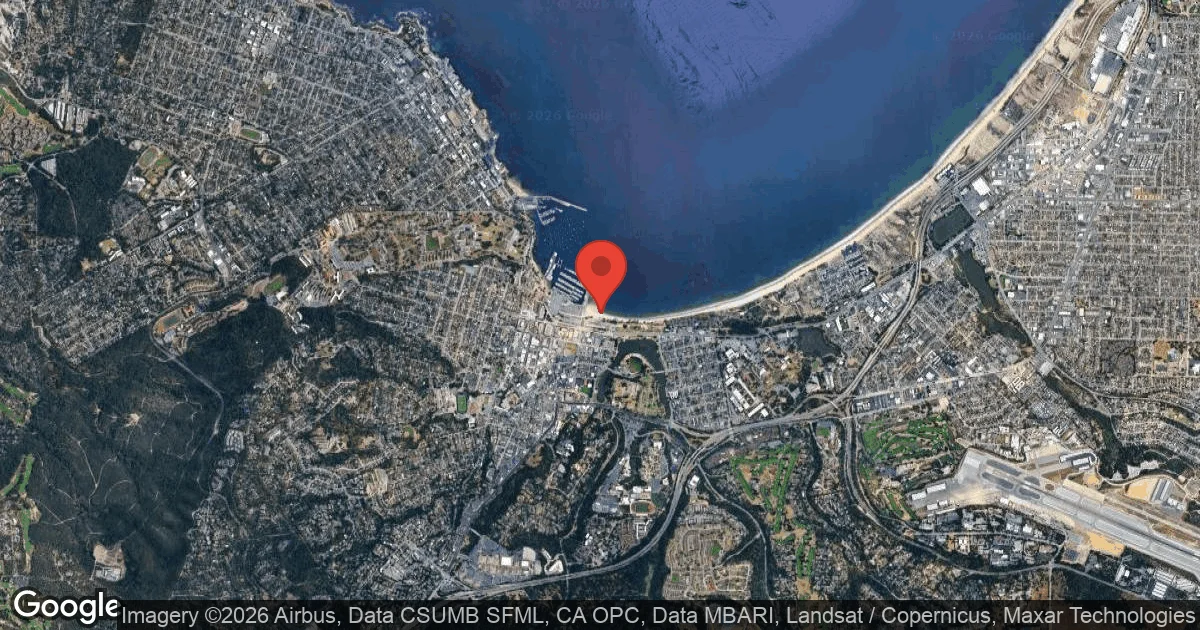
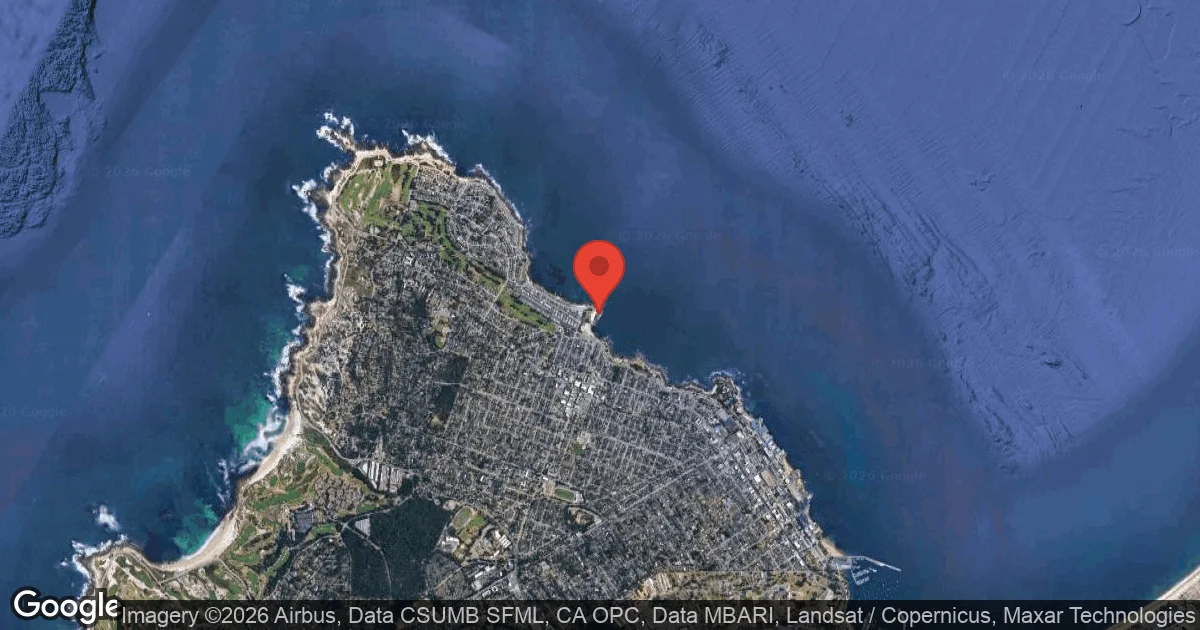
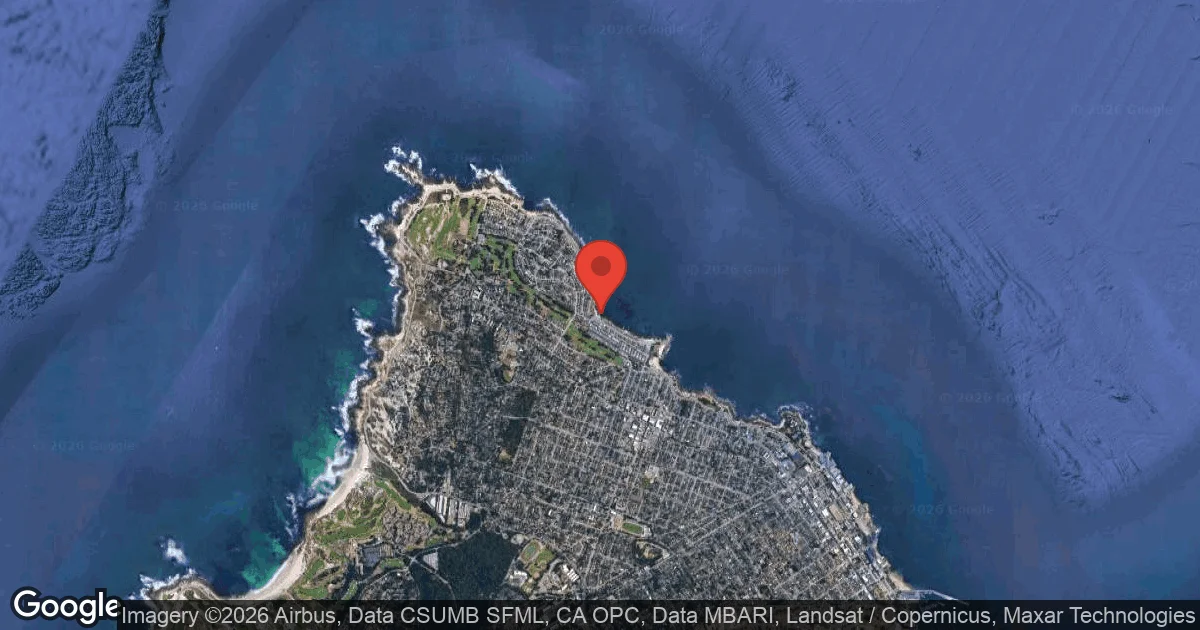
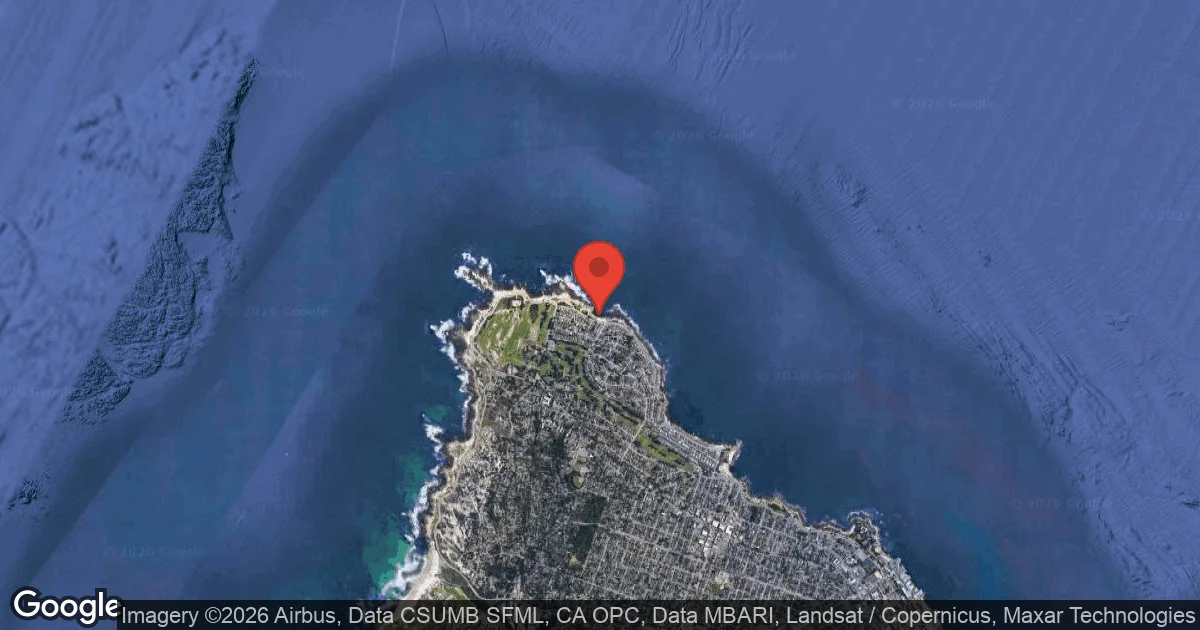
Dive Site Location & Key Facts
Dive Site Overview
A natural protection against ocean waves allows for diving opportunities throughout much of the year at this site. Beneath the surface, a sandy shoreline continues its gradual descent to a maximum depth of 50-60 feet (15-18 m).
Divers typically have two primary options: exploring the breakwater structure itself or venturing into the kelp forest. A kelp forest is shallow, often around 25 feet (7.6 m) max depth, while following the breakwater can lead to deeper sections. Beyond the main breakwater, the remains of a wooden barge are present, although precise navigation lines are not consistently reported.
Such wreckage provides an interesting point of exploration for those seeking artificial reef structures. A pump pipe also extends from the left side of the beach out to about 40 feet (12 m) of depth, often used as a navigation aid to metridium fields or to explore the kelp forests it intersects.
Both day and night dives are possible and frequently undertaken here, with night dives revealing different marine behaviors.
Conditions are Moderate
Optimal conditions expected
Current conditions near Breakwater / San Carlos Beach show 14° air, 17° sea temperature, 1.6 m waves, and 36 km/h wind. Forecast data is refreshed regularly to ensure accuracy.
Best Time to Dive
Conditions for diving at Breakwater / San Carlos Beach vary depending on the season, with the highest dive scores, labeled "Good," typically occurring in July and August. During these summer months, air temperatures average 14.5°C (58°F) and 15.5°C (60°F) respectively, coupled with lower wave heights, averaging 1.4 m (4.6 ft) and 1.3 m (4.3 ft). In contrast, February to March generally sees "Poor" dive scores due to increased wave heights, reaching averages of 2.7 m (8.9 ft) and 2.7 m (8.9 ft). Rain showers are minimal from June through October, with averages below 0.5 mm, whereas winter months like December experience more precipitation, around 3.0 mm. Water temperature isn't consistently reported in the system data, but anecdotal observations indicate temperatures around 11.5°C (53°F) in early April.
PEAK SEASON SCORE
Scores combine air & water temps, waves, wind & rainfall for overall conditions.
BEST MONTHS TO DIVE
Monthly records compiled from satellite and marine observation nodes over the last 3 years. Data provided by Open-Meteo and MET Norway.
Dive Experience & Conditions
Entering the water here is straightforward via a gently sloping sandy beach, though scattered rocks might be present depending on the tide. As divers move beyond the surf zone, visibility can be a factor, sometimes reported around 30 feet (9 m), but it also varies significantly. Nearer the shore, a kelp forest thrives, providing a vibrant habitat in shallower depths. Exploring along the breakwater's rocky contours offers options for deeper dives; while less life might be found at the very bottom, a 15-25 foot (4.5-7.6 m) range along the rocks is often rich with color and fish schools. Many divers appreciate the relatively protected conditions within the bay, though a substantial storm can still generate too much surf for comfortable diving.
Dive Difficulty & Safety Guidelines
Divers should be aware that sea lions occasionally occupy the beach for extended periods, making entry difficult or impossible. Monitoring local conditions and advisories before planning a dive is advisable. Parking enforcement is active, so ensure all parking fees are paid promptly.
While generally protected, strong storms can impact surf conditions. For example, frequent use for dive training occurs, particularly in shallower areas, which can lead to higher diver density.
Staying clear of training groups and maintaining good situational awareness is important for a smooth experience.
Recommended Equipment
- Dive Computer
- DSMB
- Hard-soled Dive Boots
This gear list is based on verified equipment signals for Breakwater / San Carlos Beach, United States. Always confirm final gear choices with your dive operator, guide, or liveaboard.
Recommended Dive Suit
In these water temperatures, 5-7mm wetsuit is a common choice for recreational diving. A thermal robe or jacket is recommended between dives. Longer dive profiles can make thermal protection more important than short exploratory dives.
The waters surrounding Breakwater / San Carlos Beach are currently maintaining temperatures close to 17°C (62°F). Surface air temperatures are resting at 14°C (57°F).
Environmental conditions appear stable for the near future.
Emergency & Medical Support
Essential information to help you plan your dive trip to Breakwater / San Carlos Beach.

Hyperbaric chambers are a critical part of dive safety infrastructure. Availability varies significantly by region, and not all dive areas have immediate access.
Before diving, it's recommended to:
- confirm nearest medical facilities
- check emergency procedures with local dive operators
- ensure dive insurance covers evacuation if required
Divers Alert Network
Diving emergency assistance available through DAN World.
+1-919-684-9111- 24/7 emergency hotline
- Diving medical assistance
- Evacuation coordination
Emergency contacts are provided for reference. Always verify local emergency services before diving.
Marine Life at Breakwater / San Carlos Beach
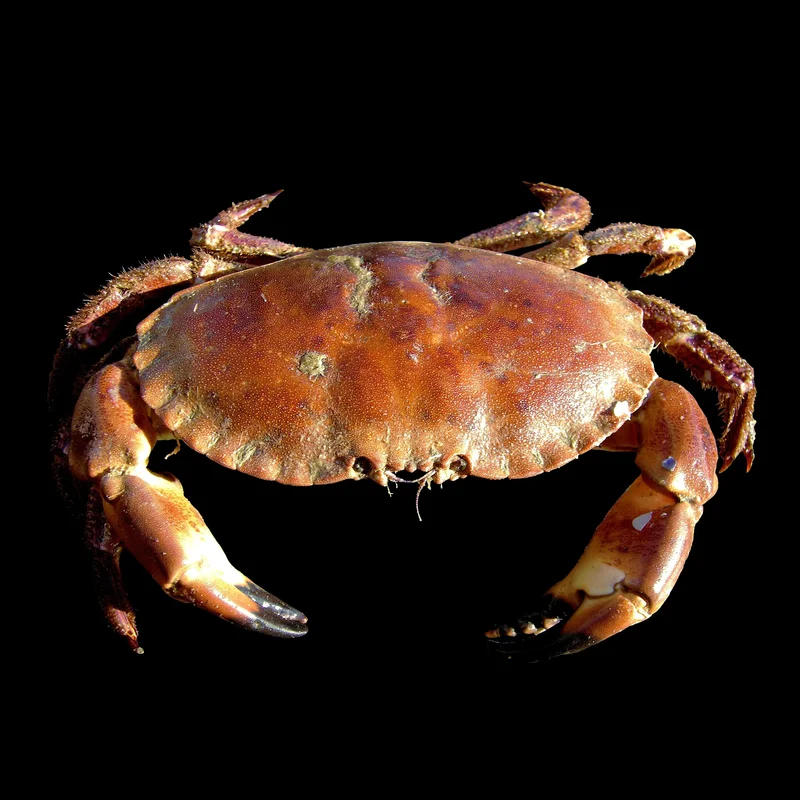
Breakwater / San Carlos Beach presents an underwater landscape teeming with diverse invertebrate and fish life. Within the kelp forests, divers often encounter giant chitons, various species of sea stars including giant spined, bat, and ochre, alongside a variety of crabs like mimicking and kelp crabs.
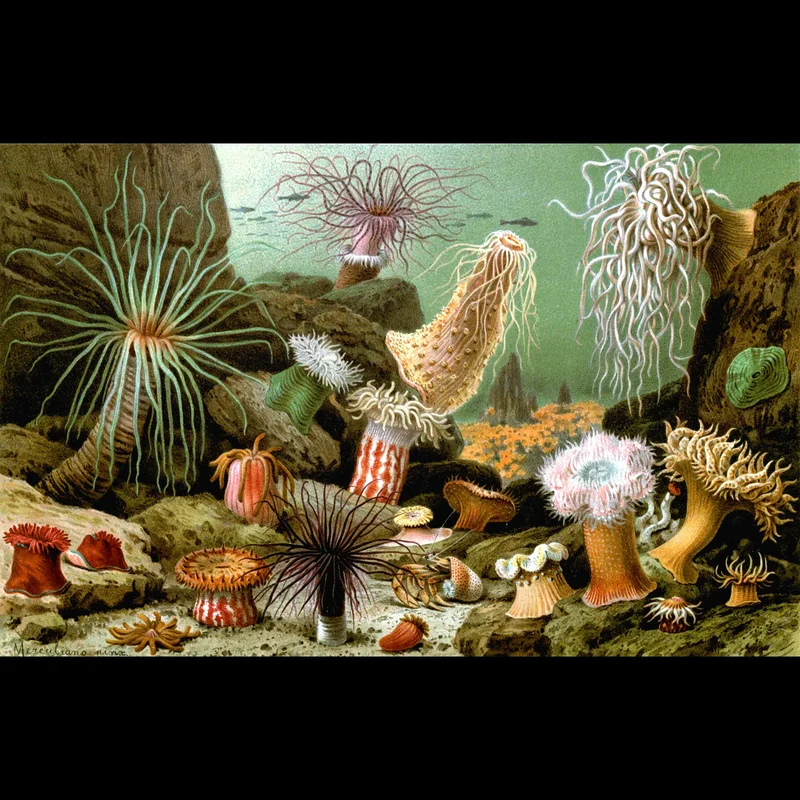
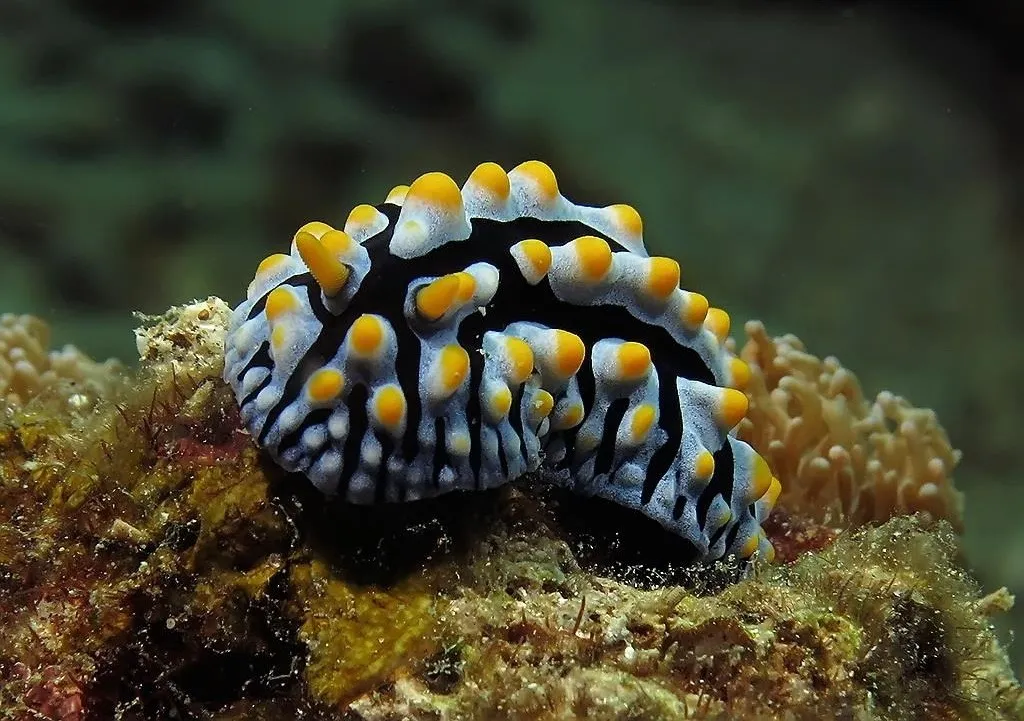
Rocky areas display a spectrum of anemones, from white metridium to rose and starburst varieties. Nudibranchs, such as Hopkins rose and sea goddesses, are plentiful, especially in certain reef areas like the barge site. Look for rockfish among the kelp canopy and, with luck, interacting sea lions and sea otters.

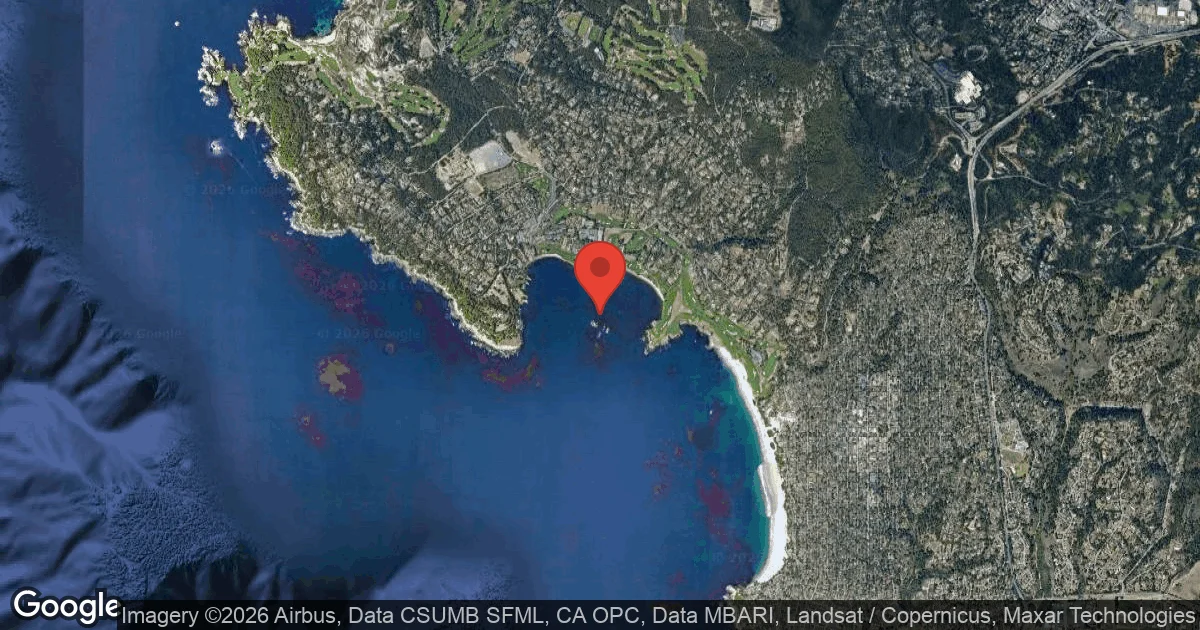
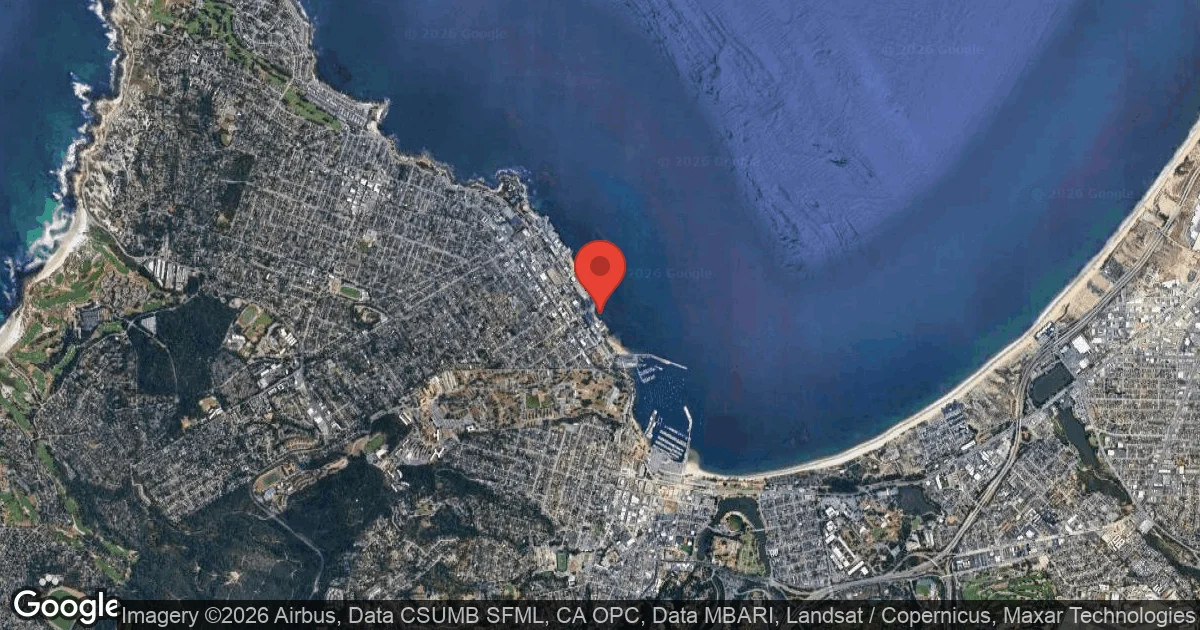
Dive Sites Near Breakwater / San Carlos Beach
View all dive sites in United StatesDiscover more underwater gems in this area.
Dive Centers Near Breakwater / San Carlos Beach
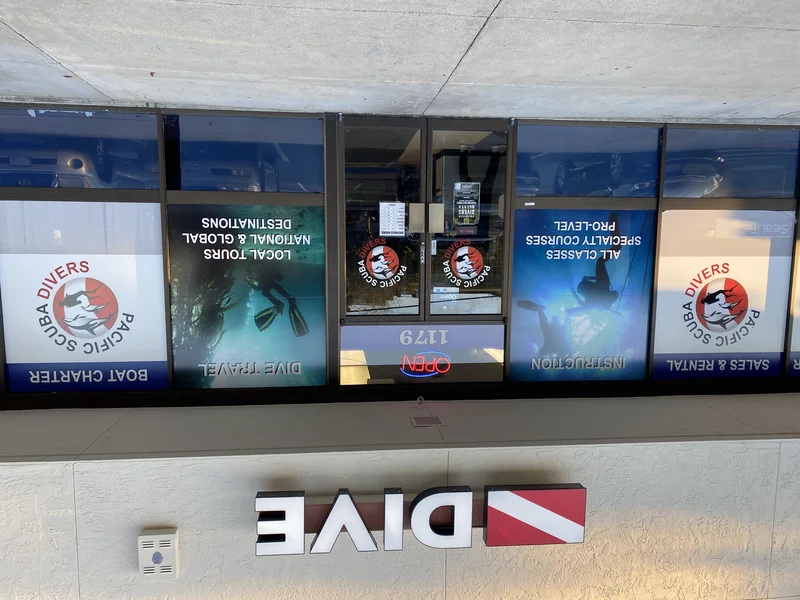
Today: 11:00 - 19:00
Nearest Airports
Nearest airports to help plan travel to this dive area.
Search Flights
Check available flights and routes on Expedia, using the nearby airports listed in this section.
Search Flights on Expedia
Plan Your Stay
Looking for a place to stay for your dive trip? Explore hotels, stays, and vacation rentals for dive groups near Monterey.
Dive Navigator may earn a commission from these links at no extra cost to you.
Frequently Asked Questions
What is the maximum depth at Breakwater / San Carlos Beach?
A maximum depth recorded for the overall site is 50-60 feet (15-18 m). Specific areas like the kelp forest are shallower, typically around 25 feet (7.6 m).
Is shore entry easy at this dive site?
Yes, entry is considered easy due to a gently sloping, sandy shoreline. Divers should watch for scattered rocks in the sand, particularly depending on tide levels.
What is the typical water temperature?
Water temperature is not consistently reported in our system data. However, observations from early April note temperatures around 11.5°C (53°F), indicating generally cool conditions that often warrant a drysuit.
Are there restrooms and air fills available nearby?
Yes, public restrooms are located at both ends of the dive site. Air fills and rental gear are available from dive shops within walking distance in Breakwater Cove Marina and on Cannery Row.
What kind of marine life can I expect to see?
Divers often encounter a rich variety of marine life including sea lions, sea otters, kelp, diverse sea stars, various crabs, anemones, nudibranchs, and schools of fish like blacksmith.
Is this a good site for beginners?
Frequently used for dive classes and training due to its relatively calm conditions and easy access, this location is suitable for beginners. Shallower sections are ideal for less experienced divers, but navigating around training groups is important.
Can I dive here year-round?
Breakwater is well protected, making diving possible almost any time of the year. However, conditions are generally best in summer (July-August) with less rain and smaller waves, while winter months can see higher surf and more precipitation.
Planning to dive Breakwater / San Carlos Beach?
Send one inquiry and receive offers directly from the best verified local dive operators.
Conditions are Moderate
Optimal conditions expected
Current conditions near Breakwater / San Carlos Beach show 14° air, 17° sea temperature, 1.6 m waves, and 36 km/h wind. Forecast data is refreshed regularly to ensure accuracy.