
Diving at Otter Cove (United States)
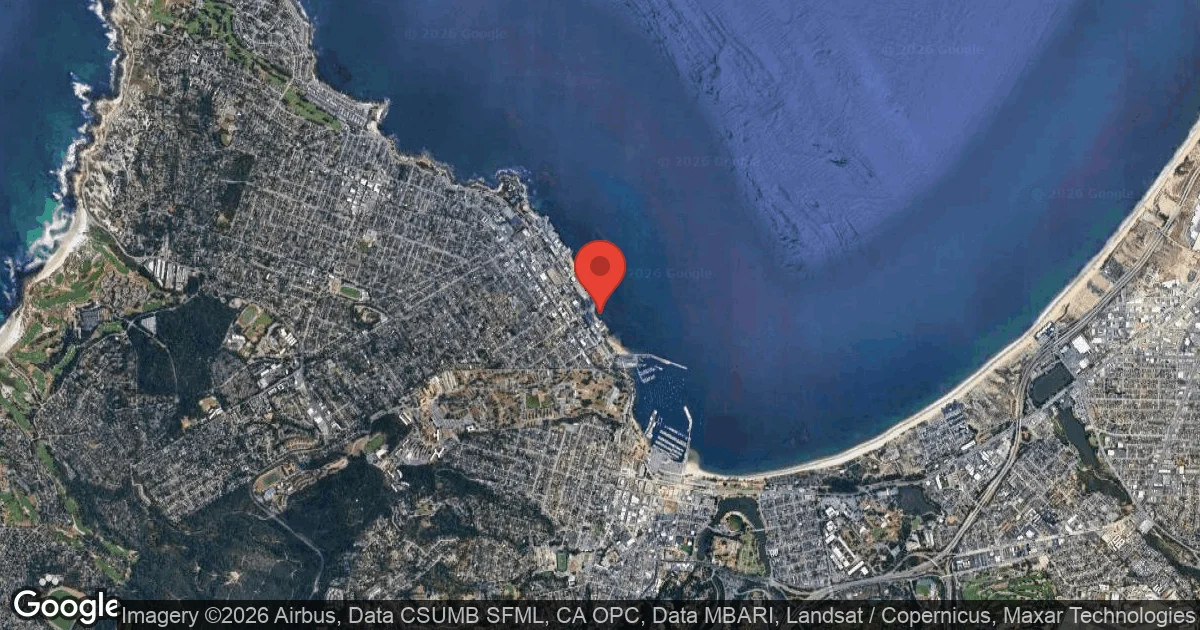
Otter Cove provides a varied underwater landscape along California's central coast. The site features a mix of rocky and consolidated areas, especially towards its western edge, supporting extensive kelp forests. To the east, the bottom transitions to sandier patches interspersed with smaller kelp stands clinging to rock islands. These geological differences create distinct zones for exploration, with impressive boulders and rises closer to shore. It's a shore dive located within the Pacific Grove Marine Gardens State Marine Conservation Area.
Tonight's objective overview for Otter Cove shows an air temperature of 15°C. The measured surface conditions include wave heights around 1.2 m. This environmental data is logged for the close of the day.
Dive Site Location & Key Facts
Dive Site Overview
Planning a dive at Otter Cove requires an understanding of its unique ebb and flow, making tides a significant factor for entry. While some divers might initially find conditions challenging close to shore, a surface swim of around 90 meters (100 yards) typically leads to clearer waters.
Depths here generally range from 3 to 12 meters (10-40 ft), with some areas in the outer kelp forest reaching approximately 15 meters (50 ft). This spot is particularly favored by spear fishing enthusiasts targeting greenling, ling cod, and cabezon.
However, general fish abundance may be lower than at neighboring sites due to this activity. The site is part of the Pacific Grove Marine Gardens State Marine Conservation Area, permitting finfish capture.
Access is generally straightforward via sandy beaches, though conditions vary. Visibility can fluctuate dramatically, from excellent 14-meter (45-foot) days to as little as 0.6 meters (2 feet); divers should assess conditions from the cliff before committing.
Conditions are Moderate
Optimal conditions expected
Current conditions near Otter Cove show 15° air, 17° sea temperature, 1.7 m waves, and 34 km/h wind. Forecast data is refreshed regularly to ensure accuracy.
Best Time to Dive
Otter Cove's dive conditions vary significantly with the seasons, presenting a contrast between calm summer days and more challenging winter periods. August often provides the "Good" dive score, correlating with the highest average air temperatures, reaching around 15.5°C (60°F), and minimal rainfall. This summer window typically sees reduced wave heights and lighter winds, which contribute to better surface conditions. Conversely, late winter and early spring months like February and March register "Poor" dive scores, marked by higher wave heights, increased wind speeds reaching over 22 km/h (13.7 mph), and more frequent rainfall, sometimes exceeding 4.6 mm (0.18 inches) in February. While exact water temperatures aren't consistently reported, local conditions suggest cooler waters year-round. For optimal entry and visibility, aiming for high tide, especially during the calmer summer months from July to September, significantly improves the experience, mitigating the issue of exposed rocks near shore.
PEAK SEASON SCORE
Scores combine air & water temps, waves, wind & rainfall for overall conditions.
BEST MONTHS TO DIVE
Monthly records compiled from satellite and marine observation nodes over the last 3 years. Data provided by Open-Meteo and MET Norway.
Dive Experience & Conditions
Entering Otter Cove demands careful timing; high tide is strongly recommended to avoid navigating extensive shallow, exposed rocks. The Western entries, in particular, feature long, rocky beaches that transition into eelgrass, posing potential stumble hazards at low tide. Access to the water is available via three sets of stairs, making the descent easier than scrambling down slopes. Once in the water, a surface swim beyond 90 meters (100 yards) is often necessary to bypass stirred-up sand and kelp, leading to clearer conditions before descending. Underwater visibility here is notably unpredictable, ranging from 0.6 meters (2 feet) to over 14 meters (45 feet), so checking from the cliffside beforehand is a practical approach. Depths typically span 3 to 12 meters (10-40 ft), with deeper sections extending to 15 meters (50 ft) within the distant kelp forests. Calm surface conditions and good visibility make for a more enjoyable exploration.
Dive Difficulty & Safety Guidelines
Navigating Otter Cove requires an awareness of its unique challenges to ensure a safe dive. Primarily, timing your entry for high tide is crucial to circumvent the extensive, shallow rocky areas near shore that become exposed at low tide, especially along the western access points.
Always use the designated stairways rather than attempting to scramble over natural landscaping, which can be unstable and cause erosion. While fish populations here may appear less abundant due to permitted spearfishing activities, the site remains within the Pacific Grove Marine Gardens State Marine Conservation Area, underscoring the importance of respecting all marine life and regulations.
Visibility can be highly variable, sometimes quite poor; divers should assess current conditions from the cliff above the cove before committing to a dive, and be prepared for potential low visibility if conditions shift.
Recommended Equipment
- Dive Computer
This gear list is based on verified equipment signals for Otter Cove, United States. Always confirm final gear choices with your dive operator, guide, or liveaboard.
Recommended Dive Suit
Forecast conditions over the next few days suggest temperatures will remain relatively stable.
Two divers in the same water temperature may experience very different comfort levels. Surface intervals may feel noticeably cooler once you exit the water.
Many divers find that 5-7mm wetsuit offers the right level of insulation for conditions like these. A thermal robe or jacket is recommended between dives. Divers preparing to enter the water at Otter Cove will likely find temperatures around 17°C (62°F) today. Surface air temperatures are resting at 15°C (59°F).
Emergency & Medical Support
Essential information to help you plan your dive trip to Otter Cove.

Hyperbaric chambers are a critical part of dive safety infrastructure. Availability varies significantly by region, and not all dive areas have immediate access.
Before diving, it's recommended to:
- confirm nearest medical facilities
- check emergency procedures with local dive operators
- ensure dive insurance covers evacuation if required
Divers Alert Network
Diving emergency assistance available through DAN World.
+1-919-684-9111- 24/7 emergency hotline
- Diving medical assistance
- Evacuation coordination
Emergency contacts are provided for reference. Always verify local emergency services before diving.
Marine Life at Otter Cove
The rocky structure and kelp forests of Otter Cove provide habitat for a variety of Pacific marine species. Divers exploring the western end, particularly amidst the large beds of bull and giant kelp, may encounter greenling, ling cod, and cabezon.
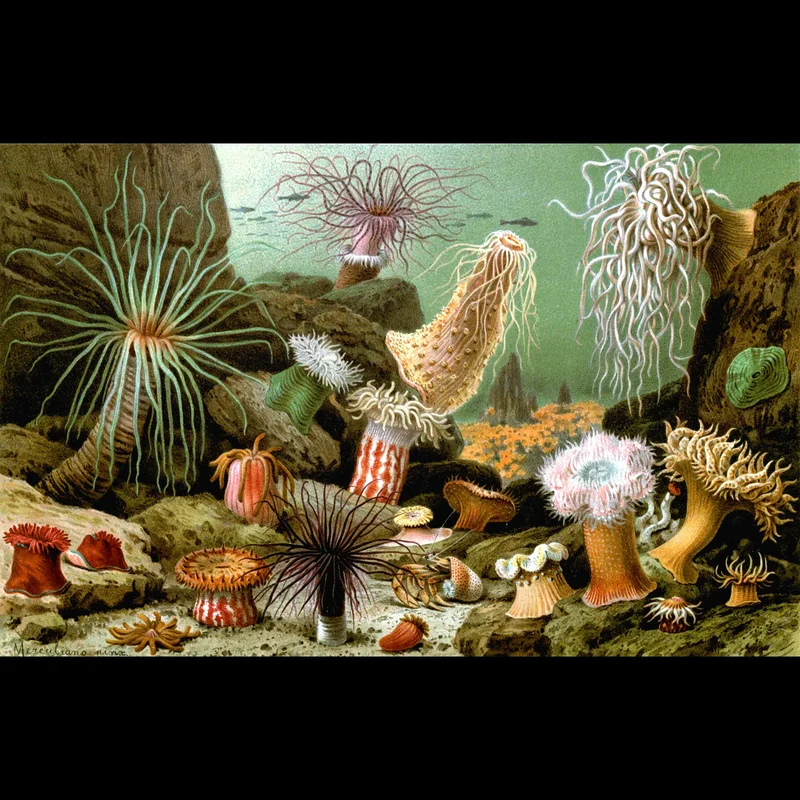
These kelp ecosystems are vibrant, hosting numerous large fish and monkeyface eels, often found sheltering among the fronds and rocky crevices. Anemones also populate the underwater landscape.
Near the surface, especially closer to Lovers Point, it's common to spot otters and sea lions, adding to the site's appeal. While fishing pressure can influence the density of some fish species, the overall biodiversity within the conservation area remains engaging.

Dive Sites Near Otter Cove
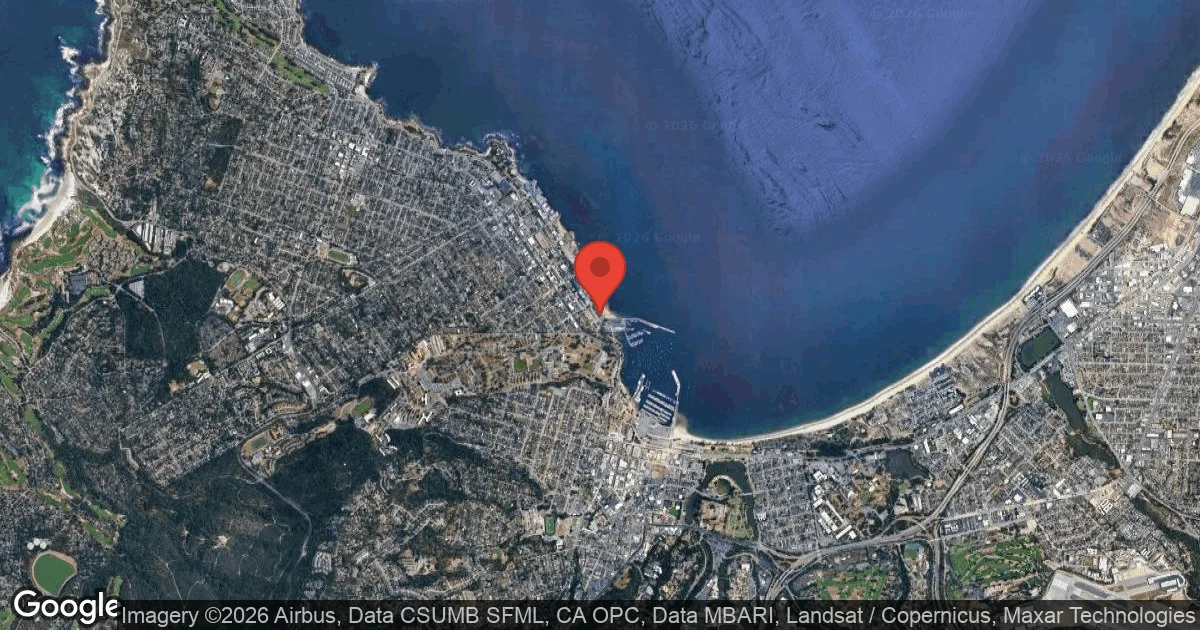
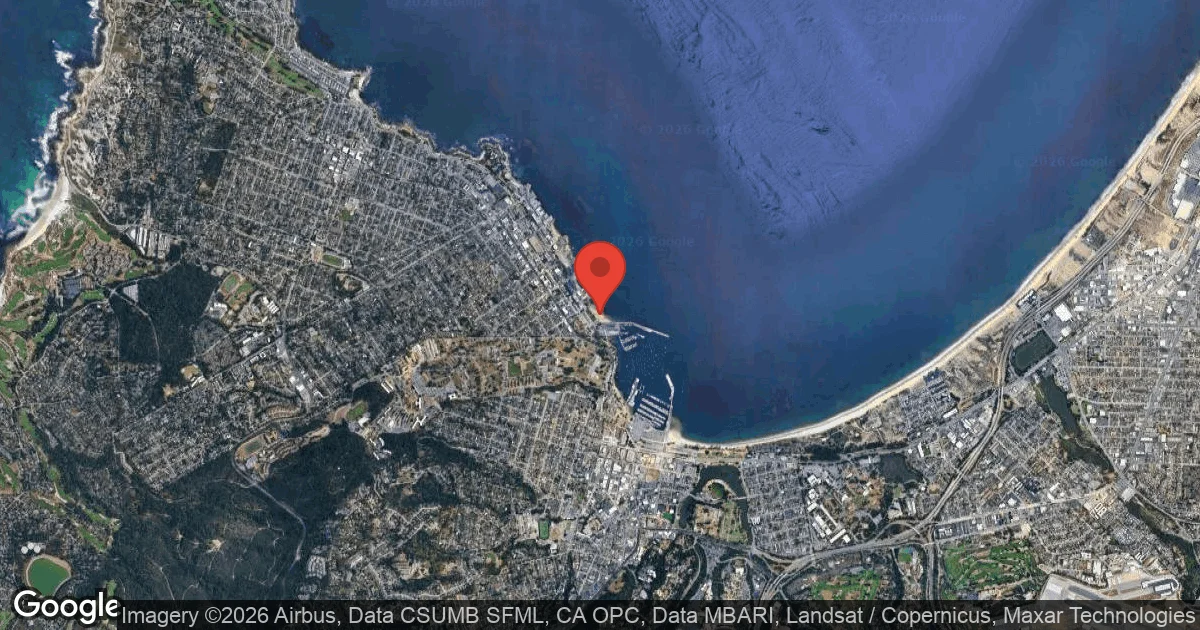
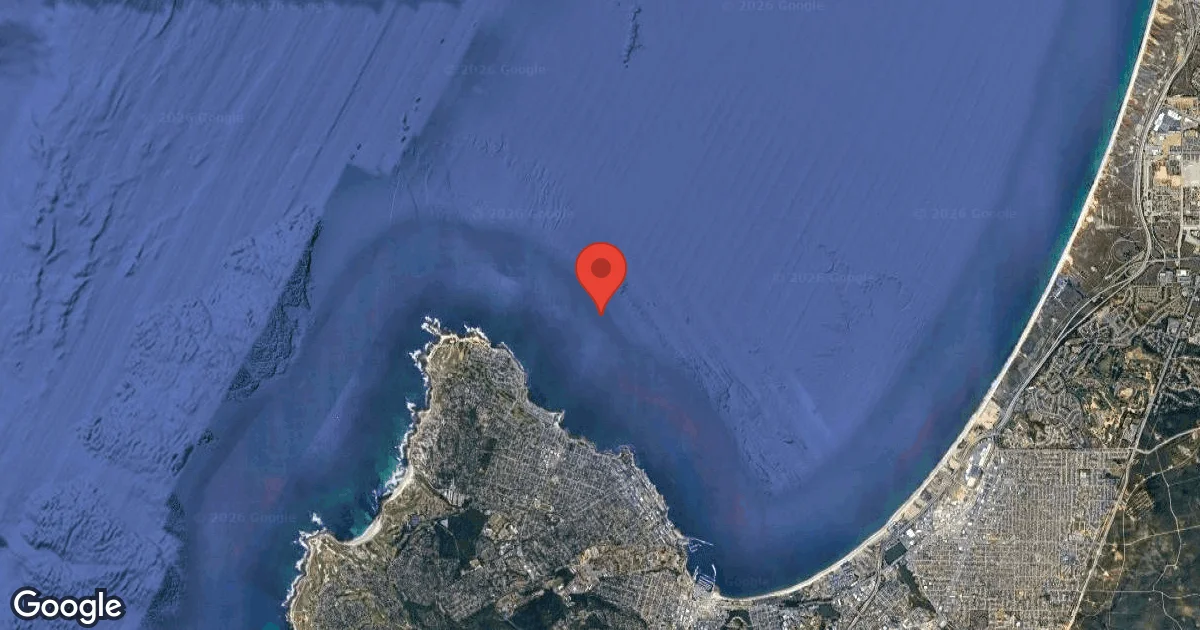
View all dive sites in United StatesDiscover more underwater gems in this area.
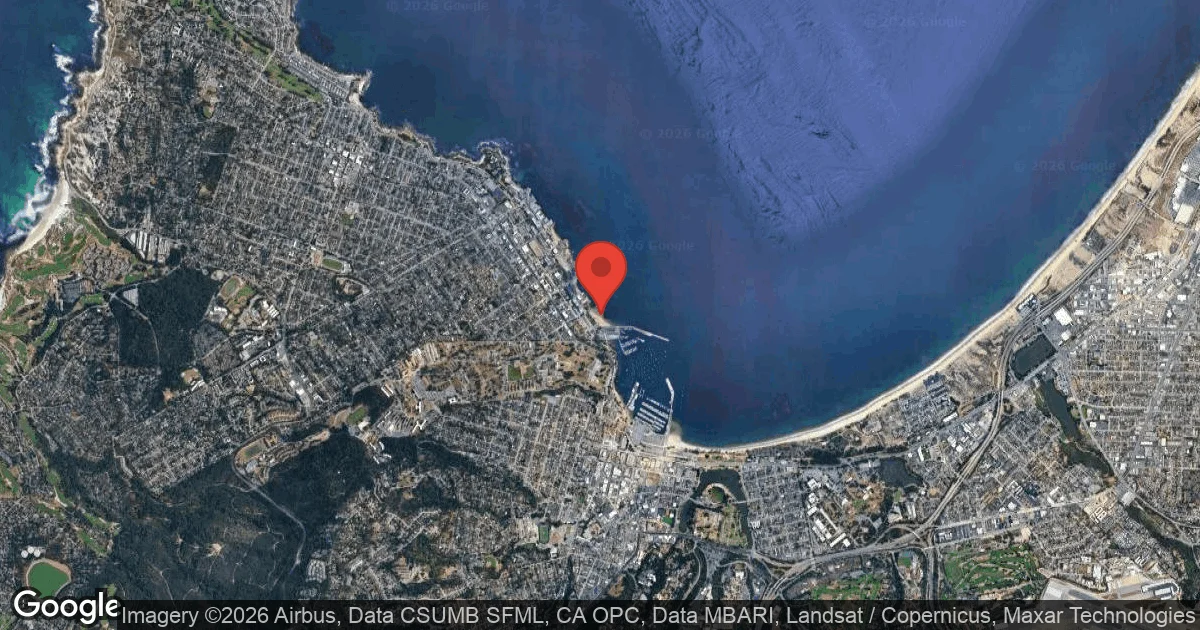
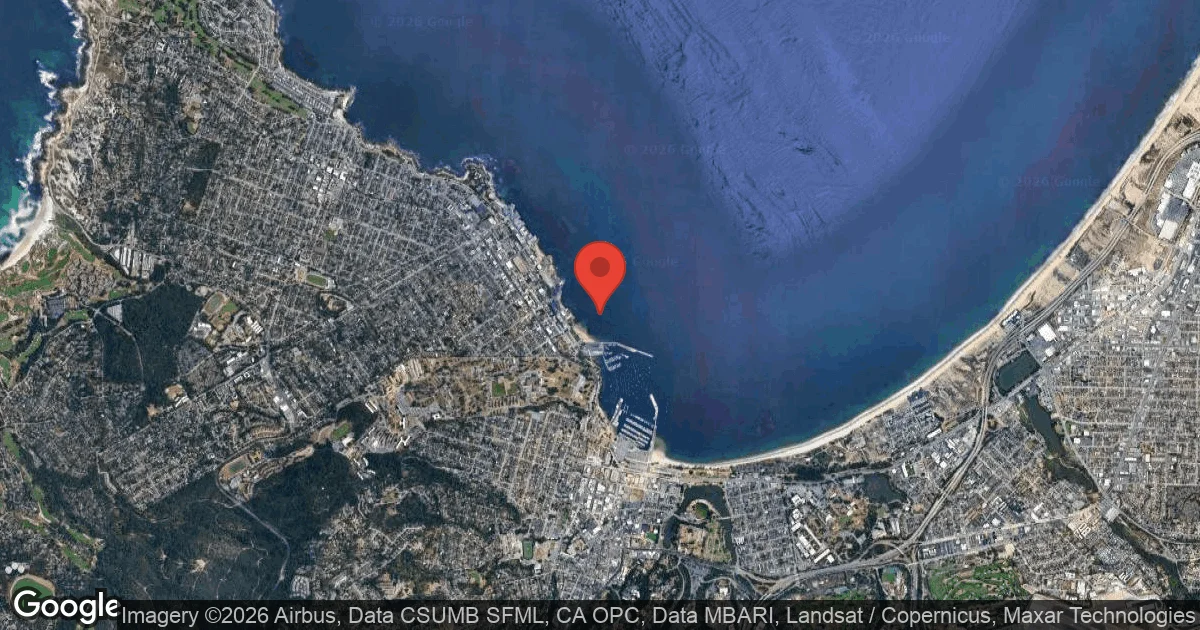
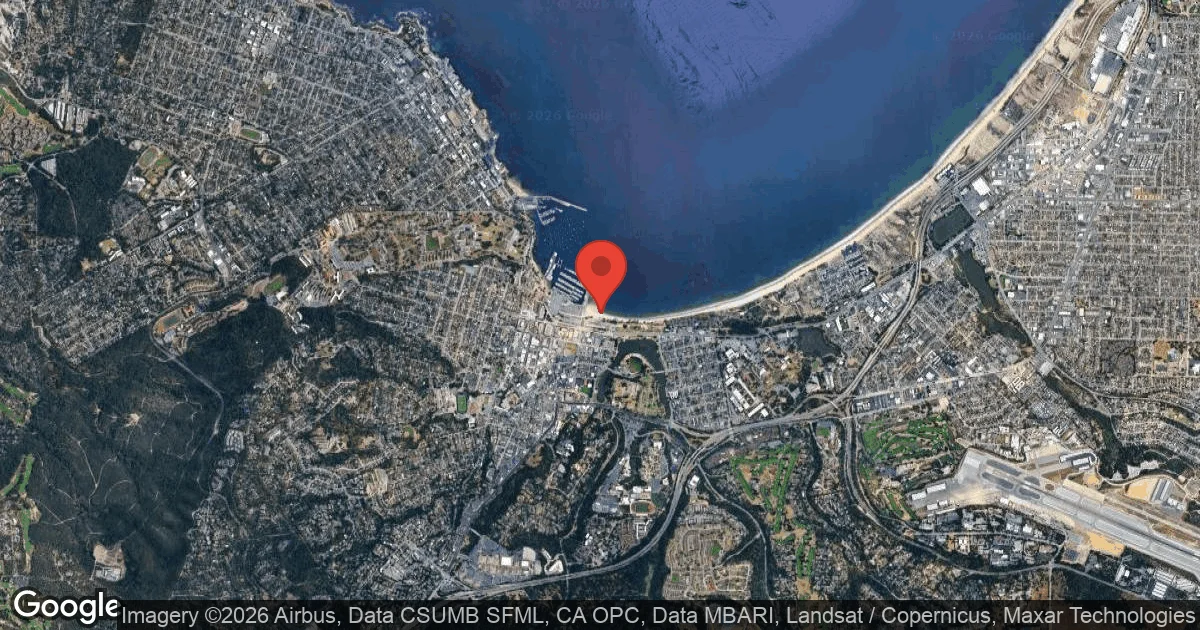
Dive Centers Near Otter Cove
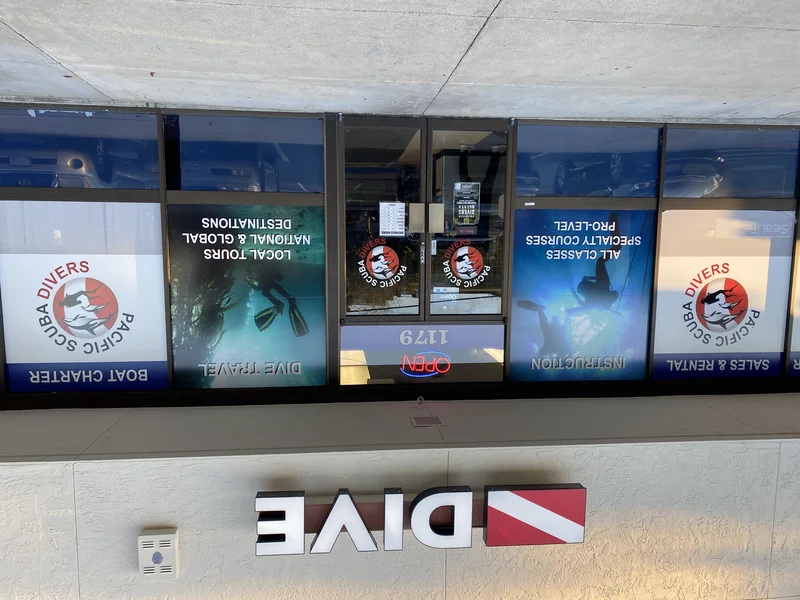
Today: 11:00 - 19:00
Nearest Airports
Nearest airports to help plan travel to this dive area.
Search Flights
Check available flights and routes on Expedia, using the nearby airports listed in this section.
Search Flights on Expedia
Plan Your Stay
Looking for a place to stay for your dive trip? Explore hotels, stays, and vacation rentals for dive groups near Pacific Grove.
Dive Navigator may earn a commission from these links at no extra cost to you.
Frequently Asked Questions
What is the recommended skill level for diving Otter Cove?
Otter Cove is generally suitable for beginner to intermediate divers. However, fluctuating conditions, especially visibility and entry at low tide, mean divers should be comfortable with surface swims and variable environments.
What are the typical depths at Otter Cove?
Depths at Otter Cove typically range from 3 to 12 meters (10-40 ft) near shore. The outer kelp forest can extend to approximately 15 meters (50 ft), offering deeper exploration.
Is spearfishing allowed at Otter Cove?
Yes, the taking of finfish, including spearfishing for species like greenling, ling cod, and cabezon, is permitted at Otter Cove. It is part of the Pacific Grove Marine Gardens State Marine Conservation Area, which allows this activity.
How reliable is the visibility at Otter Cove?
Visibility at Otter Cove is inconsistent; it can range from excellent conditions of 14 meters (45 feet) to as little as 0.6 meters (2 feet). It's advisable to check conditions from the cliff vantage point before entering the water.
What is the best way to access the dive site?
The best way to access the water is via one of the three sets of stairs along the shore, especially at high tide to avoid navigating exposed rocks. A surface swim beyond 90 meters (100 yards) is often recommended to reach clearer water.
Are there any specific marine animals commonly seen at Otter Cove?
Divers often encounter greenling, ling cod, cabezon, large fish, monkeyface eels, and various anemones within the kelp forests. Otters and sea lions are also frequently sighted near the surface and closer to Lovers Point.
Planning to dive Otter Cove?
Send one inquiry and receive offers directly from the best verified local dive operators.
Conditions are Moderate
Optimal conditions expected
Current conditions near Otter Cove show 15° air, 17° sea temperature, 1.7 m waves, and 34 km/h wind. Forecast data is refreshed regularly to ensure accuracy.