
Diving at San Carlos Beach (United States)
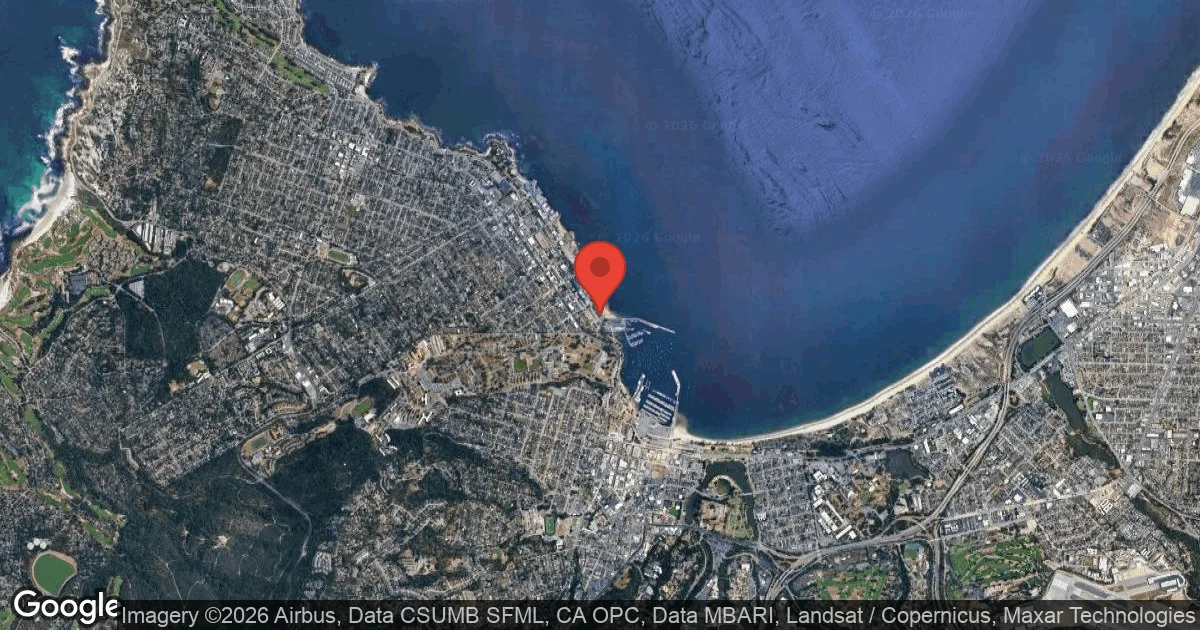
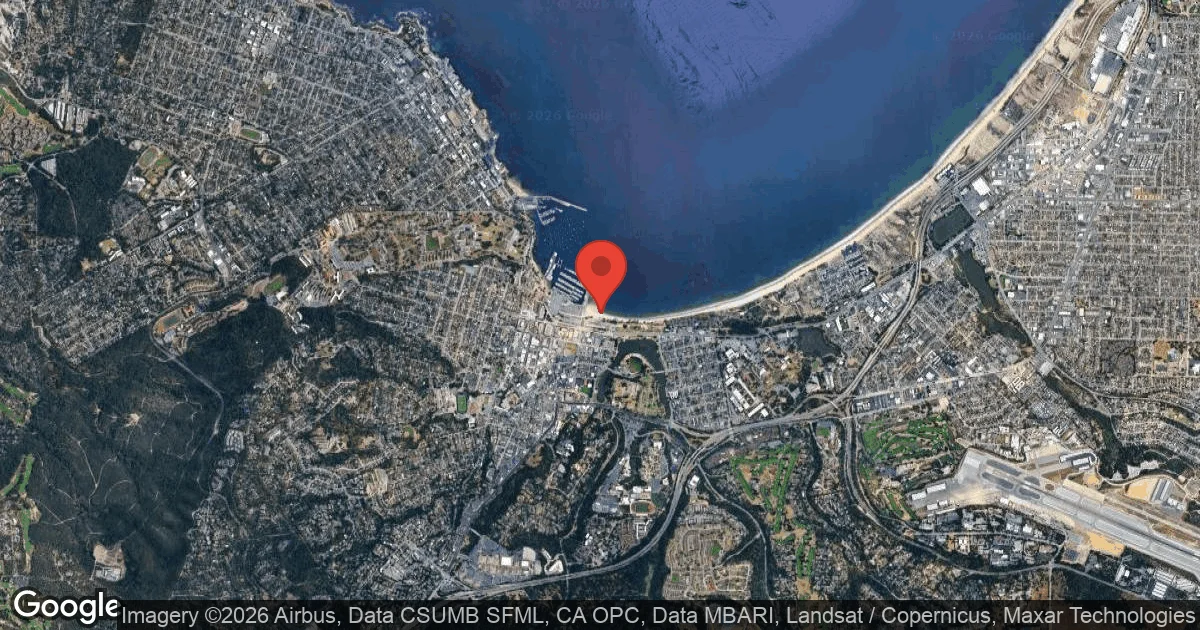
Stepping onto the sandy shore of San Carlos Beach, divers immediately notice its accessible entry points. This popular Monterey site serves as a vital training ground, yet also provides diverse underwater environments for certified divers. Its protected bay location and facilities make it a convenient starting point for many local underwater explorations.
Tonight's objective overview for San Carlos Beach shows an air temperature of 17°C. The measured surface conditions include wave heights around 1 m. This environmental data is logged for the close of the day.
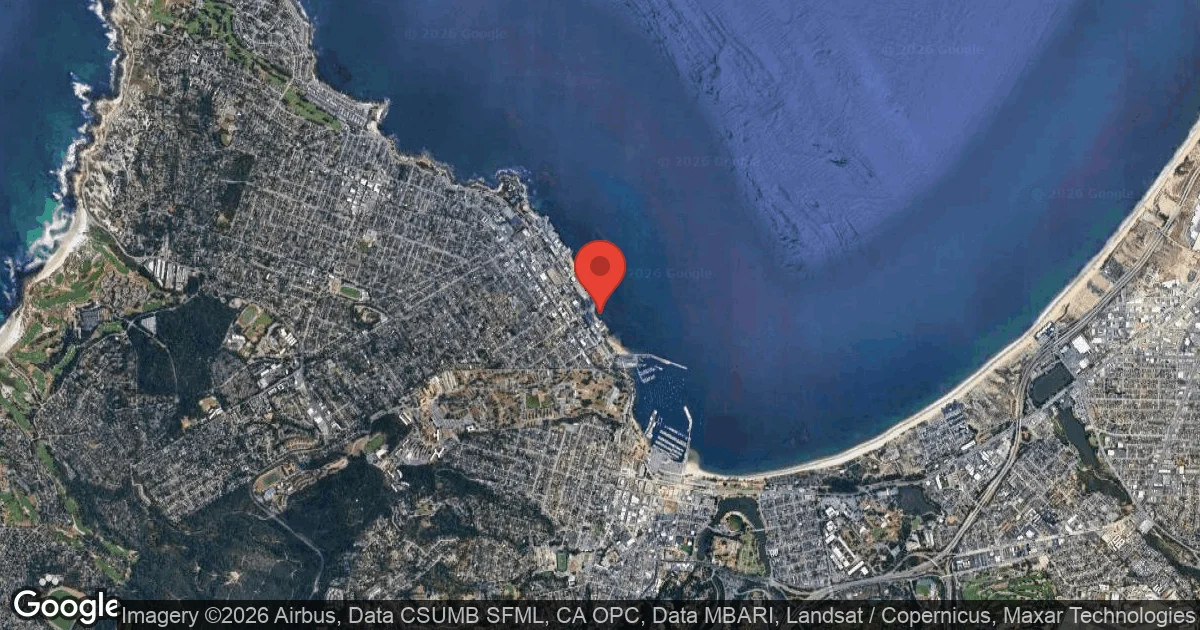
Dive Site Location & Key Facts
Dive Site Overview
San Carlos Beach provides a surprising range of underwater landscapes, transitioning from sandy bottom entries to significant reef structures. Exploring the site, divers can choose between the main breakwater, an extensive kelp forest, or follow notable underwater features like the 'Big Pipe.' This pipe begins in shallows around 5.5 m (18 ft) near the pumphouse and extends to deeper sections, reaching 14.3 m (47 ft) at its end.
Nearby, divers can locate a concrete block at 10.7 m (35 ft) and venture towards the Metridium Fields and a ballast rockpile, which lie around 15.2-16.2 m (50-53 ft). While often busy with classes, particularly in the shallower zones, experienced divers can navigate towards the end of the breakwater or seek out the expansive Metridium fields for quieter encounters. The gradual slope here allows for depths reaching a maximum of 15-18 m (50-60 ft), accommodating a variety of recreational dive profiles.
Conditions are Moderate
Optimal conditions expected
Current conditions near San Carlos Beach show 17° air, 17° sea temperature, 1.6 m waves, and 34 km/h wind. Forecast data is refreshed regularly to ensure accuracy.
Best Time to Dive
Considering dive conditions, July and August frequently present the most favorable experiences at San Carlos Beach, aligning with its 'Good' dive scores. During these months, air temperatures are at their highest, averaging 14.5-15.5°C (58-60°F), coupled with the lowest average rainfall, typically less than 0.04 mm. Wave heights also tend to be minimal, generally around 1.3-1.4 m (4.3-4.6 ft), contributing to calmer surface conditions. Conversely, winter months, particularly February and March, are marked by higher rainfall, increased wind speeds, and larger wave heights, often leading to 'Poor' dive scores. While the bay offers some protection from surf, strong storms can significantly reduce visibility and make entry challenging. Planning dives during the summer and early fall will generally yield clearer water and more comfortable air temperatures.
PEAK SEASON SCORE
Scores combine air & water temps, waves, wind & rainfall for overall conditions.
BEST MONTHS TO DIVE
Monthly records compiled from satellite and marine observation nodes over the last 3 years. Data provided by Open-Meteo and MET Norway.
Dive Experience & Conditions
Beneath the surface, water temperatures are notably cool year-round; reported temperatures in early spring can be around 11.5°C (53°F). Divers exploring the breakwater can follow contours down to 15 m (50 ft) or maintain shallower depths of 4.5-7.6 m (15-25 ft) where marine life is often more concentrated. Visibility at San Carlos Beach is variable; conditions around 9 m (30 ft) are not uncommon, but can be reduced depending on diver activity and recent weather. Despite its location within a bay, significant storm activity can generate enough surf to affect the site, making entries and exits more demanding. Divers should expect the presence of many other divers, especially on weekends, influencing localized visibility and overall site dynamics.
Dive Difficulty & Safety Guidelines
For a smooth dive at San Carlos Beach, consider a few local insights beyond standard dive protocols. Parking enforcement is active, so ensure meters are paid or permits displayed to avoid citations. While restrooms are locked after sundown, portapotties near the breakwater remain accessible for night divers.
Arriving early on weekends is advisable to secure parking, given the site's popularity with both recreational and training divers. Maintain situational awareness, particularly in shallower areas where dive classes often congregate, to prevent accidental contact and manage visibility expectations. Always carry a dive flag and a cutting tool.
Recommended Equipment
- Dive Computer
- Hard-soled Dive Boots
This gear list is based on verified equipment signals for San Carlos Beach, United States. Always confirm final gear choices with your dive operator, guide, or liveaboard.
Recommended Dive Suit
With water temperatures around 17°C (62°F), many divers find a 5-7mm wetsuit provides comfortable protection.
Being prepared with flexible exposure options is a common approach among experienced divers.
The next few days appear likely to bring similar environmental conditions.
Emergency & Medical Support
Essential information to help you plan your dive trip to San Carlos Beach.

Hyperbaric chambers are a critical part of dive safety infrastructure. Availability varies significantly by region, and not all dive areas have immediate access.
Before diving, it's recommended to:
- confirm nearest medical facilities
- check emergency procedures with local dive operators
- ensure dive insurance covers evacuation if required
Divers Alert Network
Diving emergency assistance available through DAN World.
+1-919-684-9111- 24/7 emergency hotline
- Diving medical assistance
- Evacuation coordination
Emergency contacts are provided for reference. Always verify local emergency services before diving.
Marine Life at San Carlos Beach
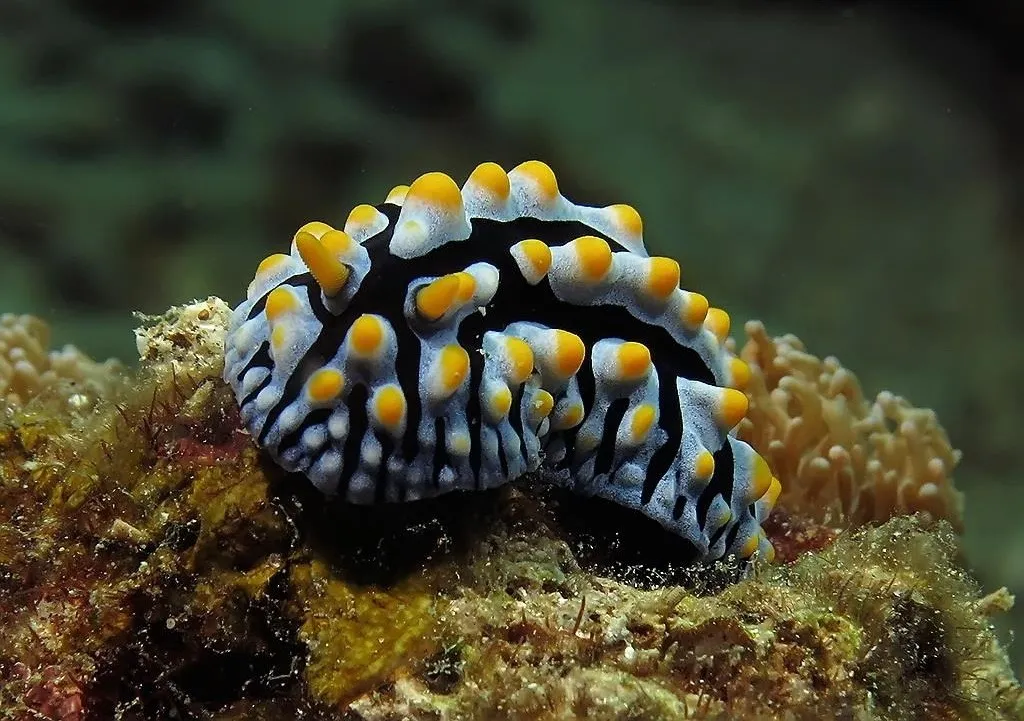
Marine life at this site offers varied sightings across its distinct habitats. Along the breakwater, divers often encounter schools of blacksmith and colorful nudibranchs on the rocky surfaces.
Octopus are frequently observed in the sandy channels adjacent to the rock wall, particularly during night dives when different critters emerge. Sea lions are a common sight, sometimes engaging curiously with divers, especially closer to the end of the breakwater.
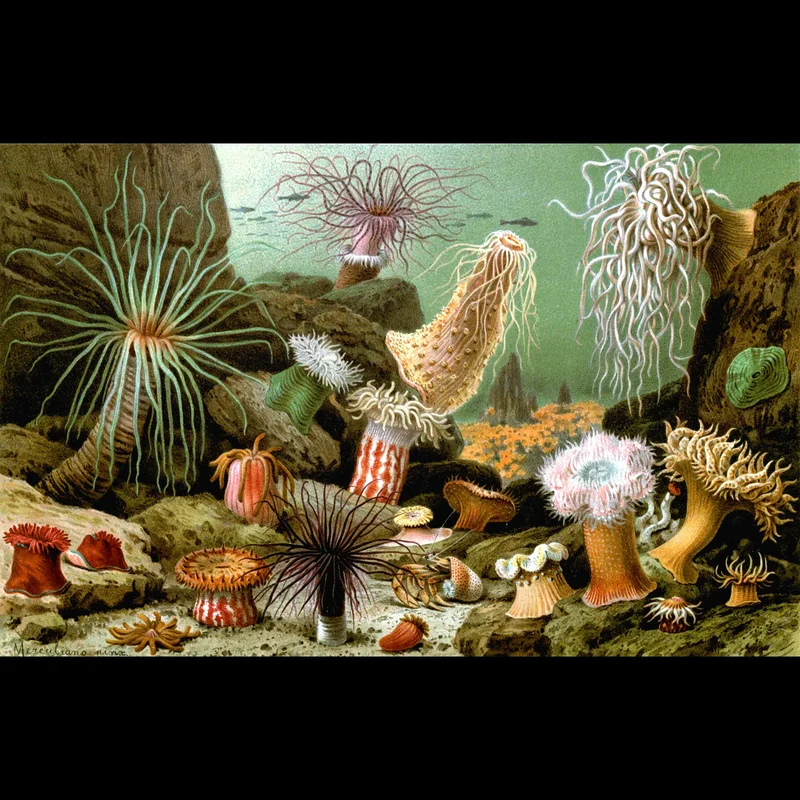
The Metridium fields further offshore provide an impressive display of these large, white anemones, while kelp forests harbor rock fish and other invertebrates, making for a rich, if cool, underwater experience.

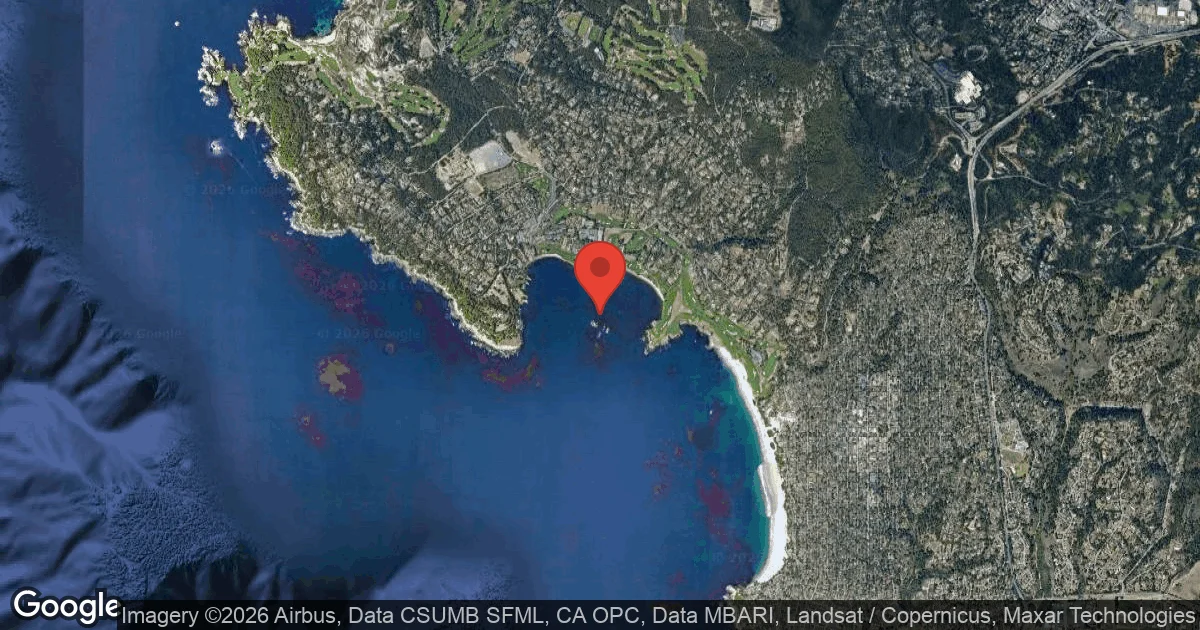
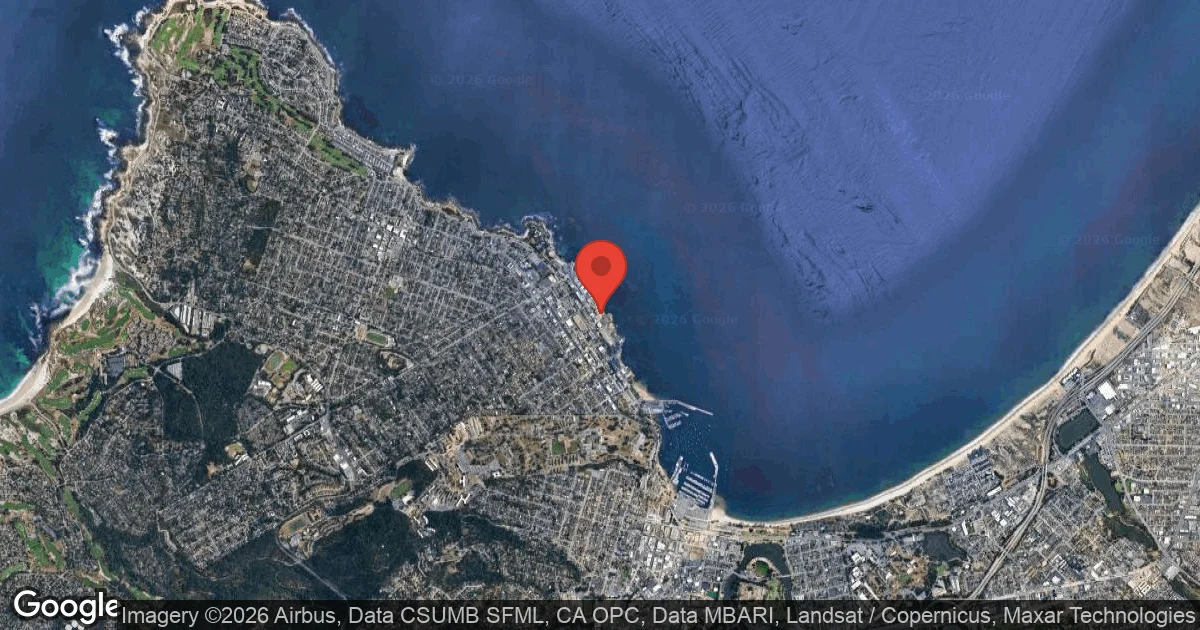
Dive Sites Near San Carlos Beach
View all dive sites in United StatesDiscover more underwater gems in this area.
Dive Centers Near San Carlos Beach
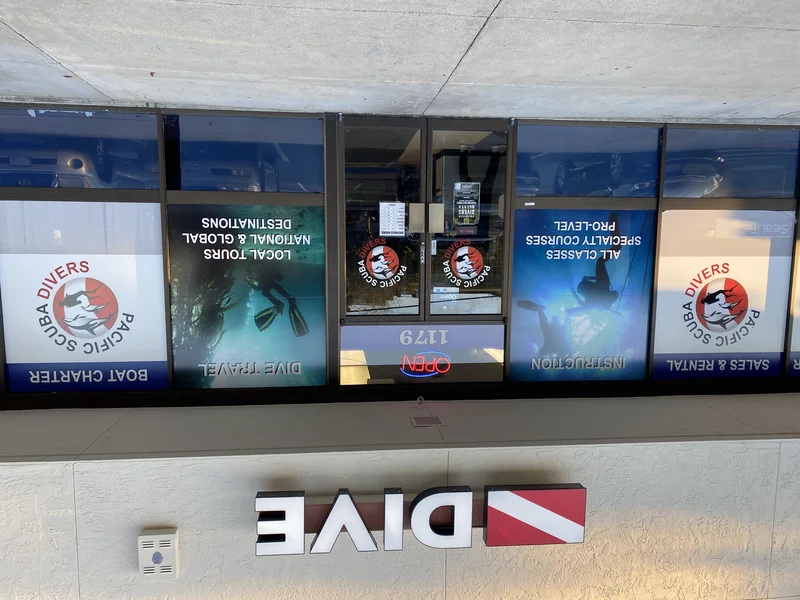
Today: 11:00 - 19:00
Nearest Airports
Nearest airports to help plan travel to this dive area.
Search Flights
Check available flights and routes on Expedia, using the nearby airports listed in this section.
Search Flights on Expedia
Plan Your Stay
Looking for a place to stay for your dive trip? Explore hotels, stays, and vacation rentals for dive groups near Monterey.
Dive Navigator may earn a commission from these links at no extra cost to you.
Frequently Asked Questions
What are the typical dive depths at San Carlos Beach?
Depths at this site generally range from shallow areas starting at 5.5 m (18 ft) near the shore to a maximum recreational depth of 15-18 m (50-60 ft) in sections like the Metridium fields or along the deeper contours of the breakwater.
Is San Carlos Beach suitable for night diving?
Yes, San Carlos Beach is considered an excellent location for night diving. Different marine life, such as octopus and various critters from the rock wall, become active after dark. Parking is generally well-lit, and permits are not needed after 8:00 pm.
What is the water temperature like?
Water temperatures are consistently cool. Reported conditions in early spring can be around 11.5°C (53°F), indicating that thermal protection like a drysuit or a thick wetsuit is highly recommended year-round.
How is parking at San Carlos Beach?
Parking is available off Foam St. and Cannery Row, primarily metered or pay-parking for all-day use. It's advisable to arrive early, especially on weekends, as the area is very popular. Be sure to pay, as parking patrol is active.
What kind of marine life can I expect to see?
Divers often encounter sea lions, various species of rock fish, and nudibranchs. Octopus are common in the sandy channels, particularly at night. The site also features extensive Metridium fields and kelp forests supporting diverse invertebrates.
Is the site protected from ocean waves?
Yes, being located within a bay, San Carlos Beach is relatively protected from direct ocean waves. This contributes to generally calmer conditions, though severe storms can still generate significant surf affecting entries and visibility.
Planning to dive San Carlos Beach?
Send one inquiry and receive offers directly from the best verified local dive operators.
Conditions are Moderate
Optimal conditions expected
Current conditions near San Carlos Beach show 17° air, 17° sea temperature, 1.6 m waves, and 34 km/h wind. Forecast data is refreshed regularly to ensure accuracy.