
Diving at Numerous Monterey and Carmel Bay Sites (United States)
Diving in Monterey and Carmel Bay presents a spectrum of cold-water conditions, with water temperatures varying seasonally and visibility fluctuations depending on the specific site and recent oceanographic activity. These Californian coastal waters are consistently cool, necessitating appropriate exposure protection for comfortable and safe exploration. Divers frequently encounter a mix of currents and surge, requiring careful planning and awareness.
Tonight's objective overview for Numerous Monterey and Carmel Bay Sites shows an air temperature of 15.5°C. The measured surface conditions include wave heights around 1.3 m. This environmental data is logged for the close of the day.
Dive Site Location & Key Facts
Dive Site Overview
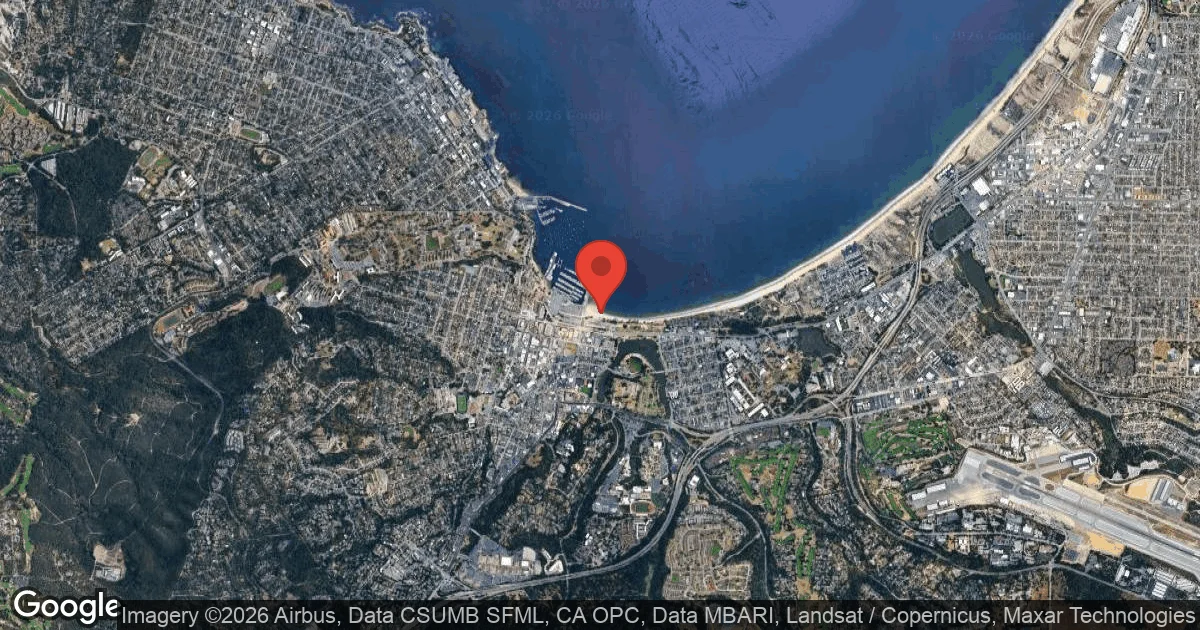
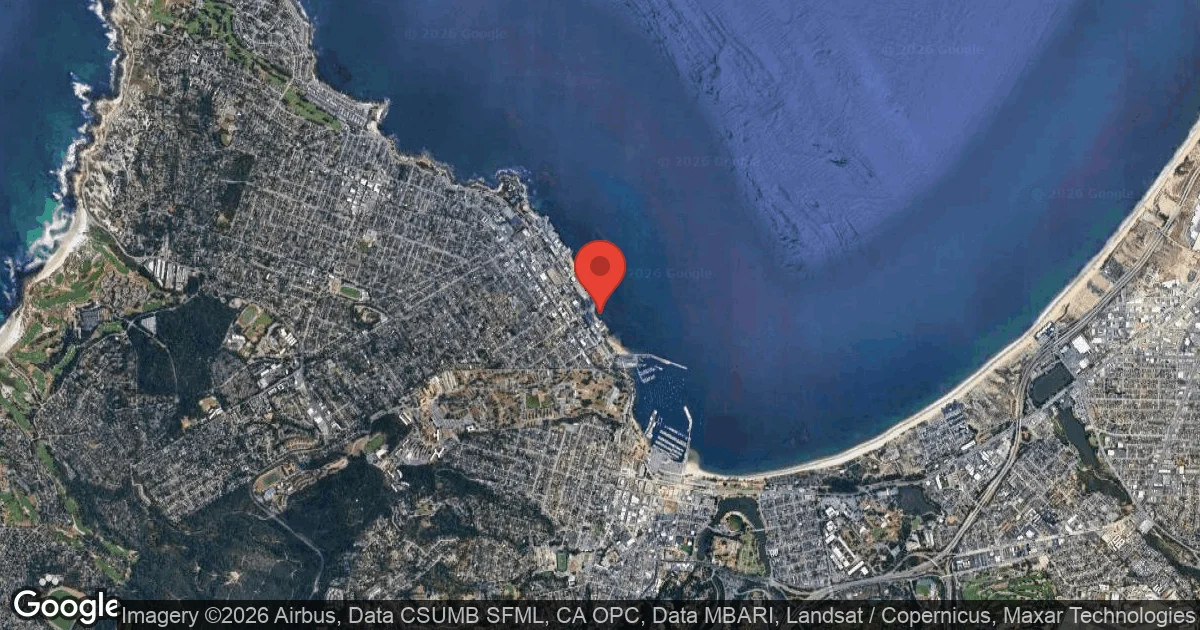
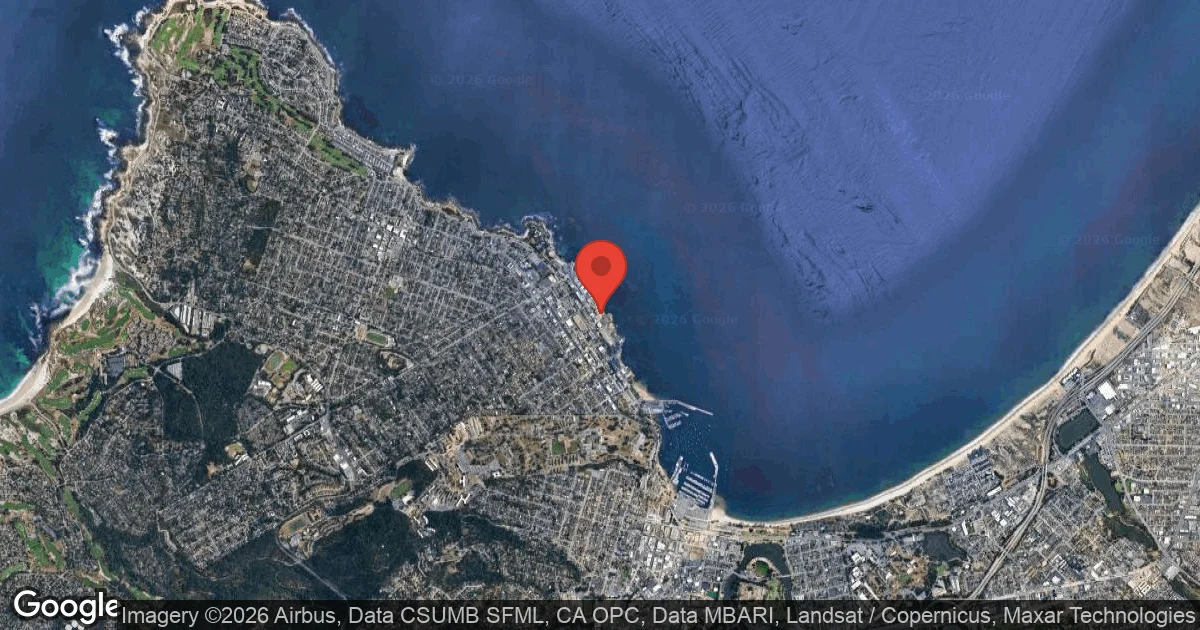
An exploration of Monterey and Carmel Bay reveals a dual nature to their underwater environments, each with distinct characteristics that appeal to diverse diving preferences. Near the historic Cannery Row, Monterey Bay’s shore sites often showcase remnants of its sardine fishing past, blending natural marine habitats with an industrial legacy.
This urban-adjacent diving provides a glimpse into the area's heritage beneath the surface. Venturing further, the underwater landscape of Monterey Bay frequently features a silty seafloor that can influence visibility, yet it hosts impressive formations of giant metridium anemones, creating dramatic white-and-orange displays against the cooler water.
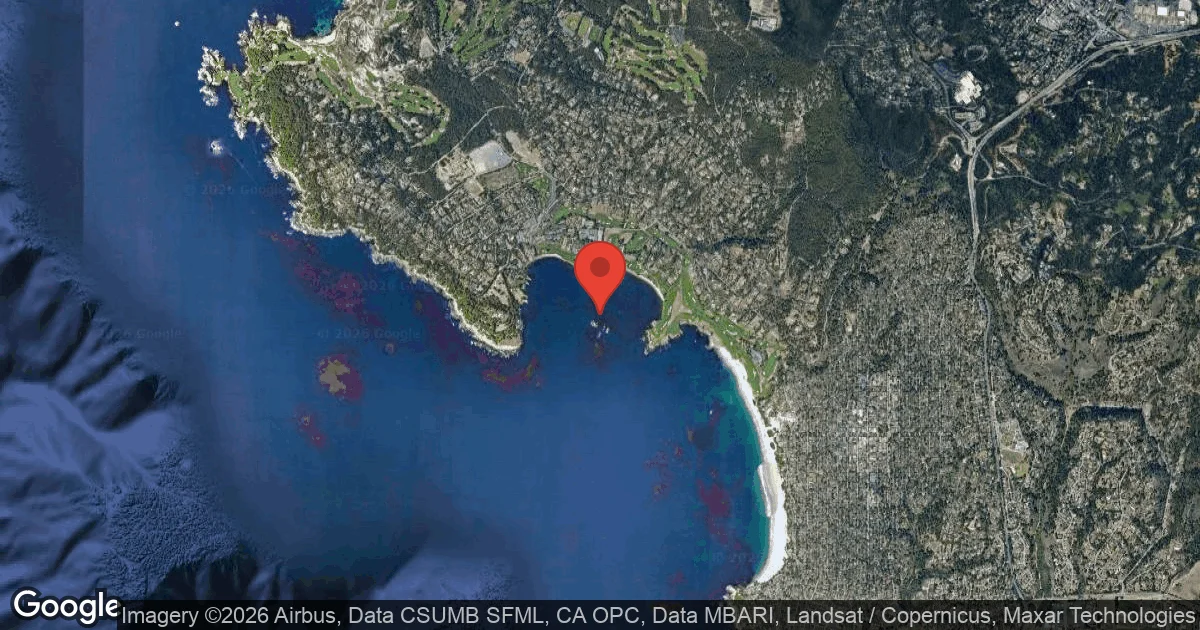
In contrast, Carmel Bay, just a short distance south, consistently presents brighter conditions and a more vibrant palette of colors underwater. The greater water clarity here allows for better appreciation of the rich reds, purples, and yellows that characterize its reef systems and walls.
Both bays provide extensive diving opportunities, accessible from shore for convenient entry, or by boat for reaching more remote and untouched locations. Dive experiences range widely, from relatively shallow areas perfect for new divers seeking their initial certifications to more challenging, deeper excursions that test the skills of experienced cold-water enthusiasts.
These protected waters, including various marine sanctuaries, safeguard a rich tapestry of marine life, making the region a compelling destination for underwater discovery.
Weather Error: fetch failed
Best Time to Dive
Planning a dive trip to Monterey and Carmel Bay often benefits from understanding the seasonal shifts that influence local conditions. The most favorable period for underwater exploration typically falls within July and August. During these summer months, divers can expect the most comfortable surface conditions, with average air temperatures peaking between 14.5-15.5°C / 58-60°F. Rainfall is also at its lowest, frequently measuring less than 1 mm, minimizing surface runoff and its potential impact on nearshore visibility. Importantly, these two months often bring a reduction in wave heights and wind speeds across the bays, creating calmer seas for boat travel and shore entries compared to the more turbulent winter and spring periods. While the peak summer months offer the most consistent conditions, the shoulder months of June and September also frequently provide moderate and enjoyable diving experiences. Conversely, divers should anticipate more challenging conditions during February and March. These late winter and early spring months are characterized by increased wave activity and higher rainfall, which can lead to reduced visibility and more demanding entries and exits. For optimal comfort and clarity, targeting the late summer remains the most reliable strategy.
PEAK SEASON SCORE
Scores combine air & water temps, waves, wind & rainfall for overall conditions.
BEST MONTHS TO DIVE
Monthly records compiled from satellite and marine observation nodes over the last 3 years. Data provided by Open-Meteo and MET Norway.
Dive Experience & Conditions
Dive sites in this region present a broad spectrum of depth profiles and underwater structures, catering to various skill levels. Breakwater/San Carlos Beach, a frequented location, typically keeps divers within 6-18 m / 20-60 ft, suitable for introductory experiences across its sandy bottom, wall, and middle reef. In contrast, more advanced sites like North Monastery can quickly reach depths exceeding 36 m / 120 ft, though much of the compelling marine life here thrives in shallower zones. Other locations, such as Point Lobos and Bluefish Cove, feature dramatic underwater topography with canyons, walls, and pinnacles. Diving there frequently explores moderate depths, extending to deeper environments for experienced divers. Visibility in these bays varies significantly, from limited meters on challenging days in inner Monterey Bay to excellent clarity, sometimes over twenty meters, during optimal conditions in Carmel or outer Monterey Bay. Diver preparedness for fluctuating conditions is key.
Dive Difficulty & Safety Guidelines
Divers considering these sites should be mindful of varying conditions; many locations can become difficult depending on surge, visibility, and wave action. Due to potential hazards like slippery entry points at Point Lobos or the deceptive waves at North Monastery during significant swell, divers unfamiliar with the area should consider hiring a local guide. Planning requires confirming reservations for popular spots such as Point Lobos, where buddy diving is mandatory.
It's also important to verify site-specific regulations, as both bays contain a complex system of marine protected areas.
Recommended Equipment
- Dive Computer
This gear list is based on verified equipment signals for Numerous Monterey and Carmel Bay Sites, United States. Always confirm final gear choices with your dive operator, guide, or liveaboard.
Recommended Dive Suit
Comfort levels can also depend on how active a diver is during the dive.
The water around Numerous Monterey and Carmel Bay Sites is currently holding at approximately 17°C (62°F), setting the tone for today's dives. Surface air temperatures are resting at 16°C (60°F). When water temperatures fall within this range, many divers dive comfortably with 5-7mm wetsuit. Consider warmer surface protection (like a boat coat) due to brisk winds. A thermal robe or jacket is recommended between dives.
Conditions are expected to stay fairly consistent in the days ahead.
Emergency & Medical Support
Essential information to help you plan your dive trip to Numerous Monterey and Carmel Bay sites.

Hyperbaric chambers are a critical part of dive safety infrastructure. Availability varies significantly by region, and not all dive areas have immediate access.
Before diving, it's recommended to:
- confirm nearest medical facilities
- check emergency procedures with local dive operators
- ensure dive insurance covers evacuation if required
Divers Alert Network
Diving emergency assistance available through DAN World.
+1-919-684-9111- 24/7 emergency hotline
- Diving medical assistance
- Evacuation coordination
Emergency contacts are provided for reference. Always verify local emergency services before diving.
Marine Life at Numerous Monterey and Carmel Bay Sites
The underwater landscape supports a diverse array of life, with kelp forests being a dominant feature. Divers regularly encounter sea otters, sea lions, harbor seals, and various rock fish.
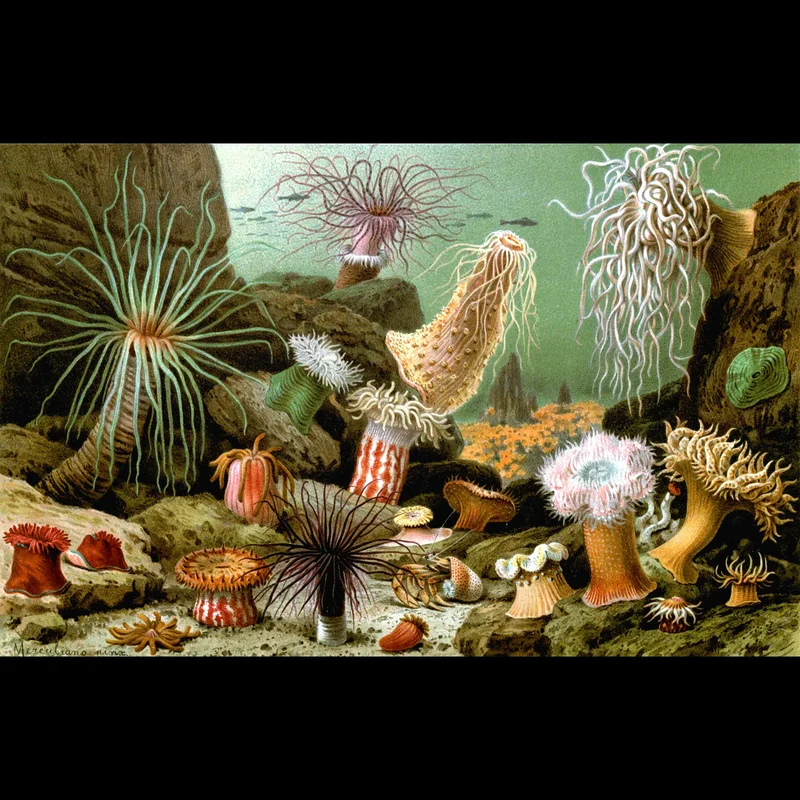
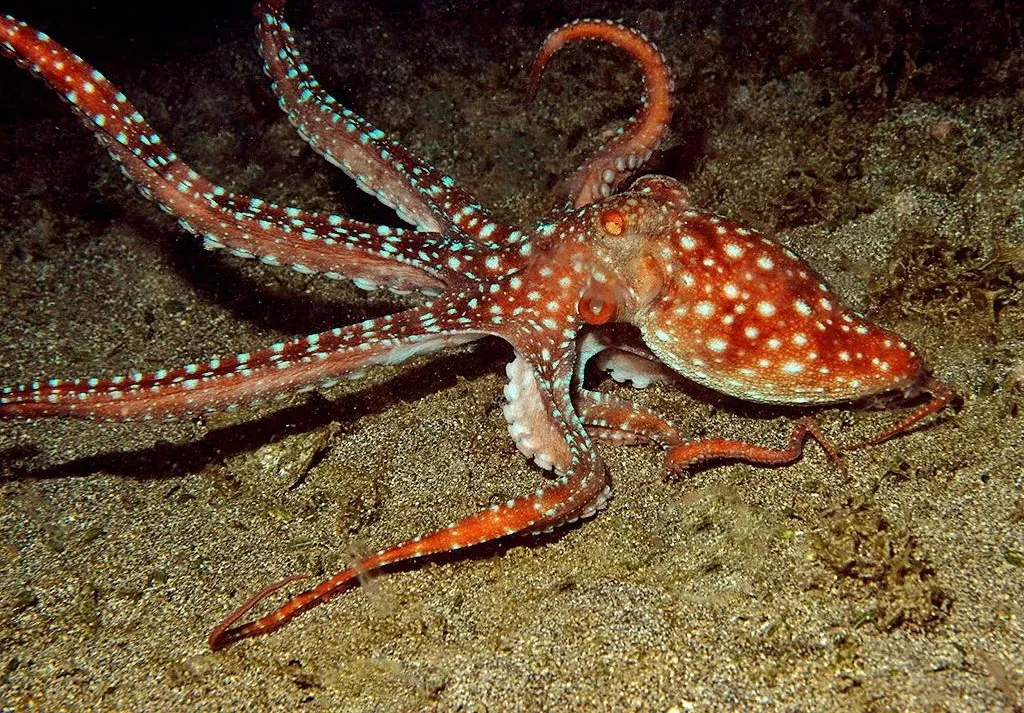
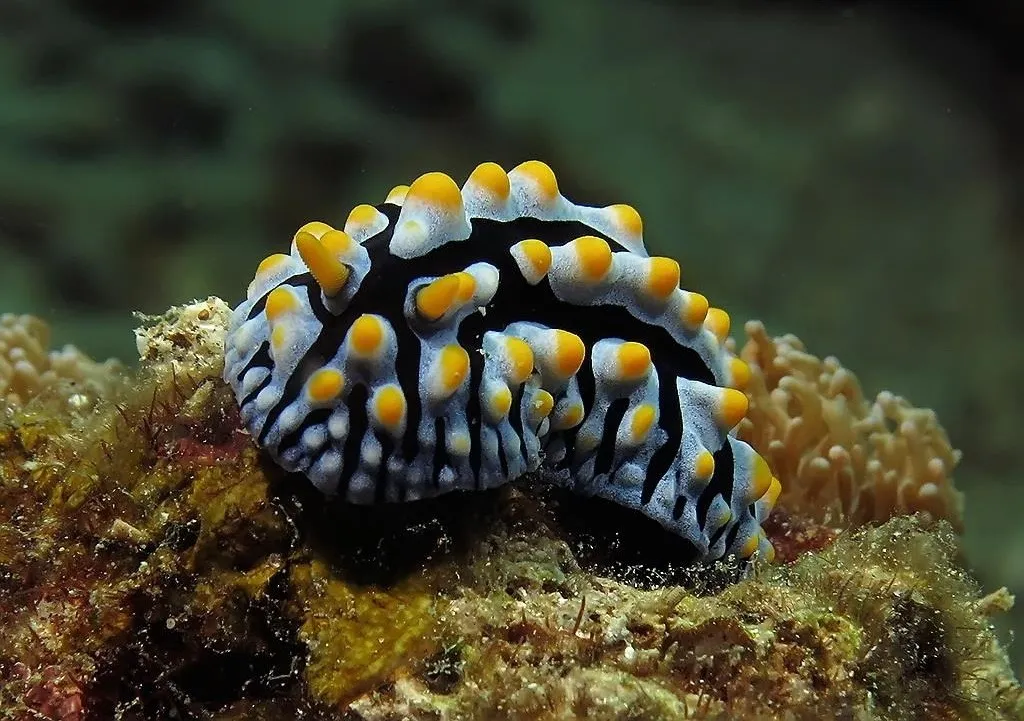
Unique invertebrate displays include vibrant branching hydrocoral and giant metridium anemones, especially prominent in Monterey Bay. Macro life is abundant, offering detailed observations, and a closer look can reveal nudibranchs and octopuses.
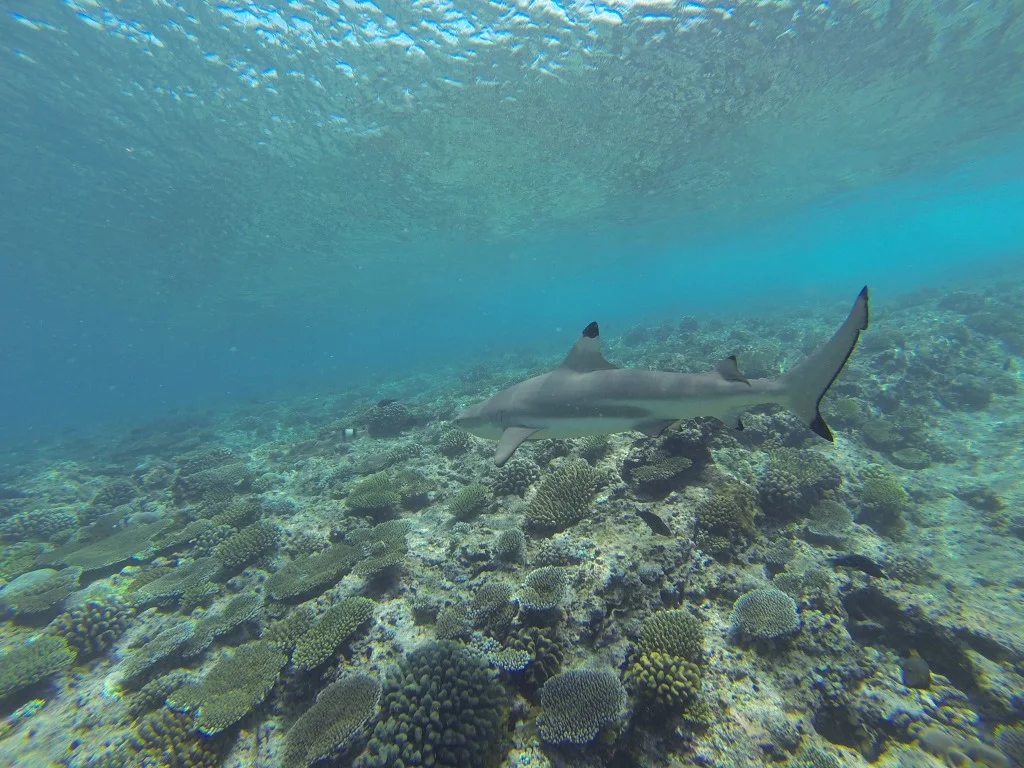
The presence of a nearby underwater canyon can attract pelagic species, including occasional sightings of sharks, whales, and dolphins, particularly in outer bay areas.
Dive Sites Near Numerous Monterey and Carmel Bay Sites
View all dive sites in United StatesDiscover more underwater gems in this area.
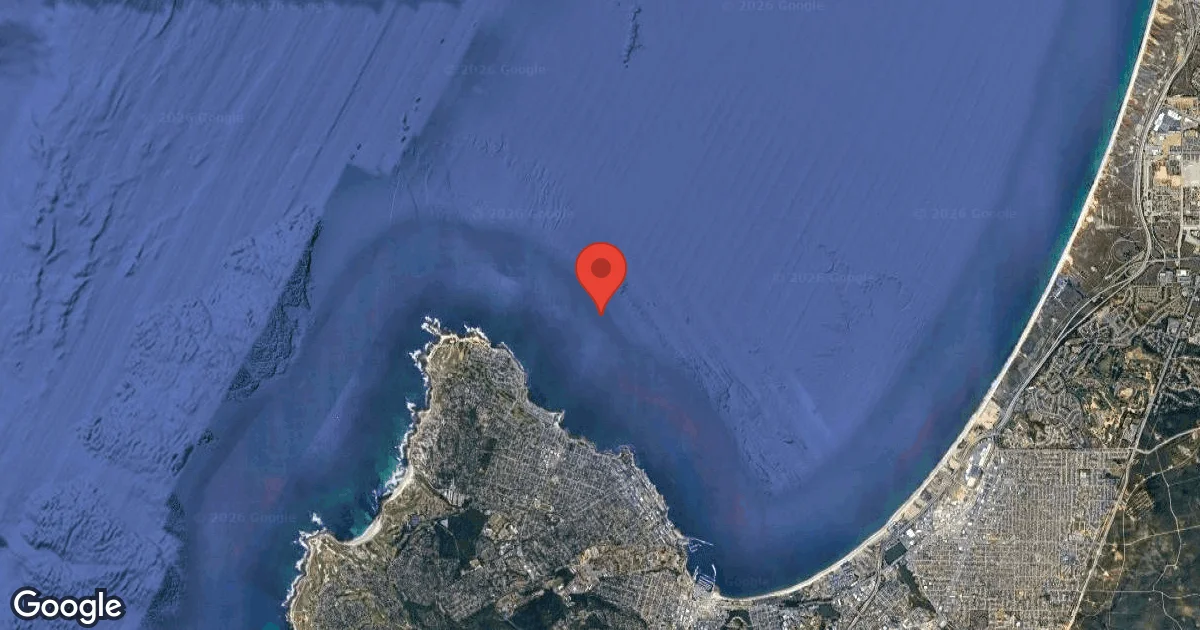
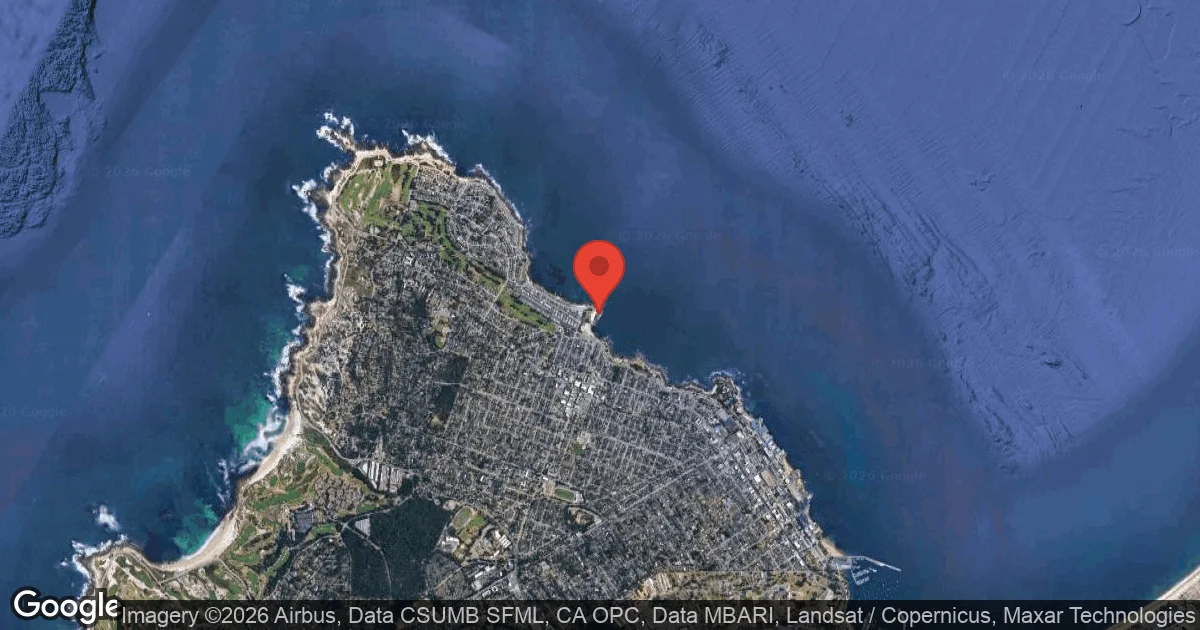
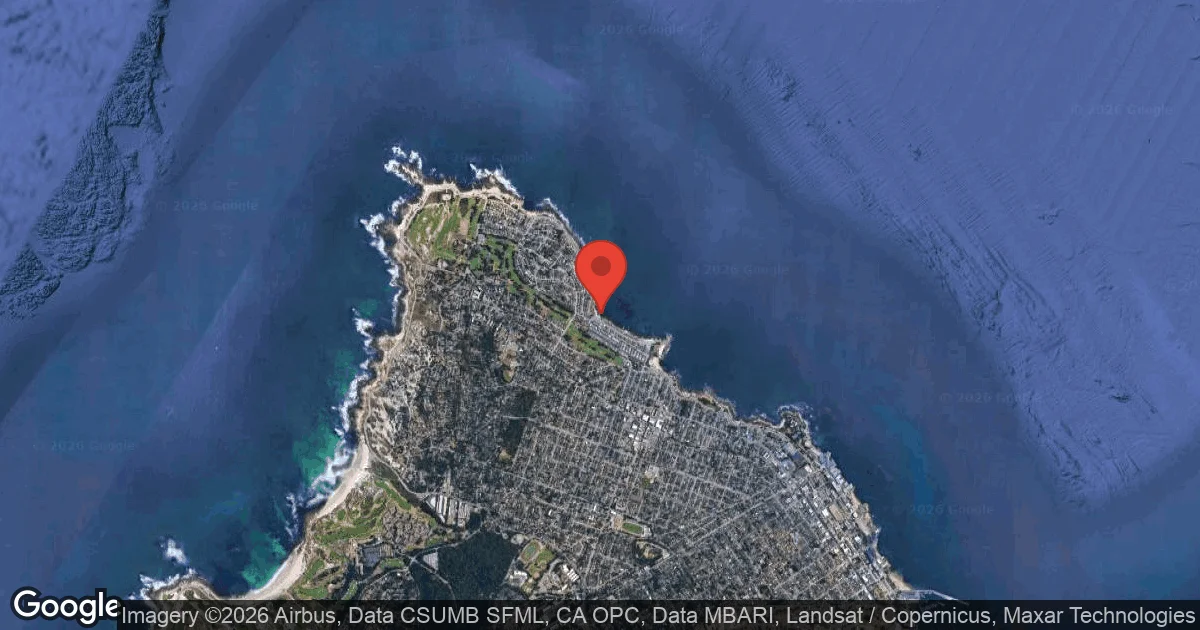
Dive Centers Near Numerous Monterey and Carmel Bay Sites
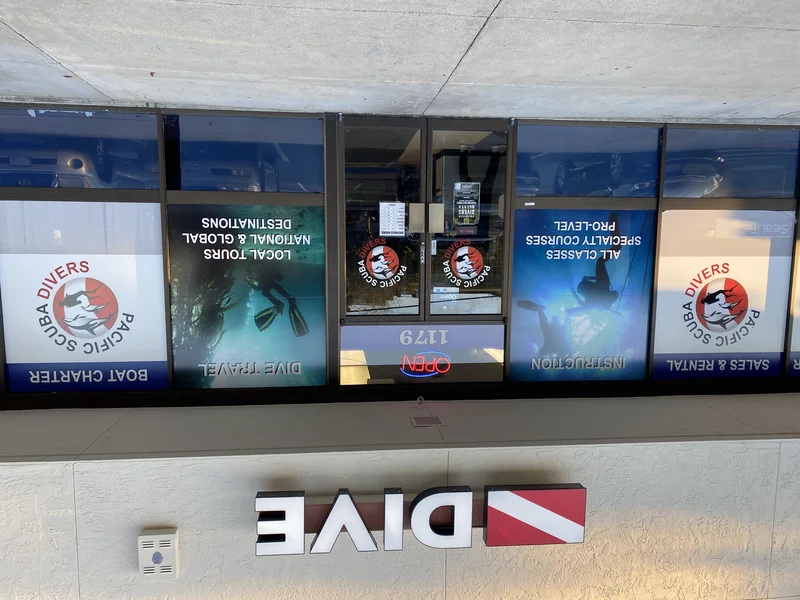
Today: 11:00 - 19:00
Nearest Airports
Nearest airports to help plan travel to this dive area.
Search Flights
Check available flights and routes on Expedia, using the nearby airports listed in this section.
Search Flights on Expedia
Plan Your Stay
Looking for a place to stay for your dive trip? Explore hotels, stays, and vacation rentals for dive groups near Monterey.
Dive Navigator may earn a commission from these links at no extra cost to you.
Frequently Asked Questions
What is the typical water temperature?
Water temperatures in Monterey and Carmel Bays are consistently cool, generally ranging from 10-15°C / 50-59°F throughout the year. Thermal protection like a drysuit or thick wetsuit is strongly recommended.
What skill level is required for diving here?
Dive sites vary from beginner-friendly areas suitable for Open Water Divers to advanced locations requiring experience with cold water, currents, and deeper profiles. Advanced Open Water and Rescue Diver training are beneficial for exploring more challenging sites.
Are there any specific entry requirements for popular sites?
Yes, some popular sites like Point Lobos State Marine Reserve require advance reservations, especially on weekends and holidays. Always check current regulations before planning your dive.
How does visibility differ between Monterey and Carmel Bays?
Visibility varies significantly. Carmel Bay generally offers clearer conditions, often providing many meters of visibility on good days. Monterey Bay's inner areas can be murkier, with visibility sometimes quite limited due to its silty seafloor.
What kind of marine life can I expect to see?
You can anticipate seeing diverse kelp forest inhabitants such as sea otters, sea lions, rock fish, nudibranchs, and octopuses. Both bays also feature unique invertebrate life like hydrocoral and metridium anemones, with chances for pelagic encounters in deeper, outer areas.
Is it necessary to dive with a guide?
While not always mandatory, diving with someone familiar with the local conditions is highly recommended, especially if you're new to cold-water diving or planning to visit more challenging sites like North Monastery. Conditions can change rapidly, making local expertise valuable.