
Diving at Corvan (2) (United States)
Conditions off Pensacola, Florida, often shape the diving experience at sites like the USS Oriskany. This area of the Gulf of Mexico hosts a variety of artificial reefs. Known as the "Great Carrier Reef," the USS Oriskany stands as the world's largest, inviting divers into its vast underwater structure. Recreational and technical divers alike find its immense scale impressive, offering distinct experiences depending on depth and certification. Boat access is standard for exploring these offshore sites.
Tonight's objective overview for Corvan (2) shows an air temperature of 21°C. The measured surface conditions include wave heights around 0.5 m. This environmental data is logged for the close of the day.
Dive Site Location & Key Facts
Dive Site Overview
The USS Oriskany, an Essex-class aircraft carrier, served in both the Korean and Vietnam Wars before finding its final resting place. In 2006, this immense vessel was intentionally sunk 22 miles off the coast of Pensacola, Florida, as part of an artificial reef program.
Measuring 277 m (911 ft) long, 157 ft wide, and 129 ft tall, it holds the title of the world's largest artificial reef. Its structure begins at 25 m (80 ft) with the conning tower, while the main wreck rests in 67 m (220 ft) of water. Recreational divers can explore the tower, officer's quarters, and bridge, reaching a maximum recreational depth of 30 m (100 ft).
Many areas below the flight deck, however, are reserved for those with advanced or technical certifications. Other notable artificial reefs nearby include the Joe Patti Memorial Reef, a 175-foot barge at approximately 50 feet, and the YDT-14/15 sister ships, both resting at similar depths.
Conditions are Good
Optimal conditions expected
Current conditions near Corvan (2) show 21° air, 22° sea temperature, 0.7 m waves, and 35 km/h wind. Forecast data is refreshed regularly to ensure accuracy.
Best Time to Dive
Planning a dive to Pensacola's reefs often yields the most rewarding experiences during the summer and early fall months. From June through September, the region typically records "Good" dive scores, ranging from 7 to 8. During this period, air temperatures are comfortably warm, averaging around 19°C (66°F) in June and peaking at 23°C (73°F) in July. Rain activity remains relatively low, with monthly averages between 2.92 mm and 3.95 mm. Wave heights also tend to be calmer, generally below 1 meter. Conditions remain favorable into October and November, both showing "Good" scores of 7, with October air temperatures around 14°C (57°F). Conversely, winter and early spring months present "Moderate" dive scores, marked by colder air temperatures and higher average wave heights.
PEAK SEASON SCORE
Scores combine air & water temps, waves, wind & rainfall for overall conditions.
BEST MONTHS TO DIVE
Monthly records compiled from satellite and marine observation nodes over the last 3 years. Data provided by Open-Meteo and MET Norway.
Dive Experience & Conditions
Descending into the Gulf's embrace at sites like the USS Oriskany offers a profound sensory impression of an underwater behemoth. The tower itself begins at about 25 m (80 ft), allowing access to the bridge and officer's quarters. Further down, the wreck's full scale becomes apparent as it descends to its impressive maximum depth. Recreational divers typically explore the upper structures, while the main wreck rests in considerably deeper water. Water clarity varies depending on currents and seasonal factors, but often provides good visibility for navigating the immense structure. These artificial reef sites are consistently characterized by saltwater conditions. For shallower exploration, the Joe Patti Memorial Reef rests comfortably at around 50 feet.
Dive Difficulty & Safety Guidelines
Navigating the deep wreck sites like Corvan requires adherence to specific safety protocols and appropriate certification. For instance, exploring the deeper sections of the USS Oriskany, particularly below the flight deck, necessitates advanced or technical diving credentials due to the wreck's deep resting position.
Recreational divers are typically advised to limit their penetration and stay within common recreational depth limits, focusing on the upper structures. Recommended training includes PADI Advanced Open Water, Enriched Air Diver, Deep Diver, and Wreck Diver courses, which provide essential skills for managing complex environments.
All dives to these offshore sites are conducted via boat entry. Always dive within your training and experience limits, and use surface marker buoys for safety.
Recommended Equipment
- Dive Computer
This gear list is based on verified equipment signals for Corvan (2), United States. Always confirm final gear choices with your dive operator, guide, or liveaboard.
Recommended Dive Suit
3-5mm wetsuit is often considered an appropriate level of exposure protection for conditions like these. A hood or vest is suggested for sensitive divers due to surface winds. Surface intervals may feel cooler.
Current readings at Corvan (2) show water temperatures near 22°C (71°F). Surface air temperatures are resting at 21°C (70°F).
A modest cooling trend is expected in the upcoming forecast. Cooler days are ahead; you might want a warmer option for later in the week. Having a second exposure option available is often a good precaution.
Emergency & Medical Support
Essential information to help you plan your dive trip to Corvan (2).

Hyperbaric chambers are a critical part of dive safety infrastructure. Availability varies significantly by region, and not all dive areas have immediate access.
Before diving, it's recommended to:
- confirm nearest medical facilities
- check emergency procedures with local dive operators
- ensure dive insurance covers evacuation if required
Divers Alert Network
Diving emergency assistance available through DAN World.
+1-919-684-9111- 24/7 emergency hotline
- Diving medical assistance
- Evacuation coordination
Emergency contacts are provided for reference. Always verify local emergency services before diving.
Marine Life at Corvan (2)
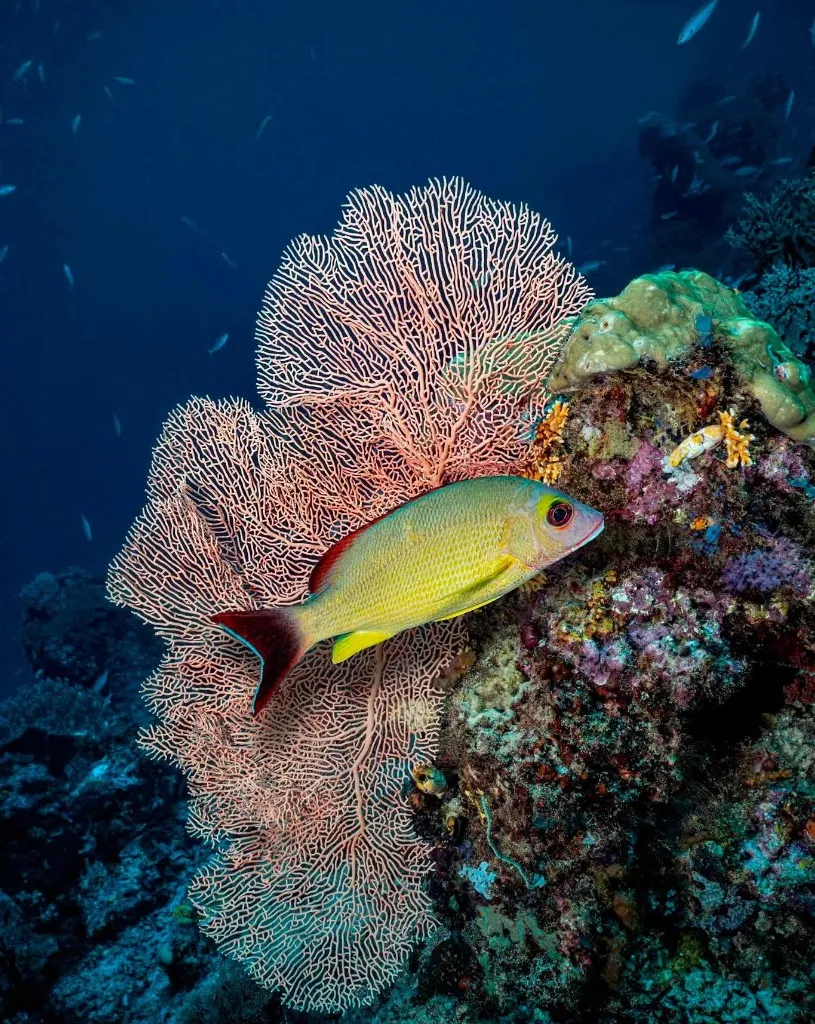
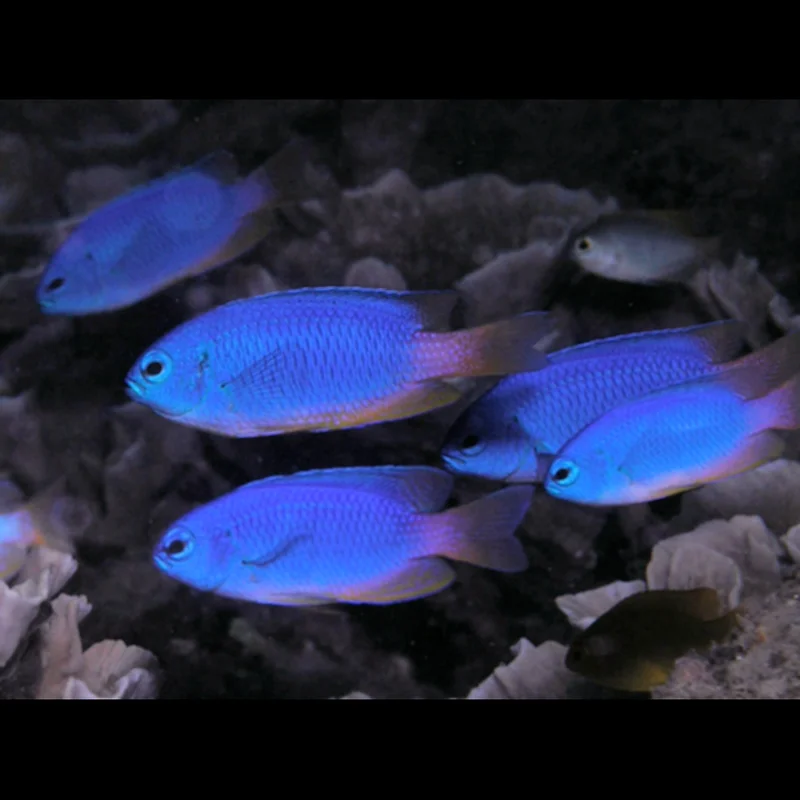
The complex structures of these artificial reefs, particularly the USS Oriskany, create thriving habitats for a wide array of marine life. Divers frequently observe abundant reef fish, including damselfish and angelfish, flitting amongst the metalwork.
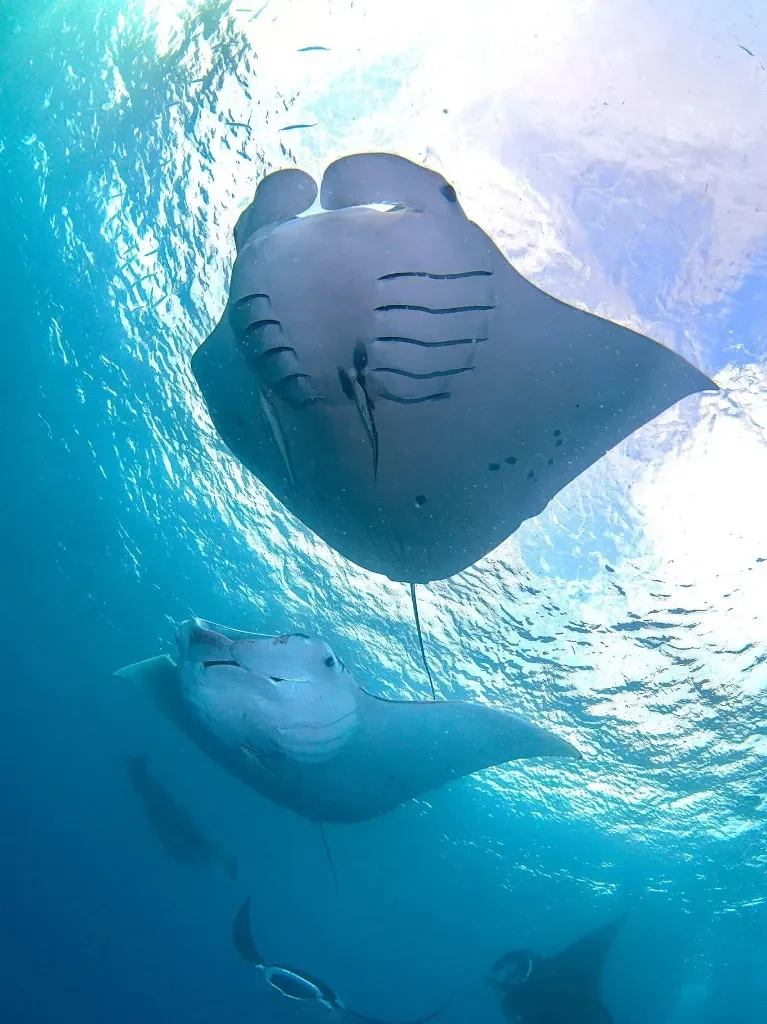
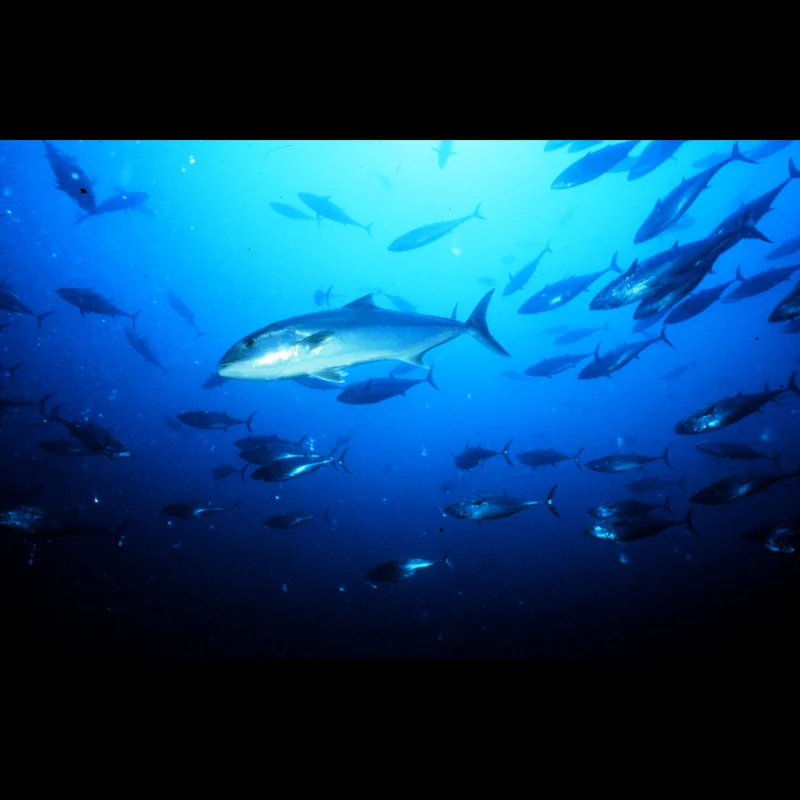
Larger pelagic species, such as grouper, amberjack, and snapper, often congregate around the wrecks. Fortunate encounters might also include manta rays or even whale sharks patrolling the deeper sections.
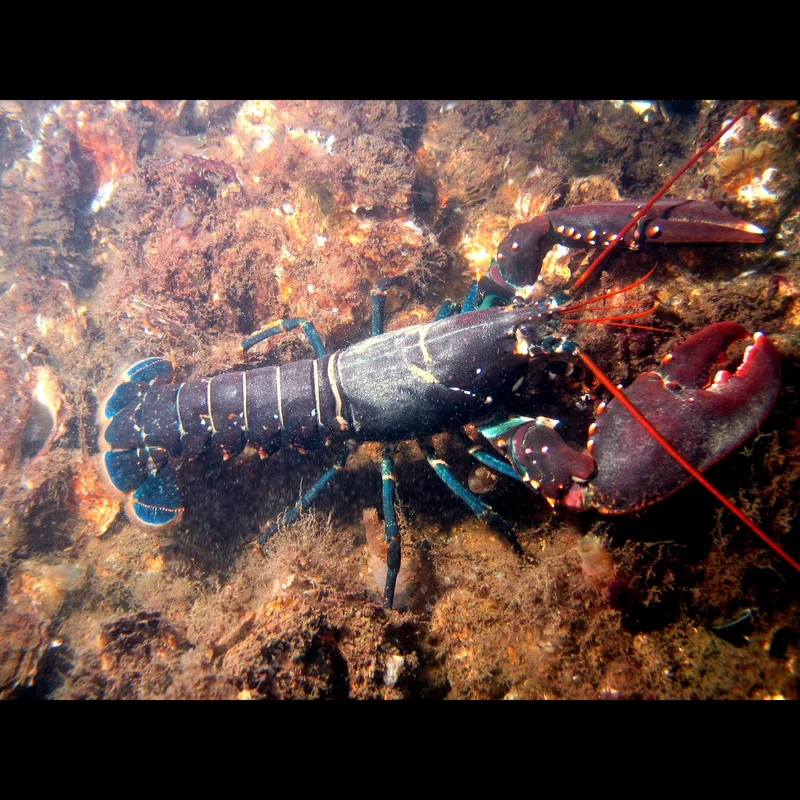
At sites like the Joe Patti Memorial Reef, schools of spadefish and baitfish are common, alongside various tropical fish. Eels and lobsters often find refuge within the wreck's crevices, contributing to the site's vibrant underwater ecosystem.
Dive Centers Near Corvan (2)
Today: 10:00 - 18:00
Nearest Airports
Nearest airports to help plan travel to this dive area.
Search Flights
Check available flights and routes on Expedia, using the nearby airports listed in this section.
Search Flights on Expedia
Plan Your Stay
Looking for a place to stay for your dive trip? Explore hotels, stays, and vacation rentals for dive groups near Bliss Corner.
Dive Navigator may earn a commission from these links at no extra cost to you.
Frequently Asked Questions
How deep can a beginner diver go?
Beginner divers typically limit their dives to around 18 meters or 60 feet. This range allows for safe exploration while developing foundational skills and comfort underwater.
How deep can advanced divers go?
Advanced divers are trained for deeper exploration, usually extending to about 30 meters or 100 feet. This certification broadens access to more complex wreck sections and diverse underwater environments.
Where is the world's largest artificial reef?
Pensacola, Florida, is home to the world's largest artificial reef, the USS Oriskany. This decommissioned aircraft carrier attracts divers globally for its impressive size and marine life.
Why do people wreck-dive?
Wreck diving offers a blend of adventure, historical interest, and opportunities for observing marine life. Exploring submerged vessels provides unique photography subjects and a sense of discovery.
What is the USS Oriskany?
The USS Oriskany, nicknamed the "Mighty O" and "Great Carrier Reef," is an Essex-class aircraft carrier that served in the Korean and Vietnam Wars. It was purposefully sunk in 2006 to become the world's largest artificial reef.
How far offshore is the USS Oriskany?
Approximately 22 miles off the coast of Pensacola, Florida, lies the USS Oriskany. Boat access is required for all dive expeditions to this offshore site.
Are there other notable dive sites in Pensacola?
Yes, Pensacola offers several other artificial reefs. These include the Joe Patti Memorial Reef, the YDT-14 and YDT-15 sister ships, and the Pete Tide II, providing diverse diving experiences.
Planning to dive Corvan (2)?
Send one inquiry and receive offers directly from the best verified local dive operators.
Conditions are Good
Optimal conditions expected
Current conditions near Corvan (2) show 21° air, 22° sea temperature, 0.7 m waves, and 35 km/h wind. Forecast data is refreshed regularly to ensure accuracy.