
Diving at CSX Rubble (United States)
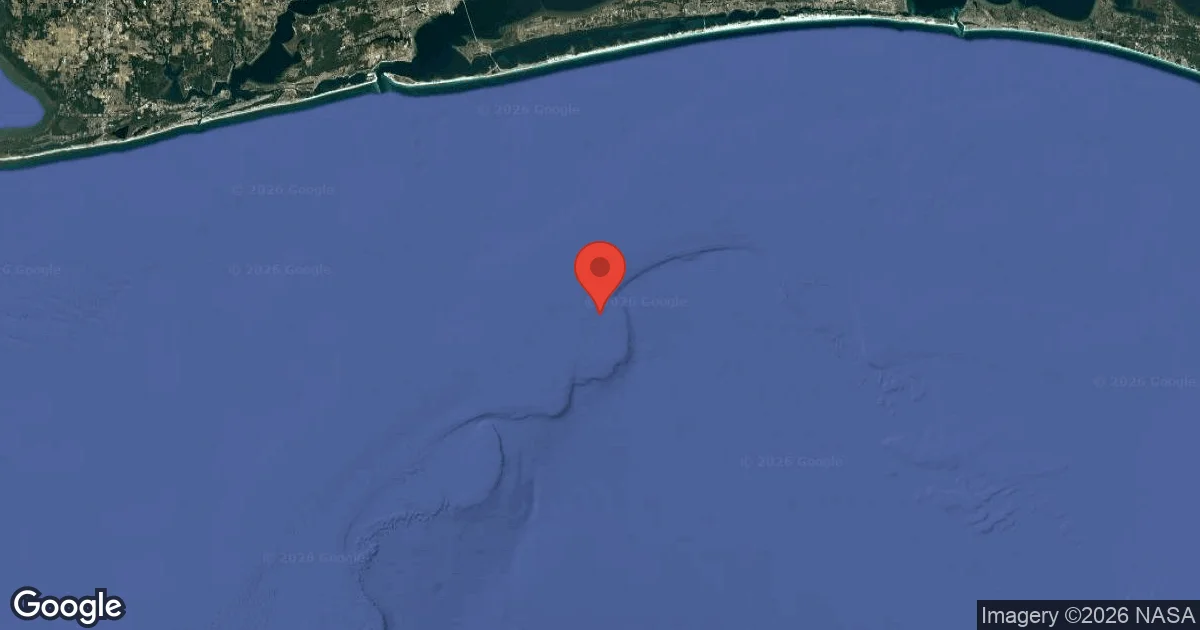
CSX Rubble comprises multiple purposefully-sunk boxcars, creating an artificial reef structure in the Gulf. This site descends to a maximum depth of approximately 21 m (70 ft), offering divers an engaging artificial habitat to explore. Roughly 18 miles offshore from Orange Beach, it's a prominent part of the extensive artificial reef program along the Alabama coast. Divers exploring here will navigate the sunken structures, which have quickly become home to diverse marine communities.
Starting the day at CSX Rubble, the ambient air temperature is recorded at 27.5°C. Ongoing monitoring shows wave heights measuring 0.9 m. This data represents the current surface conditions for early activities.
Dive Site Location & Key Facts
Dive Site Overview
An underwater landscape of sunken boxcars forms the CSX Rubble site, providing a structural foundation for marine life approximately 18 miles offshore from Orange Beach. This artificial reef is a direct result of Alabama's commitment to creating biodiverse underwater environments, participating in one of the country's largest artificial reef programs.
Exploring the site involves navigating around the various boxcar structures, which are spread across the seabed, creating distinct swim-throughs and overhangs. Maximum depth reaches about 21 m (70 ft), placing it within common recreational dive limits. Divers have reported observing a diverse range of shallower fish congregating around these structures, indicating successful habitat creation.
Conditions here are typical of offshore Gulf diving, where visibility can fluctuate and currents vary depending on tidal flows and prevailing weather patterns. Early accounts from divers suggest potential encounters with jellyfish, which can impact the overall experience, especially during certain seasons.
Despite such considerations, the structural complexity of the boxcars provides an engaging dive profile, drawing divers to explore the intricate network of surfaces and crevices that now support a thriving ecosystem.
Conditions are Good
Optimal conditions expected
Current conditions near CSX Rubble show 28° air, 30° sea temperature, 0.5 m waves, and 20 km/h wind. Forecast data is refreshed regularly to ensure accuracy.
Best Time to Dive
Surface conditions for diving CSX Rubble contrast significantly between seasons, with the warmer months generally offering a more favorable experience. From May through September, the dive scores are consistently rated "Good," reflecting calmer surface conditions. During these months, average air temperatures range from 24.5°C (76°F) to 29°C (84°F). Wave heights typically measure between 0.7 m to 0.9 m, and wind speeds hover around 23 to 26 km/h. Conversely, the period from October to April sees "Moderate" dive scores. Air temperatures cool down significantly, ranging from 13.5°C (56°F) to 23.5°C (74°F). Wave heights increase, often between 1.1 m to 1.3 m, accompanied by higher wind speeds of 30 to 35 km/h. While specific water temperature data for CSX Rubble isn't consistently reported, divers typically find conditions more comfortable in the summer. Rainfall remains relatively consistent throughout the year, so it's less of a primary factor in dive planning compared to wind and wave activity.
PEAK SEASON SCORE
Scores combine air & water temps, waves, wind & rainfall for overall conditions.
BEST MONTHS TO DIVE
Monthly records compiled from satellite and marine observation nodes over the last 3 years. Data provided by Open-Meteo and MET Norway.
Dive Experience & Conditions
Descending onto the CSX Rubble site, divers immediately sense the scale of the purposefully placed boxcars transforming the sandy bottom. The site feels active, with accounts highlighting "diverse shallower fish" constantly moving around the structures. Visibility can vary, influenced by local currents and recent weather events, sometimes offering clear views of the entire arrangement and at other times requiring closer navigation. Water temperatures are not consistently reported for this specific site, but general Gulf conditions suggest cooler waters outside peak summer. A notable sensory impression for some divers has been the unexpected presence of jellyfish, which can cause discomfort and impact a dive if not anticipated. The structures themselves invite exploration, with their various angles and sheltered spots creating dynamic underwater currents and eddies. Navigating these boxcars feels like exploring a miniature underwater city, each structure a new point of interest for observation.
Dive Difficulty & Safety Guidelines
Safety at CSX Rubble begins with awareness of potential environmental factors and appropriate dive planning. A reported hazard at this site involves encounters with jellyfish, which can deliver stings. Divers should consider exposure protection as a primary defense.
As an offshore site, local currents can be a factor, necessitating careful buddy procedures and attention to boat tethering. The maximum depth of 21 m (70 ft) places it within recreational limits, but Advanced Open Water certification is beneficial for comfort and experience in similar offshore environments.
Always review conditions with your dive operator on the day of the dive. Adherence to no-decompression limits is crucial given the maximum depth, and maintaining proper buoyancy control helps preserve the artificial reef structures.
Recommended Equipment
- Dive Computer
This gear list is based on verified equipment signals for CSX Rubble, United States. Always confirm final gear choices with your dive operator, guide, or liveaboard.
Recommended Dive Suit
Water temperatures at CSX Rubble are currently estimated to be around 30°C (86°F), shaping the overall diving conditions for today. Surface air temperatures are resting at 28°C (82°F).
Dive skin or rash guard is generally considered suitable for water temperatures like this. Consider warmer surface protection (like a boat coat) due to brisk winds.
Forecast trends indicate similar diving conditions over the next few days.
Due to technical issues with our weather providers, data hasn't been fetched for over 48 hours. The data above reflects the conditions at the time of the last successful fetch.
Emergency & Medical Support
Essential information to help you plan your dive trip to CSX Rubble.

Hyperbaric chambers are a critical part of dive safety infrastructure. Availability varies significantly by region, and not all dive areas have immediate access.
Before diving, it's recommended to:
- confirm nearest medical facilities
- check emergency procedures with local dive operators
- ensure dive insurance covers evacuation if required
Divers Alert Network
Diving emergency assistance available through DAN World.
+1-919-684-9111- 24/7 emergency hotline
- Diving medical assistance
- Evacuation coordination
Emergency contacts are provided for reference. Always verify local emergency services before diving.
Marine Life at CSX Rubble
The underwater landscape created by the CSX Rubble's sunken boxcars quickly attracts and harbors a variety of marine life. Divers report finding "diverse shallower fish" schooling and inhabiting the nooks and crannies of the structures.
These artificial structures serve as a vital habitat in an otherwise relatively barren sandy environment, drawing in species that seek shelter and feeding grounds. While specific species aren't consistently detailed for this site, the presence of numerous fish contributes to a vibrant ecosystem.
Occasionally, divers might encounter jellyfish, which are a natural part of the Gulf's marine population. The boxcars themselves provide observation points for divers to witness these localized fish populations thriving within the artificial reef.
Dive Sites Near CSX Rubble
View all dive sites in United StatesDiscover more underwater gems in this area.
Dive Centers Near CSX Rubble
Today: 10:00 - 18:00
Nearest Airports
Nearest airports to help plan travel to this dive area.
Search Flights
Check available flights and routes on Expedia, using the nearby airports listed in this section.
Search Flights on ExpediaFrequently Asked Questions
What is the CSX Rubble dive site?
The CSX Rubble site consists of several purposefully-sunk boxcars, creating an artificial reef system. These structures serve as habitat for marine life, forming part of Alabama's extensive artificial reef program.
Where is CSX Rubble located?
This dive site is situated approximately 18 miles offshore from Orange Beach, Alabama. It's accessible via dive charter operators in the Gulf Shores and Orange Beach area.
What is the maximum depth at CSX Rubble?
The CSX Rubble site descends to a maximum depth of about 21 meters (70 feet), a range generally suitable for recreational divers.
What kind of marine life can be seen at CSX Rubble?
Divers exploring CSX Rubble frequently observe a diverse array of shallower fish inhabiting the boxcar structures. While specific species vary, the site is known for its active fish populations and occasional jellyfish encounters.
What are the main hazards at this site?
The primary reported hazard for divers at CSX Rubble is the potential for jellyfish stings. As an offshore site, divers should also be aware of varying currents and boat traffic.
Is this site suitable for Open Water certified divers?
Yes, the CSX Rubble site is generally considered suitable for Open Water certified divers as its maximum depth falls within standard recreational limits. However, an Advanced Open Water certification can provide added comfort and experience for offshore diving.
When is the best time to dive CSX Rubble?
The best time to dive CSX Rubble is generally from May through September. During these months, average air temperatures are warmer, and surface conditions tend to be calmer with lower waves and wind speeds.
Planning to dive CSX Rubble?
Send one inquiry and receive offers directly from the best verified local dive operators.
Conditions are Good
Optimal conditions expected
Current conditions near CSX Rubble show 28° air, 30° sea temperature, 0.5 m waves, and 20 km/h wind. Forecast data is refreshed regularly to ensure accuracy.