
Diving at Dr Pass 4.5 Mile Site-#09-1 (United States)
Dr Pass 4.5 Mile Site-#09-1 represents a recently established artificial reef system in the Gulf, approximately 4.5 miles off Doctor's Pass. Created from clean concrete rubble and culverts, it functions as a vital habitat enhancement initiative. Part of Collier County's broader artificial reef network, the site aims to support diverse marine ecosystems and recreational activities. Its structure contributes to improving local Gulf marine health.
As evening covers Dr Pass 4.5 Mile Site-#09-1, the local air temperature is measured at 26°C. The current wave height at the surface is recorded at 0.1 m. These late-day readings characterize the surface conditions for the night.
Dive Site Location & Key Facts
Dive Site Overview
Divers approaching Dr Pass 4.5 Mile discover a dynamic artificial reef, intentionally designed to foster Gulf marine populations. Spanning recreational depths, its concrete rubble and culvert structures provide immediate refuge and foraging grounds for diverse species.
Originally conceived as both a productive fishing ground and a developing dive site, this location quickly attracts significant marine activity. Anglers frequently target grouper, snapper, and pelagic migratory species like mackerel, cobia, and permit here.
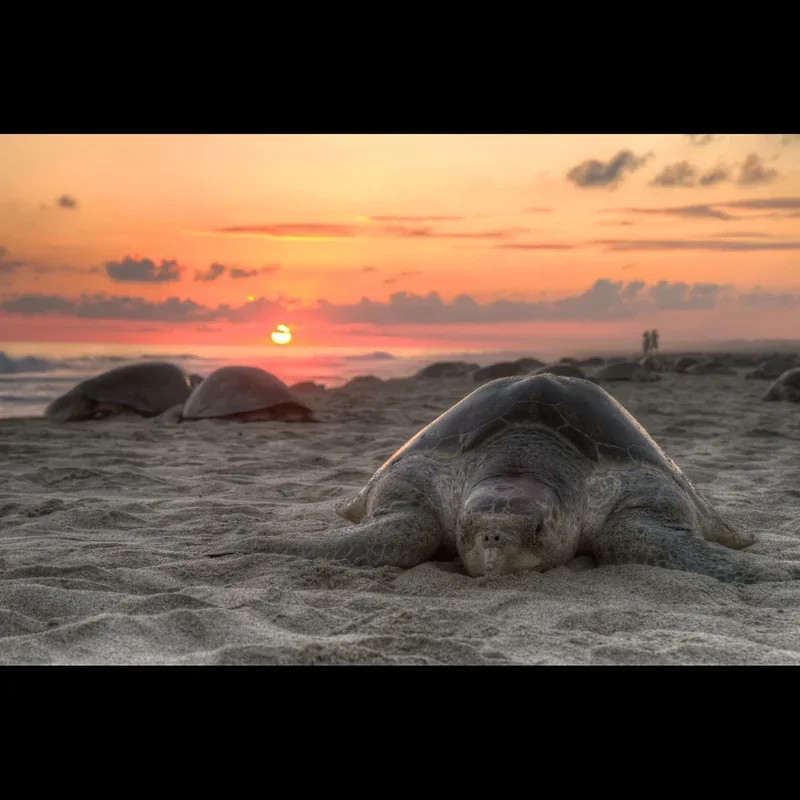
For divers, exploring the site offers consistent encounters with developing ecosystems. Expect to see protected sea turtles navigating the structures, alongside various sponges and corals actively colonizing the man-made surfaces.
Marine scientists monitor the reef's evolution as new species establish residence. Ongoing efforts by Collier County continue to expand and maintain these submerged habitats, recognizing their critical importance for the Gulf's overall marine health and supporting the local economy.
Dive planning should account for variable currents typical of offshore Gulf sites, ensuring a safe and rewarding exploration. Observing the intentional design and its impact on marine life provides a unique perspective on habitat restoration.
Conditions are Good
Optimal conditions expected
Current conditions near Dr Pass 4.5 Mile Site-#09-1 show 26° air, 31° sea temperature, 0.2 m waves, and 21 km/h wind. Forecast data is refreshed regularly to ensure accuracy.
Best Time to Dive
Planning a dive at Dr Pass 4.5 Mile often centers around the period from May through September, which typically offers the most favorable conditions. During these months, surface air temperatures generally range between 26.5°C (80°F) and 28°C (82°F), ensuring comfortable surface intervals. While June through September note slightly higher average rainfall, ranging from 4.67mm to 8.33mm, overall dive scores remain consistently excellent. Other periods, like January to April and October to December, still provide good diving opportunities. Air temperatures during these cooler months typically fall between 17.5°C (64°F) and 25°C (77°F). Conditions might present slightly more variability in weather patterns and sea state outside the prime summer window. Regardless of the season, checking local forecasts before heading out is always a prudent step.
PEAK SEASON SCORE
Scores combine air & water temps, waves, wind & rainfall for overall conditions.
BEST MONTHS TO DIVE
Monthly records compiled from satellite and marine observation nodes over the last 3 years. Data provided by Open-Meteo and MET Norway.
Dive Experience & Conditions
Descending to Dr Pass 4.5 Mile, divers immediately engage with an artificial landscape of concrete rubble and culverts. This robust, angular structure provides instant shelter and foraging grounds for marine inhabitants, a stark contrast to natural reef formations. Within its recreational depth range, typically around 30 m (100 ft), visibility can fluctuate based on recent weather and water movement, though often offering clear views of the developing ecosystem. Currents around the site are variable, influenced by regional weather patterns and tidal shifts in the Gulf. Divers must remain attentive to conditions and plan their dives accordingly, potentially incorporating drift diving techniques if conditions warrant. Expect to observe early stages of marine colonization, with various sponges and smaller corals beginning to anchor themselves on the man-made surfaces. Adapting to conditions ensures a successful dive.
Dive Difficulty & Safety Guidelines
Safe diving at this site requires careful attention to responsible practices, especially regarding boat handling and marine life interactions. When positioning near the reef, it's crucial to perform a test anchor first, taking a compass heading to verify distance from the structure. A general guideline suggests anchoring about four times the water's maximum depth away from the reef, protecting the habitat from damage.
Divers should always be mindful of protected species, such as goliath grouper and sea turtles; observe them without disturbance. Respecting local fishing regulations, particularly Florida's catch-and-release rules for certain species, also contributes significantly to the site's long-term health and the overall well-being of its marine population. Maintaining buoyancy control minimizes accidental contact with fragile new growth.
Recommended Equipment
- Dive Computer
This gear list is based on verified equipment signals for Dr Pass 4.5 Mile Site-#09-1, United States. Always confirm final gear choices with your dive operator, guide, or liveaboard.
Recommended Dive Suit
For relaxed exploration dives, dive skin or rash guard generally provides adequate warmth. Consider warmer surface protection (like a boat coat) due to brisk winds. Those diving at Dr Pass 4.5 Mile Site-#09-1 today will likely encounter water temperatures in the region of 31°C (87°F). Surface air temperatures are resting at 26°C (79°F).
Conditions in the coming days are expected to stay within a similar temperature range.
A diver's personal tolerance to cold water can play a large role in suit selection.
Emergency & Medical Support
Essential information to help you plan your dive trip to Dr Pass 4.5 Mile Site-#09-1.

Hyperbaric chambers are a critical part of dive safety infrastructure. Availability varies significantly by region, and not all dive areas have immediate access.
Before diving, it's recommended to:
- confirm nearest medical facilities
- check emergency procedures with local dive operators
- ensure dive insurance covers evacuation if required
Divers Alert Network
Diving emergency assistance available through DAN World.
+1-919-684-9111- 24/7 emergency hotline
- Diving medical assistance
- Evacuation coordination
Emergency contacts are provided for reference. Always verify local emergency services before diving.
Marine Life at Dr Pass 4.5 Mile Site-#09-1
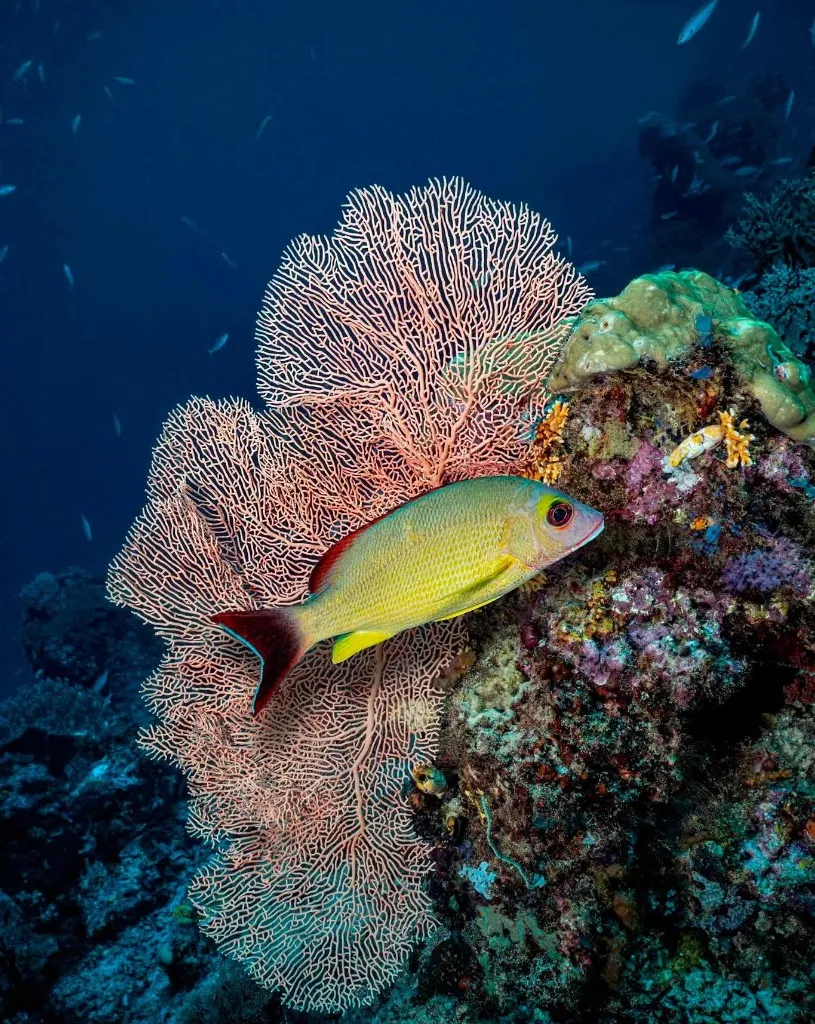
Artificial structures at Dr Pass 4.5 Mile reliably attract a diverse array of marine inhabitants. Protected sea turtle populations frequently cruise through the waters here.
Sponges and developing corals are readily observed, colonizing the concrete rubble and creating new microhabitats. Larger species such as goliath grouper can be a significant presence, often seen patrolling the reef's deeper sections.
Expect to encounter populations of snapper and various pelagic migratory species. Mackerel, cobia, and permit commonly congregate around the structure, drawn by the enhanced food sources and shelter it provides. The site’s design promotes a vibrant ecosystem, supporting both resident and transient marine life.

Dive Sites Near Dr Pass 4.5 Mile Site-#09-1
View all dive sites in United StatesDiscover more underwater gems in this area.
Dive Centers Near Dr Pass 4.5 Mile Site-#09-1
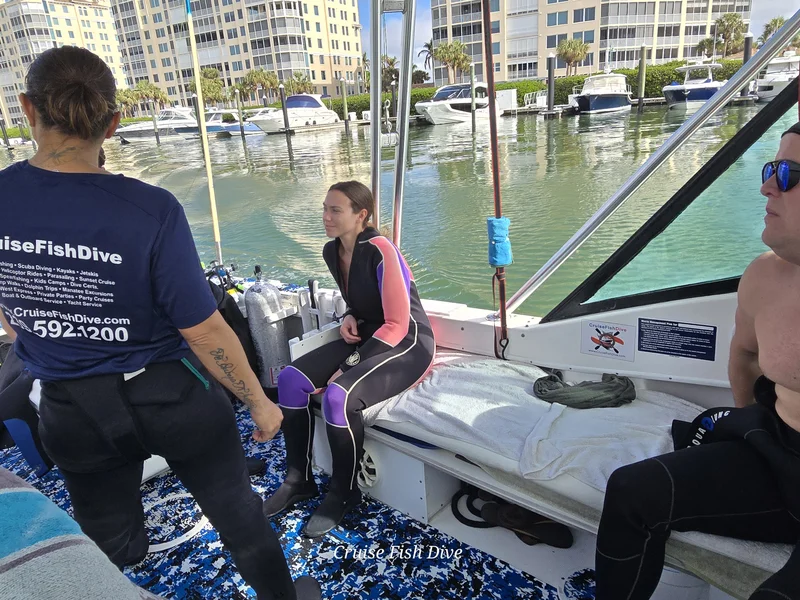
Today: 11:00 - 17:00
Nearest Airports
Nearest airports to help plan travel to this dive area.
Search Flights
Check available flights and routes on Expedia, using the nearby airports listed in this section.
Search Flights on Expedia
Plan Your Stay
Looking for a place to stay for your dive trip? Explore hotels, stays, and vacation rentals for dive groups near Naples.
Dive Navigator may earn a commission from these links at no extra cost to you.
Frequently Asked Questions
What type of dive site is Dr Pass 4.5 Mile?
Dr Pass 4.5 Mile functions as an artificial reef site. It was constructed from clean concrete rubble and culverts to enhance marine habitats and support both diving and fishing activities in the Gulf.
Where is Dr Pass 4.5 Mile located?
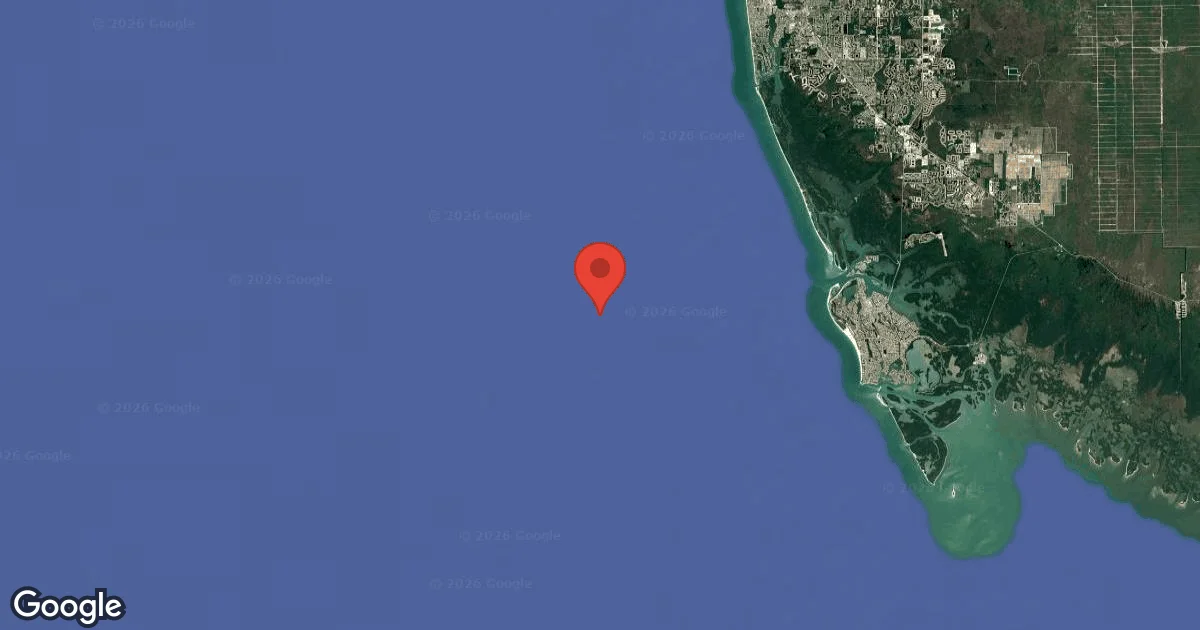
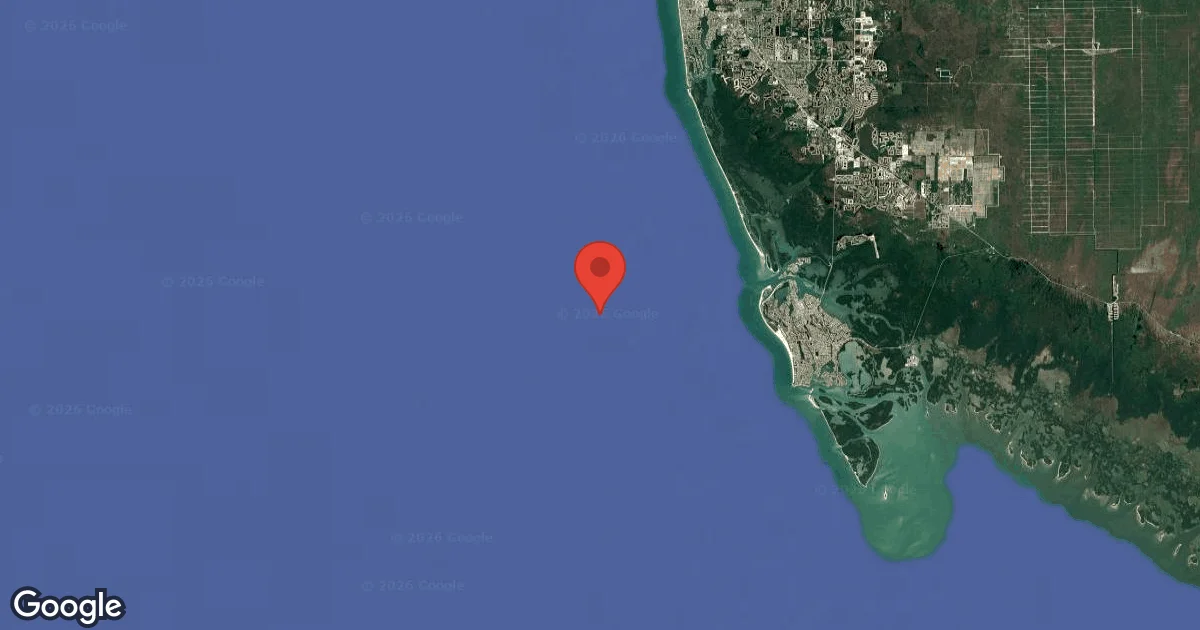
Located in the Gulf, approximately 4.5 miles off Doctor's Pass in Collier County, United States. This site forms part of the region's broader artificial reef program.
What marine life can be observed at this reef?
Divers often encounter protected sea turtles, various sponges, and developing corals. Reef structures also attract significant populations of grouper and snapper, alongside pelagic migratory species like mackerel, cobia, and permit.
What are the best months to dive Dr Pass 4.5 Mile?
May through September generally offer the most favorable dive conditions, with air temperatures ranging between 26.5°C (80°F) and 28°C (82°F). These months typically provide excellent overall dive scores.
Are there specific anchoring guidelines for this site?
Proper anchoring technique is essential to protect the reef. Perform a test anchor first, then set your anchor approximately four times the water's depth away from the structure, using a compass heading for precision.
What is the primary purpose of this artificial reef?
Its main purpose is habitat enhancement for marine life, supporting diverse species and bolstering fish populations. Additionally, the reef serves as a valuable resource for recreational diving and sport fishing in the area.
Planning to dive Dr Pass 4.5 Mile Site-#09-1?
Send one inquiry and receive offers directly from the best verified local dive operators.
Conditions are Good
Optimal conditions expected
Current conditions near Dr Pass 4.5 Mile Site-#09-1 show 26° air, 31° sea temperature, 0.2 m waves, and 21 km/h wind. Forecast data is refreshed regularly to ensure accuracy.