
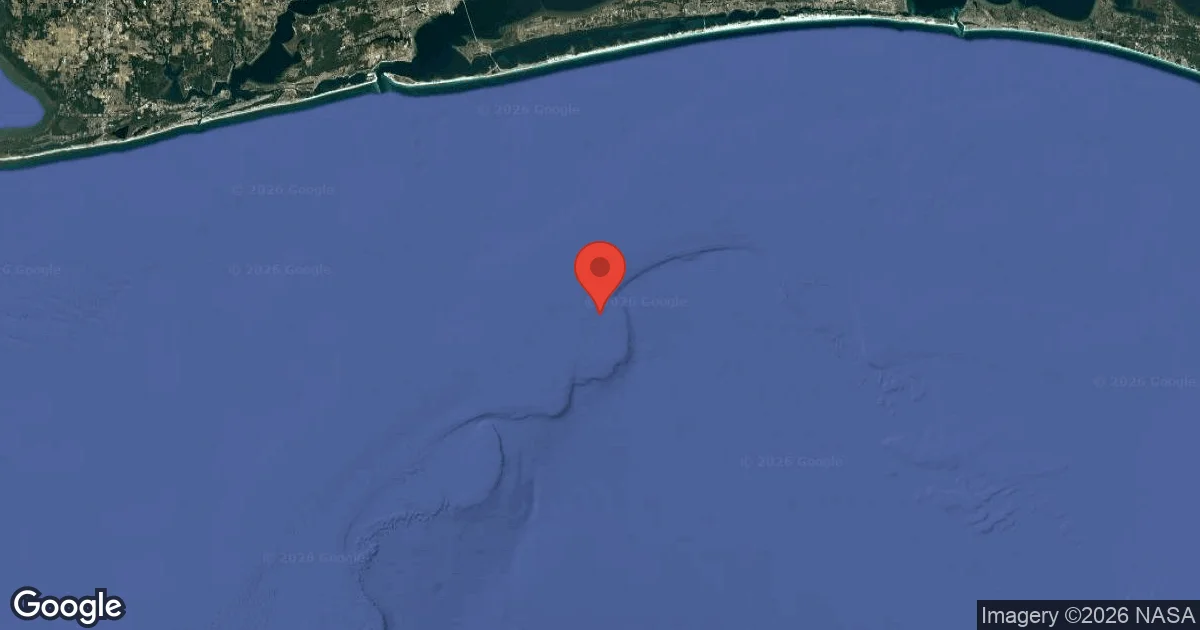
Diving at Esers PR18 (United States)
Approaching ESERS PR18 for a dive demands a specific mindset, unlike typical recreational sites. This location refers to a context of specialized diving operations, often involving commercial, scientific, or inspection work under demanding conditions. Divers here must be prepared for environments that prioritize task execution over scenic appeal, focusing on precision and adherence to rigorous standards. It's an arena for trained professionals ready for a different class of underwater engagement.
Starting the day at Esers PR18, the ambient air temperature is recorded at 30.5°C. Ongoing monitoring shows wave heights measuring 0.4 m. This data represents the current surface conditions for early activities.
Dive Site Location & Key Facts
Dive Site Overview
Embarking on a dive at an ESERS PR18 affiliated site often means entering a realm of specialized underwater work, where the primary objective is not exploration but execution of critical tasks. ES-Divers, for instance, operates within this sphere, offering comprehensive surface-supplied air diving for inspection and construction, alongside scientific diving to support biological studies.
Such operations can involve bridge inspections, debris removal, or working in challenging settings like contaminated or thermally extreme waters. While specific depths vary drastically depending on the project, the focus remains on detailed work within often constricted or low-visibility zones. An example provided highlights a one-month emergency diving project on Lake Superior near Duluth, MN, completed in January and February, with air temperatures dropping to -23°C (-10°F).
This illustrates the rigorous conditions and professional demands associated with diving activities at these types of sites, extending beyond typical recreational parameters.
Conditions are Good
07:00 - 14:00
Optimal conditions expected
Current conditions near Esers PR18 show 31° air, 31° sea temperature, 0.6 m waves, and 24 km/h wind. Forecast data is refreshed regularly to ensure accuracy.
Best Time to Dive
While many dive destinations boast clear-cut peak seasons, the operational nature of ESERS PR18 sites means optimal conditions for various projects contrast with leisure diving. Months from May through October, along with February, generally present "Good" dive scores, with more moderate waves, typically below 0.9 m (3 ft). During this period, air temperatures range from 15.5°C (60°F) in February to a warm 29°C (84°F) in August, suggesting more comfortable surface conditions for support crews and divers. Conversely, months like January, March, April, November, and December, rated "Moderate," see cooler air temperatures as low as 13°C (55°F) and slightly higher wave activity, averaging around 1.0 to 1.2 m (3.3 to 3.9 ft). Rain levels remain relatively consistent throughout the year, not consistently reported as a primary limiting factor, but wind speeds can impact surface operations. Planning for these sites often aligns with project deadlines rather than solely weather-driven comfort, although milder conditions can aid logistical efficiency.
PEAK SEASON SCORE
Scores combine air & water temps, waves, wind & rainfall for overall conditions.
BEST MONTHS TO DIVE
Monthly records compiled from satellite and marine observation nodes over the last 3 years. Data provided by Open-Meteo and MET Norway.
Dive Experience & Conditions
Divers engaging with ESERS PR18 sites should anticipate an environment dictated more by operational requirements than by natural leisure appeal. Conditions can be highly variable, ranging from the cold, limited visibility waters of Lake Superior, as exemplified by ES-Divers' past projects, to other harsh environments including contaminated or hot water. Visibility levels are not consistently reported and will depend heavily on the specific project location and its operational context; zero-visibility diving is an acknowledged service. Currents can also be a factor, particularly during inspections or construction work around structures. The water temperature is not consistently reported for general recreational diving. Preparing for a dive here means readying for specific work, not necessarily for a relaxed reef exploration. The focus is on executing tasks, requiring advanced skills and mental fortitude.
Dive Difficulty & Safety Guidelines
Navigating the demanding underwater landscapes associated with ESERS PR18 operations presents unique safety challenges requiring stringent adherence to industry best practices. ES-Divers' operations, for instance, meet or exceed both ADCI (Association of Diving Contractors International) requirements and OSHA (Occupational Safety and Health Administration) guidelines, signifying a high level of safety protocol.
Divers must possess the necessary certifications and specialized training for tasks such as surface-supplied air diving, underwater welding, or operations in low-visibility or extreme temperature environments. Meticulous pre-dive planning, robust equipment checks, and clear communication with surface support are non-negotiable.
Operating in potentially contaminated or thermally challenging waters necessitates specific protocols and protective gear to mitigate risks, ensuring the well-being of the entire dive team.
Recommended Equipment
- Dive Computer
This gear list is based on verified equipment signals for Esers PR18, United States. Always confirm final gear choices with your dive operator, guide, or liveaboard.
Recommended Dive Suit
Water temperatures at Esers PR18 are currently estimated to be around 31°C (87°F), shaping the overall diving conditions for today. Surface air temperatures are resting at 31°C (87°F).
For the majority of recreational dives here, dive skin or rash guard should provide suitable protection. A hood or vest is suggested for sensitive divers due to surface winds.
The coming days appear slightly cooler according to the latest forecast. Cooler days are ahead; you might want a warmer option for later in the week. Some divers prefer carrying a slightly thicker suit as a backup.
Due to technical issues with our weather providers, data hasn't been fetched for over 48 hours. The data above reflects the conditions at the time of the last successful fetch.
Emergency & Medical Support
Essential information to help you plan your dive trip to ESERS PR18.

Hyperbaric chambers are a critical part of dive safety infrastructure. Availability varies significantly by region, and not all dive areas have immediate access.
Before diving, it's recommended to:
- confirm nearest medical facilities
- check emergency procedures with local dive operators
- ensure dive insurance covers evacuation if required
Divers Alert Network
Diving emergency assistance available through DAN World.
+1-919-684-9111- 24/7 emergency hotline
- Diving medical assistance
- Evacuation coordination
Emergency contacts are provided for reference. Always verify local emergency services before diving.
Marine Life at Esers PR18
Upon entering the water at an ESERS PR18 operational zone, one might first notice the functional rather than the purely biological aspects.
However, ES-Divers also performs scientific diving to support biological studies, implying that observing marine life, albeit for research purposes, can occur. The exact species encountered will vary drastically based on the specific project location, whether it's an inland lake like Superior or a coastal marine environment.
These studies could focus on aquatic ecosystems, invasive species, or habitat health in specific operational areas. Recreational encounters with diverse fish or vibrant coral are not the primary expectation here; instead, observations would be purposeful and tied to scientific objectives, potentially involving sampling or detailed photographic documentation of local aquatic flora and fauna.
Dive Sites Near Esers PR18
View all dive sites in United StatesDiscover more underwater gems in this area.
Dive Centers Near Esers PR18
Today: 10:00 - 18:00
Nearest Airports
Nearest airports to help plan travel to this dive area.
Search Flights
Check available flights and routes on Expedia, using the nearby airports listed in this section.
Search Flights on Expedia
Plan Your Stay
Looking for a place to stay for your dive trip? Explore hotels, stays, and vacation rentals for dive groups near Gulf Breeze.
Dive Navigator may earn a commission from these links at no extra cost to you.
Frequently Asked Questions
What kind of diving is associated with ESERS PR18?
Diving activities at ESERS PR18 are primarily associated with specialized underwater work. This includes commercial services like inspection, construction, and maintenance, as well as scientific diving for biological studies.
Are these dive sites suitable for recreational divers?
Generally, these sites are not oriented towards recreational diving. The operations often involve specific tasks, challenging conditions, and adherence to professional industry standards like ADCI and OSHA, which are beyond typical recreational scope.
What are the typical underwater conditions like?
Conditions can vary significantly but often include demanding environments. Examples mentioned include cold, potentially contaminated, or thermally extreme water. Zero-visibility diving is also a recognized capability, implying challenging visual conditions.
What safety standards are followed during these operations?
Operations adhere to rigorous safety standards, meeting or exceeding both the Association of Diving Contractors International (ADCI) requirements and Occupational Safety and Health Administration (OSHA) guidelines. This ensures a high level of safety and professionalism.
What marine life can be expected at these sites?
While not focused on typical recreational marine life viewing, scientific diving to support biological studies means encounters with aquatic organisms are possible. The specific species would depend entirely on the individual project location, whether freshwater or marine.
What is the best time of year for diving operations?
Optimal conditions for operations, rather than leisure, often fall between May and October, along with February, which generally see "Good" dive scores. However, projects can be executed year-round, even in challenging winter conditions as demonstrated on Lake Superior.
Are there specific depth limits for ESERS PR18 dives?
No specific depth limits are consistently reported for ESERS PR18 as a general designation. Depths will vary widely based on the particular project and site requirements, ranging from shallow inspections to deeper commercial or scientific operations.
Planning to dive Esers PR18?
Send one inquiry and receive offers directly from the best verified local dive operators.
Conditions are Good
07:00 - 14:00
Optimal conditions expected
Current conditions near Esers PR18 show 31° air, 31° sea temperature, 0.6 m waves, and 24 km/h wind. Forecast data is refreshed regularly to ensure accuracy.