
Diving at Esers PR23B (United States)
ESERS PR23b's underwater narrative focuses less on ancient relics and more on the integrity of modern infrastructure. Commercial diving operations here involve proactive maintenance and critical repairs, addressing complex challenges. Specialized teams deploy to inspect and secure submerged structures, ensuring operational longevity. Such demanding work requires precision and robust equipment. It's a different kind of underwater narrative, focused on engineering rather than exploration.
Current morning readings from Esers PR23B indicate an air temperature of 29°C. Surface wave heights are averaging around 0.6 m at this time. These local measurements provide a baseline for your daily dive planning.
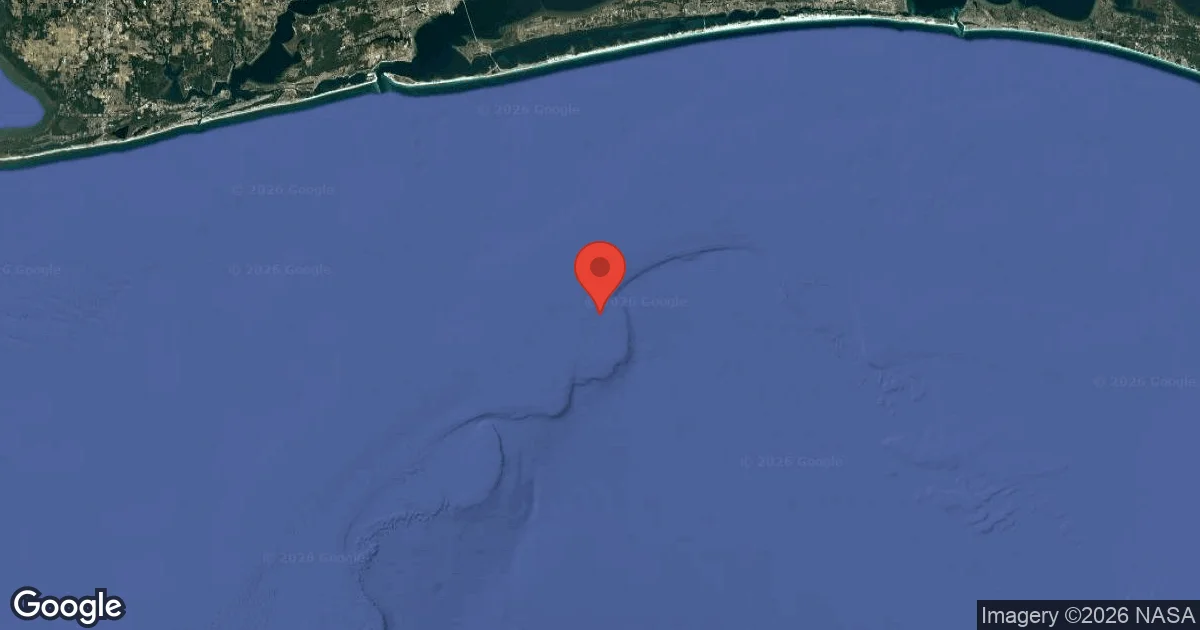
Dive Site Location & Key Facts
Dive Site Overview
ESERS PR23b represents a focal point for highly specialized commercial diving operations rather than a typical recreational dive site. Commercial diving capabilities here are defined by advanced equipment deployed for complex underwater infrastructure projects.
ES-Divers, with facilities including Stow, Ohio, Richmond, Virginia, and Nashville, Tennessee, maintains a robust fleet ranging from small open boats to a 34 ft (10.4 m) V-hull with a removable cabin, suitable for diverse marine environments. Extensive shore-based operations are supported by specialized trucks and enclosed trailers configured for diving. Emphasis here shifts from coral reefs or vibrant ecosystems to precision engineering underwater.
Specialized gear, including Kirby Morgan and Desco diving helmets, various band masks, and dry suits—even dedicated potable water and HD Hazmat setups—are routinely utilized.
Furthermore, capacity for hot water diving and advanced hydraulic power units underscores a commitment to challenging conditions. Operational capabilities ensure divers are equipped for nearly any subsurface task, making it a distinctive aspect of industrial underwater work. Focus remains on safety and efficiency for demanding client projects.
Conditions are Excellent
07:00 - 14:00
Optimal conditions expected
Current conditions near Esers PR23B show 29° air, 30° sea temperature, 0.5 m waves, and 19 km/h wind. Forecast data is refreshed regularly to ensure accuracy.
Best Time to Dive
Diving operations are generally most favorable from late spring through early fall, typically spanning May to October. Average air temperatures during these months become more comfortable, ranging from 24.5°C (76°F) in May to 29°C (84°F) in August. Sea conditions also tend to be calmer; average wave heights are lowest in July at 0.6 m (2.0 ft) and August at 0.7 m (2.3 ft). Correspondingly, average wind speeds decrease significantly, reaching lows of 23.09 km/h (14.3 mph) in July and 24.82 km/h (15.4 mph) in August. These months consistently show the highest "Good" dive scores, indicating more favorable operational windows. Rainfall remains relatively consistent, averaging around 3.5-4.8 mm (0.14-0.19 inches), which typically doesn't severely impact sub-surface operations. While water temperature data isn't consistently reported for these specific operational contexts, warmer air and calmer seas suggest more manageable surface conditions overall.
PEAK SEASON SCORE
Scores combine air & water temps, waves, wind & rainfall for overall conditions.
BEST MONTHS TO DIVE
Monthly records compiled from satellite and marine observation nodes over the last 3 years. Data provided by Open-Meteo and MET Norway.
Dive Experience & Conditions
Operational depth profiles at ESERS PR23b vary significantly, reflecting the diverse nature of commercial underwater projects. Deployments can range from shallower inspections of nearshore infrastructure to deeper work on submerged structures. Visibility often depends on the specific job site and environmental factors like sediment disturbance or industrial discharge; divers must be prepared for conditions that may differ greatly from typical recreational clear-water environments. An extensive equipment roster, including dedicated potable water and contamination diving setups, implies operations where water quality is a primary concern. Divers routinely face environments demanding specialized suits, from standard dry suits to helmet-mating vulcanized and HD Hazmat options. Such dives aren't for leisure; they require advanced operational planning and robust HP and LP air supplies, often paired with extensive umbilicals for extended bottom times and communication.
Dive Difficulty & Safety Guidelines
Stringent safety protocols are implemented at ESERS PR23b, aligning with the demands of commercial diving. Divers operating here require highly specialized training and certifications well beyond typical recreational levels. Professional quality and safety of ES-Divers' equipment are paramount; routine maintenance is conducted across their full range of gear, ensuring reliability in critical situations.
Equipment utilized includes Kirby Morgan and Desco diving helmets, band masks, and a variety of dry suits suited for hazardous or contaminated water. Operations are carefully planned, often incorporating extensive umbilical lines for air supply and communication, alongside underwater video systems for surface monitoring.
Adherence to strict industry guidelines, combined with continuous training in areas like confined space entry and fall protection, forms the bedrock of every underwater project. These measures collectively mitigate risks in challenging industrial settings.
Recommended Equipment
- Dive Computer
This gear list is based on verified equipment signals for Esers PR23B, United States. Always confirm final gear choices with your dive operator, guide, or liveaboard.
Recommended Dive Suit
Forecast models show minimal temperature variation in the coming days.
Thermal protection such as dive skin or rash guard is commonly used in similar temperatures.
Recent environmental data from Esers PR23B indicates water temperatures near 30°C (86°F). Surface air temperatures are resting at 29°C (84°F).
Emergency & Medical Support
Essential information to help you plan your dive trip to ESERS PR23b.

Hyperbaric chambers are a critical part of dive safety infrastructure. Availability varies significantly by region, and not all dive areas have immediate access.
Before diving, it's recommended to:
- confirm nearest medical facilities
- check emergency procedures with local dive operators
- ensure dive insurance covers evacuation if required
Divers Alert Network
Diving emergency assistance available through DAN World.
+1-919-684-9111- 24/7 emergency hotline
- Diving medical assistance
- Evacuation coordination
Emergency contacts are provided for reference. Always verify local emergency services before diving.
Marine Life at Esers PR23B
For diving operations at ESERS PR23b, marine life interactions are not typically the primary focus or a consistently reported aspect of the work. Given the industrial and infrastructure-focused nature of these dives, observations tend to center on structural integrity, maintenance requirements, or environmental monitoring tasks rather than biological diversity.
While some aquatic life may be present depending on the specific operational environment, detailed records of marine flora and fauna are limited within the context of these commercial projects. Divers are primarily focused on the task at hand, often in environments not conducive to diverse ecosystems.
Dive Sites Near Esers PR23B
View all dive sites in United StatesDiscover more underwater gems in this area.
Dive Centers Near Esers PR23B
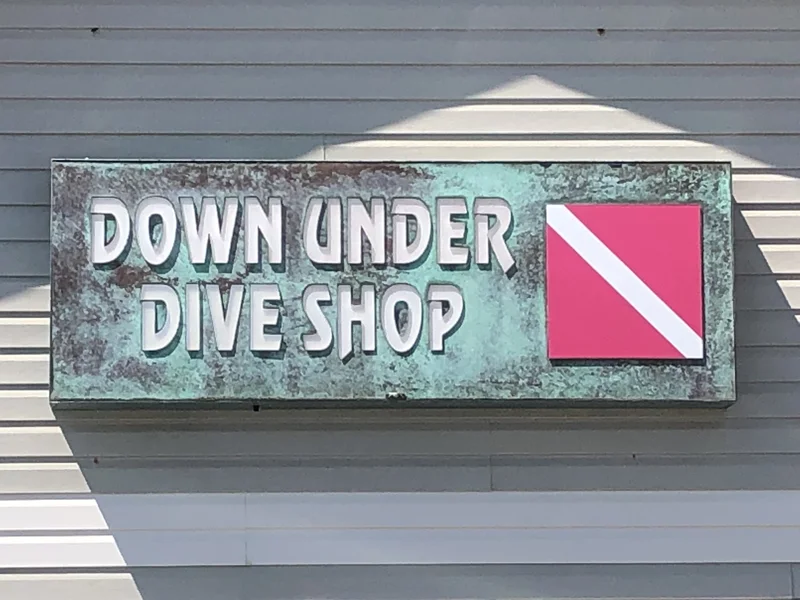
Today: 10:00 - 18:00
Nearest Airports
Nearest airports to help plan travel to this dive area.
Search Flights
Check available flights and routes on Expedia, using the nearby airports listed in this section.
Search Flights on Expedia
Plan Your Stay
Looking for a place to stay for your dive trip? Explore hotels, stays, and vacation rentals for dive groups near Gulf Breeze.
Dive Navigator may earn a commission from these links at no extra cost to you.
Frequently Asked Questions
What type of diving is primarily conducted at ESERS PR23b?
The primary focus at ESERS PR23b is highly specialized commercial and industrial diving. This includes inspections, maintenance, and repair of various underwater infrastructures, often in challenging operational environments.
Is ESERS PR23b a recreational dive site?
No, ESERS PR23b is not designated as a recreational dive site. Its activities revolve around professional commercial diving services, which require specialized training and equipment.
What kind of specialized equipment is used by divers here?
Divers utilize extensive specialized equipment such as Kirby Morgan and Desco diving helmets, various band masks, and dry suits including vulcanized and HD Hazmat options. They also employ dedicated potable water and contamination diving setups, along with hydraulic power units.
What are typical working conditions for divers?
Conditions vary greatly depending on the project, ranging from confined spaces to potentially contaminated or low-visibility environments. Divers must be prepared for diverse water quality and structural challenges.
What are the best times of year for these operations?
Operations are generally most favorable from late spring through early fall, typically May to October, due to milder air temperatures and calmer sea states with lower wave heights and wind speeds.
How does safety factor into operations?
Safety is paramount, with strict protocols, continuous diver training, and meticulous maintenance of all equipment. Operations are carefully planned, often using umbilical lines and video for enhanced surface monitoring and control.
Can I observe marine life during these dives?
Marine life observation is not a primary objective or a consistently reported aspect of these industrial diving operations. The focus remains on infrastructure and operational tasks.
Planning to dive Esers PR23B?
Send one inquiry and receive offers directly from the best verified local dive operators.
Conditions are Excellent
07:00 - 14:00
Optimal conditions expected
Current conditions near Esers PR23B show 29° air, 30° sea temperature, 0.5 m waves, and 19 km/h wind. Forecast data is refreshed regularly to ensure accuracy.