
Diving at Esers PR24 (United States)
While specific details regarding wreck identification at ESERS PR24 are not consistently reported, the region's broader maritime history often includes various historical vessel types. Diving in areas with potential historical significance provides a unique connection to past naval operations and maritime heritage. Though a definitive wreck story for this specific site isn't outlined, such contexts inspire explorations that reveal the human impact on the underwater world.
Starting the day at Esers PR24, the ambient air temperature is recorded at 28.5°C. Ongoing monitoring shows wave heights measuring 0.3 m. This data represents the current surface conditions for early activities.
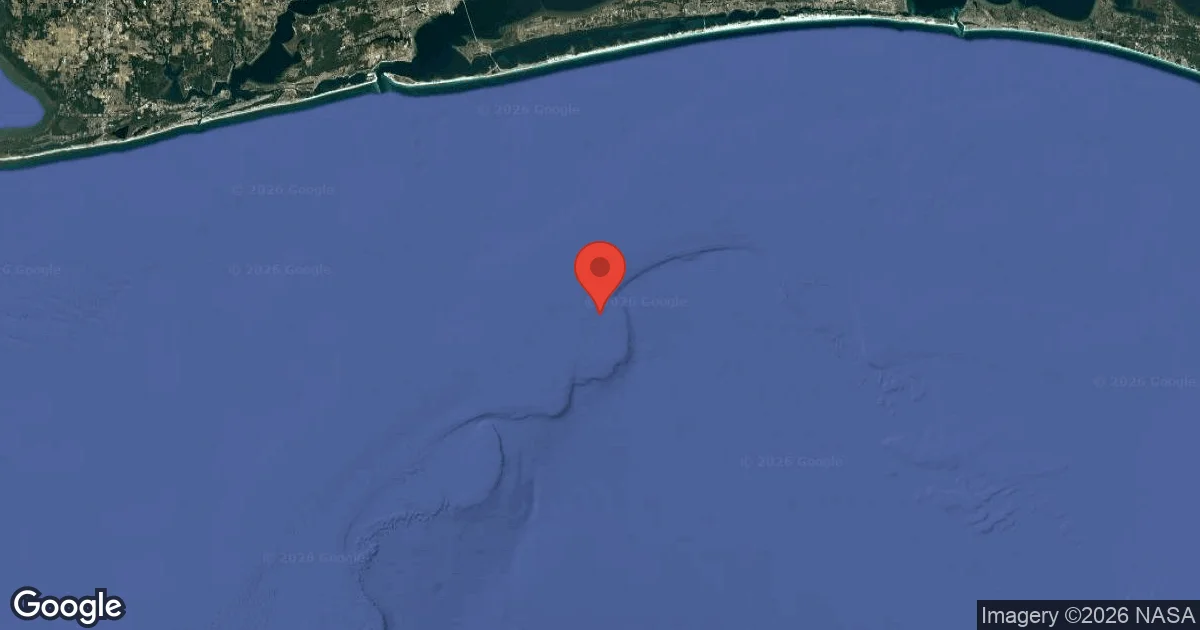
Dive Site Location & Key Facts
Dive Site Overview
Diving operations around ESERS PR24 necessitate a rigorous planning approach, deeply influenced by the overarching federal diving regulations established for US waters. These guidelines, particularly 29 CFR § 1910.424, dictate key safety parameters that shape every aspect of an expedition.
For instance, recreational SCUBA diving is generally not permitted beyond 39 m (130 fsw). Deeper explorations, specifically those exceeding 30 m (100 fsw) or extending beyond no-decompression limits, mandate the immediate availability of a decompression chamber on site. This strict adherence to safety protocols is a cornerstone of responsible diving in the region.
The regulatory framework extends to operational specifics, which divers must integrate into their pre-dive assessments. Strong currents, defined as exceeding 1 knot, require divers to be line-tended from the surface.
Similarly, any entry into enclosed or physically confining spaces demands a line-tended setup, a standby diver, and continuous visual contact, either between divers or with a surface tender. These measures ensure a robust safety net.
Even with limited specific site details for ESERS PR24, this structured approach governs how dive sites in US waters are surveyed, managed, and ultimately experienced. Divers should prepare for an environment where general US maritime safety standards guide activity, influencing equipment choices and buddy team procedures, ensuring all activities remain within acceptable recreational and professional boundaries.
Conditions are Good
07:00 - 14:00
Optimal conditions expected
Current conditions near Esers PR24 show 29° air, 30° sea temperature, 0.5 m waves, and 14 km/h wind. Forecast data is refreshed regularly to ensure accuracy.
Best Time to Dive
For the most comfortable diving experience in the region of ESERS PR24, planning your visit between May and October typically offers favorable conditions. During these months, average air temperatures are notably warmer, ranging from 24.5°C to 29°C (76-84°F), contributing to a more pleasant surface interval. Wave heights also tend to be lower, generally below 0.9 meters (3 ft), which can ease boat entries and exits. October continues to offer good dive scores with air temperatures around 23.5°C (74°F). February also shows good dive scores, despite cooler average air temperatures of approximately 15.5°C (60°F), suggesting periods of calmer seas. Rainfall remains relatively consistent throughout the year, but wind speeds are generally lighter during the peak summer months, enhancing overall dive conditions.
PEAK SEASON SCORE
Scores combine air & water temps, waves, wind & rainfall for overall conditions.
BEST MONTHS TO DIVE
Monthly records compiled from satellite and marine observation nodes over the last 3 years. Data provided by Open-Meteo and MET Norway.
Dive Experience & Conditions
While specific underwater conditions at ESERS PR24 are not consistently reported, current dynamics in coastal US waters often present a range of experiences. Divers should prepare for varying visibility, which might be influenced by local sediment, tidal flows, or plankton blooms. Surface conditions, indicated by wave heights that can reach over 1 meter (3.3 ft) during certain periods, suggest that currents might be encountered, particularly around prominent underwater structures or navigational channels. Water temperatures are not consistently available, but they typically fluctuate seasonally, requiring appropriate thermal protection. Always assess local reports before entering the water, as conditions can change rapidly.
Dive Difficulty & Safety Guidelines
Divers approaching sites in the ESERS PR24 area must prioritize safety and adhere to established guidelines, particularly those derived from federal diving regulations. For recreational divers, it's critical to remember that SCUBA diving is generally not permitted deeper than 39 m (130 fsw). Operations beyond 30 m (100 fsw) or outside no-decompression limits necessitate a decompression chamber readily available on site.
If encountering currents exceeding 1 knot, divers must be line-tended from the surface. Diving in enclosed or physically confining spaces also requires a line-tended setup, with a standby diver available and continuous visual contact maintained between divers or with a surface tender. Each diver should carry a reserve breathing gas supply, ensuring it's closed prior to the dive.
Recommended Equipment
- Dive Computer
This gear list is based on verified equipment signals for Esers PR24, United States. Always confirm final gear choices with your dive operator, guide, or liveaboard.
Recommended Dive Suit
In these water temperatures, dive skin or rash guard is a common choice for recreational diving. Longer dive profiles can make thermal protection more important than short exploratory dives.
Conditions at Esers PR24 currently place the water temperature near 30°C (86°F). Surface air temperatures are resting at 29°C (83°F).
A modest cooling trend is expected in the upcoming forecast. Cooler days are ahead; you might want a warmer option for later in the week. Bringing an additional thermal layer can be helpful if conditions change.
Due to technical issues with our weather providers, data hasn't been fetched for over 48 hours. The data above reflects the conditions at the time of the last successful fetch.
Emergency & Medical Support
Essential information to help you plan your dive trip to ESERS PR24.

Hyperbaric chambers are a critical part of dive safety infrastructure. Availability varies significantly by region, and not all dive areas have immediate access.
Before diving, it's recommended to:
- confirm nearest medical facilities
- check emergency procedures with local dive operators
- ensure dive insurance covers evacuation if required
Divers Alert Network
Diving emergency assistance available through DAN World.
+1-919-684-9111- 24/7 emergency hotline
- Diving medical assistance
- Evacuation coordination
Emergency contacts are provided for reference. Always verify local emergency services before diving.
Marine Life at Esers PR24
Specific marine life observations for ESERS PR24 are not consistently available in current reports. However, coastal dive sites along the US typically host a diversity of species.
Divers often encounter various reef fish, crustaceans, and occasionally larger pelagic species, depending on the site's ecosystem and depth. Patience and a keen eye will generally reward observers with sightings typical of temperate or subtropical coastal environments.
Dive Sites Near Esers PR24
View all dive sites in United StatesDiscover more underwater gems in this area.
Dive Centers Near Esers PR24
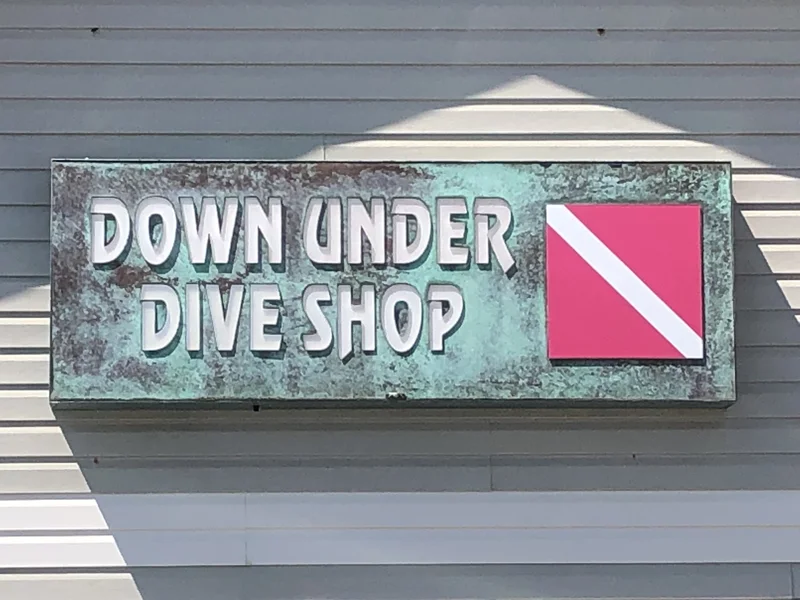
Today: 10:00 - 18:00
Nearest Airports
Nearest airports to help plan travel to this dive area.
Search Flights
Check available flights and routes on Expedia, using the nearby airports listed in this section.
Search Flights on Expedia
Plan Your Stay
Looking for a place to stay for your dive trip? Explore hotels, stays, and vacation rentals for dive groups near Gulf Breeze.
Dive Navigator may earn a commission from these links at no extra cost to you.
Frequently Asked Questions
What are the prime months for diving at ESERS PR24?
The most favorable months for diving at ESERS PR24, based on climate data, are typically from May to October, as well as February. These periods offer good dive scores, generally warmer air temperatures, and lower wave heights.
Are there specific depth restrictions for diving in this region?
Federal regulations in the US generally restrict SCUBA diving to depths not exceeding 39 m (130 fsw). Dives beyond 30 m (100 fsw) or outside no-decompression limits require a decompression chamber to be readily available.
How should divers handle strong currents?
If currents at the dive site exceed 1 knot, federal guidelines stipulate that divers must be line-tended from the surface. This procedure enhances safety and control in challenging conditions.
Is a standby diver always required?
Yes, a standby diver must be available while a diver is in the water. Additionally, divers need to maintain continuous visual contact with another diver or be line-tended from the surface.
What's the typical air temperature during peak dive season?
During the peak dive season from May to October, average air temperatures in the region of ESERS PR24 range from approximately 24.5°C to 29°C (76-84°F).
Are there any regulations regarding enclosed space diving?
Diving in enclosed or physically confining spaces is restricted. Such operations require divers to be line-tended, and an additional diver must be stationed at the underwater point of entry.
Is a reserve air supply mandatory?
Yes, each diver must carry a reserve breathing gas supply. This can be either a manual J valve or an independent reserve cylinder with a separate regulator, and it must be in the closed position before the dive.
Planning to dive Esers PR24?
Send one inquiry and receive offers directly from the best verified local dive operators.
Conditions are Good
07:00 - 14:00
Optimal conditions expected
Current conditions near Esers PR24 show 29° air, 30° sea temperature, 0.5 m waves, and 14 km/h wind. Forecast data is refreshed regularly to ensure accuracy.