
Diving at ESERS027 (United States)
Beginning your descent at Isle Royale's shipwreck sites is to travel back in time, entering Lake Superior's preserved maritime history. Many wrecks are found at extreme depths, often plunging well below 30 m (100 ft) into frigid waters. This remote location holds the National Park Service's most intact collection of vessels. Each dive here promises a distinct underwater exploration, revealing historical artifacts frozen in time.
Current morning readings from ESERS027 indicate an air temperature of 28.5°C. Surface wave heights are averaging around 1 m at this time. These local measurements provide a baseline for your daily dive planning.
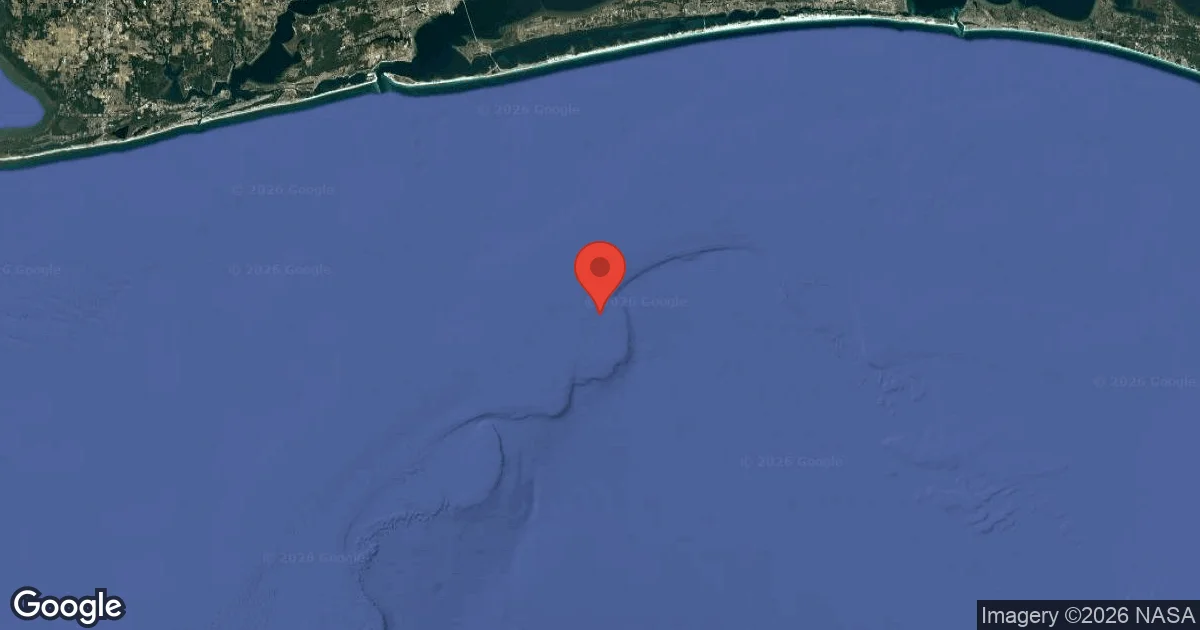
Dive Site Location & Key Facts
Dive Site Overview
Isle Royale is home to a significant collection of ten major shipwrecks, chronicling seventy years of Great Lakes maritime evolution, from early wooden side-paddle steamers to massive steel freighters. These sites offer a diverse range of underwater topography.
For instance, the SS America's midship and stern remain intact, showcasing its engine room, galley, and numerous cabins; it's moored in approximately 6 m (20 ft) of water.
In contrast, the SS Henry Chisholm features a large, intact steam engine with its drive shaft and prop dominating the scene. The SS Chester A.
Congdon presents a fragmented site, with its intact pilot house and bow section on the south side of a reef, while the stern lies on the north. Other wrecks, like the SS George M.
Cox, consist of scattered wreckage, twisted steel plating, and exposed machinery. Deeper sites, such as the SS Kamloops, are noted for their intact and undisturbed nature due to extreme depth. While some portions of wrecks are found at recreational depths, many are far deeper, requiring specific equipment and experience. The SS Cumberland still holds large sections of its wooden hull, side-wheel, and boiler.
Conditions are Excellent
07:00 - 14:00
Optimal conditions expected
Current conditions near ESERS027 show 29° air, 30° sea temperature, 0.5 m waves, and 24 km/h wind. Forecast data is refreshed regularly to ensure accuracy.
Best Time to Dive
Considering the seasonal variations, optimal dive conditions at Isle Royale generally align with late spring through early autumn. Months like May through October consistently receive 'Good' dive scores, benefiting from milder air temperatures that typically range from 24°C (76°F) in May to 27°C (81°F) in September, although air temperatures can still reach 29°C (84°F) in August. During these periods, average wave heights are generally lower, often around 0.6-0.8 meters (2-2.6 ft), with reduced wind speeds compared to winter months. Conversely, the colder months from November to April typically yield 'Moderate' dive scores. Air temperatures during these times can drop significantly, ranging from 13°C (56°F) in January to 21°C (70°F) in April, with corresponding increases in wave height and wind. Lake Superior’s weather is notably changeable, so monitoring marine forecasts is essential regardless of the season. Rain levels show some fluctuation, with September historically reporting higher averages around 4.8 mm, while February tends to be drier at 2.6 mm.
PEAK SEASON SCORE
Scores combine air & water temps, waves, wind & rainfall for overall conditions.
BEST MONTHS TO DIVE
Monthly records compiled from satellite and marine observation nodes over the last 3 years. Data provided by Open-Meteo and MET Norway.
Dive Experience & Conditions
Diving in Lake Superior presents unique conditions driven primarily by its cold temperatures. At the surface, water temperatures rarely exceed 13°C (55°F). Below 15 m (50 ft), the water is consistently frigid, maintaining temperatures between 1-3°C (34-37°F). This cold environment significantly increases the possibility of decompression problems, necessitating conservative dive profiles and proper thermal protection. Sunlight penetration to deeper sections varies depending on factors like overall visibility, the angle of the sun, and the presence of fog or clouds. Current dynamics are generally influenced by the vastness of the lake, with conditions changing rapidly. While some sites offer relatively shallow access, many wrecks extend into deeper sections, demanding advanced cold-water diving skills and technical equipment. Inside some shipwrecks, silt can be easily disturbed, reducing visibility to zero in confined passages. Most shipwreck sites utilize buoys to provide safe mooring and protect the wrecks from anchor damage.
Dive Difficulty & Safety Guidelines
Diving at Isle Royale is a remote experience where emergency care is not immediately available. The closest recompression chambers are located significant distances away in Minneapolis and Milwaukee, underscoring the need for conservative diving practices. Divers must use extreme caution when considering shipwreck penetration, as confined passages can lead to entanglement or disorientation, and disturbed silt can rapidly reduce visibility.
To mitigate risks, divers should be proficient in CPR and emergency procedures, carrying an adequate first-aid kit, including an oxygen delivery system. Federal law strictly prohibits the removal or disturbance of shipwreck sites and associated artifacts.
To prevent the spread of invasive species, all dive gear must be thoroughly washed in warm chlorinated tap water and dried for seven days prior to diving in the park. Each diver is required to register at a visitor center before diving and return a completed permit after their trip.
Dive flags must be displayed whenever divers are in the water, remaining within 30 m (100 ft) of the flag. Additionally, the SS America site is closed to diving daily from 10:00 a.m. to 12:00 p.m. Eastern Time.
Recommended Equipment
- Dive Computer
This gear list is based on verified equipment signals for ESERS027, United States. Always confirm final gear choices with your dive operator, guide, or liveaboard.
Recommended Dive Suit
Subtle variations in currents or depth can sometimes influence perceived water temperature.
Dive skin or rash guard tends to perform well in water temperatures like those currently observed here. Consider warmer surface protection (like a boat coat) due to brisk winds. Forecast models show minimal temperature variation in the coming days.
Divers heading to ESERS027 today should expect water temperatures around 30°C (86°F). Surface air temperatures are resting at 29°C (83°F).
Due to technical issues with our weather providers, live updates are temporarily delayed. The data above reflects the conditions at the time of the last successful fetch.
Emergency & Medical Support
Essential information to help you plan your dive trip to ESERS027.

Hyperbaric chambers are a critical part of dive safety infrastructure. Availability varies significantly by region, and not all dive areas have immediate access.
Before diving, it's recommended to:
- confirm nearest medical facilities
- check emergency procedures with local dive operators
- ensure dive insurance covers evacuation if required
Divers Alert Network
Diving emergency assistance available through DAN World.
+1-919-684-9111- 24/7 emergency hotline
- Diving medical assistance
- Evacuation coordination
Emergency contacts are provided for reference. Always verify local emergency services before diving.
Marine Life at ESERS027
The submerged structures of Isle Royale's shipwrecks form the primary underwater landscape, providing shelter and substrate in the cold waters of Lake Superior. While specific detailed marine life reports for these sites are not consistently available, these historical vessels serve as artificial reefs within the freshwater ecosystem. Divers can observe various freshwater organisms adapted to this environment, thriving among the preserved remains of steam engines, hulls, and scattered wreckage, contributing to the unique character of each dive.
Dive Sites Near ESERS027
View all dive sites in United StatesDiscover more underwater gems in this area.
Dive Centers Near ESERS027
Today: 10:00 - 14:00
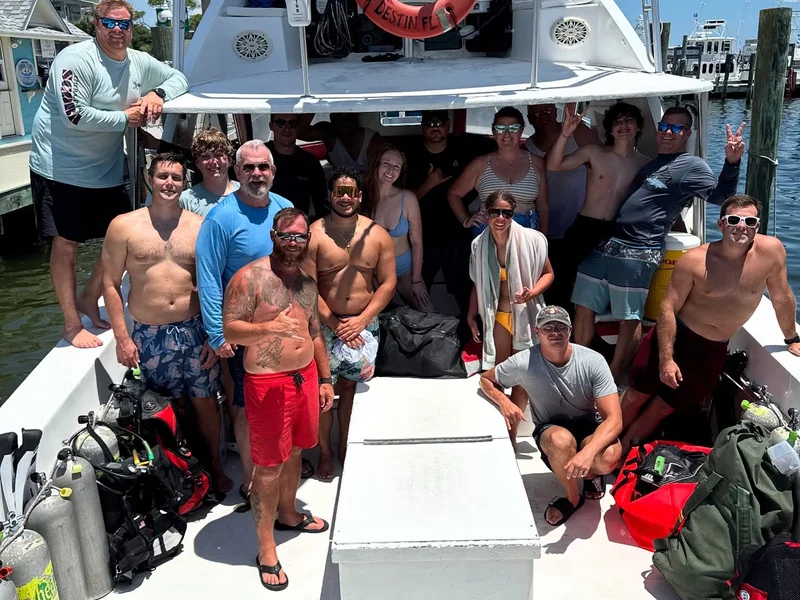
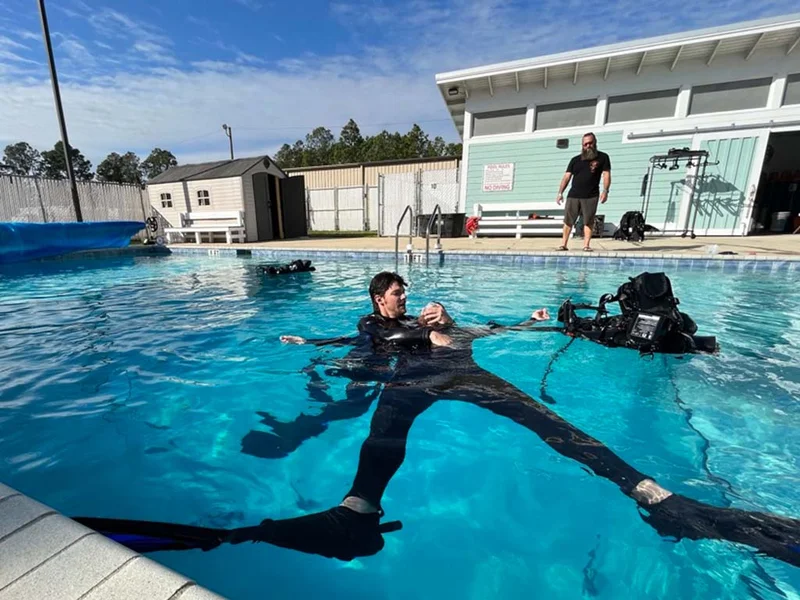
Nearest Airports
Nearest airports to help plan travel to this dive area.
Search Flights
Check available flights and routes on Expedia, using the nearby airports listed in this section.
Search Flights on Expedia
Plan Your Stay
Looking for a place to stay for your dive trip? Explore hotels, stays, and vacation rentals for dive groups near Gulf Breeze.
Dive Navigator may earn a commission from these links at no extra cost to you.
Frequently Asked Questions
What are the typical water temperatures at Isle Royale?
Surface water temperatures rarely exceed 13°C (55°F). Below 15 m (50 ft), temperatures drop significantly, remaining a frigid 1-3°C (34-37°F) year-round.
Are dive permits required for Isle Royale?
Yes, each diver must register at a Rock Harbor, Windigo, or Houghton Visitor Center before diving. You are also required to return a completed permit after your trip.
What is the deepest shipwreck at Isle Royale?
While many wrecks feature shallower sections, some, like the SS Kamloops, are at extreme depths and remain largely intact and undisturbed due to their position in deeper water.
Are there air/gas fill stations available on Isle Royale?
No, there are no facilities for filling dive cylinders on Isle Royale. Personal compressor use is limited to designated times and locations, as specified on your dive permit.
Is it safe to penetrate shipwrecks at Isle Royale?
Extreme caution is advised for shipwreck penetration. Divers can become lost or entangled, and darkness and silt can reduce visibility to zero. Divers should only attempt penetration if they have specific training and experience.
What are the rules regarding artifacts at dive sites?
Federal law strictly prohibits the removal or disturbance of shipwreck sites and associated artifacts. Divers are expected to leave everything as they find it to preserve these historical sites.
When is the SS America wreck site closed to diving?
The SS America is closed to diving daily between 10:00 a.m. and 12:00 p.m. Eastern Time. This allows ferry passengers to view the wreck without diver interference.
Planning to dive ESERS027?
Send one inquiry and receive offers directly from the best verified local dive operators.
Conditions are Excellent
07:00 - 14:00
Optimal conditions expected
Current conditions near ESERS027 show 29° air, 30° sea temperature, 0.5 m waves, and 24 km/h wind. Forecast data is refreshed regularly to ensure accuracy.