
Diving at ESERS037 (United States)
Commercial diving operations across the United States frequently navigate highly varied underwater environments. Teams confront a broad spectrum of working depths, from relatively shallow inspection tasks on critical infrastructure like bridge supports to deeper placements required for salvage or extensive debris removal projects. These dynamic underwater settings, often involving industrial or natural formations, dictate specialized approaches for each assignment. Working depths are determined by the specific project demands, rather than recreational limits, adapting to intricate submerged structures.
Starting the day at ESERS037, the ambient air temperature is recorded at 29°C. Ongoing monitoring shows wave heights measuring 0.9 m. This data represents the current surface conditions for early activities.
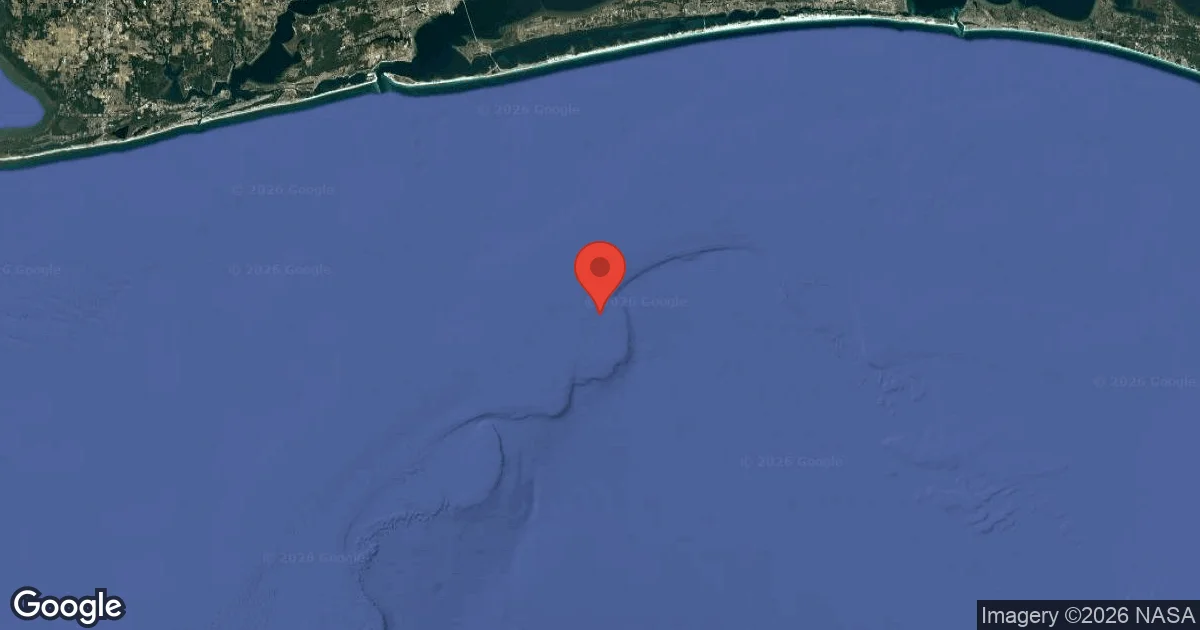
Dive Site Location & Key Facts
Dive Site Overview
Commercial diving operations across the United States cover an exceptionally diverse range of underwater environments, from shallow riverine inspections to deep structural repairs. Divers regularly navigate complex topographies, performing essential work in inland waterways and along vast coastal infrastructures.
Projects might involve detailed video inspections on silty riverbeds, such as those found in the Muskingum River, Ohio, where visibility can be extremely limited. Beyond rivers, teams operate in the expansive, often cold-water settings of large lakes like Lake Superior, adapting to specific challenges presented by varying depths and conditions.
These assignments frequently address the intricate geometries of submerged bridge structures, critical barge hulls, and various intake and outfall systems. Work also extends to areas with significant industrial elements, including sheet pilings and active construction sites, characterized by altered or artificial terrains.
To manage challenging conditions, specialized techniques, including air lifting and jetting, are routinely employed. These methods help clear sediment and debris, facilitating access and ensuring operational efficiency across highly varied underwater landscapes. Each site demands a tailored approach, reflecting the dynamic nature of commercial diving.
Conditions are Excellent
07:00 - 14:00
Optimal conditions expected
Current conditions near ESERS037 show 29° air, 30° sea temperature, 0.5 m waves, and 22 km/h wind. Forecast data is refreshed regularly to ensure accuracy.
Best Time to Dive
Planning operations across the United States involves considering distinct seasonal shifts in climate. Air temperatures present a notable contrast, ranging from milder averages of 13°C (55°F) in January to significantly warmer conditions peaking around 29°C (84°F) in August. Rainfall remains relatively consistent throughout the year, typically between 2.6 mm and 4.8 mm (0.1 to 0.2 inches) monthly, not generally posing a major seasonal impediment to underwater work. Meanwhile, average wave heights vary from around 0.6 meters (2 feet) in July to 1.2 meters (3.8 feet) in January, impacting surface support and vessel stability. Although water temperatures aren't consistently reported for all operational areas, they vary significantly depending on geographic location and season, necessitating robust cold-water diving protocols in many regions during colder months.
PEAK SEASON SCORE
Scores combine air & water temps, waves, wind & rainfall for overall conditions.
BEST MONTHS TO DIVE
Monthly records compiled from satellite and marine observation nodes over the last 3 years. Data provided by Open-Meteo and MET Norway.
Dive Experience & Conditions
Navigating the varied underwater conditions across the United States requires highly specialized training and experience. Operations frequently involve environments with extremely limited or zero visibility, demanding precise tactile navigation and stringent communication protocols. Divers also regularly contend with a broad thermal range, working in contaminated, hot, or very cold water, sometimes with air temperatures dropping to -23°C (-10°F) in winter. Operational depths are determined by project specifications, spanning from shallow inspection work on intake systems to deeper construction or salvage tasks. These challenging conditions necessitate surface-supplied air diving for enhanced safety and communication, ensuring robust support for divers operating in environments far removed from typical recreational dive sites.
Dive Difficulty & Safety Guidelines
Safety is paramount in all commercial diving operations, especially when confronting the inherent hazards of varied underwater environments. Teams adhere to rigorous safety standards, meeting or exceeding guidelines set by organizations such as the Association of Diving Contractors International (ADCI) and the Occupational Safety and Health Administration (OSHA). Divers are trained for hazardous environments, including contaminated waters, and are often HAZWOPER and eRailSafe qualified.
Emergency response capabilities are critical, with 24-hour on-call dive teams prepared for rapid deployment. These stringent protocols are essential given the demanding nature of tasks like debris removal, underwater welding, and working near active infrastructure, where potential risks extend beyond those found in recreational diving.
Recommended Equipment
- Dive Computer
This gear list is based on verified equipment signals for ESERS037, United States. Always confirm final gear choices with your dive operator, guide, or liveaboard.
Recommended Dive Suit
For many recreational divers, dive skin or rash guard provides a practical level of insulation in these conditions. Consider warmer surface protection (like a boat coat) due to brisk winds. Divers who tend to get cold easily may prefer slightly thicker exposure protection.
Conditions at ESERS037 currently place the water temperature near 30°C (86°F). Surface air temperatures are resting at 29°C (84°F).
Current forecasts indicate relatively stable conditions for the coming days.
Due to technical issues with our weather providers, live updates are temporarily delayed. The data above reflects the conditions at the time of the last successful fetch.
Emergency & Medical Support
Essential information to help you plan your dive trip to ESERS037.

Hyperbaric chambers are a critical part of dive safety infrastructure. Availability varies significantly by region, and not all dive areas have immediate access.
Before diving, it's recommended to:
- confirm nearest medical facilities
- check emergency procedures with local dive operators
- ensure dive insurance covers evacuation if required
Divers Alert Network
Diving emergency assistance available through DAN World.
+1-919-684-9111- 24/7 emergency hotline
- Diving medical assistance
- Evacuation coordination
Emergency contacts are provided for reference. Always verify local emergency services before diving.
Marine Life at ESERS037
While the focus of commercial diving is typically on infrastructure and environmental remediation, teams often conduct scientific diving to support biological studies and endangered species surveys across various US waterways. Specific marine life encounters are not consistently reported for these operational areas, as the primary objective is project execution rather than observation. However, the presence and health of aquatic ecosystems are factors in environmental assessments, implying a diverse array of freshwater and potentially coastal organisms are present and monitored depending on the specific work location.
Dive Sites Near ESERS037
View all dive sites in United StatesDiscover more underwater gems in this area.
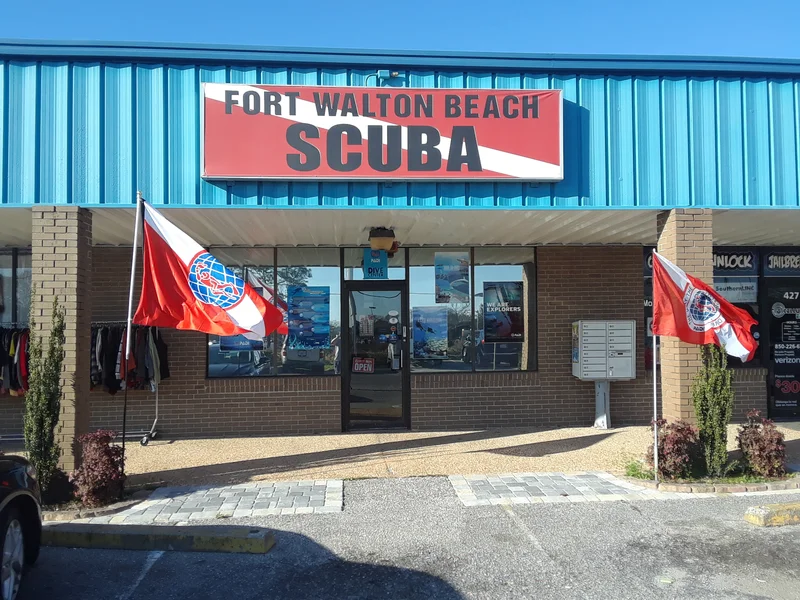
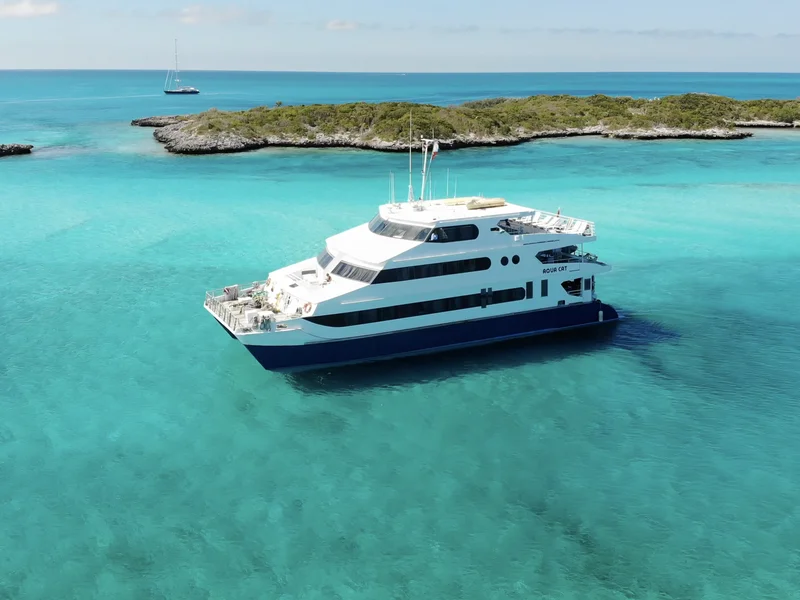
Dive Centers Near ESERS037
Today: 10:00 - 14:00
Nearest Airports
Nearest airports to help plan travel to this dive area.
Search Flights
Check available flights and routes on Expedia, using the nearby airports listed in this section.
Search Flights on Expedia
Plan Your Stay
Looking for a place to stay for your dive trip? Explore hotels, stays, and vacation rentals for dive groups near Gulf Breeze.
Dive Navigator may earn a commission from these links at no extra cost to you.
Frequently Asked Questions
What types of diving services are provided?
ES-Divers offers comprehensive surface-supplied air diving for inspection and construction. Services include bridge inspection, debris removal, intake cleaning, underwater welding, and salvage operations across various marine applications.
What safety standards are followed during operations?
All diving operations meet or exceed standards set by the Association of Diving Contractors International (ADCI) and Occupational Safety and Health Administration (OSHA) guidelines. Teams also adhere to IMCA and USACE EM 385-1-1 requirements for rigorous safety.
Can recreational divers access these sites?
The environments described are primarily commercial diving operational zones, not designated recreational dive sites. Many involve industrial infrastructure, contaminated water, or zero visibility conditions unsuitable for general recreational diving.
What kind of environmental conditions do divers encounter?
Divers routinely operate in harsh conditions such as contaminated, hot, and extremely cold water environments, sometimes requiring specialized protocols for zero-visibility diving. Weather conditions and water characteristics vary significantly across the US.
Is emergency diving response available?
Yes, 24-hour on-call dive teams are available. They can quickly deploy ADCI/OSHA-compliant personnel for emergencies, providing rapid response to critical underwater situations.
What geographical range do these operations cover?
Operations are conducted for a diverse clientele throughout the United States, including various inland waterways, lakes, and coastal regions. Projects have been noted in locations like Lake Superior, MN, and the Muskingum River, Ohio.
Planning to dive ESERS037?
Send one inquiry and receive offers directly from the best verified local dive operators.
Conditions are Excellent
07:00 - 14:00
Optimal conditions expected
Current conditions near ESERS037 show 29° air, 30° sea temperature, 0.5 m waves, and 22 km/h wind. Forecast data is refreshed regularly to ensure accuracy.