
Diving at ESERS531 (United States)
Descending onto the USS Oriskany offers an unparalleled opportunity to explore the world's largest artificial reef. This Essex class aircraft carrier, affectionately known as the "Mighty O" or "the Great Carrier Reef," provides a unique deep-water experience. Divers encounter a magnificent structure, now teeming with diverse marine life, transforming a historic naval vessel into a vibrant underwater ecosystem.
Starting the day at ESERS531, the ambient air temperature is recorded at 29°C. Ongoing monitoring shows wave heights measuring 0.5 m. This data represents the current surface conditions for early activities.
Dive Site Location & Key Facts
Dive Site Overview
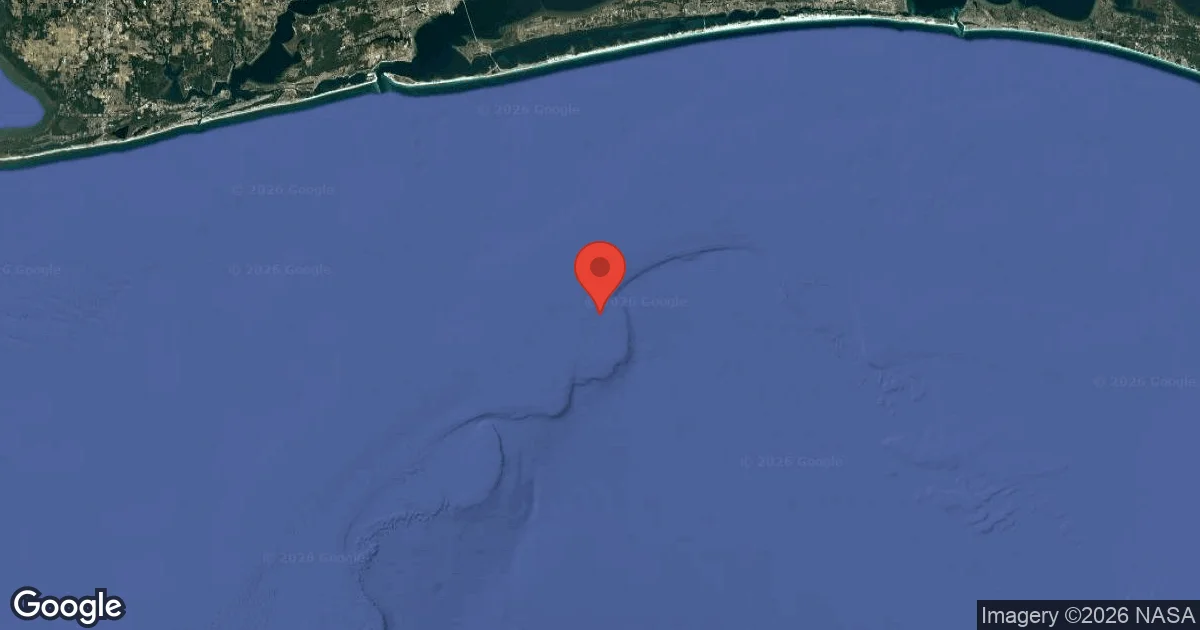
A colossal Essex-class aircraft carrier, the USS Oriskany, was purposely sunk in 2006, establishing itself as an artificial reef. This immense vessel, measuring 277 m (911 ft) long, rests approximately 22 miles off the coast of Pensacola, Florida, in the Gulf of Mexico.
Divers will encounter the wreck resting in 67 m (220 ft) of water, creating a vast subaquatic landscape that stretches for hundreds of meters. Its prominent tower starts at 25 m (80 ft), offering recreational divers access to significant sections like the tower, officers’ quarters, and bridge.
Below the flight deck, numerous areas become accessible for those with advanced or technical diving certifications, revealing more of the carrier’s intricate internal structure. This immense artificial reef continues attracting a wide array of marine species, making it a significant draw for underwater photographers and both recreational and technical divers.
Conditions are Excellent
07:00 - 14:00
Optimal conditions expected
Current conditions near ESERS531 show 29° air, 30° sea temperature, 0.5 m waves, and 21 km/h wind. Forecast data is refreshed regularly to ensure accuracy.
Best Time to Dive
Planning a dive at the USS Oriskany depends largely on prevailing weather patterns, particularly given the unconsistently reported water temperatures. Months like February, May through October typically offer 'Good' dive conditions, characterized by lower wave heights, averaging 0.6-1.0 m (2.0-3.3 ft), and lighter winds. Conversely, 'Moderate' dive scores are more common from January, March, April, November, and December, often due to increased wave activity and stronger winds. Air temperatures fluctuate significantly, ranging from 13°C (55°F) in January to highs of 29°C (84°F) in August. Rainfall remains relatively low throughout the year, with averages typically between 2.58 mm (0.1 in) and 4.78 mm (0.2 in) monthly. Divers should consider these seasonal variations in surface conditions.
PEAK SEASON SCORE
Scores combine air & water temps, waves, wind & rainfall for overall conditions.
BEST MONTHS TO DIVE
Monthly records compiled from satellite and marine observation nodes over the last 3 years. Data provided by Open-Meteo and MET Norway.
Dive Experience & Conditions
Your dive at the USS Oriskany begins with a boat entry, leading to a descent onto this immense structure. As you descend, the towering superstructure becomes visible, with its upper sections, including the tower, officers’ quarters, and bridge, starting at around 25 m (80 ft). This shallower zone offers ample opportunity for recreational exploration. Deeper parts of the wreck, extending to the flight deck and below, require advanced training due to the maximum depth of 67 m (220 ft) where the vessel rests. Visibility can fluctuate with local conditions and currents may be present, influencing the difficulty of maneuvering around the extensive wreck. Proper buoyancy control is essential, especially when exploring closer to the structure or considering any penetration of the overhead environment.
Dive Difficulty & Safety Guidelines
Diving the USS Oriskany requires careful adherence to established safety protocols, especially considering its depth and wreck environment. Always consult a dive professional familiar with the site's present conditions before entering the water. Due to the wreck resting at 67 m (220 ft), and the tower starting at 25 m (80 ft), divers must possess appropriate certification levels for their planned depth.
For instance, exploring areas below the flight deck demands advanced or technical diving credentials. Strict adherence to PADI Standard Safe Diving Practices is mandatory.
Given the potential for overhead environments within the carrier, wreck diver training is highly recommended, ensuring familiarity with specific procedures for penetration and navigation.
Recommended Equipment
- Dive Computer
This gear list is based on verified equipment signals for ESERS531, United States. Always confirm final gear choices with your dive operator, guide, or liveaboard.
Recommended Dive Suit
For relaxed exploration dives, dive skin or rash guard generally provides adequate warmth. Water conditions at ESERS531 are currently measured at approximately 30°C (86°F). Surface air temperatures are resting at 29°C (85°F).
Forecast trends indicate similar diving conditions over the next few days.
A diver's personal tolerance to cold water can play a large role in suit selection.
Emergency & Medical Support
Essential information to help you plan your dive trip to ESERS531.

Hyperbaric chambers are a critical part of dive safety infrastructure. Availability varies significantly by region, and not all dive areas have immediate access.
Before diving, it's recommended to:
- confirm nearest medical facilities
- check emergency procedures with local dive operators
- ensure dive insurance covers evacuation if required
Divers Alert Network
Diving emergency assistance available through DAN World.
+1-919-684-9111- 24/7 emergency hotline
- Diving medical assistance
- Evacuation coordination
Emergency contacts are provided for reference. Always verify local emergency services before diving.
Marine Life at ESERS531
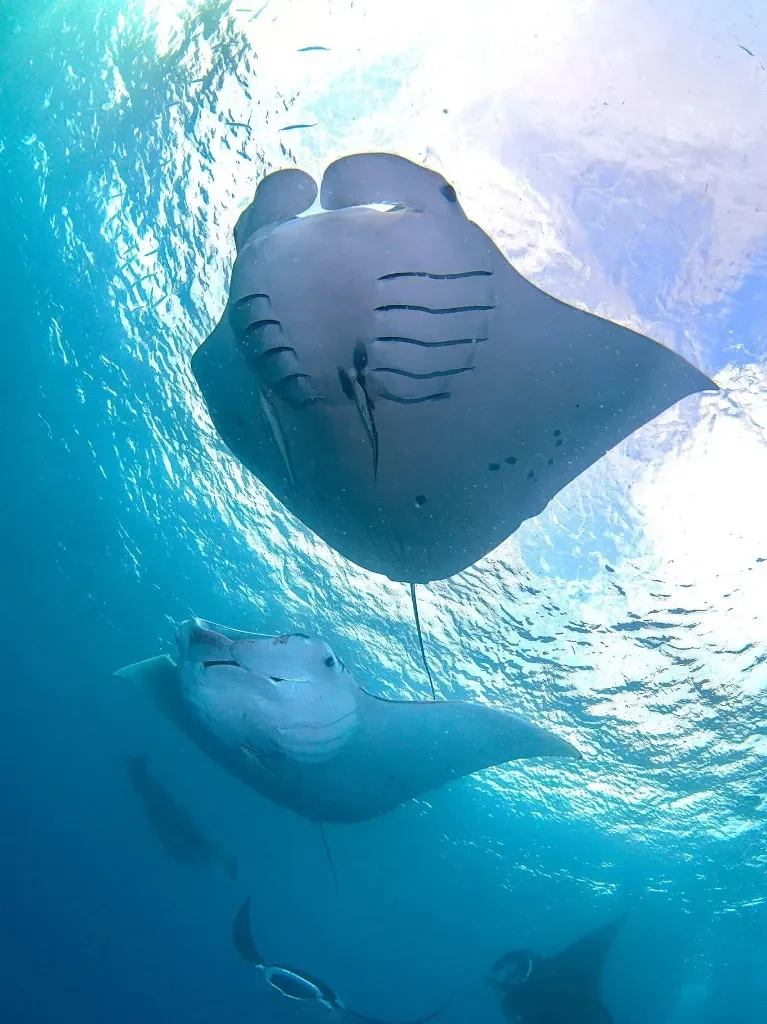
The colossal structure of the USS Oriskany provides an expansive canvas for marine life, fostering a diverse underwater landscape. Divers often encounter various pelagic fish circling the carrier, with sightings of whale sharks and manta rays occurring seasonally.
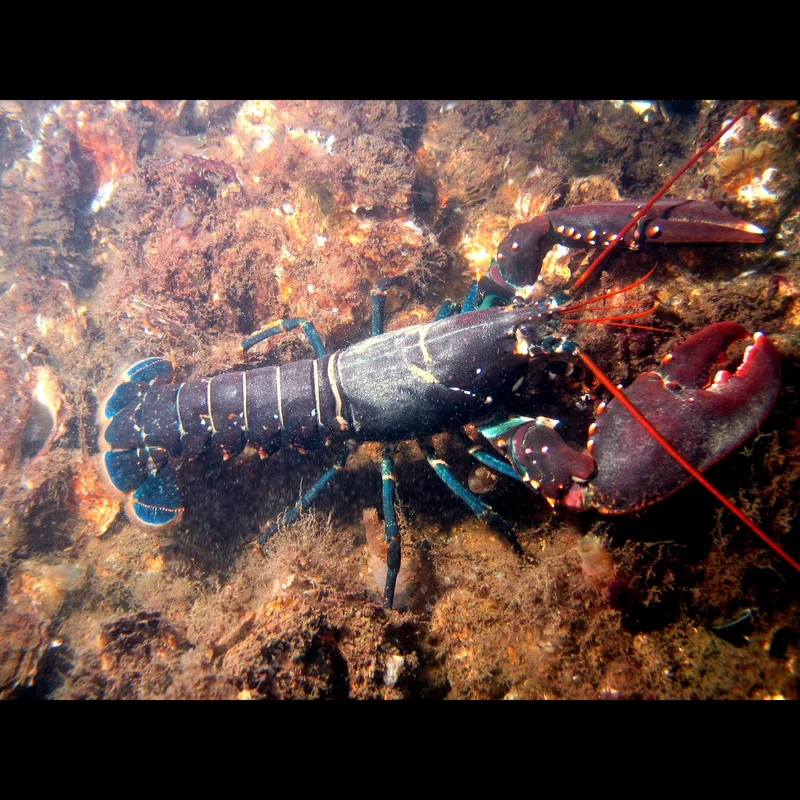
Sharks and eels are commonly observed inhabitants, utilizing the wreck's intricate nooks and crannies for shelter. Abundant marine life thrives here, including populations of octopus and lobster, which can be found tucked into crevices.
An abundance of reef fish contributes to the vibrant ecosystem, making every dive a dynamic encounter.

Dive Sites Near ESERS531
View all dive sites in United StatesDiscover more underwater gems in this area.
Dive Centers Near ESERS531
Today: 10:00 - 18:00
Nearest Airports
Nearest airports to help plan travel to this dive area.
Search Flights
Check available flights and routes on Expedia, using the nearby airports listed in this section.
Search Flights on Expedia
Plan Your Stay
Looking for a place to stay for your dive trip? Explore hotels, stays, and vacation rentals for dive groups near Gulf Breeze.
Dive Navigator may earn a commission from these links at no extra cost to you.
Frequently Asked Questions
What is the USS Oriskany?
The USS Oriskany, nicknamed the "Mighty O," is an Essex class aircraft carrier that served in the Korean and Vietnam Wars. It was purposely sunk in 2006 to become the world's largest artificial reef.
Where is the USS Oriskany located?
Found approximately 22 miles off the coast of Pensacola, Florida, in the Gulf of Mexico. Its coordinates are 30.04258, -87.00662.
What is the maximum depth for diving the Oriskany?
Resting at a maximum depth of 67 m (220 ft), the wreck offers shallower sections like the tower, which begins at 25 m (80 ft), accessible to recreational divers.
What marine life can be seen at this site?
Divers frequently observe pelagic fish, sharks, and eels. Seasonal sightings may include whale sharks and manta rays, alongside lobster, octopus, and various reef fish.
What certifications are recommended for this dive?
PADI Advanced Open Water, Enriched Air Diver, Deep Diver, and Wreck Diver certifications are all recommended. Deeper sections require advanced or technical training.
What are the best months to dive the USS Oriskany?
February, and the months from May through October, generally offer 'Good' dive conditions. These periods typically see calmer surface conditions and milder air temperatures.
Planning to dive ESERS531?
Send one inquiry and receive offers directly from the best verified local dive operators.
Conditions are Excellent
07:00 - 14:00
Optimal conditions expected
Current conditions near ESERS531 show 29° air, 30° sea temperature, 0.5 m waves, and 21 km/h wind. Forecast data is refreshed regularly to ensure accuracy.