
Diving at Evans (#6) (Bay) (United States)
Evans Bay typically presents a varied depth profile, characteristic of many sheltered coastal environments. Shallower sections often begin near the shore, gradually descending to deeper recreational dive limits, though precise maximum depths are not consistently reported. Such a gradient allows for exploration across different zones, from sunlit shallows to more subdued depths. Divers should prepare for an environment where bottom contours can change, offering diverse underwater perspectives.
Tonight's objective overview for Evans (#6) (Bay) shows an air temperature of 26.5°C. The measured surface conditions include wave heights around 0.3 m. This environmental data is logged for the close of the day.
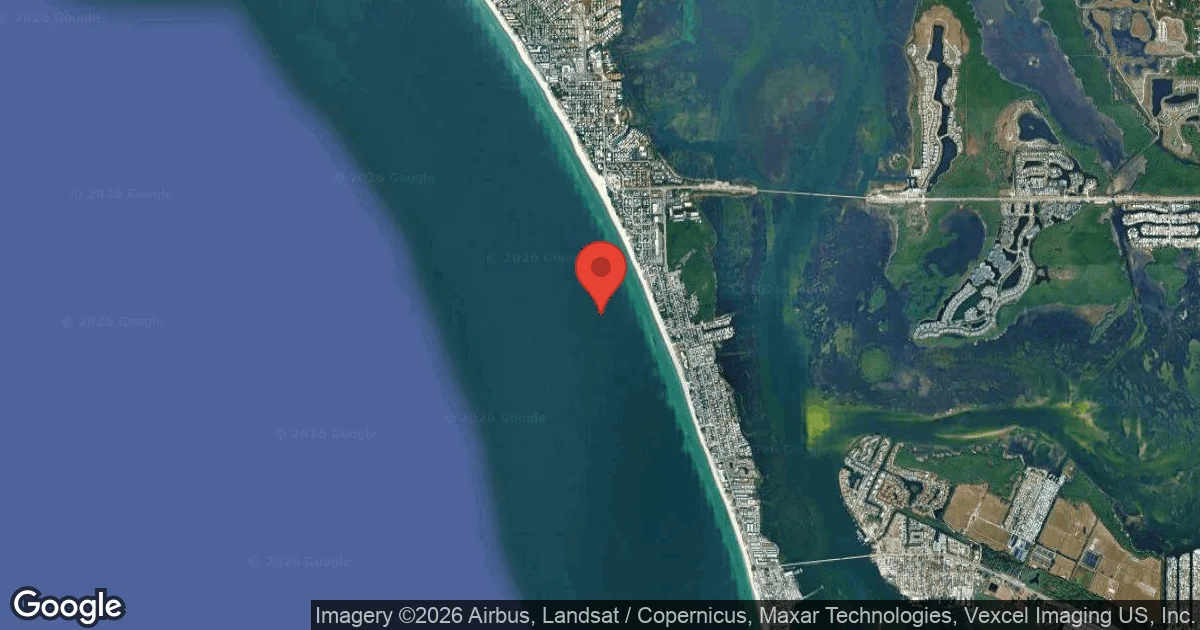
Dive Site Location & Key Facts
Dive Site Overview
Exploring Evans Bay allows divers to encounter the characteristic topography of a protected marine environment. While specific underwater features like defined reefs or wrecks aren't consistently detailed, bays generally offer a mix of sandy flats, rocky outcrops, and potentially seagrass beds.
Varied landscapes can provide natural shelter from open ocean conditions, influencing both local currents and the distribution of marine inhabitants. Dive scores are consistently rated good to excellent throughout the year, with an average score of 8 or 9. Air temperatures provide comfortable conditions, ranging from 15.5°C (60°F) in January to highs of 28.5°C (83°F) in July and August.
Rain patterns suggest drier periods from April to July and November, with higher average rainfall in August and June. Wind speeds also vary seasonally, affecting surface conditions and overall comfort on the water.
Broader climate patterns indicate a generally favorable environment for diving, despite limited specific site details regarding its underwater structures.
Conditions are Good
Optimal conditions expected
Current conditions near Evans (#6) (Bay) show 26° air, 31° sea temperature, 0.3 m waves, and 27 km/h wind. Forecast data is refreshed regularly to ensure accuracy.
Best Time to Dive
May through September consistently earn an 'Excellent' dive score, appearing as peak months for diving at Evans Bay. Warmest air temperatures align with this period, ranging from 25.5°C (78°F) in May to 28.5°C (83°F) in July and August. During these months, average wave heights typically remain below 0.5 meters (1.6 ft), contributing to calmer surface conditions. Conversely, divers should note that August and June report higher average rainfall, 9.29 mm (0.37 inches) and 5.13 mm (0.20 inches) respectively, compared to notably drier months like April (1.62 mm / 0.06 inches) or November (1.06 mm / 0.04 inches). Diving during October to March still offers a 'Good' score, though air temperatures drop to 15.5°C (60°F) in January, necessitating appropriate thermal protection. Wind speeds vary seasonally, generally lower in summer, which can further enhance comfort on the water and underwater visibility.
PEAK SEASON SCORE
Scores combine air & water temps, waves, wind & rainfall for overall conditions.
BEST MONTHS TO DIVE
Monthly records compiled from satellite and marine observation nodes over the last 3 years. Data provided by Open-Meteo and MET Norway.
Dive Experience & Conditions
Upon descent into Evans Bay, divers can anticipate conditions that vary depending on recent weather and local currents. Visibility is not consistently reported but, in a typical bay setting, it can range from moderate to good, influenced by factors like rainfall, tides, and sediment movement. Water temperatures for Evans Bay are not available, so divers should prepare for variable thermal conditions based on the season and local reports. Average wave heights generally remain below 0.8 meters (2.6 ft) year-round, suggesting manageable surface conditions, particularly in calmer summer months. A bay's protected nature may offer some shielding from stronger oceanic currents, potentially providing a more relaxed drift through certain areas. Expect to encounter different bottom compositions as you explore, from sandy patches to more structured areas that could harbor various marine life.
Dive Difficulty & Safety Guidelines
Safety in Evans Bay primarily involves understanding general bay diving practices and being prepared for variable conditions. Without specific reported hazards, divers should always assess current weather and water conditions before entry. Monitoring wind speed is part of this assessment, averaging between 18.1 and 24.2 km/h (11.2 and 15.0 mph) throughout the year, as higher winds can impact surface chop and currents.
It's advisable to dive with a local guide or someone familiar with the area's specific entry/exit points and potential current patterns. Maintaining situational awareness regarding boat traffic, common in many bay environments, is also important for diver safety.
Always follow established dive protocols and carry appropriate safety gear. Local dive operators or authorities can provide the most up-to-date information on any specific concerns.
Recommended Equipment
- Dive Computer
This gear list is based on verified equipment signals for Evans (#6) (Bay), United States. Always confirm final gear choices with your dive operator, guide, or liveaboard.
Recommended Dive Suit
For dives of average duration, dive skin or rash guard usually provides sufficient protection from heat loss. A hood or vest is suggested for sensitive divers due to surface winds.
Current readings at Evans (#6) (Bay) show water temperatures near 31°C (87°F). Surface air temperatures are resting at 26°C (79°F).
Weather projections show fairly stable environmental conditions ahead.
Emergency & Medical Support
Essential information to help you plan your dive trip to Evans (#6) (Bay).

Hyperbaric chambers are a critical part of dive safety infrastructure. Availability varies significantly by region, and not all dive areas have immediate access.
Before diving, it's recommended to:
- confirm nearest medical facilities
- check emergency procedures with local dive operators
- ensure dive insurance covers evacuation if required
Divers Alert Network
Diving emergency assistance available through DAN World.
+1-919-684-9111- 24/7 emergency hotline
- Diving medical assistance
- Evacuation coordination
Emergency contacts are provided for reference. Always verify local emergency services before diving.
Marine Life at Evans (#6) (Bay)
What you notice first when diving Evans Bay's potential marine habitats can vary. While specific marine life populations are not consistently reported for this bay, similar protected bay environments typically support a range of smaller reef fish, crustaceans, and mollusks in their shallower, more structured areas.
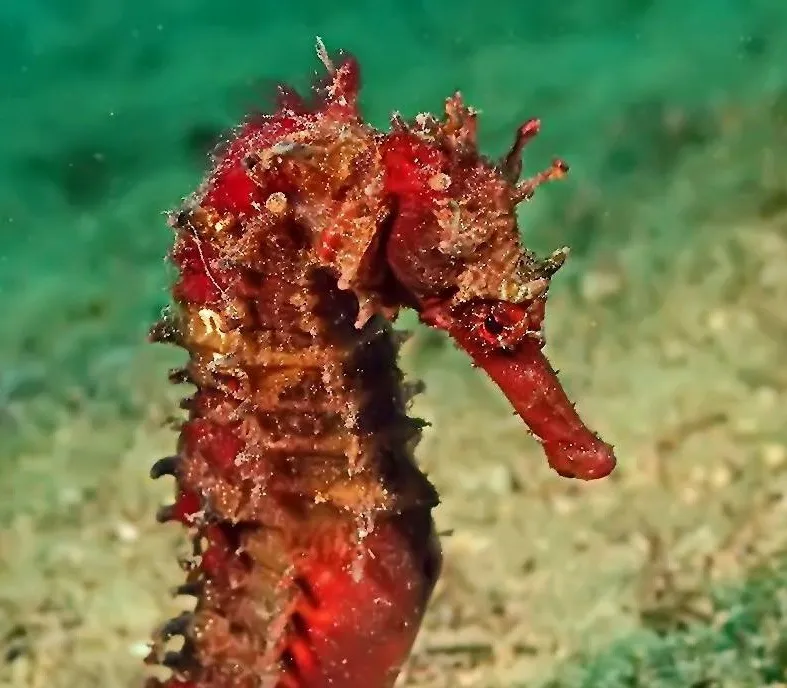
Deeper sandy expanses might host various bottom dwellers, potentially including rays or flatfish. Exploring seagrass beds, if present, could reveal seahorses or juvenile fish seeking shelter.
Overall biodiversity is likely to reflect a typical temperate bay ecosystem, influenced by factors like substrate type and available food sources.

Dive Sites Near Evans (#6) (Bay)
View all dive sites in United StatesDiscover more underwater gems in this area.
Dive Centers Near Evans (#6) (Bay)
Today: 09:00 - 18:00
Nearest Airports
Nearest airports to help plan travel to this dive area.
Search Flights
Check available flights and routes on Expedia, using the nearby airports listed in this section.
Search Flights on Expedia
Plan Your Stay
Looking for a place to stay for your dive trip? Explore hotels, stays, and vacation rentals for dive groups near Sarasota.
Dive Navigator may earn a commission from these links at no extra cost to you.
Frequently Asked Questions
What is the typical visibility in Evans Bay?
Visibility in Evans Bay is not consistently reported and can vary. In a typical bay setting, it's often influenced by recent weather, rainfall, and tidal movements, ranging from moderate to good. Local conditions on any given day will be the primary determinant.
Are there specific dive sites or notable features in Evans Bay?
Specific named dive sites or prominent underwater features within Evans Bay are not consistently detailed in available information. Bay environments generally feature a mix of sandy bottoms, potential rocky areas, and seagrass beds. Exploration would likely reveal variations in substrate and small structural elements.
What are the water temperatures in Evans Bay?
Water temperatures for Evans Bay are not available in the provided data. Divers should consult local reports or dive operators closer to their planned dive dates. Expect variability based on the season and general regional climate.
Is Evans Bay suitable for beginner divers?
Suitability for beginner divers in Evans Bay depends on the specific conditions of the day and the chosen dive area. While bays often offer sheltered conditions, factors like visibility, currents, and surface chop can vary. Beginners should always dive with a certified guide or instructor familiar with the bay.
Are there strong currents to be aware of?
Strong currents are not consistently reported for Evans Bay. As a bay, it typically offers some protection from open ocean currents. However, local tidal flows and wind-driven currents can occur, so divers should always check local conditions before entering the water.
Is boat traffic a concern for divers?
Yes, boat traffic can be a concern in many bay environments. Divers should always assume the presence of vessel traffic and deploy a dive flag according to local regulations. Maintaining surface awareness and proper ascent procedures are crucial for safety.
What kind of marine life can I expect to see?
While specific marine life populations for Evans Bay aren't detailed, typical bay ecosystems can support a variety of smaller fish species, crabs, shrimp, and mollusks. Divers might also spot bottom dwellers like rays or flatfish on sandy areas, or seahorses in seagrass.
Are there any local dive operators for Evans Bay?
Local dive operators specifically catering to Evans Bay are not consistently identified in the provided information. Divers planning a trip should research dive centers in the general region of the United States. These centers can often provide guidance or charters to suitable local dive spots.
Planning to dive Evans (#6) (Bay)?
Send one inquiry and receive offers directly from the best verified local dive operators.
Conditions are Good
Optimal conditions expected
Current conditions near Evans (#6) (Bay) show 26° air, 31° sea temperature, 0.3 m waves, and 27 km/h wind. Forecast data is refreshed regularly to ensure accuracy.