
Diving at Firing Range Wreck (United States)
Approaching a wreck site like Firing Range, divers typically first discern the indistinct outline of a submerged structure against the deeper blue. As descent continues, the various elements of the wreck come into sharper focus, often revealing the complex geometry of a former vessel. The initial impression is frequently one of robust, settled history, providing immediate visual cues of an established artificial reef environment in waters off the United States.
Tonight's objective overview for Firing Range Wreck shows an air temperature of 22.5°C. The measured surface conditions include wave heights around 0.8 m. This environmental data is logged for the close of the day.
Dive Site Location & Key Facts
Dive Site Overview
While specific historical details for the Firing Range Wreck are not consistently reported in available data, many artificial reefs in Florida, created from vessels like tugs, barges, and freighters, share a common purpose: enhancing marine habitat. These structures were often intentionally sunk as part of organized artificial reef programs, similar to the Governor’s Riverwalk Reef in Palm Beach or the numerous sites off Pensacola.
Vessels, sometimes including those previously used in maritime operations or even seized drug smuggling vessels, are repurposed to offer new homes for marine organisms. Such wrecks often settle within recreational diving depths, commonly ranging from 15 m (50 ft) in shallower sections to around 26 m (85 ft) on deeper structures, providing ample exploration time. The ongoing process of marine growth transforming these sunken artifacts into vibrant ecosystems is a testament to the success of these programs, creating dive sites rich in structural complexity and biological diversity.
Conditions are Good
Optimal conditions expected
Current conditions near Firing Range Wreck show 22° air, 23° sea temperature, 1.0 m waves, and 33 km/h wind. Forecast data is refreshed regularly to ensure accuracy.
Best Time to Dive
Optimal diving conditions for wreck sites in this US region generally fall between May and November, when dive scores are consistently rated "Good." During these months, the average air temperature is considerably warmer, ranging from about 16°C (61°F) in May to a peak of 25°C (77°F) in July, before gradually cooling to 9°C (48°F) by November. Wave heights during these periods tend to be calmer, averaging below 1.1 meters (3.6 ft). Rainfall remains relatively low year-round, typically between 2.0 and 4.3 mm (0.08-0.17 inches) per month, which generally doesn't impact underwater visibility significantly. Water temperature data for this specific location is not consistently reported; however, regional coastal patterns suggest warmer waters during the peak dive season. Divers should still prepare for variable conditions depending on the specific site and local weather fronts. Conversely, the cooler months from December to April see moderate dive scores, with air temperatures dropping to between 0°C (32°F) and 12°C (54°F), and slightly higher average wave heights.
PEAK SEASON SCORE
Scores combine air & water temps, waves, wind & rainfall for overall conditions.
BEST MONTHS TO DIVE
Monthly records compiled from satellite and marine observation nodes over the last 3 years. Data provided by Open-Meteo and MET Norway.
Dive Experience & Conditions
Entering the water at a wreck site like Firing Range often involves a boat descent, where divers typically follow an anchor line or a descent line directly to the wreck. Once below the surface, the visibility can vary significantly, impacted by local currents, plankton blooms, or recent weather events. Many Florida wreck dives are conducted as drift dives, meaning divers are carried along by prevailing currents from one feature to another, requiring attentive group management. Depths for many regional wrecks fall within the 15-26 meter (50-85 ft) range, making them accessible to open water certified divers. Navigating these submerged structures might involve following distinct features of the wreck or utilizing installed guides, such as rebar stakes in the sand between components, as reported for some Florida wreck treks. Currents, while providing opportunities for drift diving, also demand careful buoyancy control to avoid contact with delicate marine growth or entanglement with the wreck itself.
Dive Difficulty & Safety Guidelines
An expert tip for diving wreck sites is always to prioritize thorough pre-dive planning, particularly for navigation and current management. Divers should meticulously brief on entry and exit procedures, considering potential drift. Awareness of entanglement hazards is crucial; maintaining distance from loose lines or sharp edges on the wreck helps prevent incidents.
If diving with a surface marker buoy, be vigilant about avoiding snagging the flag on the wreck. Occasionally, tying off the flag to a stable point can simplify the dive if remaining on a wreck for an extended period.
Always monitor your air supply and no-decompression limits carefully. While specific hazards for the Firing Range Wreck are not detailed, general wreck diving best practices, including carrying a cutting tool and a whistle, are always advisable for any submerged structure. Maintaining good buoyancy and situational awareness significantly enhances safety.
Recommended Equipment
- Dive Computer
This gear list is based on verified equipment signals for Firing Range Wreck, United States. Always confirm final gear choices with your dive operator, guide, or liveaboard.
Recommended Dive Suit
Conditions in the coming days are expected to stay within a similar temperature range.
Many experienced divers would consider 3-5mm wetsuit an appropriate choice here. Surface intervals may feel cooler.
Current dive conditions indicate that water temperatures around Firing Range Wreck are sitting at roughly 23°C (73°F). Surface air temperatures are resting at 22°C (72°F).
Emergency & Medical Support
Essential information to help you plan your dive trip to Firing Range Wreck.

Hyperbaric chambers are a critical part of dive safety infrastructure. Availability varies significantly by region, and not all dive areas have immediate access.
Before diving, it's recommended to:
- confirm nearest medical facilities
- check emergency procedures with local dive operators
- ensure dive insurance covers evacuation if required
Divers Alert Network
Diving emergency assistance available through DAN World.
+1-919-684-9111- 24/7 emergency hotline
- Diving medical assistance
- Evacuation coordination
Emergency contacts are provided for reference. Always verify local emergency services before diving.
Marine Life at Firing Range Wreck
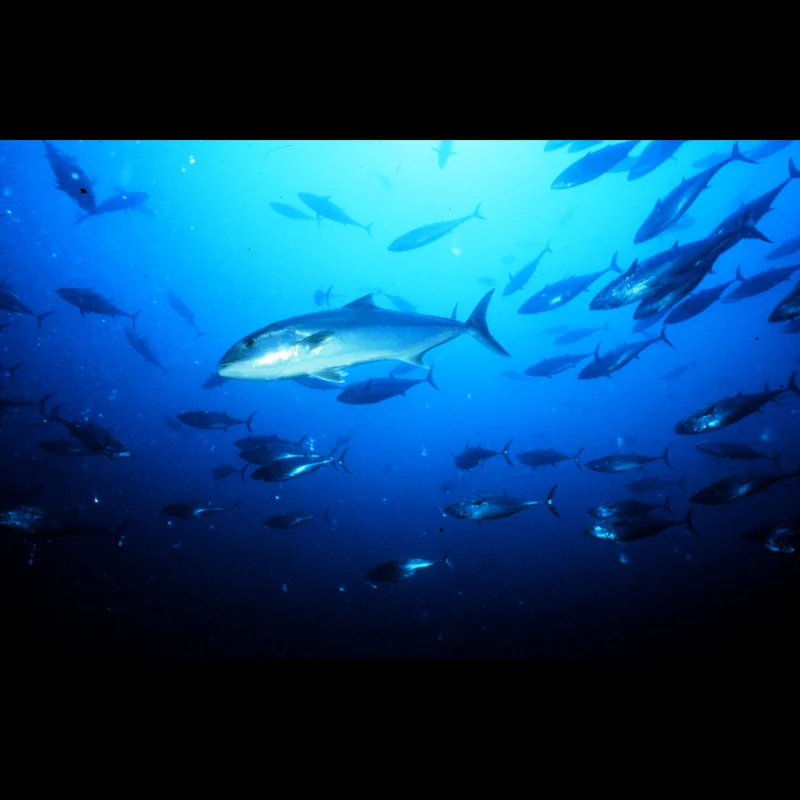
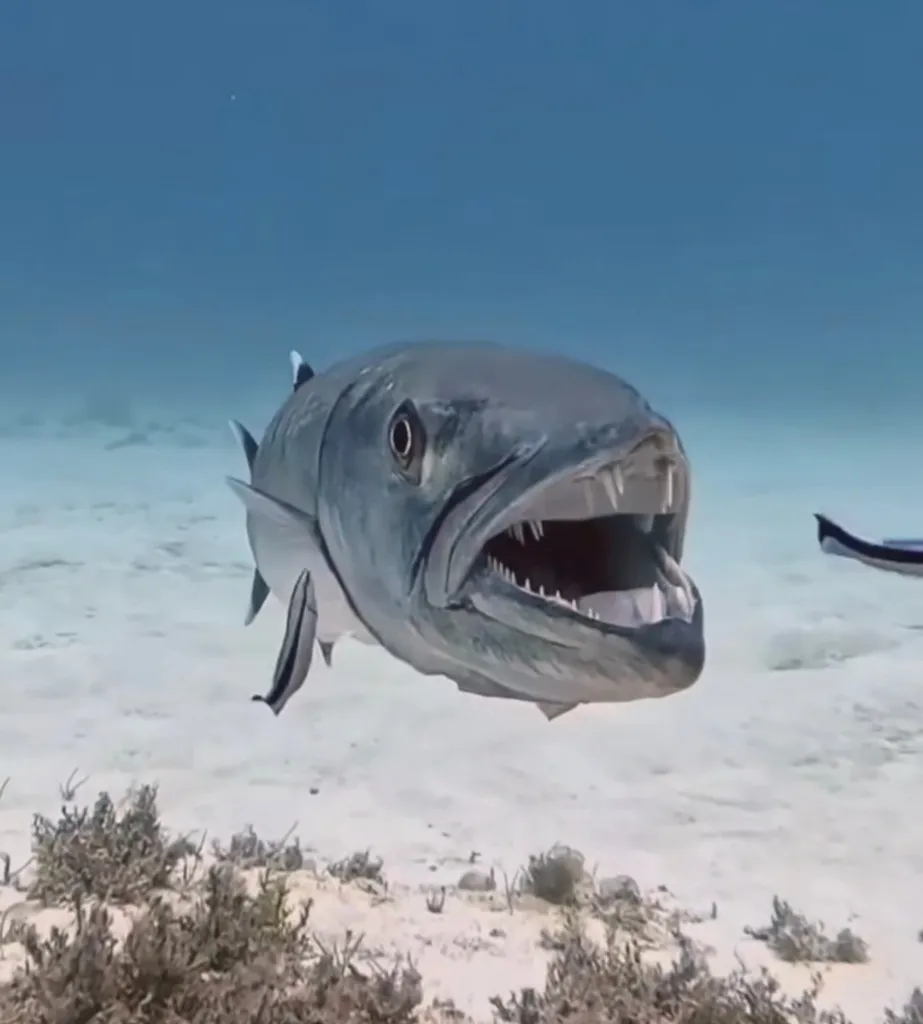
The underwater landscape around artificial reefs in this region thrives with diverse marine life, transforming inert structures into vibrant ecosystems. Wrecks become havens, attracting schools of tropical fish that dart through skeletal frames and massive Goliath grouper that often patrol the larger sections.
New sponge growth frequently colonizes surfaces, alongside various hard and soft corals. Divers commonly observe amberjack and barracuda schooling above the structures, while smaller invertebrates find refuge within crevices.
The intricate forms of the sunken vessels themselves, from broad barges to complex tugboats and freighter hulls, provide varied habitats, fostering distinct communities of marine inhabitants within different sections of the wreck.

Dive Sites Near Firing Range Wreck
View all dive sites in United StatesDiscover more underwater gems in this area.
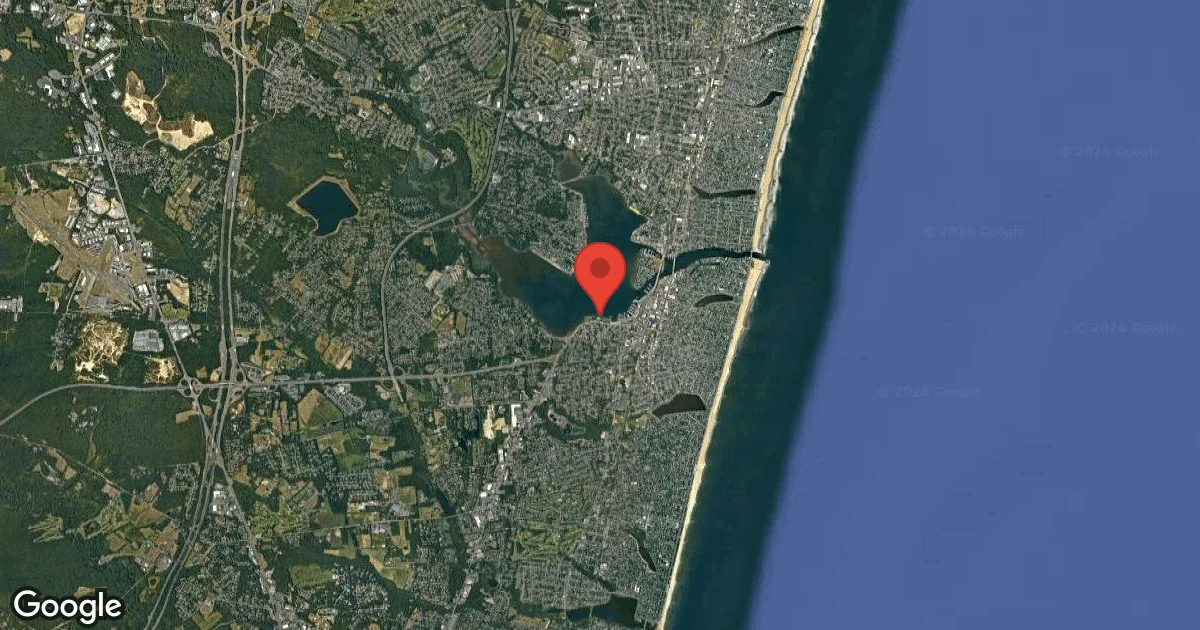
Dive Centers Near Firing Range Wreck
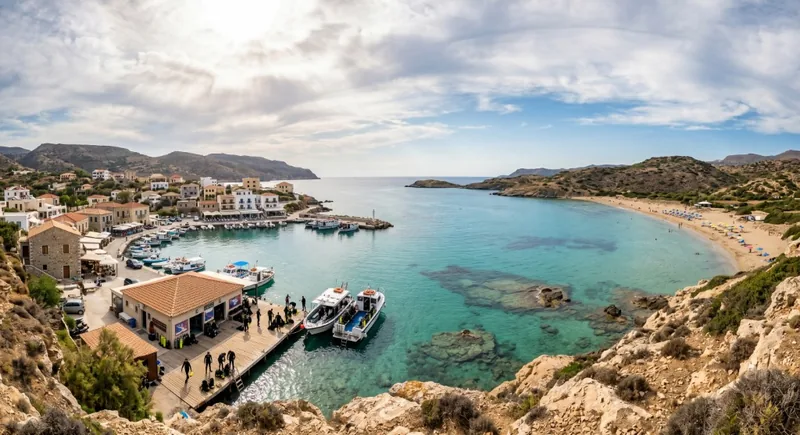
Today: 08:00 - 18:00
Nearest Airports
Nearest airports to help plan travel to this dive area.
Search Flights
Check available flights and routes on Expedia, using the nearby airports listed in this section.
Search Flights on Expedia
Plan Your Stay
Looking for a place to stay for your dive trip? Explore hotels, stays, and vacation rentals for dive groups near Sea Girt.
Dive Navigator may earn a commission from these links at no extra cost to you.
Frequently Asked Questions
What is the typical depth for wreck diving in this region?
Wreck sites in this area commonly range from 15 m (50 ft) to around 26 m (85 ft), making many accessible to recreational divers. Some deeper technical wreck sites also exist, but the average recreational depth range is within these limits.
Are currents a factor when diving Florida wrecks?
Yes, currents can be a significant factor. Many dive operators plan drift dives, allowing divers to cover multiple wreck sections or sites as they are carried by the current. Good buoyancy control is essential.
What kind of marine life can be seen on these artificial reefs?
Artificial reefs in the region attract a wide variety of marine life, including large Goliath grouper, schools of tropical fish, amberjack, barracuda, and various types of sponges and corals growing on the wreck structures.
Is special navigation required on these sites?
While specific navigation needs vary by site, many wrecks or wreck treks in Florida utilize navigational aids like rebar stakes in the sand between structures to guide divers. A dive compass and good navigational skills are always beneficial.
What is the best time of year to visit Florida wreck sites?
The period from May to November typically offers the best conditions for wreck diving, with warmer air temperatures and generally calmer seas, resulting in "Good" dive scores.
Is water temperature data available for this area?
Consistent water temperature data for this specific location is not frequently reported. However, regional trends indicate warmer ocean temperatures during the summer and early fall months.
Planning to dive Firing Range Wreck?
Send one inquiry and receive offers directly from the best verified local dive operators.
Conditions are Good
Optimal conditions expected
Current conditions near Firing Range Wreck show 22° air, 23° sea temperature, 1.0 m waves, and 33 km/h wind. Forecast data is refreshed regularly to ensure accuracy.