
Diving atFishing Boat (United States)
Navigating the waters surrounding any fishing boat site often presents distinct challenges. Divers might encounter varied conditions, from strong currents to reduced visibility, particularly in areas with active marine traffic or unsettled sediment. Wreck sites, whether purpose-sunk vessels or older structures, introduce an overhead environment that requires specialized training and careful planning to avoid entanglement or disorientation.
Tonight's objective overview for Fishing Boat shows an air temperature of 11.6°C. The measured surface conditions include wave heights around 0.5m. This environmental data is logged for the close of the day.
Dive Site Coordinates
38.9332, -74.9690
Dive Site Overview
Diving around submerged structures across the United States offers a diverse array of experiences, attracting a wide spectrum of marine life. A notable development includes the SS United States, a legendary vessel slated to become an artificial reef off the Florida panhandle, transforming into an exciting underwater destination for both divers and marine ecosystems.
These artificial structures, alongside natural formations, create a focal point for exploration, from the abundant kelp forests of Monterey Bay, California, to the rugged, dramatic rockscapes encountered near Niihau, Hawaii. Each region brings its own character; some dives showcase immense visibility exceeding 30 m (100 ft), while others present nutrient-rich waters that concentrate diverse species. Exploring these sites typically falls within recreational dive limits, though specific wreck penetrations or deeper structures, such as the California oil rigs, may require advanced certifications.
The overall experience is shaped by the interplay of varied topography and the particular concentration of animals attracted to these underwater habitats.
Best Time to Dive
Optimal diving conditions vary significantly across the expansive US coastlines, influenced by regional climate patterns. Looking at general trends, the period from June through August tends to offer the most favorable surface conditions, with average air temperatures ranging between 20-24°C (68-75°F). During these summer months, wave heights are typically lower, averaging 0.63-0.79 m (2-2.6 ft), contributing to calmer boat rides and easier entries. Rainfall is also comparatively low, further enhancing the appeal of summer diving. Water temperatures are not consistently reported for all locations and can fluctuate greatly, requiring divers to consult local forecasts. Conversely, the colder months, particularly January through March, see air temperatures drop to 2-7°C (36-45°F) with higher average wave heights, making surface conditions less comfortable and demanding more robust exposure protection.
Climate Historical Averages
Monthly records compiled from satellite and marine observation nodes over the last 3 years. Data provided by Open-Meteo and MET Norway.
Dive Experience & Conditions
Descending into US waters brings a sensory experience that shifts dramatically by location. Imagine dropping into the nutrient-rich waters of Puget Sound, Washington, where abundant marine life thrives in a dynamic environment, or gliding through the impressive visibility often found in Hawaiian locations like Kona and Niihau, which can reach over 30 m (100 ft). The underwater topography ranges from extensive kelp forests in Monterey Bay, California, to the dramatic, rugged rock formations that characterize more remote Pacific sites. Currents are a constant variable; they can be mild or strong, influencing visibility and the overall dive profile. While 'warmer Southern California water' is sometimes noted, actual water temperatures are not consistently reported and will vary significantly based on region and season, meaning divers should prepare for a broad spectrum of thermal conditions.
Dive Difficulty & Safety Guidelines
Expert dive planning for locations around fishing boats or similar structures in the US should always prioritize checking local conditions, including tides, currents, and weather forecasts. Acquiring appropriate training is crucial; for instance, exploring deeper artificial reefs or the pelagic environment around California's oil rigs demands advanced certifications due to their depth and exposure. Always carry essential safety gear such as signaling devices and cutting tools. Maintain awareness of your surroundings to prevent entanglement with potential fishing lines or discarded debris, common near structures frequented by vessels. Practicing responsible diving also means respecting marine life by observing without disturbing and adhering to all local conservation guidelines to preserve these diverse underwater habitats.
Recommended Equipment
No verified equipment items yet.
Verified equipment recommendations for this dive site are being reviewed and may be added as additional source checks are completed.
Recommended Dive Suit
Forecast trends indicate similar diving conditions over the next few days.
Many experienced divers would consider 7mm wetsuit or semidry an appropriate choice here. Consider warmer surface protection (like a boat coat) due to brisk winds. Strong cold advisory: dress warmly immediately after exiting the water.
Recent environmental data from Fishing Boat indicates water temperatures near 14°C (57°F). Surface air temperatures are resting at 12°C (53°F).
Conditions last reviewed: 18:00 using the latest environmental data.
Dive Logistics & Preparation
Hyperbaric Chamber
Check local United States medical facilities.
Entry Requirements
View United States Visa Hub
Currency
USD
Nearest Airports
Nearest airports to help plan travel to this dive area.
Marine Life at Fishing Boat
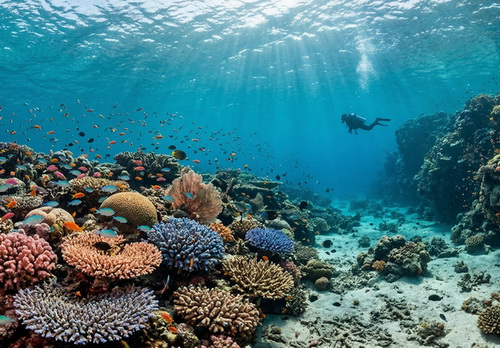
Diving here, you'll immediately notice the sheer diversity of marine life attracted to these submerged structures. Around artificial reefs and natural habitats, encounters might include the impressive Giant Black Sea Bass often found near Catalina Island, or perhaps sightings of monk seals, Onos, and even sharks, as reported in the clearer waters off Niihau. In the bustling kelp forests of Monterey Bay, divers commonly observe sea lions and sea otters interacting with their environment. Pelagic species like manta rays, whale sharks, and tiger sharks are possible around certain Hawaiian locations, reflecting the richness of these ecosystems. Nutrient-rich areas, such as Puget Sound, support abundant and concentrated marine populations, providing vibrant underwater scenes.
Dive Centers Near Fishing Boat
No Dive Centers Local To Fishing Boat
Are you a dive center visiting this location? Get listed to reach divers.
Frequently Asked Questions
What kind of dive site is a 'Fishing Boat'?
A 'Fishing Boat' refers to diving around submerged vessels or structures that historically attracted fishing activity, or even purpose-sunk artificial reefs like the upcoming SS United States. These sites offer diverse exploration, ranging from natural rock formations to shipwrecks.
What are the typical depths for such dives?
Depths at these sites vary significantly by location and specific structure. Most recreational dives will stay within 30 m (100 ft), but certain deep wrecks or features like the California oil rigs can extend much deeper, requiring advanced training.
What exposure protection is usually recommended?
Due to widely varying water temperatures across US diving regions, exposure protection depends on the specific site and season. In colder northern waters or during winter, a dry suit or thick wetsuit (7mm+) is often necessary, while warmer southern regions might allow for thinner wetsuits.
Is diving at a 'Fishing Boat' site suitable for beginners?
Suitability for beginners depends entirely on the specific site's conditions. Some shallower, calmer locations might be suitable, but sites with strong currents, deeper wrecks, or overhead environments typically require advanced certifications and experience.
What marine life can I expect to see?
Marine life is incredibly diverse, attracted to the structure and food sources. You might encounter large animals like Giant Black Sea Bass, monk seals, sharks, manta rays, or even whale sharks, depending on the region. Abundant smaller fish, invertebrates, and kelp forest inhabitants are also common.
How clear is the water typically?
Water clarity varies widely. Locations like Kona and Niihau in Hawaii can offer exceptional visibility, sometimes exceeding 30 m (100 ft). Other areas, particularly those with strong currents, high plankton levels, or near river outflows, may experience more moderate or reduced visibility.
Are strong currents a common factor?
Currents can be a significant factor at many US dive sites, varying by location, tides, and weather conditions. Divers should always check local reports and be prepared for potential currents, as they can affect dive planning and safety, especially around submerged structures.
Liveaboards Sailing to Fishing Boat
Explore highly rated liveaboards visiting this dive site and discover the best routes in United States.
Resorts & Accommodation
Find partner hotels and dive resorts directly accessing the reef.
Around This Area
Explore top-rated restaurants, activities, and attractions near Fishing Boat reviewed by travelers.
Planning to dive Fishing Boat?
Send one inquiry and receive offers directly from the best verified local dive operators.