
Diving at Florida Wreck (United States)
Diving Florida's diverse wrecks presents opportunities for various skill levels, from recreational divers exploring shallower structures to technical enthusiasts navigating deeper, more complex environments. With a vast artificial reef program spanning numerous sites along the coast, divers can select experiences tailored to their training and comfort, ensuring a suitable adventure for almost any certified diver.
Evening condition tracking at Florida Wreck features an air temperature of 22.5°C. We have recorded wave heights measuring 0.8 m during this period. These figures outline the environmental parameters currently present.
Dive Site Location & Key Facts
Dive Site Overview
Florida's extensive artificial reef program has intentionally created a captivating underwater landscape, featuring over 4,422 planned reefs since the 1940s. This initiative has transformed various vessels into thriving ecosystems, particularly off the coasts of Destin and Palm Beach.
For instance, the Big Dawg, a 93-foot (28 m) steel Air Force training vessel, was purposefully sunk in May 2021 and now sits at a maximum depth of 32 m (105 ft), with its decks accessible around 18 m (60 ft). Another notable site near Destin is the Miss Louise, a push tugboat resting in approximately 18 m (60 ft) of water since 1997. Further south, the Palm Beach area features wrecks like The Danny, a 130-foot (40 m) tug in 26 m (85 ft) of water, and a cluster of freighters including the Shasha, St. Jacques, Gilbert Sea, and Thozina, all around 27 m (90 ft) deep. These sites range significantly in profile and depth, catering to a wide array of diving interests.
Conditions are Good
Optimal conditions expected
Current conditions near Florida Wreck show 22° air, 24° sea temperature, 1.0 m waves, and 34 km/h wind. Forecast data is refreshed regularly to ensure accuracy.
Best Time to Dive
Favorable diving conditions often align with Florida's warmer months, particularly from June through November, which generally register 'Good' dive scores. During this period, average air temperatures range from 10°C to 25°C (49.8°F to 77.2°F), offering comfortable surface intervals. Wind speeds typically remain manageable, averaging 20 to 24 km/h (12 to 15 mph), and wave heights are generally below 1.3 meters (4 feet). Rainfall tends to be lower in some of these months, contributing to clearer underwater conditions. Surface water temperatures can be quite high, but divers should anticipate significant thermoclines. These distinct temperature shifts, often encountered around 12 m (40 ft) and 18 m (60 ft), can cause bottom temperatures to drop into the low 20s °C (low 70s °F).
PEAK SEASON SCORE
Scores combine air & water temps, waves, wind & rainfall for overall conditions.
BEST MONTHS TO DIVE
Monthly records compiled from satellite and marine observation nodes over the last 3 years. Data provided by Open-Meteo and MET Norway.
Dive Experience & Conditions
Approaching Florida's wrecks typically involves boat entry to offshore sites, with conditions varying based on location and season. Divers can generally expect fairly clear water, with visibility reported around 15 m (50 ft) on many sites. The influence of the Gulf Stream, especially in Southeast Florida, often brings clear, warm water closer to shore. A defining characteristic of these dives is the presence of thermoclines, which are distinct temperature layers. These are commonly encountered around depths of 12 m (40 ft) and 18 m (60 ft), leading to cooler bottom temperatures, often in the low 20s °C (low 70s °F). Currents may also be present, particularly on deeper offshore wrecks, creating opportunities for drift diving but requiring attention to dive planning.
Dive Difficulty & Safety Guidelines
Responsible wreck diving in Florida mandates respecting individual certification limits and understanding the site's specific characteristics. Depths vary significantly across the state's artificial reefs; while sites like the Miss Louise are recreational at 18 m (60 ft), parts of the Big Dawg extend to 32 m (105 ft).
Moreover, the enormous USS Oriskany offers sections well beyond recreational limits, with its flight deck at 43 m (140 ft) and the sand at 64 m (210 ft). Penetration into overhead environments requires specialized training, appropriate equipment, and meticulous gas management.
Divers must plan their dives according to their experience level, ensure proper weighting, and carry essential safety gear such as surface marker buoys. Always be aware of local currents and ensure reliable surface support.
Recommended Equipment
- Dive Computer
This gear list is based on verified equipment signals for Florida Wreck, United States. Always confirm final gear choices with your dive operator, guide, or liveaboard.
Recommended Dive Suit
Divers planning relaxed exploration may appreciate the warmth of 3-5mm wetsuit. Surface intervals may feel cooler. Divers often notice that perceived temperature can feel cooler during deeper or longer dives.
At the moment, divers exploring Florida Wreck will likely experience water temperatures near 24°C (75°F). Surface air temperatures are resting at 22°C (72°F).
Conditions are expected to stay fairly consistent in the days ahead.
Emergency & Medical Support
Essential information to help you plan your dive trip to Florida Wreck.

Hyperbaric chambers are a critical part of dive safety infrastructure. Availability varies significantly by region, and not all dive areas have immediate access.
Before diving, it's recommended to:
- confirm nearest medical facilities
- check emergency procedures with local dive operators
- ensure dive insurance covers evacuation if required
Divers Alert Network
Diving emergency assistance available through DAN World.
+1-919-684-9111- 24/7 emergency hotline
- Diving medical assistance
- Evacuation coordination
Emergency contacts are provided for reference. Always verify local emergency services before diving.
Marine Life at Florida Wreck
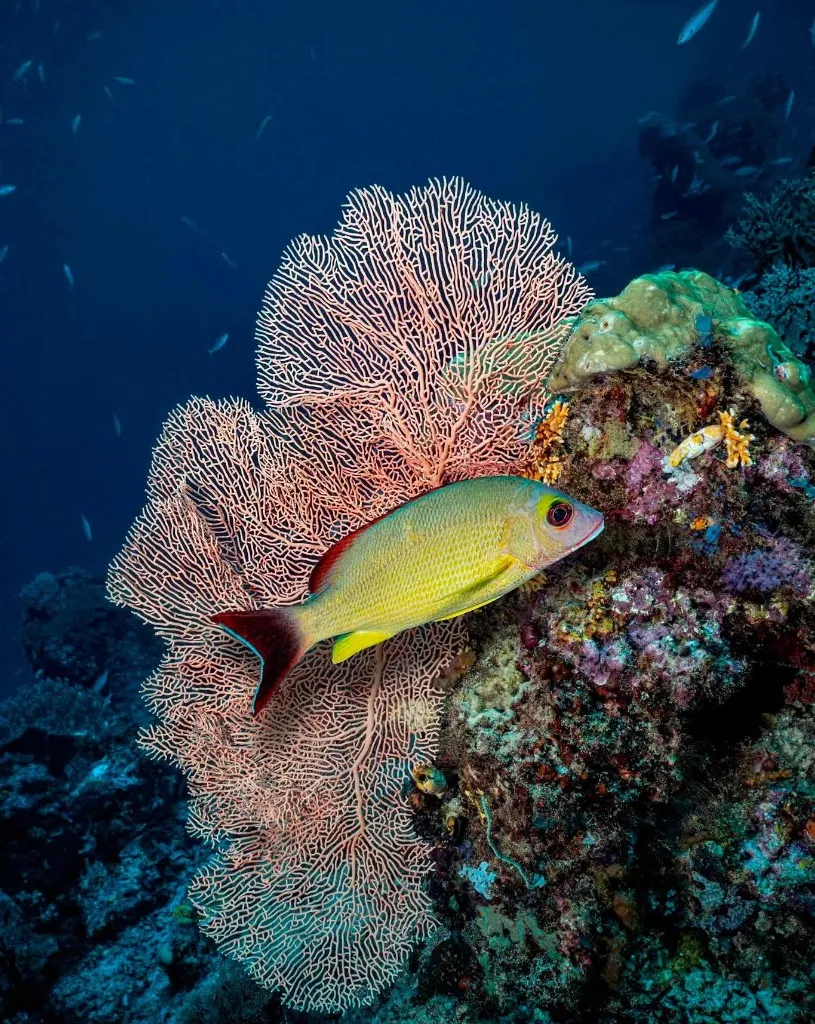
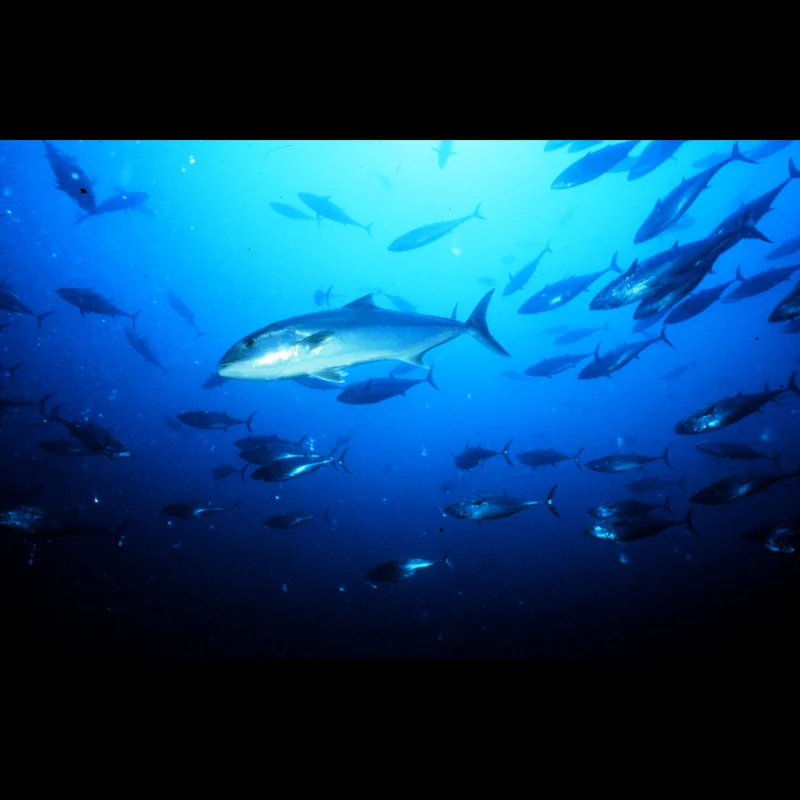
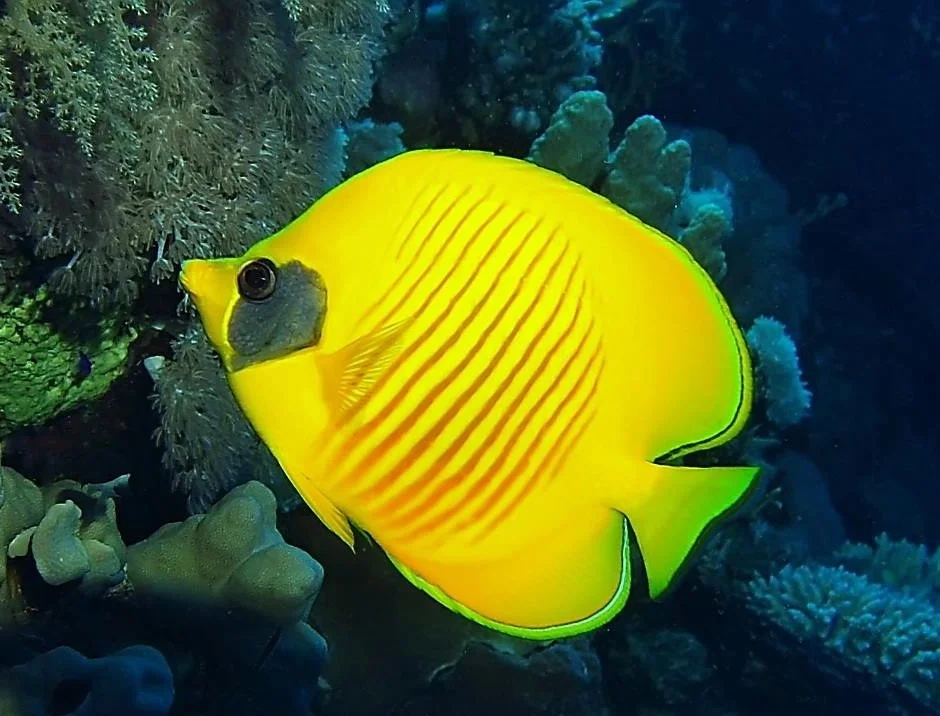
The initial impression when exploring Florida's wrecks often involves the visible structures quickly becoming canvases for marine growth and residences for larger fish. Wreck sites consistently attract species like amberjack, schools of snapper, and occasional butterflyfish.
Goliath groupers are commonly encountered, frequently observed near the stern sections of vessels such as the Big Dawg. Additionally, various hard corals, including vibrant orange and yellow cup corals, adorn the wreckage, delicately framing openings like windows, doorways, and hatches, adding significant color and biological diversity to these artificial reefs.

Dive Centers Near Florida Wreck
Nearest Airports
Nearest airports to help plan travel to this dive area.
Search Flights
Check available flights and routes on Expedia, using the nearby airports listed in this section.
Search Flights on Expedia
Plan Your Stay
Looking for a place to stay for your dive trip? Explore hotels, stays, and vacation rentals for dive groups near Ventnor City.
Dive Navigator may earn a commission from these links at no extra cost to you.
Frequently Asked Questions
What types of wrecks can be found in Florida?
Florida's artificial reef program has intentionally sunk a wide variety of vessels. You'll find tugboats, coastal freighters, former military training vessels, and even an aircraft carrier, the USS Oriskany, creating diverse underwater structures for exploration.
What are the typical dive depths for Florida wrecks?
Depths vary significantly, catering to all certification levels. Shallower wrecks like the Miss Louise are around 18 m (60 ft), while others, such as the Big Dawg, sit at 32 m (105 ft). Deeper sections of massive wrecks, like the USS Oriskany, can extend to 64 m (210 ft) or more.
What is the usual visibility at these sites?
Visibility at Florida's wreck sites is generally good, often reported around 15 m (50 ft). Conditions can vary based on weather and local currents, with the Gulf Stream often contributing to clearer water, especially in Southeast Florida.
Are there noticeable temperature changes during a dive?
Yes, thermoclines are a common feature. While surface waters can be warm, temperatures can drop significantly at depths, often around 12 m (40 ft) and 18 m (60 ft). Bottom temperatures typically hover in the low 20s °C (low 70s °F).
What marine life is commonly seen on Florida wrecks?
The wrecks are vibrant habitats, attracting amberjack, schools of snapper, and butterflyfish. Divers frequently spot Goliath groupers, often lurking near the deeper sections. Orange and yellow cup corals also add color and life to the structures.
Is wreck penetration possible?
Yes, some wrecks, like the Big Dawg, offer accessible interior spaces such as going between decks via stairways. However, any form of wreck penetration into overhead environments requires specialized training, appropriate equipment, and adherence to strict safety protocols.
When is the best season for wreck diving in Florida?
The best time to dive is generally from June through November. These months typically offer 'Good' dive scores due to warmer air temperatures, lower wave heights, and reduced rainfall, contributing to more favorable overall conditions.
Planning to dive Florida Wreck?
Send one inquiry and receive offers directly from the best verified local dive operators.
Conditions are Good
Optimal conditions expected
Current conditions near Florida Wreck show 22° air, 24° sea temperature, 1.0 m waves, and 34 km/h wind. Forecast data is refreshed regularly to ensure accuracy.