
Diving at Fred Morrow Reef (United States)
Fred Morrow Reef provides a distinct dive experience, forming one of three artificial reef sites known as "The Triad" off Northeast Florida. This structure significantly contributes to local marine habitat, presenting an accessible target within recreational diving limits. About 12 miles (19 km) from Ponte Vedra's shore, it offers a focused ecological interest for divers.
Evening condition tracking at Fred Morrow Reef features an air temperature of 28°C. We have recorded wave heights measuring 1.1 m during this period. These figures outline the environmental parameters currently present.
Dive Site Location & Key Facts
Dive Site Overview
Constructed in 2013, Fred Morrow Reef provides a significant man-made habitat off Jacksonville's coast. Divers here encounter an extensive site, home to over 800 tons of strategically placed concrete culverts and pilings.
This deliberate construction has created a diverse underwater topography, forming numerous nooks and crannies essential for resident species. Functionally, the reef completes "The Triad," joining two older artificial reefs to form a notable ecological cluster. It lies approximately 20 nautical miles (37 km) southeast of the St. Johns River jetties, a considerable distance offshore.
At a maximum depth of 22 m (73 ft), the site remains easily accessible for most recreational divers. Its structure notably enhances local biodiversity, actively attracting a variety of marine organisms and offering opportunities for fishing.
Navigating the various concrete elements reveals different facets of a developing ecosystem, from the initial colonizing encrusting life to transient pelagic visitors. Divers can explore the varied channels and ledges formed by the culverts, finding potential shelter from currents in certain areas. This artificial landscape serves as a compelling example of successful marine habitat restoration.
Conditions are Excellent
07:00 - 14:00
Optimal conditions expected
Current conditions near Fred Morrow Reef show 28° air, 29° sea temperature, 0.8 m waves, and 21 km/h wind. Forecast data is refreshed regularly to ensure accuracy.
Best Time to Dive
Planning a dive at Fred Morrow Reef is generally most comfortable from May through August, extending into November. These months typically offer "Good" dive scores due to more favorable surface conditions. During summer, average air temperatures range from 24°C (75°F) in May to a high of 27.5°C (82°F) in August. Wave heights are often lower in summer, particularly in July, averaging around 0.7 m (2.3 ft), which can lead to calmer boat rides and better visibility. While rain levels peak slightly in August and September, individual days can still offer excellent diving. November also presents "Good" conditions, with average air temperatures around 20°C (68°F) and lower rain incidence.
PEAK SEASON SCORE
Scores combine air & water temps, waves, wind & rainfall for overall conditions.
BEST MONTHS TO DIVE
Monthly records compiled from satellite and marine observation nodes over the last 3 years. Data provided by Open-Meteo and MET Norway.
Dive Experience & Conditions
Descending onto Fred Morrow Reef, divers encounter a landscape shaped by deliberately placed concrete culverts and pilings. Maximum depth here typically reaches 22 m (73 ft), ensuring it remains within standard recreational limits. The water temperature isn't consistently reported, but seasonal variations are expected to mirror regional patterns. Visibility varies depending on oceanic conditions and recent weather, influenced by river outflow from the nearby St. Johns River. Expect currents to be present, varying in strength with tidal shifts and offshore weather. Navigating the artificial structures provides shelter and points of interest.
Dive Difficulty & Safety Guidelines
To safely explore Fred Morrow Reef, divers should hold at least an Open Water certification, with advanced training beneficial for navigating potential currents and deeper sections. As an artificial reef, sharp edges or unstable elements could be present, though the site is within recreational limits. Always maintain proper buoyancy control to avoid contact with the structures and minimize sediment disturbance.
Given the varying conditions, a surface marker buoy (SMB) is recommended for all dives, especially due to potential boat traffic. Diving with a reliable buddy and conducting thorough pre-dive checks are essential; no specific hazards are reported, but general ocean diving precautions apply.
Recommended Equipment
- Dive Computer
This gear list is based on verified equipment signals for Fred Morrow Reef, United States. Always confirm final gear choices with your dive operator, guide, or liveaboard.
Recommended Dive Suit
In conditions like these, many divers prefer diving with 2-3mm shorty or light wetsuit. Consider warmer surface protection (like a boat coat) due to brisk winds.
Divers planning a dive at Fred Morrow Reef today will likely encounter water temperatures close to 29°C (83°F). Surface air temperatures are resting at 28°C (82°F).
Forecast models indicate that diving conditions should remain largely unchanged.
Emergency & Medical Support
Essential information to help you plan your dive trip to Fred Morrow Reef.

Hyperbaric chambers are a critical part of dive safety infrastructure. Availability varies significantly by region, and not all dive areas have immediate access.
Before diving, it's recommended to:
- confirm nearest medical facilities
- check emergency procedures with local dive operators
- ensure dive insurance covers evacuation if required
Divers Alert Network
Diving emergency assistance available through DAN World.
+1-919-684-9111- 24/7 emergency hotline
- Diving medical assistance
- Evacuation coordination
Emergency contacts are provided for reference. Always verify local emergency services before diving.
Marine Life at Fred Morrow Reef
Approaching the concrete culverts and pilings, divers often first notice how marine life has colonized these artificial structures. These elements quickly become encrusted, providing ample nooks and crannies for smaller fish and invertebrates.
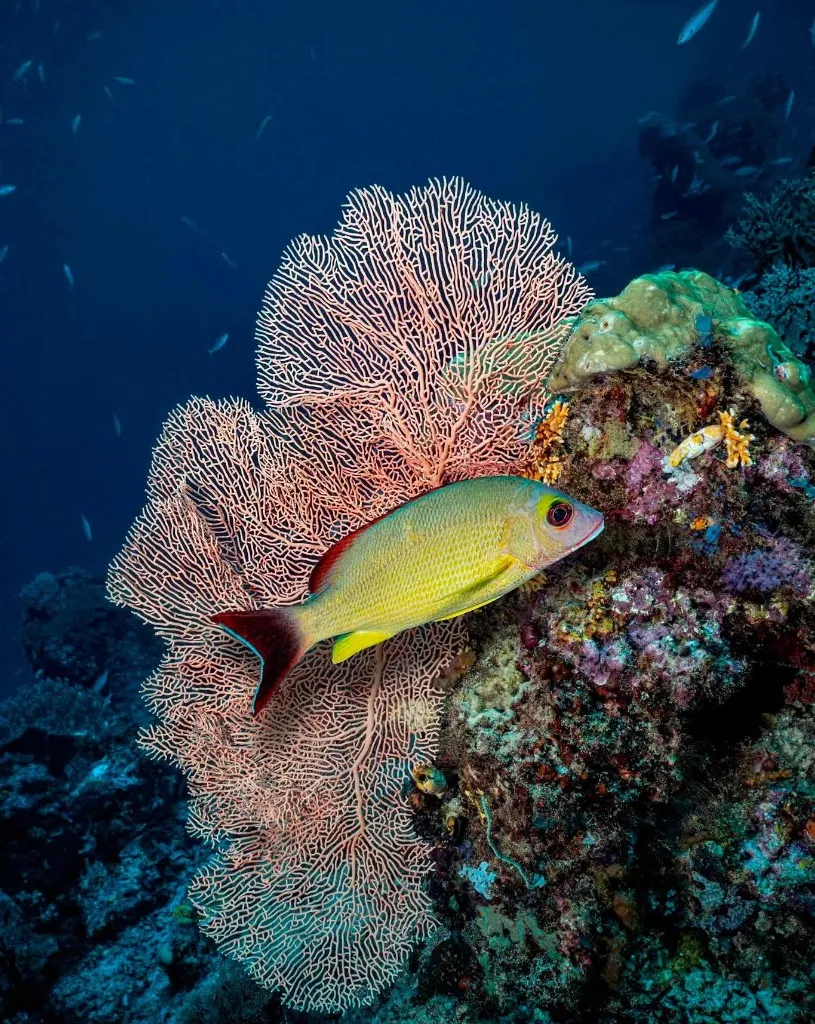
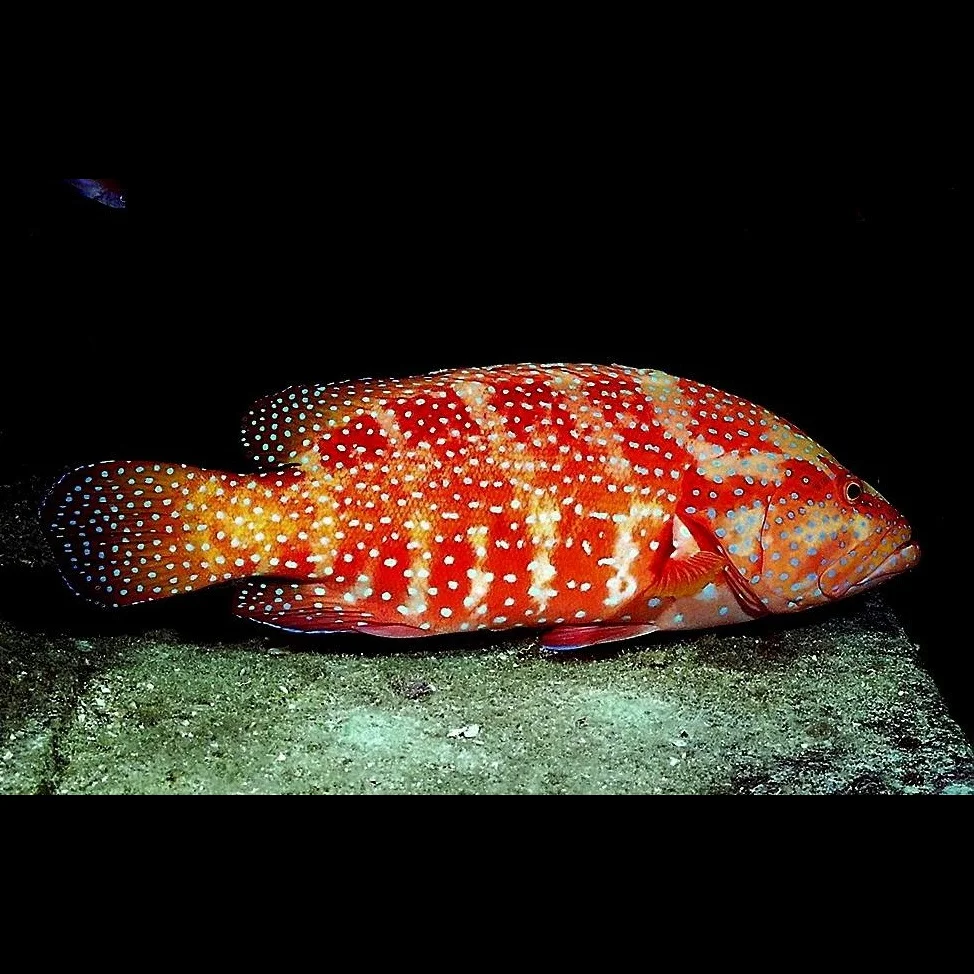
While specific species aren't consistently reported, artificial reefs like Fred Morrow typically attract various reef fish, potentially including grouper and snapper. Keep an eye out for crustaceans tucked into crevices.
The structure provides an important habitat, drawing in species that might otherwise not be found in the sandy surrounding areas.
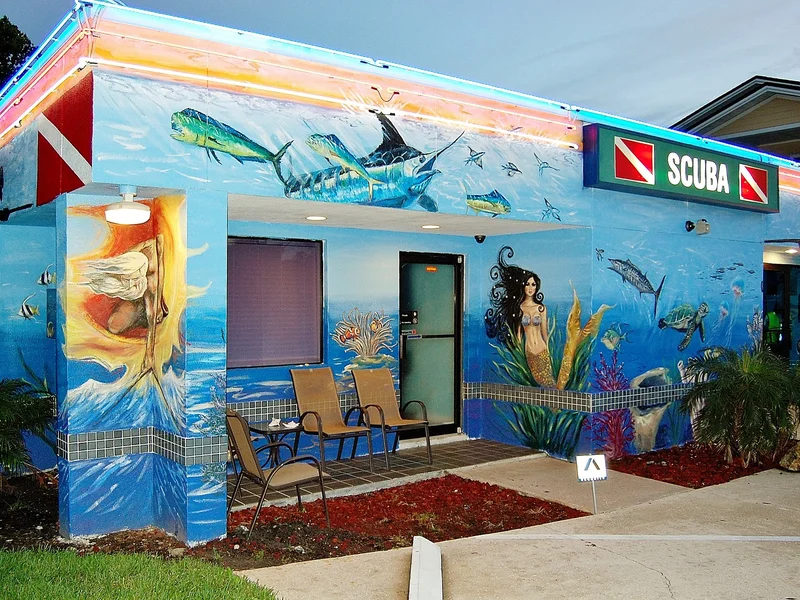
Dive Centers Near Fred Morrow Reef
Today: 10:00 - 18:30
Nearest Airports
Nearest airports to help plan travel to this dive area.
Search Flights
Check available flights and routes on Expedia, using the nearby airports listed in this section.
Search Flights on ExpediaFrequently Asked Questions
What is Fred Morrow Reef?
Fred Morrow Reef is an artificial reef constructed in 2013 using concrete culverts and pilings. It was created to enhance marine habitat and provide a dive site within recreational limits off Northeast Florida.
Where is Fred Morrow Reef located?
The reef is located approximately 20 nautical miles (37 km) southeast of Jacksonville's jetties and about 12 miles (19 km) from the shore of Ponte Vedra, Florida, United States. Its GPS coordinates are 30° 10.361' 81° 09.429'.
What is the maximum depth at Fred Morrow Reef?
Fred Morrow Reef reaches a maximum depth of 22 m (73 ft). This range ensures the site remains well within recreational diving limits.
What kind of structure makes up the reef?
The reef is primarily composed of approximately 800 tons of recycled concrete culverts and pilings. These materials were strategically placed to create diverse structures for marine life.
Are there currents at the dive site?
Currents can be present at Fred Morrow Reef and their strength can vary. They are influenced by tidal shifts and offshore weather conditions.
What is "The Triad" in relation to Fred Morrow Reef?
Fred Morrow Reef is the third artificial reef in its immediate area, forming a group known as "The Triad." It joins two other reefs placed in 2009 and 2011, creating a triangle of artificial habitats.
Is Fred Morrow Reef suitable for beginner divers?
While within recreational limits, conditions can vary. An Open Water certification is sufficient, but divers should be comfortable with potential currents. Advanced training is always beneficial for navigating marine environments.
Planning to dive Fred Morrow Reef?
Send one inquiry and receive offers directly from the best verified local dive operators.
Conditions are Excellent
07:00 - 14:00
Optimal conditions expected
Current conditions near Fred Morrow Reef show 28° air, 29° sea temperature, 0.8 m waves, and 21 km/h wind. Forecast data is refreshed regularly to ensure accuracy.