
Diving at Gary Service Reef, M-1 (United States)
Off the coast of Georgia, Gray's Reef National Marine Sanctuary experiences conditions that shift seasonally. While water temperature data isn't consistently reported, air temperatures range from approximately 16°C (61°F) in January to 29°C (84°F) in August, influencing overall comfort. Divers typically encounter depths up to 20 m (65 ft) within this vibrant marine park, which is accessible throughout the year.
As evening covers Gary Service Reef, M-1, the local air temperature is measured at 29°C. The current wave height at the surface is recorded at 0.4 m. These late-day readings characterize the surface conditions for the night.
Dive Site Location & Key Facts
Dive Site Overview
Gray's Reef National Marine Sanctuary protects a unique live-bottom habitat, representing a crucial underwater ecosystem off coastal Georgia. This sanctuary provides recreational diving and fishing opportunities, showcasing an intricate landscape of submerged rock ledges, expansive plateaus, and numerous undercuts.
Such structural complexity forms a significant hard bottom terrain that supports a diverse community of marine life. Advanced divers are particularly drawn to its depths, where they navigate these formations and explore the various nooks and crannies, often encountering vast sponge fields. A designated Research Area within the sanctuary features a strictly enforced 'no-take' zone, underlining its vital role as a scientific catalyst for studying critical oceanographic aspects like water quality and climate change impacts.
This area offers an immersive dive experience, revealing a complex environment down to 20 m (65 ft), essential for regional biodiversity and a dynamic home for bustling fish schools.
Conditions are Good
Optimal conditions expected
Current conditions near Gary Service Reef, M-1 show 29° air, 31° sea temperature, 0.3 m waves, and 20 km/h wind. Forecast data is refreshed regularly to ensure accuracy.
Best Time to Dive
Evaluating dive conditions at Gray's Reef relies heavily on understanding seasonal weather patterns. The sanctuary is accessible for diving year-round, though some months present more favorable conditions. July often stands out with an 'Excellent' dive score, reporting the calmest average wave heights at approximately 0.4 m (1.3 ft) and mild winds, while air temperatures average around 29°C (84°F). Conversely, months like January and October show higher average wind speeds, potentially impacting surface conditions. Rainfall is generally moderate across most months, with August having the highest average at 9.35 mm, so planning around local forecasts during this period is advised to optimize your experience.
PEAK SEASON SCORE
Scores combine air & water temps, waves, wind & rainfall for overall conditions.
BEST MONTHS TO DIVE
Monthly records compiled from satellite and marine observation nodes over the last 3 years. Data provided by Open-Meteo and MET Norway.
Dive Experience & Conditions
Descending into Gray's Reef, divers are greeted by a dynamic underwater landscape characterized by extensive hard bottom formations. These features include numerous ledges, plateaus, and smaller undercuts that provide shelter and structure. Divers navigate through areas with nooks and crannies, discovering unique sponge fields and tabletop ledges with deep undercuts. While specific water visibility isn't always consistent, the descriptions of vivid colors and abundant life suggest generally good conditions, allowing for exploration of the reef's intricate details. Experienced divers comfortable with deeper recreational dives up to 20 m (65 ft) will find ample opportunities to explore the sanctuary's various geological characteristics.
Dive Difficulty & Safety Guidelines
Navigating Gray's Reef requires an advanced skill set, particularly when considering the potential depths and specific sanctuary rules. Divers must adhere to all state and federal regulations that govern activities within the marine sanctuary. A critical guideline involves respecting the designated Research Area, where both fishing and diving are strictly prohibited.
Always ensure your dive plan accounts for local currents and surface conditions. Following established wildlife-viewing guidelines also helps maintain the health of the sanctuary's diverse inhabitants.
Recommended Equipment
- Dive Computer
This gear list is based on verified equipment signals for Gary Service Reef, M-1, United States. Always confirm final gear choices with your dive operator, guide, or liveaboard.
Recommended Dive Suit
For relaxed exploration dives, dive skin or rash guard generally provides adequate warmth. A hood or vest is suggested for sensitive divers due to surface winds. Those diving at Gary Service Reef, M-1 today will likely encounter water temperatures in the region of 31°C (89°F). Surface air temperatures are resting at 29°C (84°F).
Surface temperatures may decrease slightly later in the week. Cooler days are ahead; you might want a warmer option for later in the week. Some divers bring an extra layer for surface intervals between dives.
A diver's personal tolerance to cold water can play a large role in suit selection.
Due to technical issues with our weather providers, data hasn't been fetched for over 48 hours. The data above reflects the conditions at the time of the last successful fetch.
Emergency & Medical Support
Essential information to help you plan your dive trip to Gary Service Reef, M-1.

Hyperbaric chambers are a critical part of dive safety infrastructure. Availability varies significantly by region, and not all dive areas have immediate access.
Before diving, it's recommended to:
- confirm nearest medical facilities
- check emergency procedures with local dive operators
- ensure dive insurance covers evacuation if required
Divers Alert Network
Diving emergency assistance available through DAN World.
+1-919-684-9111- 24/7 emergency hotline
- Diving medical assistance
- Evacuation coordination
Emergency contacts are provided for reference. Always verify local emergency services before diving.
Marine Life at Gary Service Reef, M-1
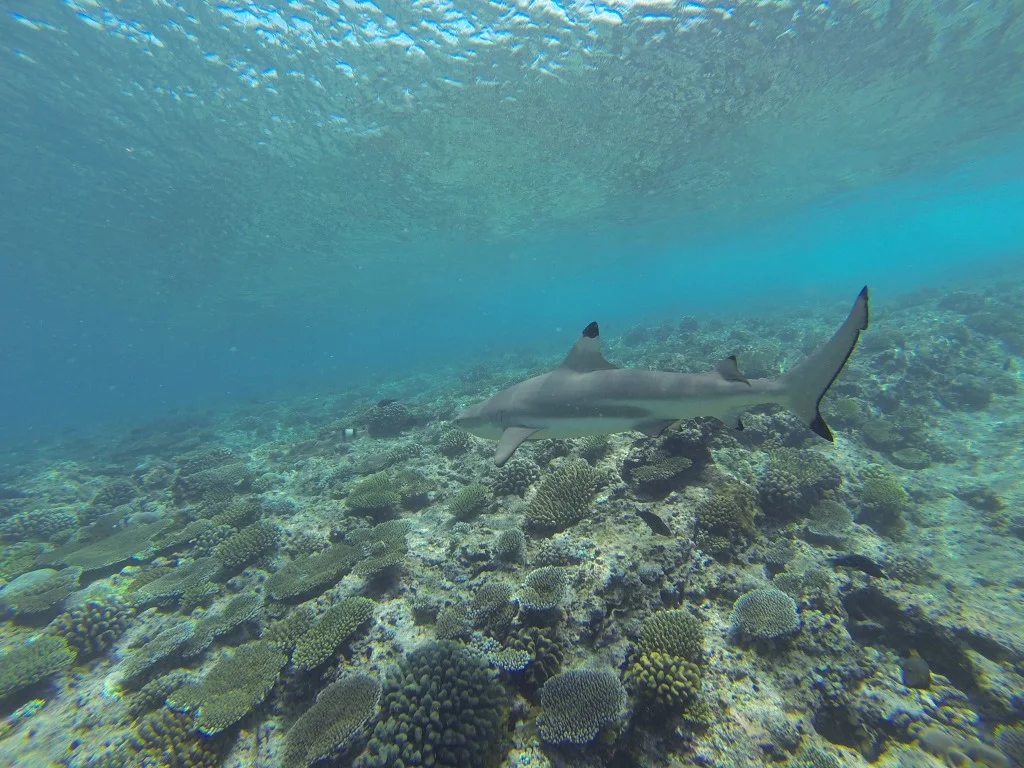
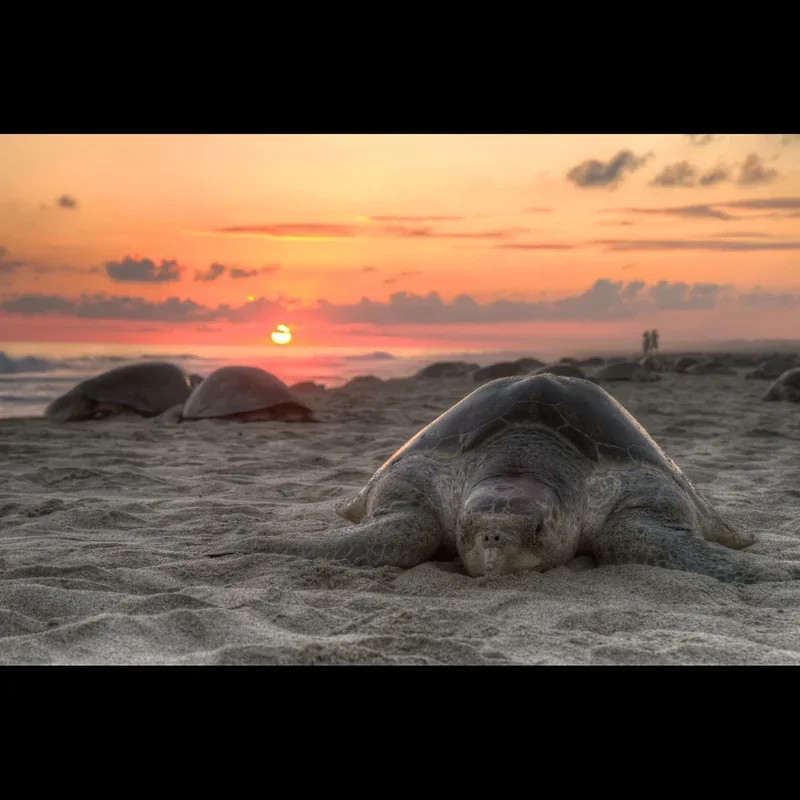
Within the intricate structure of Gray's Reef's hard bottom and ledges, a rich array of marine life thrives, forming a 'dense carpet of living creatures.' Divers frequently encounter vibrant soft corals and numerous sponge species, which add significant color to the underwater landscape. Whirling schools of fish are a common sight, contributing to the dynamic feel of the reef. The sanctuary is also a crucial habitat for various sea turtles, including loggerheads, alongside over 200 distinct fish and shark species and an impressive 900 invertebrate species.
Dive Sites Near Gary Service Reef, M-1
View all dive sites in United StatesDiscover more underwater gems in this area.
Dive Centers Near Gary Service Reef, M-1
Today: 09:00 - 18:00
Nearest Airports
Nearest airports to help plan travel to this dive area.
Search Flights
Check available flights and routes on Expedia, using the nearby airports listed in this section.
Search Flights on Expedia
Plan Your Stay
Looking for a place to stay for your dive trip? Explore hotels, stays, and vacation rentals for dive groups near Longboat Key.
Dive Navigator may earn a commission from these links at no extra cost to you.
Frequently Asked Questions
What skill level is required to dive Gray's Reef?
Gray's Reef National Marine Sanctuary is generally recommended for advanced scuba divers. The depths and open ocean conditions often necessitate a higher level of experience and comfort in challenging environments.
Are there any restricted areas for diving?
Yes, diving is strictly prohibited within the designated Research Area of Gray's Reef National Marine Sanctuary. This 'no-take' zone is crucial for scientific study and conservation efforts.
What kind of underwater topography can I expect?
The sanctuary features a prominent 'live bottom' habitat, characterized by extensive hard bottom, rock ledges, plateaus, and various undercuts. You'll find intricate nooks and crannies, sponge fields, and tabletop ledges.
What is the typical depth for diving?
Divers exploring Gray's Reef can expect to reach depths of up to 20 m (65 ft). This allows for comprehensive exploration of the reef's structures and marine inhabitants.
Is Gray's Reef a good spot for marine life viewing?
Absolutely. Gray's Reef is known for its diverse marine life, including sponges, soft corals, numerous fish species, sharks, and sea turtles like loggerheads. It's a vibrant ecosystem supporting hundreds of species.
Can I fish in Gray's Reef National Marine Sanctuary?
Fishing is permitted in certain areas of the sanctuary, but anglers must strictly abide by all state and federal regulations. However, fishing is explicitly prohibited within the Research Area.
When is the best time to visit for diving?
While opportunities exist year-round, July often presents the most favorable conditions with calmer waters and mild air temperatures. It's always best to check current marine forecasts before planning your trip.
Planning to dive Gary Service Reef, M-1?
Send one inquiry and receive offers directly from the best verified local dive operators.
Conditions are Good
Optimal conditions expected
Current conditions near Gary Service Reef, M-1 show 29° air, 31° sea temperature, 0.3 m waves, and 20 km/h wind. Forecast data is refreshed regularly to ensure accuracy.