
Diving at George Taulane (United States)
Divers considering the George Taulane site should possess solid intermediate to advanced skills. This location primarily appeals to those with a keen interest in maritime history and shipwreck exploration, rather than a focus on intact wreck structures. Conditions around the New Jersey coastline can frequently involve currents and reduced visibility, demanding experience in challenging environments. Proper planning and understanding of local conditions are crucial for a rewarding and safe dive here.
As evening covers George Taulane, the local air temperature is measured at 26°C. The current wave height at the surface is recorded at 0.7 m. These late-day readings characterize the surface conditions for the night.
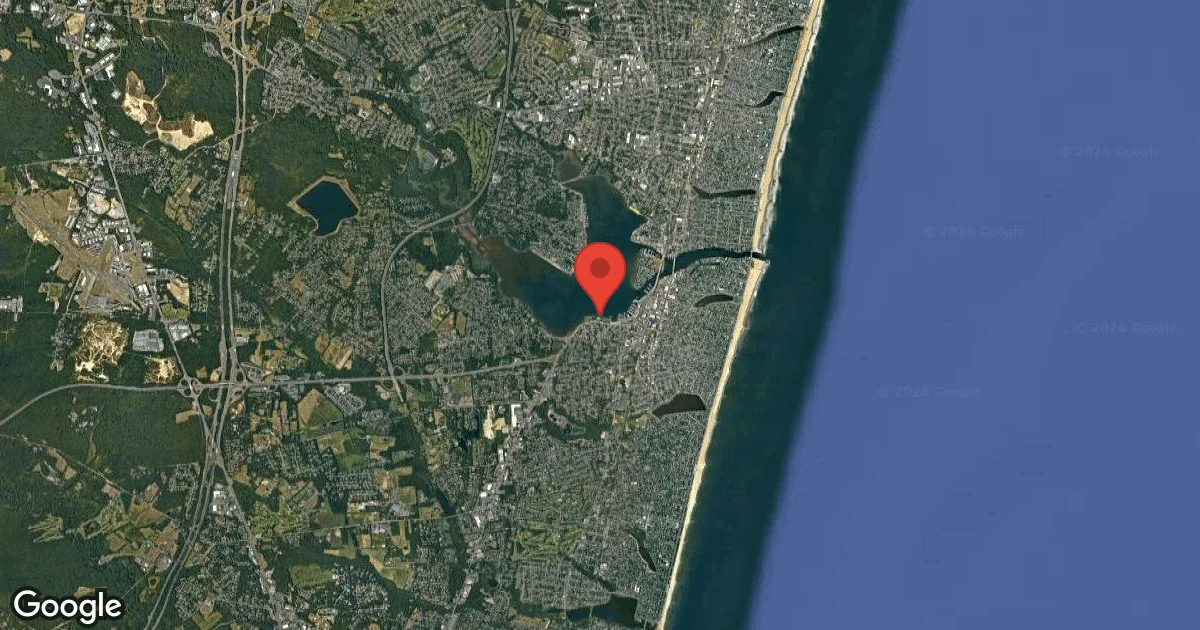
Dive Site Location & Key Facts
Dive Site Overview
An American-flagged schooner, the George Taulane, was lost on February 3, 1880, after a harrowing journey from Virginia to New York. Carrying a cargo of wood, the vessel encountered a severe nor'easter off the Highlands of Navesink, New Jersey, near the entrance to New York Harbor.
Its cargo shifted, and a fire broke out, despite the crew's efforts to jettison the burning materials. Following these events, a damaged schooner began an uncontrolled drift southward along the shore, initially running aground on a sandbar approximately 3.2 kilometers (2 miles) south of the Mantoloking Station. Two crewmembers tragically perished as heavy seas dislodged the Taulane from its initial grounding.
Lifesaving crews, led by William Chadwick of the Green Island Station, endured a grueling six-hour rescue operation. They battled waist-deep surf, soft sand, and debris from the disintegrating schooner to reach the remaining five survivors using a Lyle Gun and breeches buoy.
Ultimately, the schooner settled over 1.6 kilometers (1 mile) south of the Green Island Station. Today, remnants of the George Taulane are largely dispersed, serving as a historical marker more than a fully intact wreck site, requiring divers to appreciate the story behind the scattered debris.
Conditions are Good
Optimal conditions expected
Current conditions near George Taulane show 26° air, 23° sea temperature, 1.1 m waves, and 31 km/h wind. Forecast data is refreshed regularly to ensure accuracy.
Best Time to Dive
Planning your dive for the summer months generally offers the most favorable conditions for exploring George Taulane. June and July consistently show the highest dive scores, indicating better overall water conditions and warmer air temperatures, which average around 22°C (72°F) in June and 25.5°C (78°F) in July. While water temperatures are not consistently reported for this specific site, summer months typically provide the warmest aquatic environment in the region. Surface conditions tend to be calmer during this period, with average wave heights dropping to their lowest values, around 1.0 meters (3.3 feet) in June and 0.9 meters (3.0 feet) in July. Rainfall remains relatively low throughout the summer, averaging around 2.6-3.6 mm, minimizing surface runoff that can affect visibility. Early fall, particularly September and October, also offers good diving opportunities with favorable scores and generally manageable conditions before winter brings colder air and more dynamic seas.
PEAK SEASON SCORE
Scores combine air & water temps, waves, wind & rainfall for overall conditions.
BEST MONTHS TO DIVE
Monthly records compiled from satellite and marine observation nodes over the last 3 years. Data provided by Open-Meteo and MET Norway.
Dive Experience & Conditions
Experiencing the George Taulane site means preparing for conditions characteristic of coastal New Jersey waters. Surface conditions often reflect regional weather patterns, with average wave heights varying from approximately 0.9 meters (3.0 feet) in July to 1.4 meters (4.6 feet) in September. Divers can expect some variability in currents, particularly near sandbars or as a result of tidal flows, echoing the historical challenges faced during the schooner's grounding. Visibility is not consistently reported for this specific wreck, but it can fluctuate depending on recent weather, sediment, and biological factors common to temperate coastal environments. Water temperatures for the George Taulane site are not readily available in current datasets; divers should anticipate cooler water, especially outside of peak summer months. Air temperatures, however, span a broad range, from roughly 0°C (32°F) in January to 25.5°C (78°F) in July, indicating that surface comfort varies significantly with the season. This environment calls for adaptable diving practices.
Dive Difficulty & Safety Guidelines
Diving at the George Taulane site requires diligent attention to personal safety and adherence to established guidelines. Given the historical nature of the wreck and potential for scattered debris, divers should maintain situational awareness throughout their exploration. Conditions, particularly currents and surface waves, can be dynamic along the New Jersey coastline; closely monitor weather forecasts and sea state prior to and during your dive.
Entry and exit strategies should be carefully planned, especially if operating from smaller vessels or in areas with strong surf. As with any wreck, even dispersed ones, exercise caution regarding entanglement hazards from cables or structural fragments.
It's recommended that divers hold at least an Advanced Open Water certification, with specific experience in wreck diving and temperate water conditions. Always dive with a buddy, carry appropriate safety equipment, and ensure your dive plan accounts for varying depths and potential visibility changes.
Recommended Equipment
- Dive Computer
This gear list is based on verified equipment signals for George Taulane, United States. Always confirm final gear choices with your dive operator, guide, or liveaboard.
Recommended Dive Suit
Divers visiting George Taulane today can expect water conditions around 23°C (73°F). Surface air temperatures are resting at 26°C (79°F).
3-5mm wetsuit generally offers enough warmth for most dives under these conditions. A hood or vest is suggested for sensitive divers due to surface winds.
Surface temperatures may decrease slightly later in the week. A significant temperature drop is forecast; strongly suggest bringing a backup warmer suit option. Some divers prefer carrying a slightly thicker suit as a backup.
Emergency & Medical Support
Essential information to help you plan your dive trip to George Taulane.

Hyperbaric chambers are a critical part of dive safety infrastructure. Availability varies significantly by region, and not all dive areas have immediate access.
Before diving, it's recommended to:
- confirm nearest medical facilities
- check emergency procedures with local dive operators
- ensure dive insurance covers evacuation if required
Divers Alert Network
Diving emergency assistance available through DAN World.
+1-919-684-9111- 24/7 emergency hotline
- Diving medical assistance
- Evacuation coordination
Emergency contacts are provided for reference. Always verify local emergency services before diving.
Marine Life at George Taulane
While specific marine life data for the George Taulane site is not consistently documented, coastal shipwrecks in the region typically transform into artificial reefs. These structures can attract a variety of temperate marine species, offering habitat and shelter.
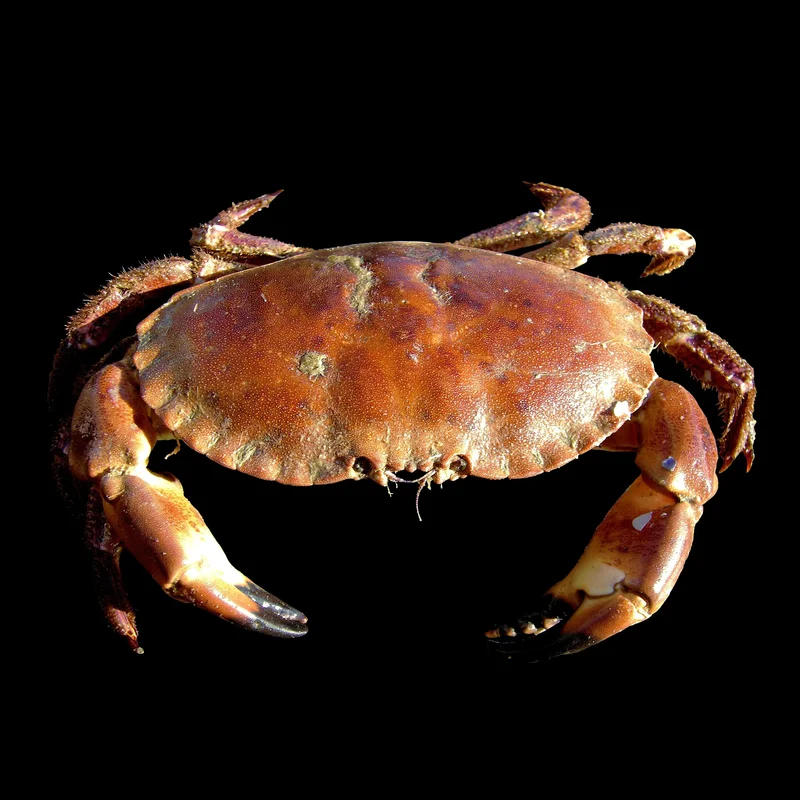
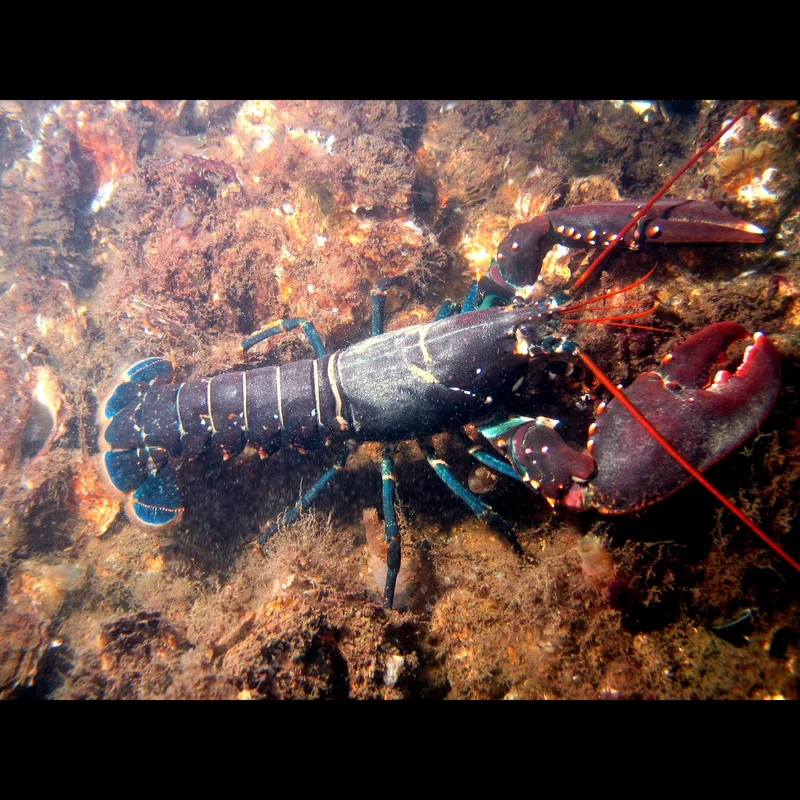
Divers may observe common Atlantic fish species, various invertebrates like crabs and lobsters, and perhaps some schooling fish utilizing the wreck remnants for cover. Opportunistic sightings of larger pelagic species are also possible, though less common. The environment provides a habitat for creatures adapted to temperate coastal waters.
Dive Sites Near George Taulane
View all dive sites in United StatesDiscover more underwater gems in this area.
Dive Centers Near George Taulane
Today: 08:00 - 18:00
Nearest Airports
Nearest airports to help plan travel to this dive area.
Search Flights
Check available flights and routes on Expedia, using the nearby airports listed in this section.
Search Flights on Expedia
Plan Your Stay
Looking for a place to stay for your dive trip? Explore hotels, stays, and vacation rentals for dive groups near Sea Girt.
Dive Navigator may earn a commission from these links at no extra cost to you.
Frequently Asked Questions
What is the George Taulane?
The George Taulane was an American-flagged schooner that sank off the New Jersey coast on February 3, 1880. It was carrying wood from Virginia to New York when a severe nor'easter caused its cargo to shift and ignite, leading to its grounding and eventual loss.
What is the main attraction for divers at this site?
The primary draw for divers to the George Taulane is its historical significance as a shipwreck. While largely dispersed, the site offers an opportunity to connect with a dramatic piece of maritime history and explore any remaining artifacts or hull sections.
What are the typical diving depths at George Taulane?
Specific diving depths for the wreck are not consistently reported. Given its grounding on sandbars near the shore, divers should anticipate a recreational depth range, potentially shallow. Always consult local dive operators for the most accurate depth information.
What are the water temperatures like?
Water temperatures for the George Taulane site are not consistently available in current datasets. Divers should prepare for temperate to cool water, particularly outside the summer months. It's advisable to use appropriate thermal protection for the planned dive season.
What are the general surface conditions expected?
Surface conditions off the New Jersey coast can vary considerably. Average wave heights range from approximately 0.9 to 1.4 meters (3.0 to 4.6 feet) throughout the year, with calmer conditions generally expected in summer. Wind speeds can also influence surface chop.
Is the George Taulane suitable for all diver levels?
This site is generally more suited for intermediate to advanced divers. The coastal environment can present variable conditions, including currents and potentially reduced visibility, which require solid diving skills and experience.
Is marine life abundant at the wreck site?
While there's no specific data for George Taulane, historical wrecks in coastal areas often become artificial reefs, attracting local marine life. Divers might expect to see common temperate fish, crabs, and other invertebrates utilizing the wreck's structure.
Planning to dive George Taulane?
Send one inquiry and receive offers directly from the best verified local dive operators.
Conditions are Good
Optimal conditions expected
Current conditions near George Taulane show 26° air, 23° sea temperature, 1.1 m waves, and 31 km/h wind. Forecast data is refreshed regularly to ensure accuracy.