
Diving at G-H Reef (United States)
G-H Reef anchors itself within the extensive South East Florida Reef Tract, forming part of a significant linear reef system that parallels the shoreline. This site is accessed by boat, typically a short ride from local operators. Divers will quickly notice the natural contours shaped by ancient geology, with corals re-establishing themselves on older formations. Its profile suggests a rewarding experience for divers exploring the vibrant coral topography.
Early observations for G-H Reef report a surface air temperature of 25°C. The water surface is currently presenting wave heights of 0.1 m. Consider these environmental metrics before beginning your descent.
Dive Site Location & Key Facts
Dive Site Overview
G-H Reef anchors itself within the South East Florida Reef Tract, forming part of one of the longest continuous reef structures in the western Atlantic. Its geological formation commenced millennia ago, when rising sea levels, following the last glacial period, submerged lithified sand dunes.
These ancient formations then provided the initial hardbottom foundations for subsequent coral growth. The resulting linear reefs, which include G-H Reef, developed parallel to the Florida coastline, a direct consequence of ancient beach ridge complexes.
Over time, older, successive reef frameworks ceased their upward growth, allowing new coral communities to establish atop them, thereby creating the diverse and layered underwater landscapes observable today. While specific depths across this extensive tract are variable, many G-H Reef sections are typically explored well within recreational dive limits.
Accessing this dive site is exclusively by boat, usually through short excursions offered by nearby dive centers. Prevailing currents in this region frequently run parallel to the shoreline, offering excellent opportunities for drift diving and efficiently covering significant reef area during a single descent.
Understanding the deep geological history of this area enhances appreciation for the distinctive ledges and contours that characterize G-H Reef, features often shaped by eons of framework collapses and natural sand infilling.
Conditions are Good
Optimal conditions expected
Current conditions near G-H Reef show 25° air, 31° sea temperature, 0.2 m waves, and 25 km/h wind. Forecast data is refreshed regularly to ensure accuracy.
Best Time to Dive
Optimizing your dive experience at G-H Reef often aligns with periods of calmer seas and pleasant surface conditions. May stands out with an 'Excellent' dive score, presenting relatively low average wave heights around 0.4 m (1.3 ft) and minimal rainfall at 1.31 mm. Generally, late spring through early fall, from May to September, tends to offer favorable conditions with air temperatures ranging from 26°C (79°F) to 29°C (84°F). During these months, wind speeds are also typically lower, contributing to smoother boat rides and better underwater visibility. While specific water temperature data for G-H Reef isn't consistently reported, the broader Florida reef tract experiences warm waters suitable for diving during these periods. Winter months, though still rated 'Good' for diving, may bring slightly higher average wave heights, around 0.8 m (2.6 ft) in January, and air temperatures can dip to around 17°C (63°F). For those seeking the calmest surface conditions, July often records the lowest average wave heights, approximately 0.3 m (1.0 ft), coupled with air temperatures averaging 28.5°C (83°F).
PEAK SEASON SCORE
Scores combine air & water temps, waves, wind & rainfall for overall conditions.
BEST MONTHS TO DIVE
Monthly records compiled from satellite and marine observation nodes over the last 3 years. Data provided by Open-Meteo and MET Norway.
Dive Experience & Conditions
Diving at G-H Reef means interacting with the dynamic currents that define the South East Florida Reef Tract. The Gulf Stream often flows closely along the coastline, delivering warm water and creating prevailing currents that run parallel to shore. These currents make G-H Reef well-suited for drift diving, allowing divers to cover significant stretches of the reef with minimal effort. While conditions can vary, periods of calm are frequently observed, particularly in shallower sections of the reef. The depth range for many reef sites in the area is commonly within recreational limits, though specific depths at G-H Reef can vary. Topography here typically features a medium profile with ledges and contours formed on ancient structures. Visibility is generally good, influenced by the clear waters brought in by the Gulf Stream, though it can depend on local weather and surge. Expect a vibrant ecosystem along the reef, with corals re-establishing across varied surfaces.
Dive Difficulty & Safety Guidelines
Navigating G-H Reef requires divers to be comfortable with boat entries and proficient in drift diving techniques, given the prevailing parallel currents. For those less experienced with currents, a PADI Open Water Diver certification is foundational, with advanced training in drift diving recommended. Divers should always carry a surface marker buoy (SMB) to signal their position to the dive boat, especially during drift dives where surfacing away from the boat is common.
Maintaining situational awareness of your depth and no-decompression limits is crucial, as is monitoring your air supply, particularly when currents are present. While specific hazards aren't consistently reported, standard reef diving protocols apply: avoid touching marine life or coral, and always dive within your certification and experience limits. Regular buddy checks and a dive computer are essential components of a safe dive plan here.
Recommended Equipment
- Dive Computer
This gear list is based on verified equipment signals for G-H Reef, United States. Always confirm final gear choices with your dive operator, guide, or liveaboard.
Recommended Dive Suit
Thermal protection such as dive skin or rash guard is commonly used for water temperatures in this range. A hood or vest is suggested for sensitive divers due to surface winds.
Divers planning a dive at G-H Reef today will likely encounter water temperatures close to 31°C (87°F). Surface air temperatures are resting at 25°C (77°F).
Current forecasts indicate relatively stable conditions for the coming days.
Emergency & Medical Support
Essential information to help you plan your dive trip to G-H Reef.

Hyperbaric chambers are a critical part of dive safety infrastructure. Availability varies significantly by region, and not all dive areas have immediate access.
Before diving, it's recommended to:
- confirm nearest medical facilities
- check emergency procedures with local dive operators
- ensure dive insurance covers evacuation if required
Divers Alert Network
Diving emergency assistance available through DAN World.
+1-919-684-9111- 24/7 emergency hotline
- Diving medical assistance
- Evacuation coordination
Emergency contacts are provided for reference. Always verify local emergency services before diving.
Marine Life at G-H Reef
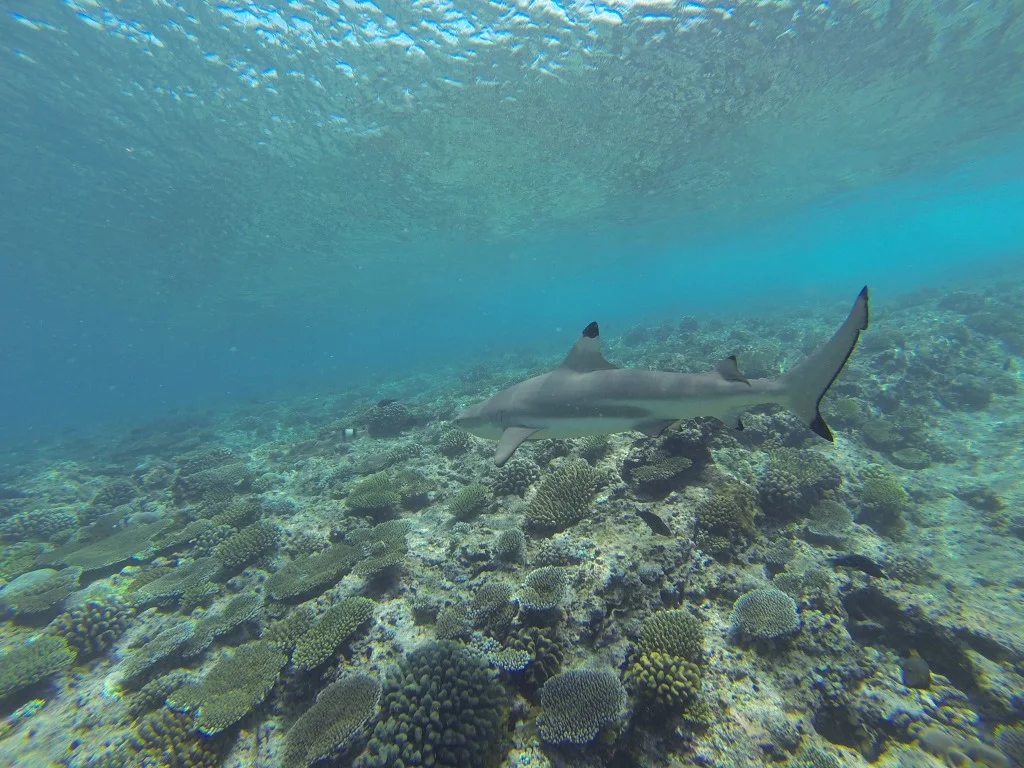
Upon descending onto G-H Reef, divers typically encounter an active environment where various fish species dart among the coral formations. Common sightings often include rays gliding across the sandy patches and the occasional shark patrolling the deeper sections.
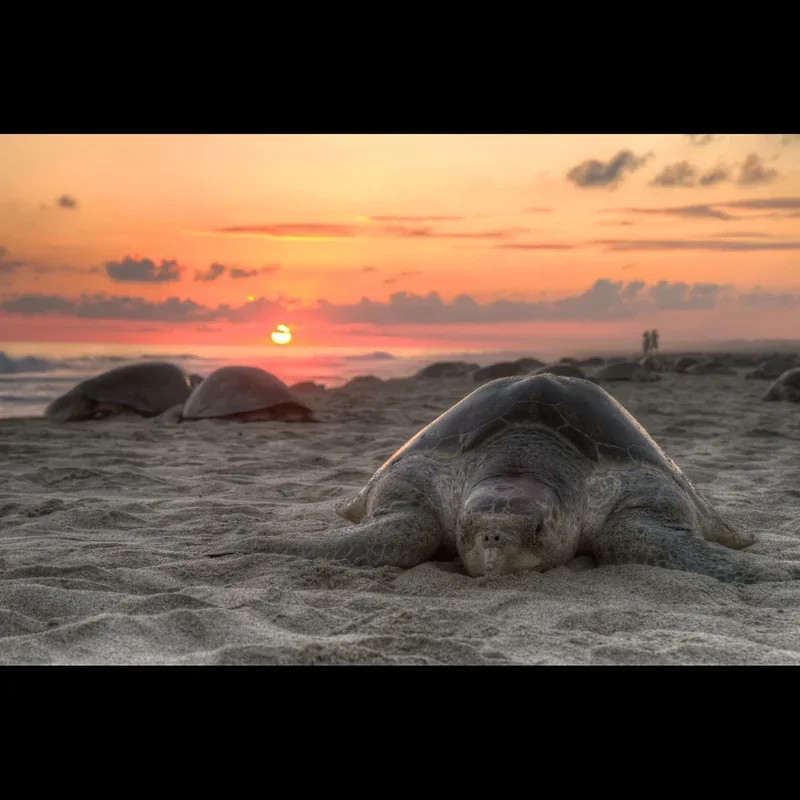
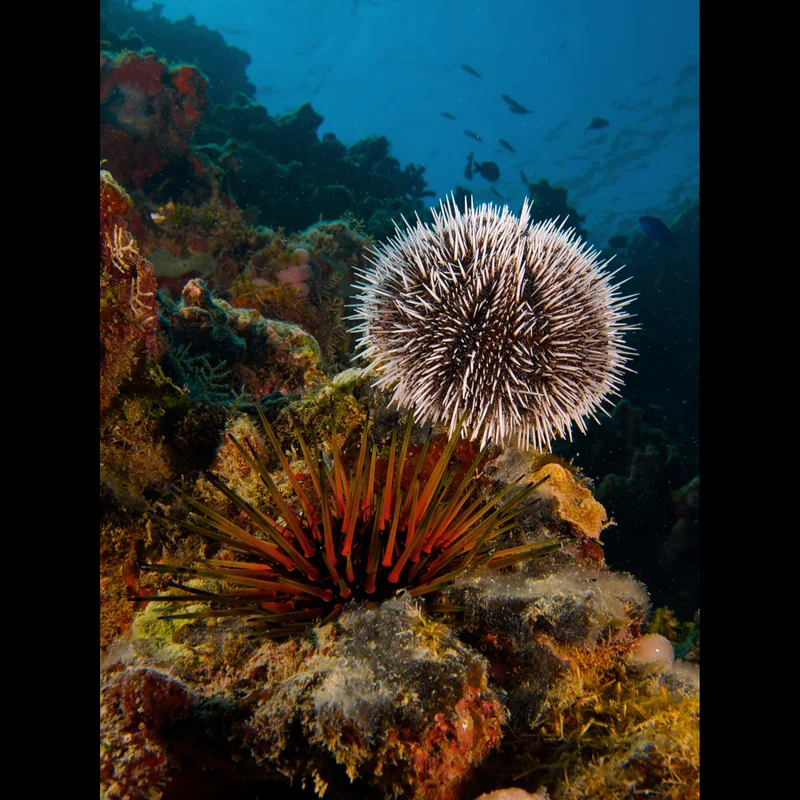
Sea turtles are frequently observed, often resting or navigating the reef. Look closely for the smaller inhabitants like sea cucumbers, starfish, and sea urchins nestled within crevices.
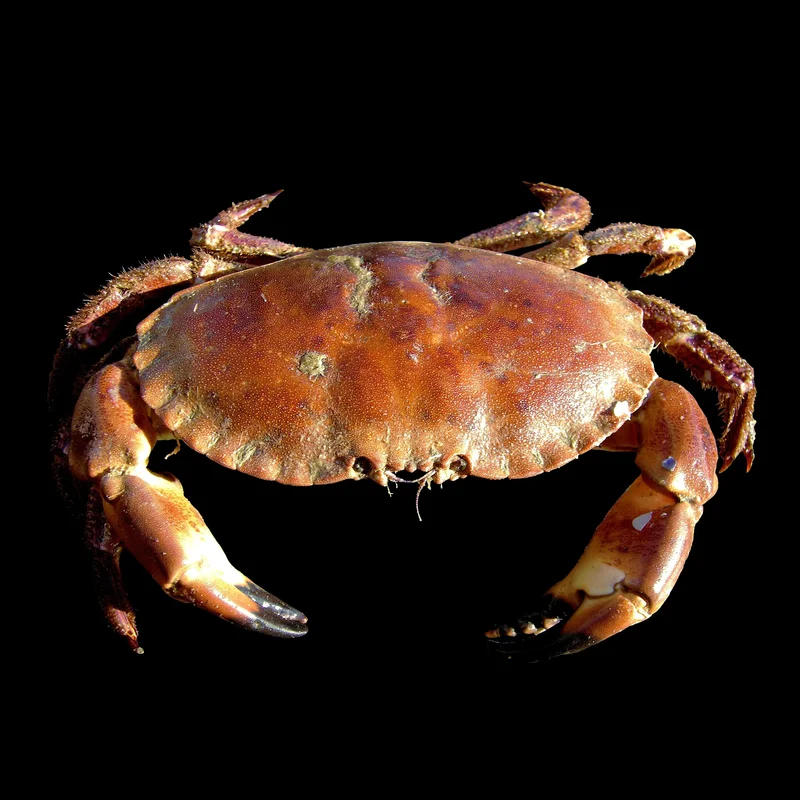
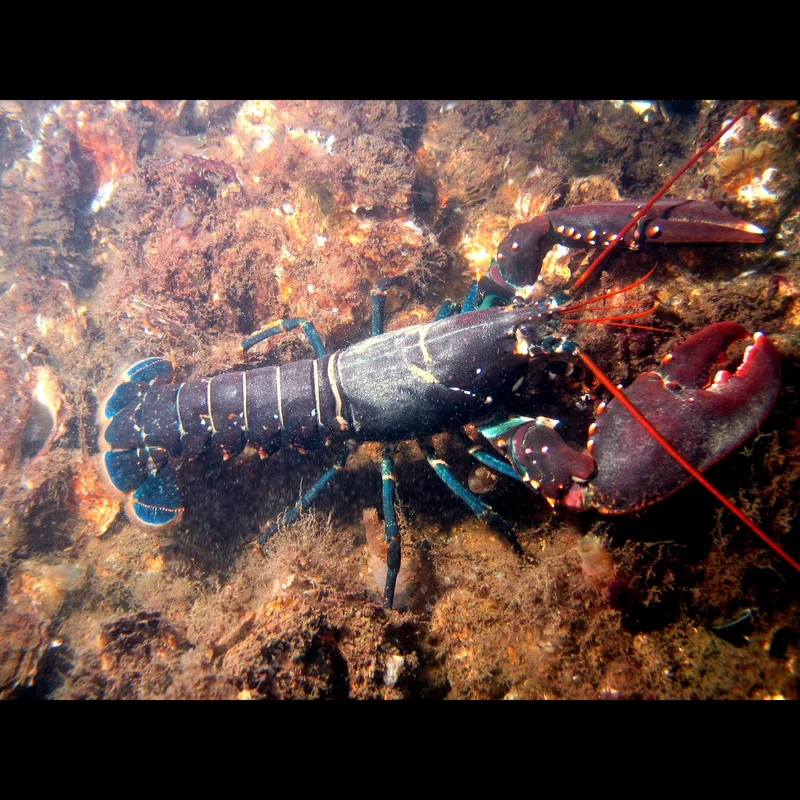
Eels may peek from their hiding spots, and a closer inspection might reveal lobsters, shrimp, and crabs, along with the occasional octopus or clam. This reef offers a representative cross-section of the vibrant life supported by the South East Florida Reef Tract.
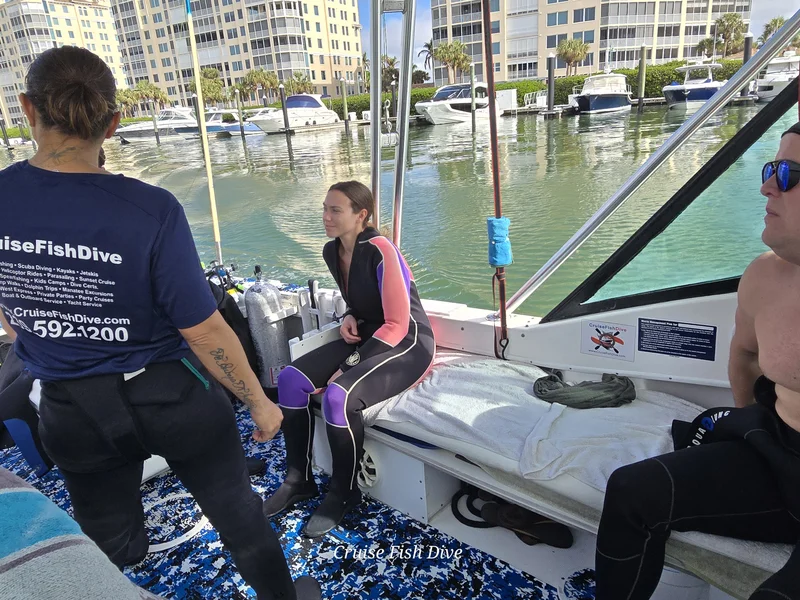
Dive Centers Near G-H Reef
Today: 11:00 - 15:00

Nearest Airports
Nearest airports to help plan travel to this dive area.
Search Flights
Check available flights and routes on Expedia, using the nearby airports listed in this section.
Search Flights on Expedia
Plan Your Stay
Looking for a place to stay for your dive trip? Explore hotels, stays, and vacation rentals for dive groups near Fort Myers Beach.
Dive Navigator may earn a commission from these links at no extra cost to you.
Frequently Asked Questions
What is the typical dive depth at G-H Reef?
G-H Reef is part of a larger reef tract with varying depths. Many sections are explored within recreational limits, with some reef sites in the area ranging from 4.5 to 12 meters (15 to 40 feet). Specific depths depend on the particular section of the reef being explored.
Is G-H Reef suitable for beginner divers?
Yes, G-H Reef, being part of the South East Florida Reef Tract, can be suitable for beginner divers, especially in calmer, shallower areas. However, comfort with boat entries and some current awareness is beneficial.
What kind of currents can be expected?
Prevailing currents at G-H Reef often run parallel to the shoreline, driven by the Gulf Stream. These conditions are conducive to drift diving, allowing divers to cover more area.
How do divers typically access G-H Reef?
Access to G-H Reef is exclusively by boat. Dive operators from nearby locations typically offer short boat rides to the site.
What marine life might I see?
Divers commonly observe a variety of fish, rays, and sea turtles. Look for invertebrates like sea cucumbers, starfish, and urchins, as well as eels, lobsters, and crabs.
What is the best time of year to dive G-H Reef?
Late spring through early fall, particularly May to September, often provides the most favorable conditions. During these months, air temperatures are warm, and wave heights and rainfall tend to be lower.
Planning to dive G-H Reef?
Send one inquiry and receive offers directly from the best verified local dive operators.
Conditions are Good
Optimal conditions expected
Current conditions near G-H Reef show 25° air, 31° sea temperature, 0.2 m waves, and 25 km/h wind. Forecast data is refreshed regularly to ensure accuracy.