
Diving at Hailey Glasrud (United States)
The Hailey Glasrud wreck represents the final chapter of a once-active cargo vessel, the DM-One. Launched in Germany in 1966, this ship, originally named City of Rotterdam, now serves as a prominent artificial reef off Martin County, Florida. Resting in 57 m (188 ft) of water, it transformed into a dynamic marine habitat, offering an intriguing dive site.
Starting the day at Hailey Glasrud, the ambient air temperature is recorded at 27.5°C. Ongoing monitoring shows wave heights measuring 0.7 m. This data represents the current surface conditions for early activities.
Dive Site Location & Key Facts
Dive Site Overview
Diving the Hailey Glasrud reveals a substantial steel vessel, meticulously deployed as an artificial reef, offering a complex structure that contrasts with Florida's typically flat sandy coastal seabed. This 68.5-meter (225-foot) former general and grain cargo hauler was acquired in October 2013 by the MCAC Artificial Reef Fund, then purposefully sunk on April 24, 2014.
It rests upright on the seabed at 57 m (188 ft), with its main upper structure reaching around 33.5 meters and the deck situated at 52 meters. Such strategic deployments greatly enhance marine life populations, transforming a barren sandy bottom into a vibrant ecosystem. This particular shipwreck benefits both the local economy through ecotourism and marine conservation efforts, forming a significant part of Florida's extensive artificial reef program.
While old bridges and concrete rubble also form many reefs, a large, intact shipwreck like this draws considerable attention from the diving community.
Conditions are Good
Optimal conditions expected
Current conditions near Hailey Glasrud show 27° air, 30° sea temperature, 0.8 m waves, and 14 km/h wind. Forecast data is refreshed regularly to ensure accuracy.
Best Time to Dive
For an optimal dive experience at Hailey Glasrud, consider visiting during the late spring and summer months. May through August consistently report 'Good' dive scores, benefiting from milder conditions. During these months, average air temperatures range from 26-28.5°C (79-83°F), providing comfortable surface intervals. Wave heights typically decrease to around 0.5-0.8 meters (1.6-2.6 ft), and wind speeds drop to 25-28 km/h (15-17 mph), creating calmer seas. Rainfall is generally low, although June and September show slightly higher averages. Water temperature data is not consistently reported for this specific site, but conditions generally follow regional seasonal patterns. October tends to have 'Poor' dive scores due to increased wave height and wind.
PEAK SEASON SCORE
Scores combine air & water temps, waves, wind & rainfall for overall conditions.
BEST MONTHS TO DIVE
Monthly records compiled from satellite and marine observation nodes over the last 3 years. Data provided by Open-Meteo and MET Norway.
Dive Experience & Conditions
Approaching the Hailey Glasrud, divers will find a remarkably intact shipwreck resting upright on the seabed. This substantial structure presents different exploration levels; recreational divers might explore the uppermost sections, reaching depths around 33.5 meters at the main upper structure. Descending further, the deck level at 52 meters caters primarily to advanced technical diving. Visibility often depends on prevailing currents, with a noticeable north current sometimes influencing drift dives across the broader reef environments in the area. The sheer size of this 68.5-meter (225-foot) vessel becomes apparent in its deeper parts, offering plenty to explore for appropriately certified divers.
Dive Difficulty & Safety Guidelines
Diving the Hailey Glasrud requires careful planning and appropriate certifications due to its significant depth, with the wreck resting on the seabed at 57 meters. This site falls squarely into the advanced technical diver range, necessitating specialized training, extensive experience, and gas mixes beyond standard air.
Divers must be proficient in deep diving procedures and comfortable with potential wreck penetration, if that's part of the planned exploration. Martin County’s artificial reefs, including this shipwreck, are regularly monitored for structural integrity and marine activity by the Florida Oceanographic Society Research Dive Team, contributing to both diver safety and environmental stewardship.
Recommended Equipment
- Dive Computer
This gear list is based on verified equipment signals for Hailey Glasrud, United States. Always confirm final gear choices with your dive operator, guide, or liveaboard.
Recommended Dive Suit
Individual comfort in the water can vary significantly from diver to diver, even under the same conditions.
For most recreational dives, dive skin or rash guard should provide comfortable protection. Forecast trends indicate little change in overall diving conditions during the next few days.
Current temperature readings suggest that the water at Hailey Glasrud is around 30°C (86°F). Surface air temperatures are resting at 27°C (81°F).
Emergency & Medical Support
Essential information to help you plan your dive trip to Hailey Glasrud.

Hyperbaric chambers are a critical part of dive safety infrastructure. Availability varies significantly by region, and not all dive areas have immediate access.
Before diving, it's recommended to:
- confirm nearest medical facilities
- check emergency procedures with local dive operators
- ensure dive insurance covers evacuation if required
Divers Alert Network
Diving emergency assistance available through DAN World.
+1-919-684-9111- 24/7 emergency hotline
- Diving medical assistance
- Evacuation coordination
Emergency contacts are provided for reference. Always verify local emergency services before diving.
Marine Life at Hailey Glasrud
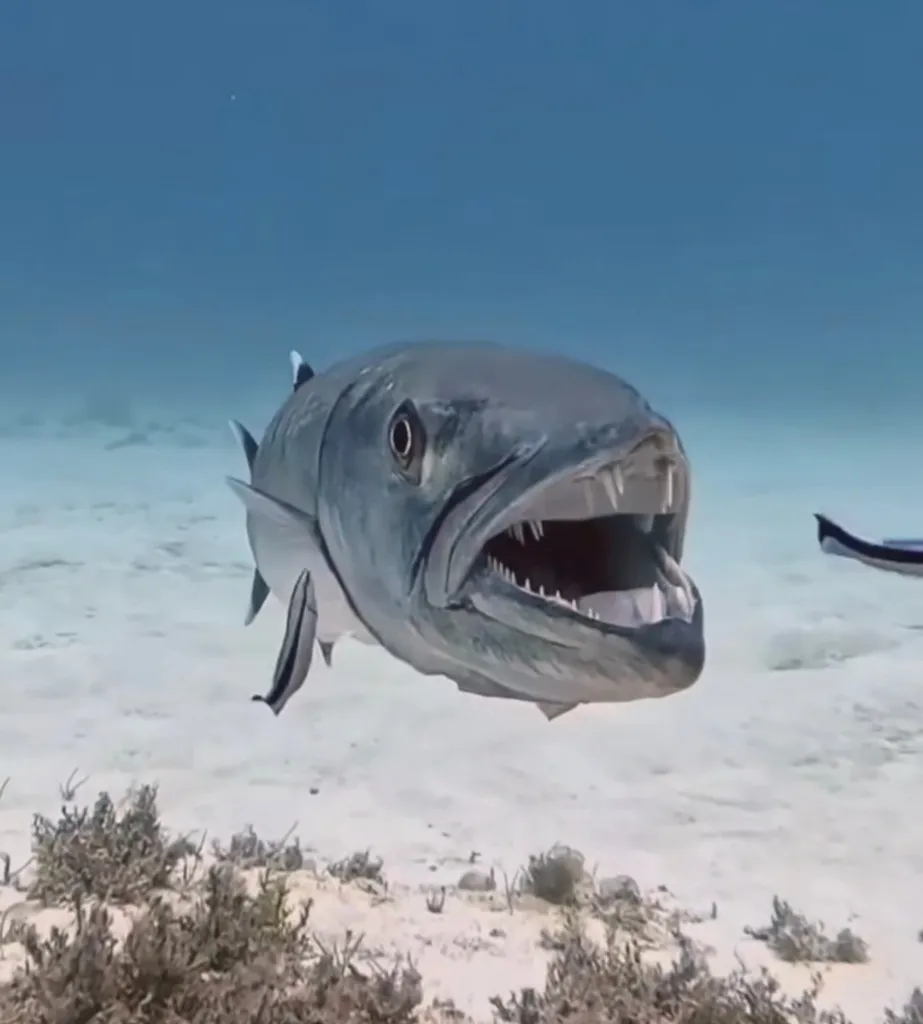
Descending onto the Hailey Glasrud, marine life immediately becomes apparent as the shipwreck functions as a thriving artificial habitat. Barracuda and jacks commonly glide past the massive hull, utilizing the structure for shelter and hunting grounds.
Expect to observe various schooling fish species, particularly around the uppermost sections and deck, which offer complex surfaces for growth and concealment. The transformation of this former cargo ship into a 'hotel for fish' has successfully attracted a diverse array of reef life, steadily colonizing its surfaces.
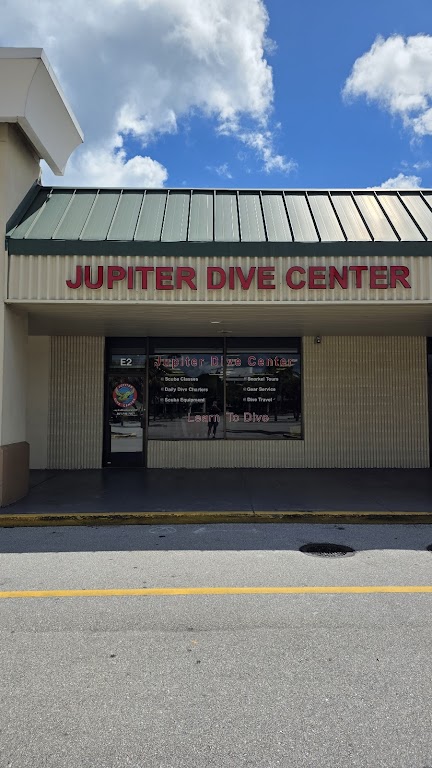
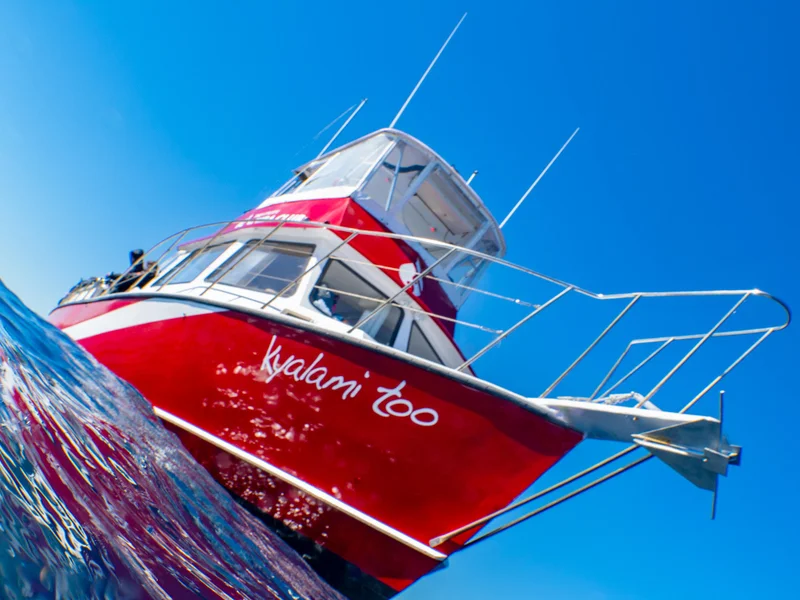
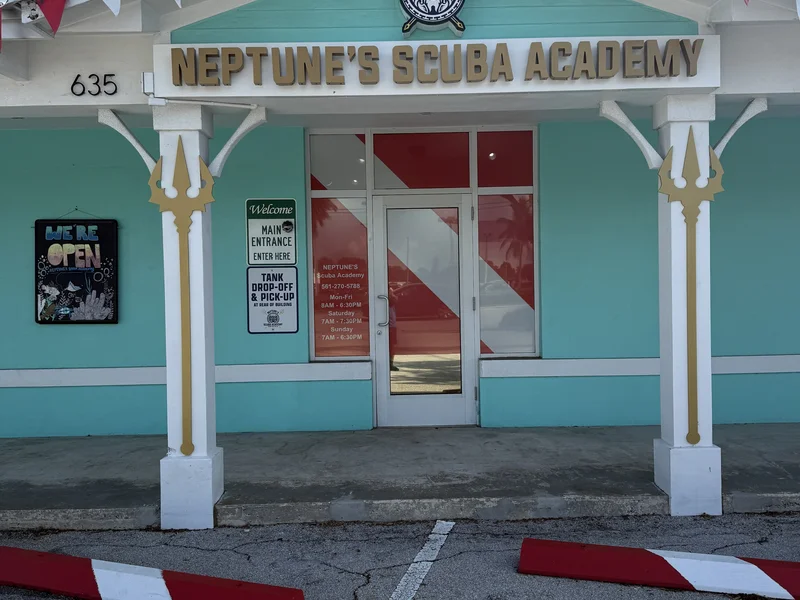
Dive Centers Near Hailey Glasrud
Today: 10:00 - 18:00
Nearest Airports
Nearest airports to help plan travel to this dive area.
Search Flights
Check available flights and routes on Expedia, using the nearby airports listed in this section.
Search Flights on Expedia
Plan Your Stay
Looking for a place to stay for your dive trip? Explore hotels, stays, and vacation rentals for dive groups near Sewall's Point.
Dive Navigator may earn a commission from these links at no extra cost to you.
Frequently Asked Questions
What is the history of the Hailey Glasrud shipwreck?
The Hailey Glasrud was originally a German-built cargo ship named DM-One, launched in 1966 as the City of Rotterdam. It served as a general and grain cargo hauler before being acquired in 2013 and purposely sunk as an artificial reef in April 2014.
How deep is the Hailey Glasrud wreck?
The wreck rests in 57 m (188 ft) of water. Its main upper structure is around 33.5 meters, and the deck level is situated at 52 meters.
What kind of dive experience does Hailey Glasrud offer?
The site provides a challenging deep wreck dive. While recreational divers can explore shallower sections, the full wreck, including its deeper parts, requires technical diving certifications and experience.
What types of marine life can be seen on the wreck?
The Hailey Glasrud attracts a variety of marine life. Divers frequently observe barracuda and jacks, along with different schooling fish and other reef-dwelling species that have colonized the wreck's structure.
Are there any specific safety considerations for this dive?
Due to the significant depths involved, divers must have appropriate technical diving certifications and experience. Planning for decompression and having redundant gas systems are crucial for a safe dive at this site.
When is the best time of year to dive the Hailey Glasrud?
The best time for diving is typically from May through August, when conditions are generally calmer with lower wave heights and mild air temperatures. October tends to be less favorable due to increased wave activity.
Planning to dive Hailey Glasrud?
Send one inquiry and receive offers directly from the best verified local dive operators.
Conditions are Good
Optimal conditions expected
Current conditions near Hailey Glasrud show 27° air, 30° sea temperature, 0.8 m waves, and 14 km/h wind. Forecast data is refreshed regularly to ensure accuracy.