
Diving at John Marvin (United States)
Off the United States coast, John Marvin wreck provides an approachable dive experience for certified divers exploring temperate waters. Resting less than 10 miles from Little Egg Inlet (LEI), this intact scallop dragger is considered a relatively easy wreck to navigate. Upright positioning and structural integrity make it a suitable site for divers seeking an artificial reef without extensive penetration training.
As evening covers John Marvin, the local air temperature is measured at 23°C. The current wave height at the surface is recorded at 0.7 m. These late-day readings characterize the surface conditions for the night.
Dive Site Location & Key Facts
Dive Site Overview
Exploring John Marvin offers a captivating dive experience, tracing the vessel's transition from an active scallop dragger to an underwater landmark after its 1992 sinking. Divers encounter the wreck resting upright on the seabed, a significant factor as it maintains nearly 100% of its original structure.
Such preservation presents a straightforward and largely intact site for exploration. Maximum depth reaches 20 m (65 ft), offering a manageable profile well within recreational diving limits. A palpable sense of its past life lingers; observing the outrigger boom collapsed across the deck and peering into the accessible gear house provides a tangible link to its working history.
Its conversion into a thriving artificial reef provides a distinct character to every descent. John Marvin's intact nature and relative ease of navigation have established it as a consistent destination for local divers.
It provides a stable platform for diverse marine growth, while its sheltered areas offer refuge for numerous species. Divers often report a strong sense of historical presence, coupled with the vibrant new ecosystem it now supports.
Conditions are Good
Optimal conditions expected
Current conditions near John Marvin show 23° air, 23° sea temperature, 1.0 m waves, and 34 km/h wind. Forecast data is refreshed regularly to ensure accuracy.
Best Time to Dive
Considering a dive at the John Marvin is best approached with seasonal weather patterns in mind for optimal comfort and conditions. July typically presents the most favorable environment, earning a "Good" dive score, with average air temperatures reaching a comfortable 24°C (75°F) and minimal rainfall at about 2.41 mm. During this peak summer month, winds are generally lighter, averaging around 28.45 km/h (17.7 mph), which can contribute to calmer surface conditions. Conversely, spring and fall months, while still offering "Moderate" dive scores, often see higher winds and wave heights, potentially making boat rides less comfortable and overall conditions more challenging. Divers should anticipate that cooler air temperatures prevail outside of summer, with January averaging just 2°C (36°F).
PEAK SEASON SCORE
Scores combine air & water temps, waves, wind & rainfall for overall conditions.
BEST MONTHS TO DIVE
Monthly records compiled from satellite and marine observation nodes over the last 3 years. Data provided by Open-Meteo and MET Norway.
Dive Experience & Conditions
Upon entering the water at John Marvin, divers are often met with visibility extending to an impressive 6 m (20 ft) or more, offering clear views of the wreck during descent. Bottom water temperatures have been reported around 16°C (61°F), considered quite warm for this region. Rising prominently from the seabed, the almost entirely intact scallop dragger presents a substantial structure. Divers can observe features like the scallop basket on the deck and the outrigger boom collapsed over the stern. Exploring the gear house and hold areas reveals structural details while also providing shelter for marine life. While a 'stiffer S wind' has been observed, such conditions are generally manageable, impacting surface more than the underwater experience once on the wreck.
Dive Difficulty & Safety Guidelines
Diving the John Marvin requires attention to standard wreck diving protocols, even given its ease. Always assess surface conditions; while typically manageable, 'stiffer S winds' can make anchoring and entry/exit more challenging. Maintaining excellent buoyancy control is crucial for preserving the wreck's intact structure and its delicate marine inhabitants.
If you plan to explore internal sections like the gear house or hold, ensure proper training for wreck penetration and carry redundant light sources. Secure all gear, as even a speargun placed momentarily on the deck has been known to be dislodged.
Always plan your dive and dive your plan, especially when navigating around the collapsed outrigger boom and other structures.
Recommended Equipment
- Dive Computer
This gear list is based on verified equipment signals for John Marvin, United States. Always confirm final gear choices with your dive operator, guide, or liveaboard.
Recommended Dive Suit
Divers planning deeper dives may feel cooler than those staying in shallower areas.
Many divers find that 3-5mm wetsuit offers a comfortable balance between warmth and mobility. A hood or vest is suggested for sensitive divers due to surface winds. Forecast trends indicate similar diving conditions over the next few days.
Divers heading to John Marvin today should expect water temperatures around 23°C (73°F). Surface air temperatures are resting at 23°C (74°F).
Due to technical issues with our weather providers, data hasn't been fetched for over 48 hours. The data above reflects the conditions at the time of the last successful fetch.
Emergency & Medical Support
Essential information to help you plan your dive trip to John Marvin.

Hyperbaric chambers are a critical part of dive safety infrastructure. Availability varies significantly by region, and not all dive areas have immediate access.
Before diving, it's recommended to:
- confirm nearest medical facilities
- check emergency procedures with local dive operators
- ensure dive insurance covers evacuation if required
Divers Alert Network
Diving emergency assistance available through DAN World.
+1-919-684-9111- 24/7 emergency hotline
- Diving medical assistance
- Evacuation coordination
Emergency contacts are provided for reference. Always verify local emergency services before diving.
Marine Life at John Marvin
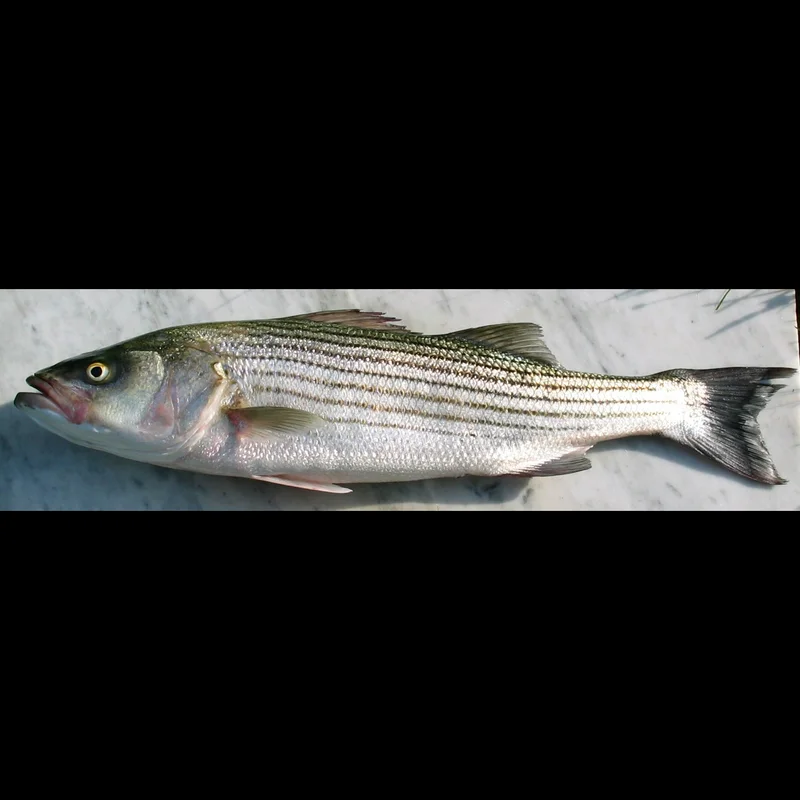
John Marvin wreck serves as a thriving habitat for various aquatic species. Divers frequently encounter good numbers of tautog and occasional sea bass seeking shelter within its structure.
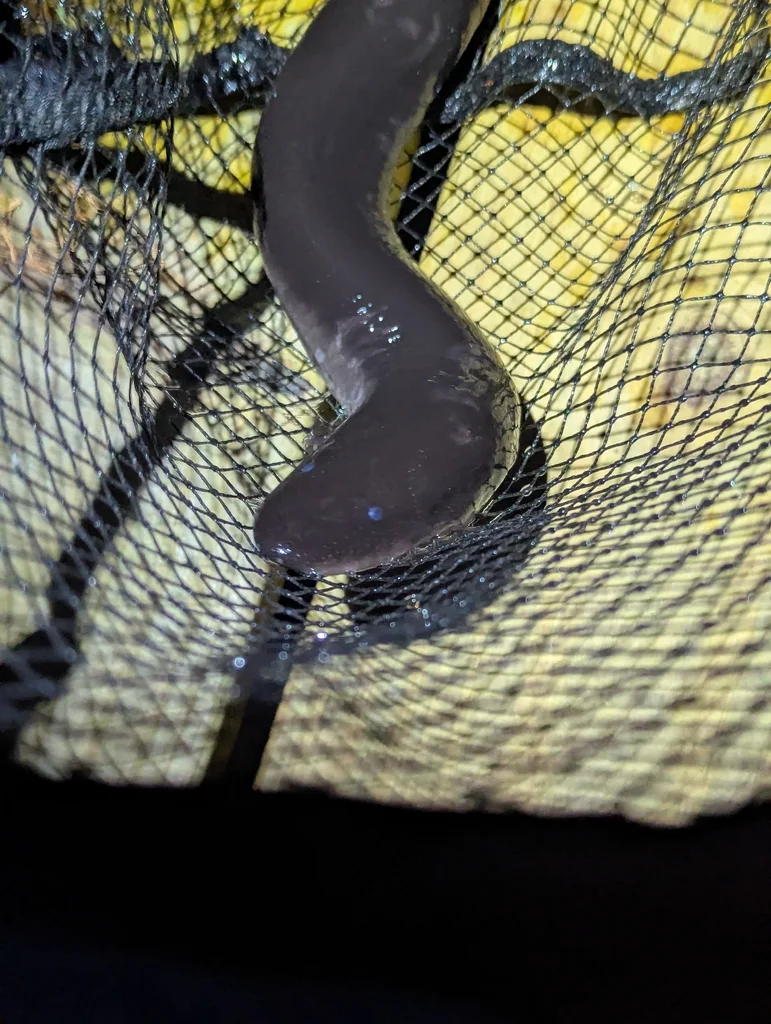
Bergalls are present, though not in overwhelming numbers. For some divers, a particular highlight includes spotting large conger eels, often found vertically positioned within pipes on the wreck.
Some of these eels are reported to be thicker than a diver's upper arm, making for memorable encounters.
Dive Centers Near John Marvin
Nearest Airports
Nearest airports to help plan travel to this dive area.
Search Flights
Check available flights and routes on Expedia, using the nearby airports listed in this section.
Search Flights on Expedia
Plan Your Stay
Looking for a place to stay for your dive trip? Explore hotels, stays, and vacation rentals for dive groups near Brigantine.
Dive Navigator may earn a commission from these links at no extra cost to you.
Frequently Asked Questions
What is the maximum depth of the John Marvin wreck?
John Marvin wreck rests at a maximum depth of 20 m (65 ft). Such a manageable depth makes it accessible for certified recreational divers.
What is the typical visibility at the John Marvin wreck?
Divers often report visibility of at least 6 m (20 ft) at the John Marvin wreck, and sometimes even better. Conditions can vary, but clear viewing of the wreck is generally possible.
What kind of marine life can be seen at John Marvin?
A variety of marine life, including tautog, sea bass, and bergalls, gathers at the wreck. Divers may also encounter thousands of small cocktail bluefish schooling overhead and large conger eels within its structure.
When is the best time of year to dive this site?
July typically offers the best diving conditions due to warmer air temperatures averaging 24°C (75°F) and lower wind speeds. These factors contribute to a more comfortable overall dive experience and calmer seas.
Is the John Marvin wreck intact?
Yes, John Marvin wreck remains remarkably intact, having gone down upright and retaining almost 100% of its original structure. Its preserved state makes it a great site for exploring original features.
What are the water temperatures like at the wreck?
Bottom water temperatures have been recorded around 16°C (61°F). Temperatures like these are considered relatively warm for the region, contributing to a comfortable dive.
Planning to dive John Marvin?
Send one inquiry and receive offers directly from the best verified local dive operators.
Conditions are Good
Optimal conditions expected
Current conditions near John Marvin show 23° air, 23° sea temperature, 1.0 m waves, and 34 km/h wind. Forecast data is refreshed regularly to ensure accuracy.