
Diving at La Jenelle (United States)
Exploring La Jenelle presents a distinct challenge. Not a conventional underwater wreck dive, the site features the remains of a once-grand cruise ship, now fully integrated into the Port Hueneme breakwater. Divers won't descend into its hull; instead, they navigate the shallow, wave-impacted areas around its exposed structure. Understanding the dynamic coastal environment and the wreck's true nature as an artificial reef, largely above the waterline, proves essential for safely interacting with this historical landmark.
As evening covers La Jenelle, the local air temperature is measured at 22.5°C. The current wave height at the surface is recorded at 0.7 m. These late-day readings characterize the surface conditions for the night.
Dive Site Location & Key Facts
Dive Site Overview
The saga of La Jenelle, a luxurious cruise ship once known as the 'Lucky Star', concluded not in a deep-sea resting place, but as an essential component of the Port Hueneme breakwater. Following her grounding during a storm on April 13, 1970, she settled onto the sandy beach west of the breakwater.
Once a public attraction for crowds and surfers, the wrecked vessel's transformation was stark; it ultimately became a significant hazard. After multiple incidents, including a fatality, authorities moved to remove the upper decks and reinforce the lower hull with rocks, permanently integrating her into the existing coastal defense system.
Conventional wreck diving remains unfeasible here. Exploring La Jenelle's vicinity instead involves navigating the very shallow, often turbulent waters surrounding the breakwater itself.
Lower hull segments remain visible, exposed or partially submerged depending on tides and wave action. Around this area, individuals interested in the vessel's history and the distinctive ecology evolving around such a massive, integrated structure find appeal.
Perceive it as a historical shore exploration rather than a deep underwater adventure. Its lasting structure provides refuge for localized marine life and acts as a barrier against coastal erosion, making it a point of interest for both its past and its present ecological function.
Conditions are Excellent
07:00 - 14:00
Optimal conditions expected
Current conditions near La Jenelle show 22° air, 23° sea temperature, 0.9 m waves, and 18 km/h wind. Forecast data is refreshed regularly to ensure accuracy.
Best Time to Dive
Navigating the waters near La Jenelle, particularly for any limited underwater access, largely depends on stable weather and calmer seas. The months from June through September typically present the most favorable conditions, contrasting with the more turbulent winter and early spring. During this peak period, average air temperatures range from 17°C to 19.5°C (67°F)to 66.7°F), creating a more comfortable surface environment for preparation and entry. Rainfall is minimal, often less than 1 mm (0.04 in) in July and August, reducing run-off and potentially improving shallow visibility near the breakwater. Conversely, months like February and March exhibit higher average wave heights, reaching 1.3 m (4.3 ft) and 1.3 m (4.3 ft) respectively, making approach to the breakwater more challenging. Wind speeds also tend to be higher during these periods. Optimal conditions for any exploration around this site necessitate careful observation of real-time sea state and tide charts, prioritizing days with minimal swell to safely interact with the exposed and partially submerged sections of the old ship.
PEAK SEASON SCORE
Scores combine air & water temps, waves, wind & rainfall for overall conditions.
BEST MONTHS TO DIVE
Monthly records compiled from satellite and marine observation nodes over the last 3 years. Data provided by Open-Meteo and MET Norway.
Dive Experience & Conditions
The dynamic interplay of ocean forces directly shapes any experience at La Jenelle. As part of the Port Hueneme breakwater, the wreck continuously interacts with surf and currents, making conditions highly variable. Strong northwest gales, historically responsible for the ship's stranding, still impact the area. Any exploration involves navigating surge and localized currents, particularly on incoming tides or during periods of elevated swell. Visibility near the breakwater is not consistently reported for diving, but given its exposed nature, it varies significantly with wave action and sediment disturbance. The structure itself is a massive concrete and rock-filled hull, acting as a barrier. Its largely exposed nature means divers should anticipate significant wave energy directly impacting the site. Shallow sections around the base might offer brief glimpses of any settled marine life during exceptionally calm periods, but sustained underwater exploration isn't the primary draw. Due to the 'on shore' location, direct dive access to what remains of the wreck requires careful assessment of real-time conditions and shoreline hazards.
Dive Difficulty & Safety Guidelines
Interacting with the La Jenelle structure, which forms part of the Port Hueneme breakwater, presents distinct safety challenges. The historical accounts highlight the inherent dangers of the wreck, including a past fatality due to a souvenir hunter. Due to its exposure, strong waves and unpredictable surge are common.
Entering the water near this site demands excellent buoyancy control and an understanding of dynamic shallow water conditions. Divers must avoid attempting to penetrate any sections of the wreck, as it's been intentionally filled and armored with rocks, rendering it unsafe and structurally compromised.
Proximity to a busy port also means awareness of vessel traffic, though the breakwater mitigates this somewhat. The entry point notes mention a small parking area that gets locked at night; planning access and exit accordingly is crucial.
Always dive with a buddy, carry a surface marker buoy, and ensure clear communication. Assessing local conditions thoroughly before any water entry is paramount for safety.
Recommended Equipment
Overhead / entanglement risk. Wreck penetration requires proper training.
- Dive Computer
- Primary & Backup Lights
- Wreck Reel
- Cutting Tool
This gear list is based on verified equipment signals for La Jenelle, United States. Always confirm final gear choices with your dive operator, guide, or liveaboard.
Recommended Dive Suit
Surface temperatures may decrease slightly later in the week. Cooler days are ahead; you might want a warmer option for later in the week. A hood or vest can noticeably improve warmth during longer dives.
Many experienced divers would consider 3-5mm wetsuit an appropriate choice here. Surface intervals may feel cooler.
Recent environmental data from La Jenelle indicates water temperatures near 23°C (73°F). Surface air temperatures are resting at 22°C (72°F).
Due to technical issues with our weather providers, live updates are temporarily delayed. The data above reflects the conditions at the time of the last successful fetch.
Emergency & Medical Support
Essential information to help you plan your dive trip to La Jenelle.

Hyperbaric chambers are a critical part of dive safety infrastructure. Availability varies significantly by region, and not all dive areas have immediate access.
Before diving, it's recommended to:
- confirm nearest medical facilities
- check emergency procedures with local dive operators
- ensure dive insurance covers evacuation if required
Divers Alert Network
Diving emergency assistance available through DAN World.
+1-919-684-9111- 24/7 emergency hotline
- Diving medical assistance
- Evacuation coordination
Emergency contacts are provided for reference. Always verify local emergency services before diving.
Marine Life at La Jenelle
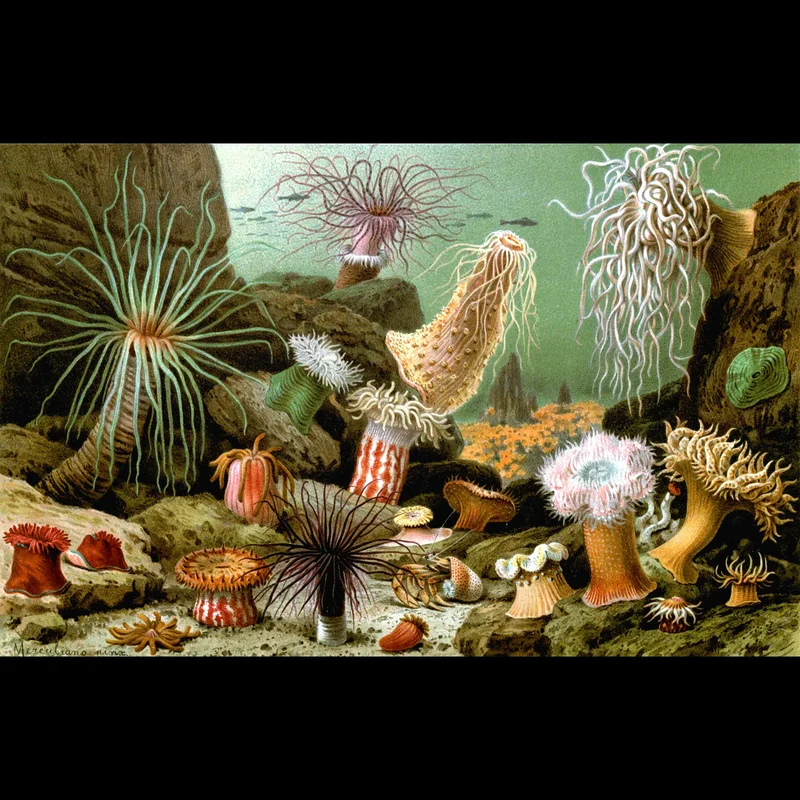
Even though La Jenelle primarily exists as an exposed breakwater, its submerged and partially submerged sections provide localized habitats. The rocky substrate and structural crevices, formed by the ship's lower hull and the rocks used to fill it, create a foundational landscape for marine organisms.
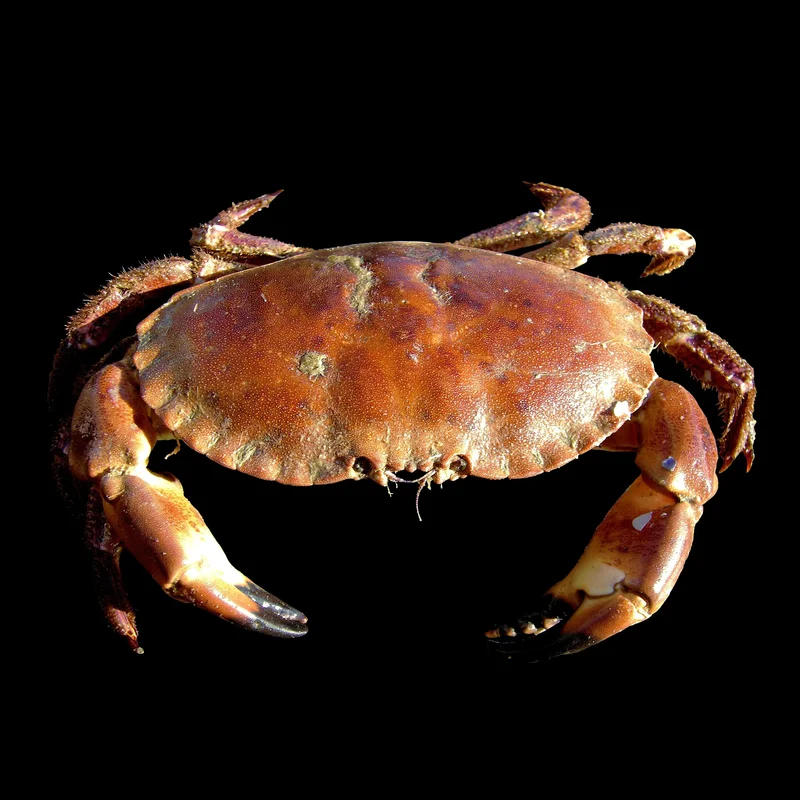
While specific reports are limited given its 'Visibility: N/A' status for diving, such environments in Southern California typically attract various invertebrates like crabs and anemones. Small schooling fish might seek refuge among the structure's contours.
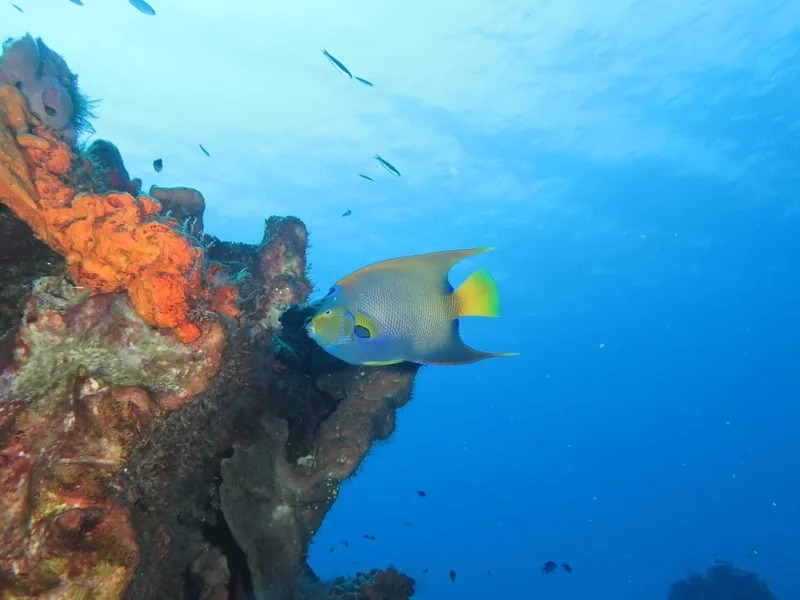
During periods of exceptional calm, divers might observe hardy algae and seaweeds colonizing the wreck's surface, adapting to the constant wave action. This area fosters a localized ecosystem, distinct from open sand flats nearby.

Dive Centers Near La Jenelle
Today: 15:00 - 20:00
Nearest Airports
Nearest airports to help plan travel to this dive area.
Search Flights
Check available flights and routes on Expedia, using the nearby airports listed in this section.
Search Flights on Expedia
Plan Your Stay
Looking for a place to stay for your dive trip? Explore hotels, stays, and vacation rentals for dive groups near Channel Islands Beach.
Dive Navigator may earn a commission from these links at no extra cost to you.
Frequently Asked Questions
Is La Jenelle a traditional wreck dive?
No, La Jenelle is not a traditional underwater wreck dive. Its lower hull was repurposed as part of the Port Hueneme breakwater, meaning it is largely on shore and exposed to the elements.
What depth is La Jenelle at?
La Jenelle's primary structure remains 'on shore' as part of the breakwater. Any underwater exploration focuses on extremely shallow, wave-impacted areas around its base, not significant depths.
What are the visibility conditions like?
Visibility near La Jenelle isn't consistently reported for diving due to its exposed nature. Conditions are highly variable, often reduced by wave action and sediment in the very shallow waters surrounding the breakwater.
Can the wreck be entered?
No, the wreck should not be entered. Its interior was filled with rocks, and the top removed to transform it into a breakwater, making any internal sections structurally unsound and extremely hazardous.
What kind of marine life might be seen?
Given the rocky, breakwater environment, observers might encounter various invertebrates like crabs and anemones. Small fish may also seek shelter among the crevices of the integrated hull structure.
Are there any historical aspects for divers?
For divers, the primary draw is La Jenelle's historical significance as a former luxury cruise ship. Its transformation into a breakwater represents a distinct chapter in maritime history, making it a point of interest even without deep underwater penetration.
What is the best way to access the site?
Access typically originates from a small parking area on the south side of 101 Ocean Dr. Be aware, this parking area often gets locked at night, so planning your visit accordingly is crucial.
Planning to dive La Jenelle?
Send one inquiry and receive offers directly from the best verified local dive operators.
Conditions are Excellent
07:00 - 14:00
Optimal conditions expected
Current conditions near La Jenelle show 22° air, 23° sea temperature, 0.9 m waves, and 18 km/h wind. Forecast data is refreshed regularly to ensure accuracy.