
Diving at LA-2023-1 (United States)
Navigating the varied conditions along the LA County coastline requires specific preparation and local insight. Divers here benefit from a structured approach to understanding the Southern California diving environment. Comprehensive programs from the Los Angeles County Underwater Unit provide essential education, enhancing safety and skill for shore-based and boat-based exploration. These initiatives frame local diving as a continuous learning experience.
Early observations for LA-2023-1 report a surface air temperature of 29.5°C. The water surface is currently presenting wave heights of 0.4 m. Consider these environmental metrics before beginning your descent.
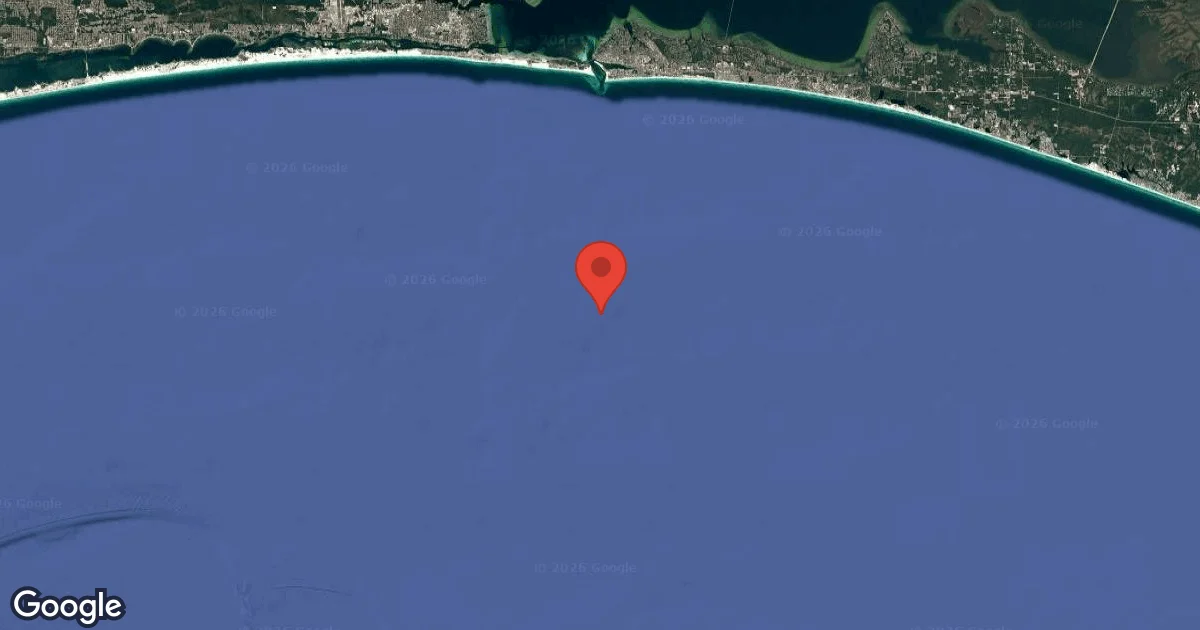
Dive Site Location & Key Facts
Dive Site Overview
Since the 1950s, the Los Angeles County Underwater Unit, a part of the Lifeguard Division, has cultivated a robust framework for diver education. This commitment to training helps divers truly understand and explore the waters off the coast, crucial for navigating Southern California's varied coastal environment.
Key programs like the Advanced Diver Program (ADP), established in 1964, offer extensive continuing education with a strong emphasis on the Southern California diving environment. Participants in the ADP receive over 100 hours of training, including a minimum of 12 open water dives, focusing on elements such as oceanography, forecasting ideal diving conditions, navigation, and basic decompression theory concepts.
Annually in November, the Basic Scuba Course provides 40 hours of instruction over six days, incorporating a minimum of four open water dives. These courses ensure divers are well-prepared for the specific demands of local waters, from challenging shore entries to identifying diverse marine life.
Conditions are Excellent
07:00 - 14:00
Optimal conditions expected
Current conditions near LA-2023-1 show 29° air, 30° sea temperature, 0.4 m waves, and 16 km/h wind. Forecast data is refreshed regularly to ensure accuracy.
Best Time to Dive
Seasonal environmental awareness considerations are central to planning a dive in LA County. A good dive score period typically runs from April through September. During these months, average air temperatures are warmer, ranging from 21°C (70°F) in April to 29°C (84°F) in August, creating more comfortable surface conditions. Wave heights usually decrease significantly during summer, averaging around 0.7-0.9 m (2.3-3.0 ft), which can contribute to improved underwater visibility and calmer shore entries. Rainfall remains relatively low throughout the year, with slightly higher averages in September around 6.97 mm (0.27 inches). Calmer summer conditions support more predictable water states, crucial for assessing dive site suitability.
PEAK SEASON SCORE
Scores combine air & water temps, waves, wind & rainfall for overall conditions.
BEST MONTHS TO DIVE
Monthly records compiled from satellite and marine observation nodes over the last 3 years. Data provided by Open-Meteo and MET Norway.
Dive Experience & Conditions
Dynamic coastal conditions await divers exploring LA County dive sites. Divers receive education on site-specific shore-based considerations, local bathymetry, and current year swell and surf patterns. Depths often vary across popular local dive sites, typically falling within recreational ranges. While no specific maximum depth is consistently reported, divers should prepare for scenarios ranging from shallower sections during shore entries to deeper areas encountered during boat dives. Training emphasizes anticipating and mitigating precipitating events that could lead to accidents in these environments. In-water demonstration and practice sessions, such as those in the 3R's (Rocks, Rips, and Reefs) program, tour actual dive sites, providing practical experience in handling varied underwater topography and seasonal changes.
Dive Difficulty & Safety Guidelines
Effective risk management forms a core tenet of Los Angeles County dive programs, proactively addressing potential hazards and ensuring responsible practices. For instance, the 3R’s (Rocks, Rips, and Reefs) program educates divers on seasonal environmental awareness, shore-based entries and exits, and other site-specific information vital for accident avoidance.
Local on-duty lifeguards provide crucial briefings on Emergency Medical Services (EMS) and observed hazards at selected sites, offering real-time insights into immediate risks. Divers are taught to effectively utilize forecasting tools, including NOAA and CDIP data feeds, to plan dives based on current weather, swell, and surf patterns.
This comprehensive approach ensures participants can identify and recognize potential issues, allowing for their avoidance or mitigation before entering the water.
Recommended Equipment
- Dive Computer
This gear list is based on verified equipment signals for LA-2023-1, United States. Always confirm final gear choices with your dive operator, guide, or liveaboard.
Recommended Dive Suit
Forecasts suggest a slight cooling pattern in the days ahead. Cooler days are ahead; you might want a warmer option for later in the week. Divers planning multiple dives may appreciate having a warmer option available.
Factors such as dive duration, depth, and activity level can influence how warm a diver feels underwater.
Dive skin or rash guard typically balances flexibility and thermal protection in these temperatures. The latest environmental readings for LA-2023-1 suggest water temperatures around 30°C (86°F). Surface air temperatures are resting at 29°C (85°F).
Emergency & Medical Support
Essential information to help you plan your dive trip to LA-2023-1.

Hyperbaric chambers are a critical part of dive safety infrastructure. Availability varies significantly by region, and not all dive areas have immediate access.
Before diving, it's recommended to:
- confirm nearest medical facilities
- check emergency procedures with local dive operators
- ensure dive insurance covers evacuation if required
Divers Alert Network
Diving emergency assistance available through DAN World.
+1-919-684-9111- 24/7 emergency hotline
- Diving medical assistance
- Evacuation coordination
Emergency contacts are provided for reference. Always verify local emergency services before diving.
Marine Life at LA-2023-1
LA County's underwater landscapes are diverse, frequently featuring rocky reefs that provide habitat for various marine species. While specific creatures are not detailed in available data, divers enrolled in local training programs receive instruction in marine life identification.
Exploring these coastal environments, particularly during guided tours and practice sessions, allows divers to observe the local ecology firsthand. Understanding how different species interact with the diverse bathymetry and varying seasonal conditions forms part of this experience.
Dive Sites Near LA-2023-1
View all dive sites in United StatesDiscover more underwater gems in this area.
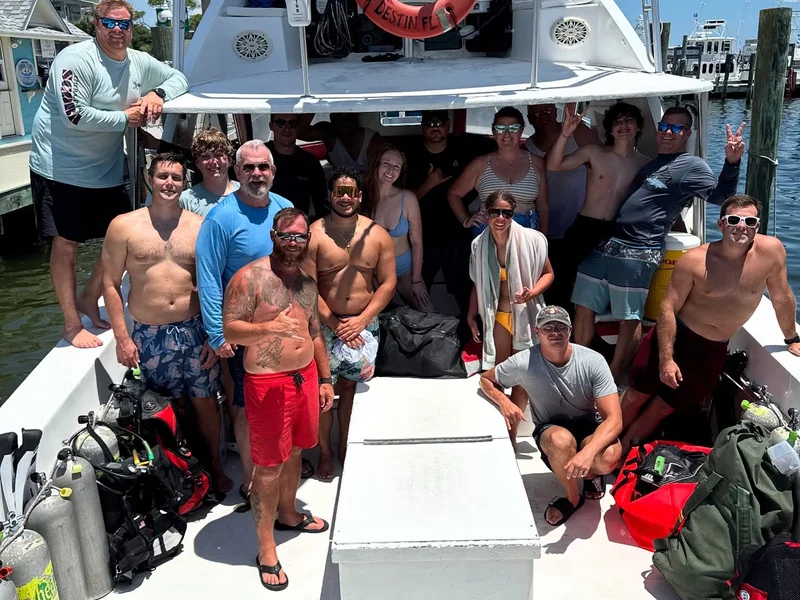
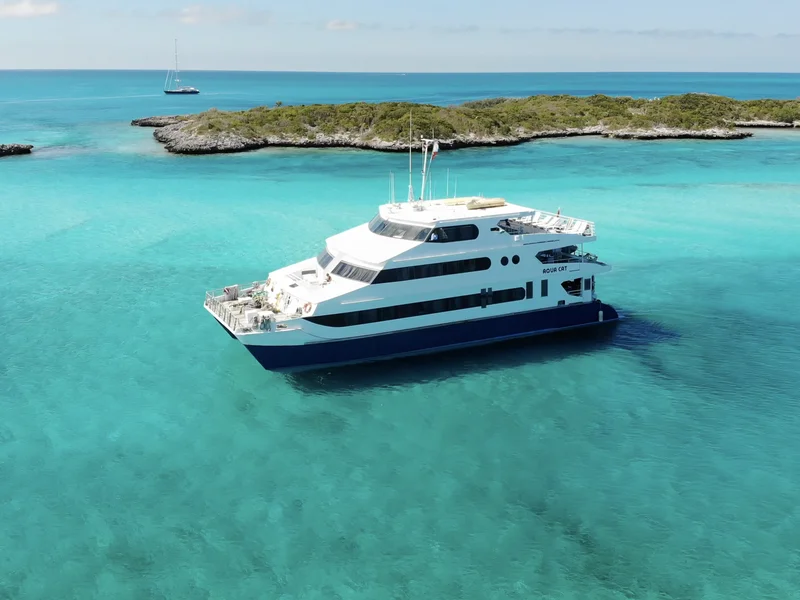
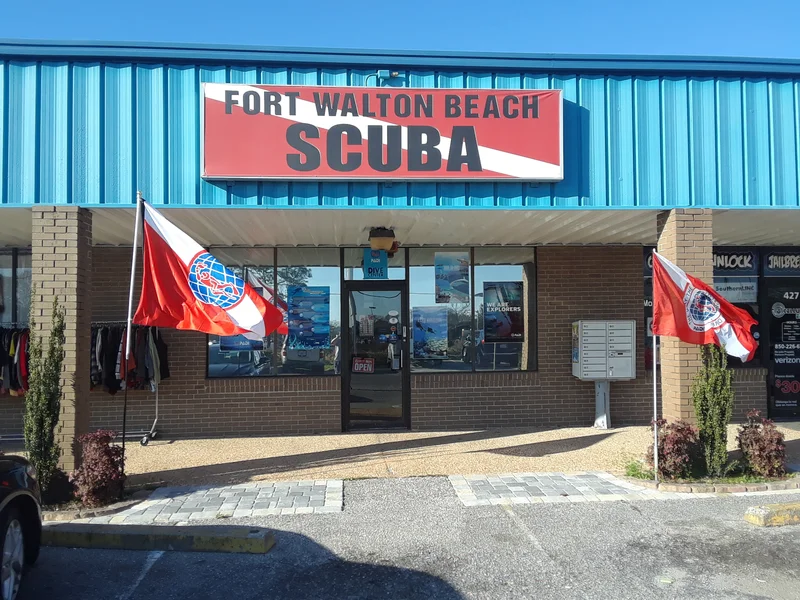
Dive Centers Near LA-2023-1
Today: 09:00 - 16:00
Nearest Airports
Nearest airports to help plan travel to this dive area.
Search Flights
Check available flights and routes on Expedia, using the nearby airports listed in this section.
Search Flights on ExpediaFrequently Asked Questions
What is the Advanced Diver Program (ADP)?
A comprehensive continuing education program offered by the Los Angeles County Underwater Unit. It provides over 100 hours of training, including at least 12 open water dives. The program emphasizes the specific Southern California diving environment.
When is the ADP conducted?
Conducted annually from the end of June to September. Registration typically requires a successful tryout. New dates are usually posted in December for upcoming sessions.
What is the Basic Scuba Course?
This course offers comprehensive scuba training designed for local conditions. It includes 40 hours of instruction over six days, incorporating a minimum of four open water dives. The goal is to prepare divers for exploring local underwater environments safely.
When is the Basic Scuba Course offered?
Offered annually during the month of November. Similar to the ADP, registration requires a successful tryout. New dates are posted in December for interested participants.
What is the 3R's (Rocks, Rips, and Reefs) program?
A public service program designed to educate divers on seasonal environmental awareness. It covers site-specific considerations for shore-based diving in LA County, including swell patterns and safe practices. The program aims to reduce accident risk.
What topics are covered in the ADP lectures?
Lectures include oceanography, forecasting ideal diving conditions, navigation, rescue, physics, physiology, physical fitness, and nutrition. Additional topics cover diving equipment, medical aspects, marine life ID, dive planning, and basic decompression theory. This extensive curriculum prepares divers for diverse scenarios.
How does LA County emphasize safety in its dive programs?
Safety is a primary objective, with training focused on increasing diver safety, education, and fitness in local ocean surroundings. This includes identifying accident causes and understanding shore entries. Participants also learn to effectively utilize forecasting tools to mitigate risks.
Planning to dive LA-2023-1?
Send one inquiry and receive offers directly from the best verified local dive operators.
Conditions are Excellent
07:00 - 14:00
Optimal conditions expected
Current conditions near LA-2023-1 show 29° air, 30° sea temperature, 0.4 m waves, and 16 km/h wind. Forecast data is refreshed regularly to ensure accuracy.