
Diving at Laars Site a - M-60 Tank #10 (United States)
Approaching the LAARS Site A - M-60 Tank #10 presents divers with a distinctive opportunity to explore artificial reefs born from military history. This site challenges divers to navigate and appreciate how submerged man-made structures quickly transform into vibrant ecosystems. It’s an accessible wreck dive, ideal for refining buoyancy control and observation skills in a relatively shallow environment.
As evening covers Laars Site a - M-60 Tank #10, the local air temperature is measured at 25.5°C. The current wave height at the surface is recorded at 0.7 m. These late-day readings characterize the surface conditions for the night.
Dive Site Location & Key Facts
Dive Site Overview
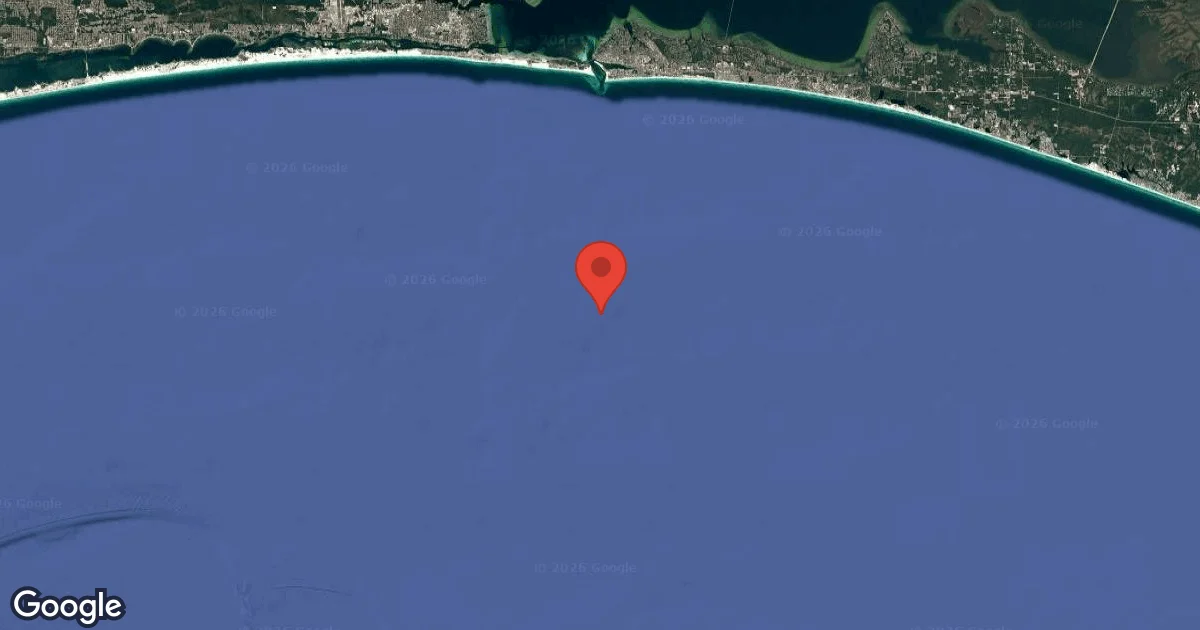
Beneath the surface off Miami, LAARS Site A presents a captivating underwater landscape built around two M60 Army Tanks and roughly 1060 tons of lime rock boulders. These structures, intentionally deployed in 1994 by the Department of Environmental Resource Management (DERM), have transformed into vibrant artificial reefs.
Over time, the tanks, despite their relatively short submersion, show significant aging, featuring substantial growth of spiny oysters, various sponges, and both hard and soft corals. Divers will find the combination of military history and burgeoning marine life a fascinating exploration. A dive here often begins as a static exploration of these unique structures, but it also functions as a potential starting point for a longer drift.
Such a drift could extend towards additional wrecks such as the Matthew Lawrence and Patricia, as well as the nearby Radio Tower pyramids. This dual nature — a static wreck investigation and a potential drift dive — provides flexibility for dive planning.
Exploring the tanks and surrounding boulder fields offers a chance to observe the transition of man-made objects into a dynamic sandy bottom habitat.
Conditions are Excellent
07:00 - 14:00
Optimal conditions expected
Current conditions near Laars Site a - M-60 Tank #10 show 26° air, 30° sea temperature, 0.4 m waves, and 24 km/h wind. Forecast data is refreshed regularly to ensure accuracy.
Best Time to Dive
Considering visibility, the period from April through September generally offers the most favorable conditions for diving this site. During these months, climate data indicates consistently 'Good' dive scores, often paired with lower average wave heights, which can contribute to clearer underwater views. Air temperatures during this peak season range comfortably, from 21°C (70°F) in April up to 29°C (84°F) in August. While October through March still provide 'Moderate' dive scores, characterized by air temperatures between 13.5°C (56°F) and 23.5°C (74°F), slightly higher wave activities are reported. Divers seeking optimal conditions for exploring the tanks should target the warmer, calmer months.
PEAK SEASON SCORE
Scores combine air & water temps, waves, wind & rainfall for overall conditions.
BEST MONTHS TO DIVE
Monthly records compiled from satellite and marine observation nodes over the last 3 years. Data provided by Open-Meteo and MET Norway.
Dive Experience & Conditions
The shallow environment characteristic of LAARS Site A consistently maintains a maximum depth of 4 meters (13 feet). Dives here almost always begin with a boat entry, guiding divers directly to the M60 tanks and surrounding lime rock boulders that form the core artificial reef. Water conditions are, as expected, saline ocean waters. Given the minimal depth, bottom time rarely becomes a primary concern, enabling ample exploration of the tanks and observation of the thriving marine life establishing itself across their surfaces. A distinct sandy bottom surrounds the structures, offering a visual contrast to the metal and rock. Divers should note that currents can vary, a factor especially relevant if considering a drift dive towards additional nearby wrecks. Surface conditions tend to be calmer in the preferred diving season, though local reports should always be checked for real-time current assessments. Visibility, while generally good during peak months, can decrease with stronger currents or recent weather events.
Dive Difficulty & Safety Guidelines
Diving the M-60 Tank #10 requires adherence to standard safe diving practices, especially around wreck structures, even at its shallow depth. While there are no specific hazards reported for this site, maintaining proper buoyancy control is crucial to avoid contact with the tanks and their delicate coral growth. Consulting with a local dive professional familiar with the site's present conditions is always recommended before any dive.
For those interested in penetrating the wrecks or further exploring the structures, PADI Wreck Diver training provides valuable skills and safety protocols.
Recommended Equipment
- Dive Computer
This gear list is based on verified equipment signals for Laars Site a - M-60 Tank #10, United States. Always confirm final gear choices with your dive operator, guide, or liveaboard.
Recommended Dive Suit
With water temperatures around 30°C (86°F), many divers find a dive skin or rash guard provides comfortable protection.
Being prepared with flexible exposure options is a common approach among experienced divers.
The next few days appear likely to bring similar environmental conditions.
Emergency & Medical Support
Essential information to help you plan your dive trip to LAARS Site A - M-60 Tank #10.

Hyperbaric chambers are a critical part of dive safety infrastructure. Availability varies significantly by region, and not all dive areas have immediate access.
Before diving, it's recommended to:
- confirm nearest medical facilities
- check emergency procedures with local dive operators
- ensure dive insurance covers evacuation if required
Divers Alert Network
Diving emergency assistance available through DAN World.
+1-919-684-9111- 24/7 emergency hotline
- Diving medical assistance
- Evacuation coordination
Emergency contacts are provided for reference. Always verify local emergency services before diving.
Marine Life at Laars Site a - M-60 Tank #10
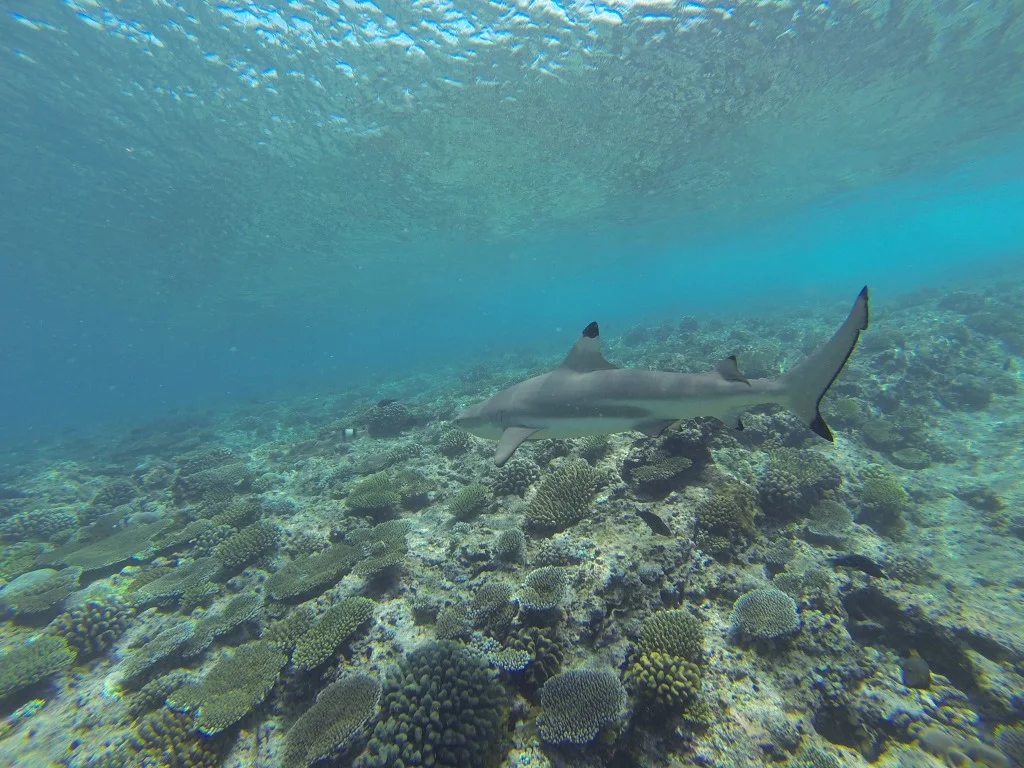
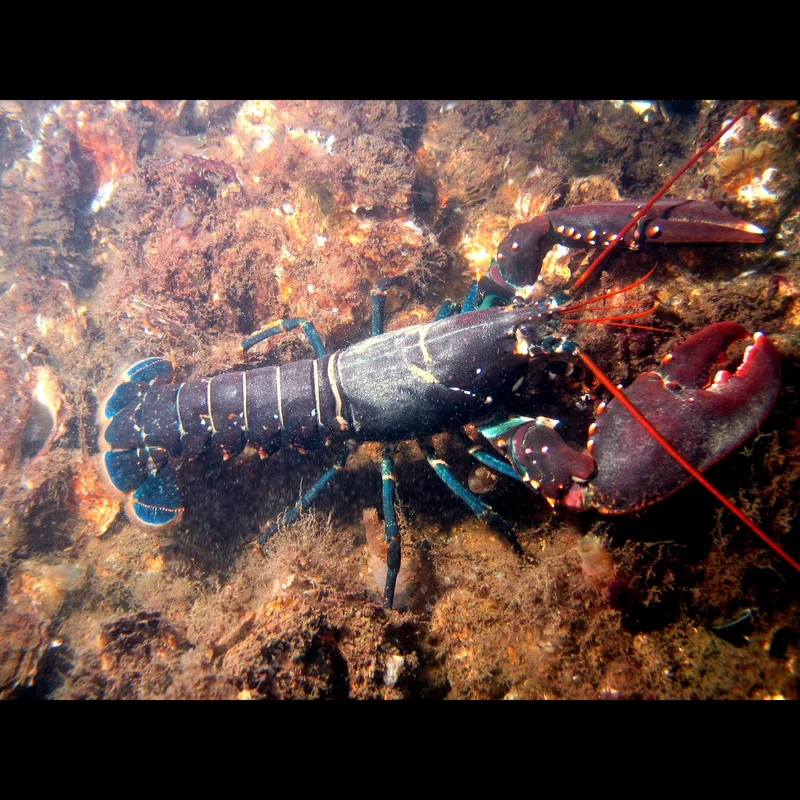
Upon descent, divers will likely first notice the impressive growth covering the M60 tanks. Lobsters are notably abundant, found both on the tanks themselves and within the protective crevices of the surrounding lime rock boulders.
The structures are heavily encrusted with spiny oysters, various sponges, and a developing array of both hard and soft corals. Beyond the immediate wreckage, common sightings include different reef fish and occasionally sharks, contributing to the site's dynamic ecosystem.
Dive Sites Near Laars Site a - M-60 Tank #10
View all dive sites in United StatesDiscover more underwater gems in this area.
Dive Centers Near Laars Site a - M-60 Tank #10
Today: 09:00 - 16:00
Nearest Airports
Nearest airports to help plan travel to this dive area.
Search Flights
Check available flights and routes on Expedia, using the nearby airports listed in this section.
Search Flights on ExpediaFrequently Asked Questions
What is the maximum depth at LAARS Site A?
At LAARS Site A, the maximum depth around the tanks is 4 meters (13 feet). This shallow profile allows for extended bottom times and less demanding dive plans, making it accessible for all certified divers. It’s well within recreational limits.
Is LAARS Site A suitable for new divers?
Yes, its minimal depth and generally calm conditions make it highly accessible for new and less experienced divers. The site allows for excellent buoyancy practice around the structures without the complexities of deeper environments. Always consult with a local dive shop or guide before your first dive here.
What kind of currents can be expected?
Currents at LAARS Site A can vary depending on local weather patterns and tides. While often mild, stronger currents can sometimes occur, particularly if planning a drift dive towards adjacent wrecks. Checking local dive reports before your dive provides the most accurate assessment.
Can divers penetrate the M60 tanks?
M60 tanks are relatively small and generally not recommended for penetration due to confined spaces and potential for entanglement. Divers should maintain a respectful distance, focusing on exterior growth and marine life. Specialized wreck diver training is advised for any overhead environments.
What marine life is most commonly seen on the tanks?
M60 tanks serve as a habitat for abundant marine life. Divers will frequently see significant populations of lobsters in crevices, along with widespread spiny oysters. Various sponges, soft corals, and hard corals colonize the tank surfaces, and reef fish are common residents.
How is visibility at the site?
Visibility at LAARS Site A is generally good, especially during the peak diving season from April to September. However, it can be influenced by recent weather, strong currents, or nearby boating activity. Underwater conditions can range from clear to moderately turbid depending on these factors.
Planning to dive Laars Site a - M-60 Tank #10?
Send one inquiry and receive offers directly from the best verified local dive operators.
Conditions are Excellent
07:00 - 14:00
Optimal conditions expected
Current conditions near Laars Site a - M-60 Tank #10 show 26° air, 30° sea temperature, 0.4 m waves, and 24 km/h wind. Forecast data is refreshed regularly to ensure accuracy.