
Diving at Lentine Reef (United States)
To effectively explore Lentine Reef, divers should anticipate a shallow reef environment often characterized by artificial structures designed to foster marine growth. Successful navigation here hinges on keen awareness of local currents, which vary, and good buoyancy control. Consider this a prime location for observing developing ecosystems, especially beneficial for those honing their underwater photography skills. Prepare for a relatively easy dive, but always maintain situational awareness.
Evening condition tracking at Lentine Reef features an air temperature of 25.5°C. We have recorded wave heights measuring 1.4 m during this period. These figures outline the environmental parameters currently present.
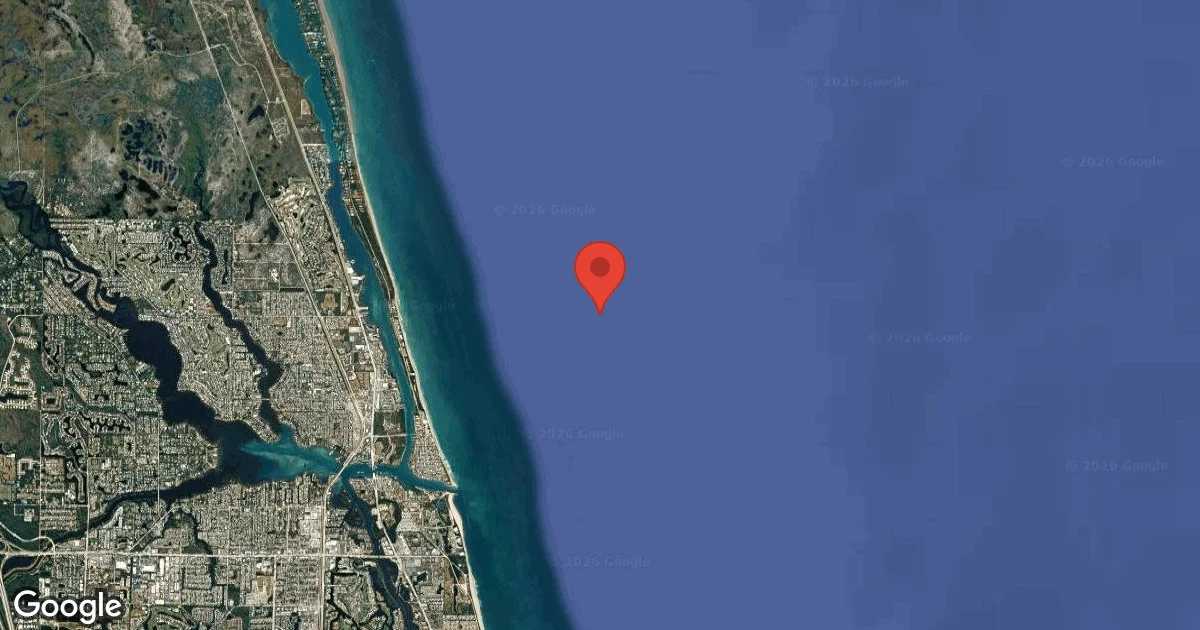
Dive Site Location & Key Facts
Dive Site Overview
Diving at Lentine Reef provides an opportunity to explore a developing artificial habitat, a characteristic feature of many dive sites in this region. These structures are specifically designed to promote coral and marine organism growth, effectively creating new ecosystems.
Dives here often remain within recreational depths, typically found around a maximum of 4 meters (13 feet) in similar regional sites. This shallow profile makes Lentine Reef accessible for a range of certification levels, from beginners to more experienced divers looking for extended bottom times. The environment supports a diverse array of smaller reef fish and provides shelter for various invertebrates.
Entry is predominantly by boat, offering access to different sections of the reef. Many regional operators conduct multiple daily trips, often visiting two distinct locations for about an hour each.
Night diving is also a possibility, revealing a different set of critters as the reef transitions after dusk.
Conditions are Moderate
Optimal conditions expected
Current conditions near Lentine Reef show 26° air, 30° sea temperature, 1.3 m waves, and 25 km/h wind. Forecast data is refreshed regularly to ensure accuracy.
Best Time to Dive
Planning a dive at Lentine Reef benefits from understanding seasonal climate patterns, which show distinct contrasts. The best dive scores are consistently reported from May through August, when conditions are generally favorable. During these months, average air temperatures range comfortably from 26°C to 28°C (79°F to 83°F), accompanied by minimal wave heights, averaging between 0.5 to 0.8 meters (1.6 to 2.6 feet). Wind speeds are also typically lower, averaging 15.4 to 18.6 km/h (9.6 to 11.6 mph), contributing to calmer surface conditions. In contrast, months like October see a moderate dive score due to higher average wave heights, reaching up to 1.6 meters (5.2 feet), and increased wind speeds around 21.6 km/h (13.4 mph). Rainfall tends to be higher in late summer and early fall, particularly in September, though it rarely significantly impacts diveability. While water temperature data isn't consistently reported, the warm air temperatures during peak season suggest comfortable in-water conditions.
PEAK SEASON SCORE
Scores combine air & water temps, waves, wind & rainfall for overall conditions.
BEST MONTHS TO DIVE
Monthly records compiled from satellite and marine observation nodes over the last 3 years. Data provided by Open-Meteo and MET Norway.
Dive Experience & Conditions
The dive experience at Lentine Reef is primarily characterized by its shallow nature, allowing for extended bottom times and a relaxed pace. Maximum depths in similar regional reef systems are typically around 4 meters (13 feet), making it ideal for new divers or those seeking less demanding profiles. Conditions tend to be benign, with relatively low wave heights for much of the year, particularly during summer. These generally calm surface conditions contribute to better visibility, though local factors can always introduce variability. You'll navigate over and around various artificial structures that form the foundation of the reef. Strong currents are not consistently reported for these types of shallow, inshore reefs, but divers should always be prepared for moderate water movement, especially around tidal changes or during windy periods. The salt water environment is typical for coastal Florida, hosting a variety of common reef inhabitants.
Dive Difficulty & Safety Guidelines
Diving responsibly at Lentine Reef involves adhering to standard safety practices for shallow reef environments. Given the boat-entry nature of many regional dives, always listen to your dive master's briefing concerning entry and exit procedures. Maintaining adequate buoyancy control is crucial to avoid contact with the delicate artificial structures and developing marine life.
It's recommended that divers hold active Diver's Alert Network (DAN) insurance; many local operators require proof of membership for participation due to the comprehensive emergency coverage it provides. While not explicitly listed as a hazard for this specific site, being aware of local boat traffic in transit areas is always prudent.
Respect any designated 'no-take' zones, and practice responsible interaction with all marine organisms.
Recommended Equipment
- Dive Computer
This gear list is based on verified equipment signals for Lentine Reef, United States. Always confirm final gear choices with your dive operator, guide, or liveaboard.
Recommended Dive Suit
The latest conditions reported around Lentine Reef place the water temperature close to 30°C (85°F). Surface air temperatures are resting at 26°C (78°F).
Dive skin or rash guard is generally considered suitable for water temperatures like this. Consider warmer surface protection (like a boat coat) due to brisk winds.
Conditions in the coming days are expected to stay within a similar temperature range.
Due to technical issues with our weather providers, live updates are temporarily delayed. The data above reflects the conditions at the time of the last successful fetch.
Emergency & Medical Support
Essential information to help you plan your dive trip to Lentine Reef.

Hyperbaric chambers are a critical part of dive safety infrastructure. Availability varies significantly by region, and not all dive areas have immediate access.
Before diving, it's recommended to:
- confirm nearest medical facilities
- check emergency procedures with local dive operators
- ensure dive insurance covers evacuation if required
Divers Alert Network
Diving emergency assistance available through DAN World.
+1-919-684-9111- 24/7 emergency hotline
- Diving medical assistance
- Evacuation coordination
Emergency contacts are provided for reference. Always verify local emergency services before diving.
Marine Life at Lentine Reef
Lentine Reef, like other artificial reef systems in the region, functions as a dynamic habitat for a range of marine species. Divers can anticipate encountering various small, colorful reef fish taking shelter among the structures.
It's not uncommon to spot juvenile fish and large schools of baitfish, which attract larger predators. Tropical reef fish are a common sight, contributing to the vibrant ecosystem.
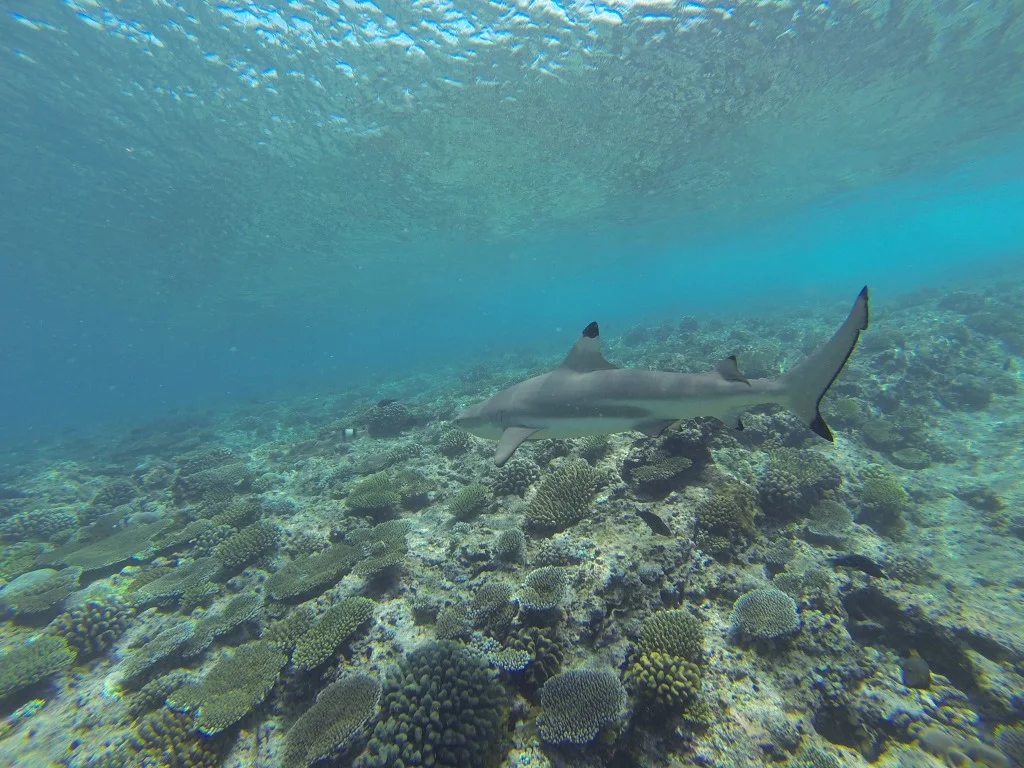
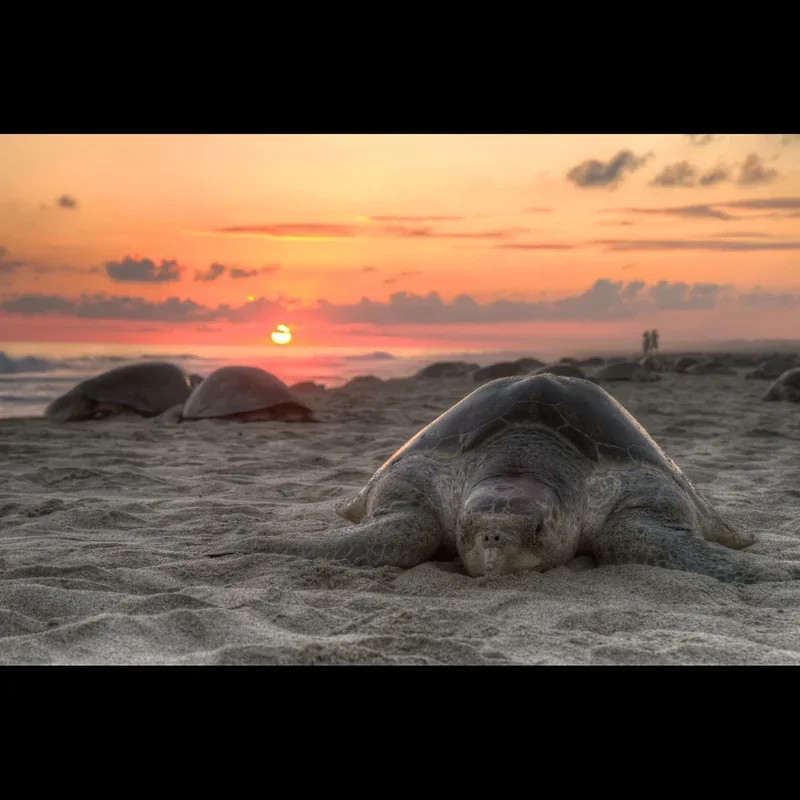
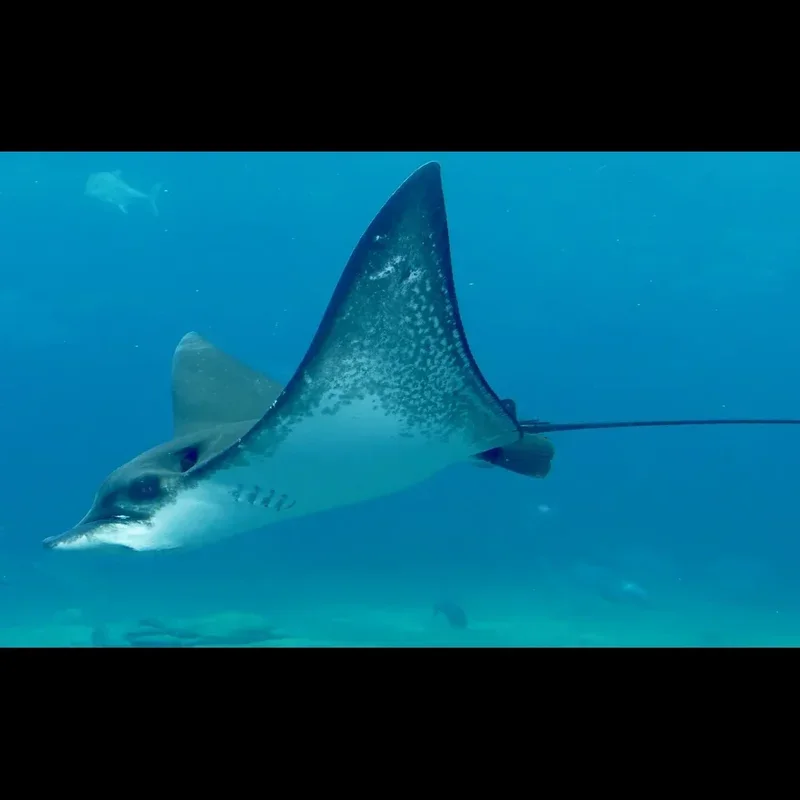
Sea turtles are frequently observed in the vicinity, often foraging or resting. Depending on the season and luck, divers might also encounter bottlenose dolphins, eagle rays, and occasionally even sharks or whales, as these larger marine animals traverse the broader coastal waters.

Dive Sites Near Lentine Reef
View all dive sites in United StatesDiscover more underwater gems in this area.
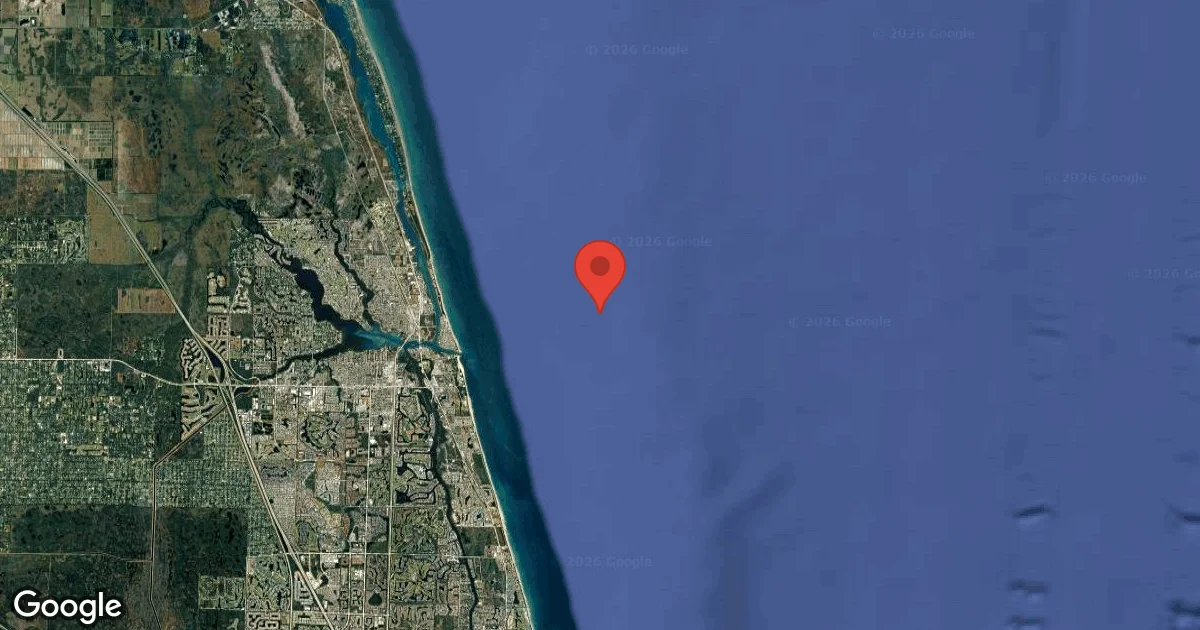
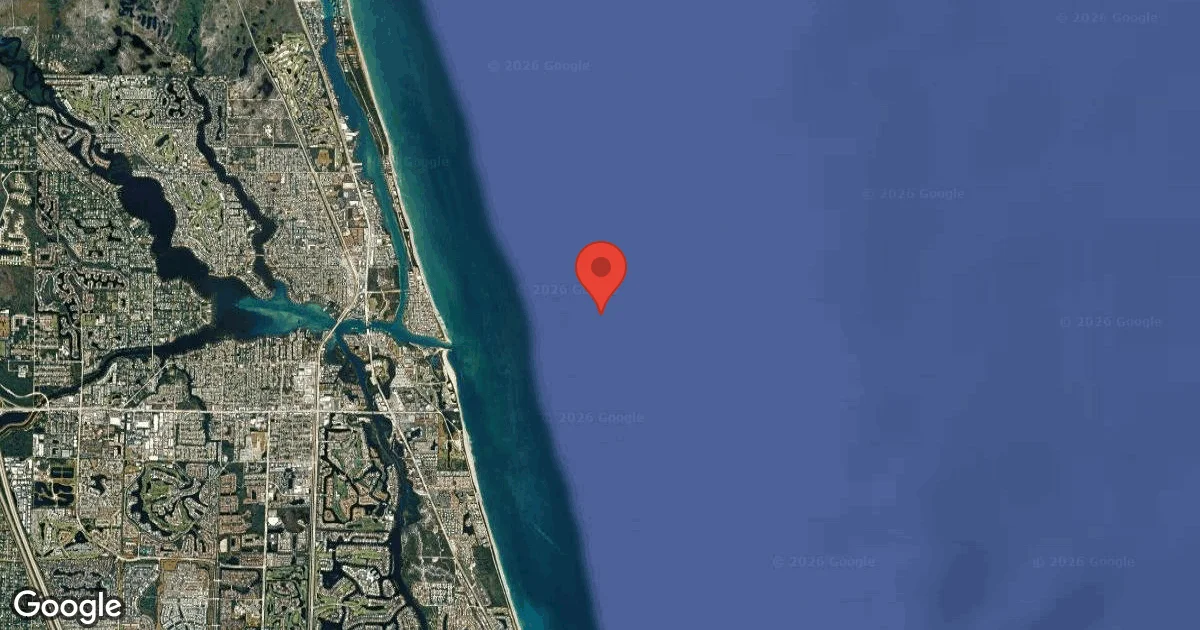
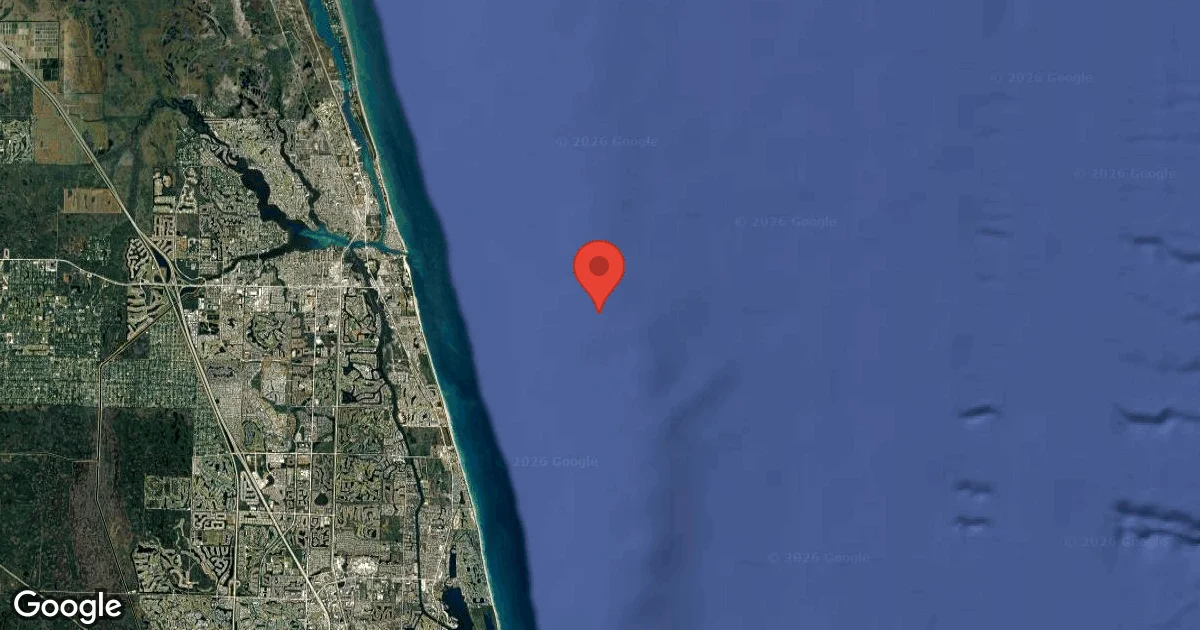
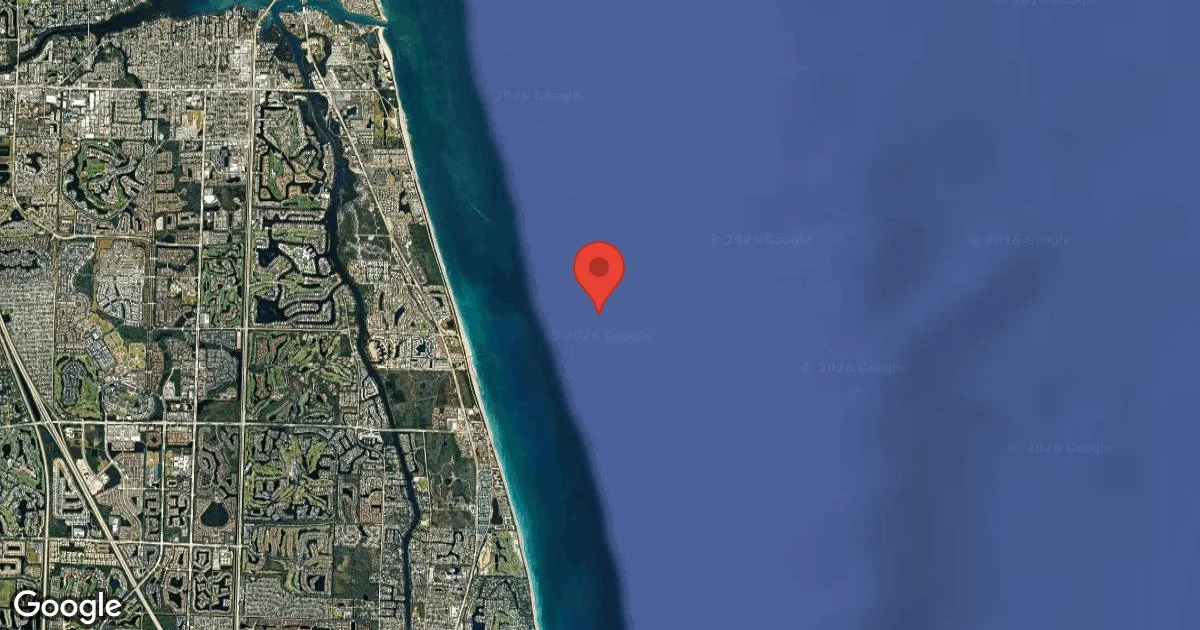
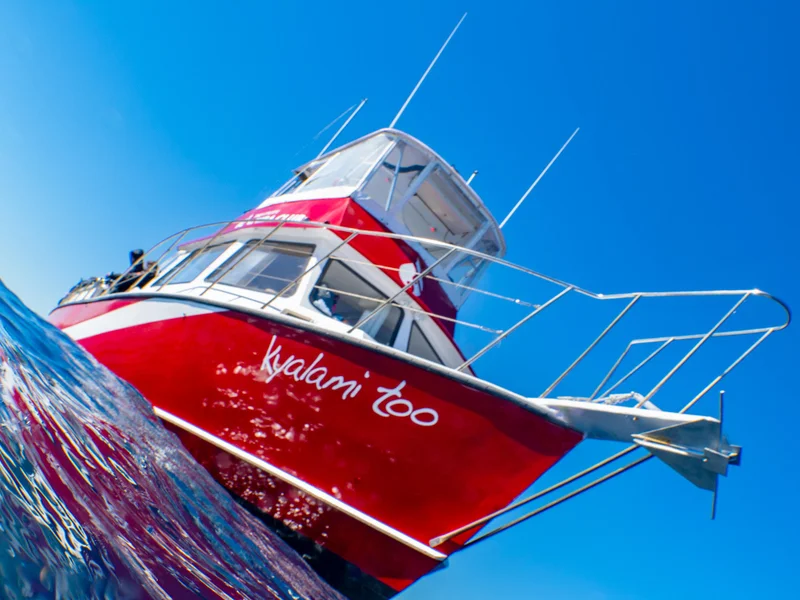
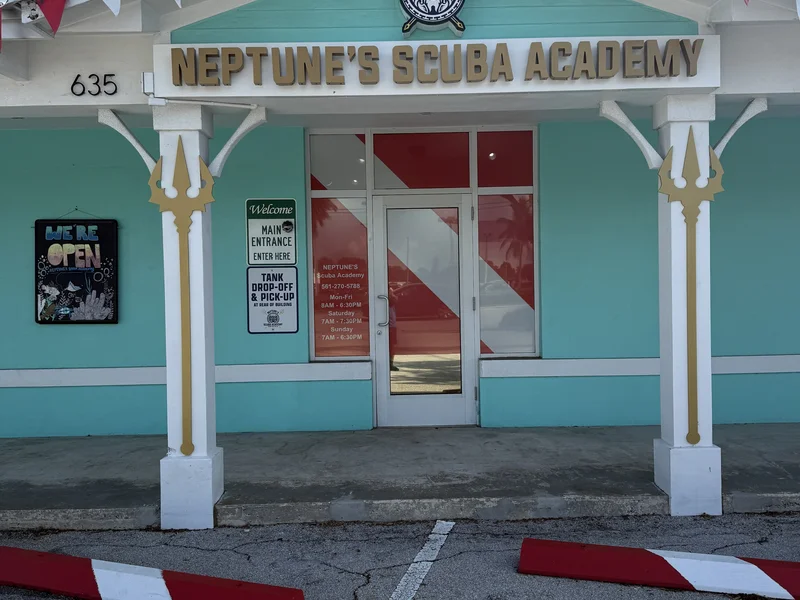
Dive Centers Near Lentine Reef
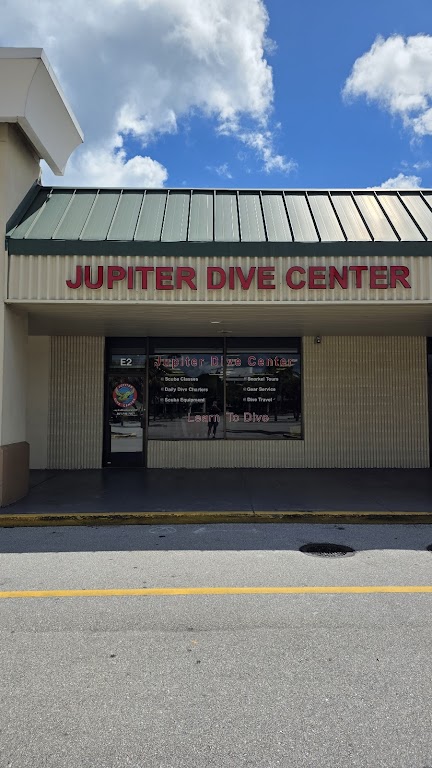
Today: 10:00 - 18:00
Nearest Airports
Nearest airports to help plan travel to this dive area.
Search Flights
Check available flights and routes on Expedia, using the nearby airports listed in this section.
Search Flights on Expedia
Plan Your Stay
Looking for a place to stay for your dive trip? Explore hotels, stays, and vacation rentals for dive groups near Jupiter Island.
Dive Navigator may earn a commission from these links at no extra cost to you.
Frequently Asked Questions
What is the typical depth at Lentine Reef?
Lentine Reef is a shallow dive site. Similar regional reefs often feature maximum depths around 4 meters (13 feet), making it suitable for divers of various experience levels.
Is Lentine Reef suitable for beginner divers?
Yes, its shallow nature and generally calm conditions make it well-suited for beginners and those looking to gain more experience. It's an excellent site for leisurely dives and underwater photography.
What kind of marine life can I expect to see?
You can expect to see a variety of tropical reef fish, sea turtles, and large schools of baitfish. Encounters with larger species like dolphins, eagle rays, or even sharks are possible, though less frequent.
Do I need special equipment for diving here?
Standard recreational dive gear is sufficient. Given the developing artificial structures, some divers may prefer gloves for accidental contact, but touching is discouraged. A camera is highly recommended to capture the developing ecosystem.
Are there guided dives available at Lentine Reef?
Many regional operators offer boat trips to reef sites, but guided dives are often only provided upon request or for private bookings for shallow reefs. Most certified divers explore independently within the group.
What are the water conditions like?
Water conditions are generally favorable, with lower wave heights and lighter winds throughout much of the year, particularly during summer. Water temperature data isn't consistently reported, but warm air temperatures suggest comfortable in-water conditions.
Planning to dive Lentine Reef?
Send one inquiry and receive offers directly from the best verified local dive operators.
Conditions are Moderate
Optimal conditions expected
Current conditions near Lentine Reef show 26° air, 30° sea temperature, 1.3 m waves, and 25 km/h wind. Forecast data is refreshed regularly to ensure accuracy.