
Diving at Tunnels (United States)
Beneath Kauai's verdant north shore lies Tunnels Beach, a captivating underwater realm also known as Makena Beach. This site provides an accessible, yet rewarding adventure for divers exploring its unique geological formations. Characterized by a distinctive horseshoe-shaped reef, Tunnels Beach offers a protected environment while revealing intricate lava tubes and a vibrant coral ecosystem. It's considered a premier shore diving destination on the island, suitable for varying skill levels.
Tonight's objective overview for Tunnels shows an air temperature of 26.5°C. The measured surface conditions include wave heights around 1.1 m. This environmental data is logged for the close of the day.
Dive Site Location & Key Facts
Dive Site Overview
A distinct horseshoe-shaped reef at Tunnels Beach forms a natural break, creating a sheltered environment for exploration. Divers will discover an intricate network of lava tubes, caves, and tunnels that give the site its name, providing fascinating swim-throughs and unique habitats.
Tunnels Beach is suitable for a wide range of certifications, with a depth profile typically ranging from 6 to 21 m (20 to 70 ft). Its reef system features both hard and soft corals, forming a diverse habitat that supports an array of species, making each descent a journey into a vibrant underwater world. Exploring the inner reef is often best attempted at high tide, which allows for easier navigation across shallower sections and provides a more protected experience.
For those venturing further, an outer reef presents more dramatic caves, arches, and additional swim-throughs, accessible by following the horseshoe bend towards boat moorings on the western side. Strong easterly to westerly currents are nearly always present due to prevailing NE trade winds, significantly influencing dive planning.
Starting dives from the east side of the beach is recommended; the current will then gently push divers westward toward the main diving areas, where conditions tend to calm down, enabling a more relaxing exploration of the reef's rich topography.
Conditions are Good
Optimal conditions expected
Current conditions near Tunnels show 26° air, 30° sea temperature, 0.9 m waves, and 14 km/h wind. Forecast data is refreshed regularly to ensure accuracy.
Best Time to Dive
Optimal visibility for diving at Tunnels Beach typically occurs during the summer months, roughly from May through September. During this period, the ocean generally experiences calmer conditions, and wave heights are lower, averaging around 0.6 to 0.9 meters (2.0 to 3.0 feet) in July and August. Air temperatures during these months are also more pleasant, ranging from approximately 26°C (79°F) in May to 28°C (82°F) in August, making for comfortable surface intervals. While rainfall can occur, particularly seeing slightly higher averages in June and September, it doesn't consistently impede dive scores, which generally remain "Good" to "Moderate" throughout much of the year, only dipping further in October and December. Consulting local advisories for wind, tides, and swells is always advisable before heading out, as conditions can shift quickly. Diving at or near high tide can also significantly improve access and overall conditions for exploring both the inner and upper reef sections.
PEAK SEASON SCORE
Scores combine air & water temps, waves, wind & rainfall for overall conditions.
BEST MONTHS TO DIVE
Monthly records compiled from satellite and marine observation nodes over the last 3 years. Data provided by Open-Meteo and MET Norway.
Dive Experience & Conditions
Recreational divers will find Tunnels Beach generally accessible, with depths ranging from the shallower inner reef to the deeper outer reef sections. The primary dive area is between 6 and 21 meters (20 to 70 ft). Conditions can vary significantly; strong northeast trade winds often create easterly to westerly currents. It's recommended to begin your dive from the east side of the beach and allow the current to gently guide you towards the western sections where the best diving is found and currents tend to diminish. Exploring the inner and upper reef areas is usually best accomplished at high tide, providing a protected environment. Venturing to the outer reef offers more dramatic caves and arches, but divers should ensure they are comfortable with potential currents during transit. The site supports easy to intermediate dive types, but vigilance regarding changing conditions is crucial for a rewarding experience.
Dive Difficulty & Safety Guidelines
Navigating the currents at Tunnels Beach requires careful consideration; heavy currents can be prevalent throughout the year. Always check local wind, tide, and swell advisories, including NOAA ocean advisories, before entering the water.
Due to recent regulations implemented in early 2024, commercial trips and dive guides to Tunnels Beach are prohibited. Divers planning to visit independently should seek firsthand advice from experienced local staff regarding current conditions and appropriate dive plans.
Protecting the fragile reef microsystems is paramount; divers must never stand on the reef, even if it appears to be stone. Maintaining neutral buoyancy is essential.
Regardless of whether snorkeling or scuba diving, carrying a whistle and an SMB (Surface Marker Buoy) is highly recommended for safety.
Recommended Equipment
Current and surface separation risk. Local briefing strongly recommended.
- Dive Computer
- DSMB
- Reel / Spool
This gear list is based on verified equipment signals for Tunnels, United States. Always confirm final gear choices with your dive operator, guide, or liveaboard.
Recommended Dive Suit
With water temperatures around 30°C (85°F), many divers find a dive skin or rash guard provides comfortable protection.
Divers performing multiple dives may appreciate slightly warmer protection later in the day.
Forecast models indicate that diving conditions should remain largely unchanged.
Due to technical issues with our weather providers, data hasn't been fetched for over 48 hours. The data above reflects the conditions at the time of the last successful fetch.
Emergency & Medical Support
Essential information to help you plan your dive trip to Tunnels.

Hyperbaric chambers are a critical part of dive safety infrastructure. Availability varies significantly by region, and not all dive areas have immediate access.
Before diving, it's recommended to:
- confirm nearest medical facilities
- check emergency procedures with local dive operators
- ensure dive insurance covers evacuation if required
Divers Alert Network
Diving emergency assistance available through DAN World.
+1-919-684-9111- 24/7 emergency hotline
- Diving medical assistance
- Evacuation coordination
Emergency contacts are provided for reference. Always verify local emergency services before diving.
Marine Life at Tunnels
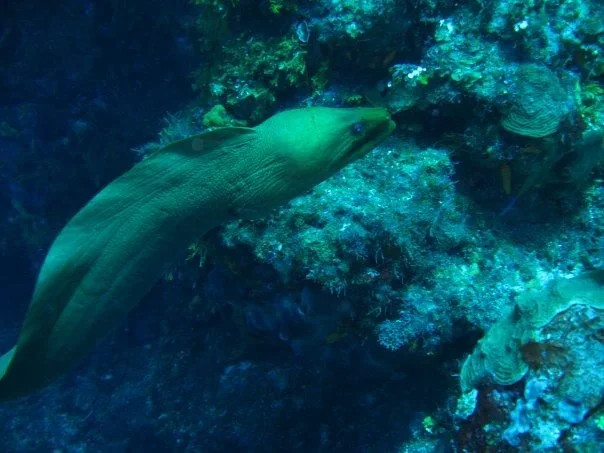
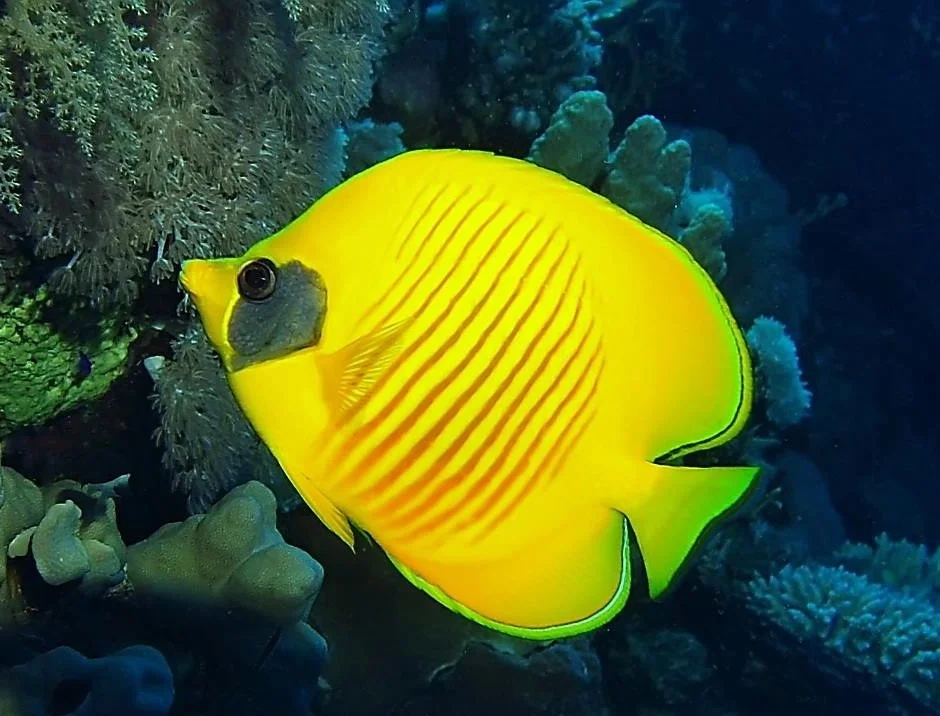
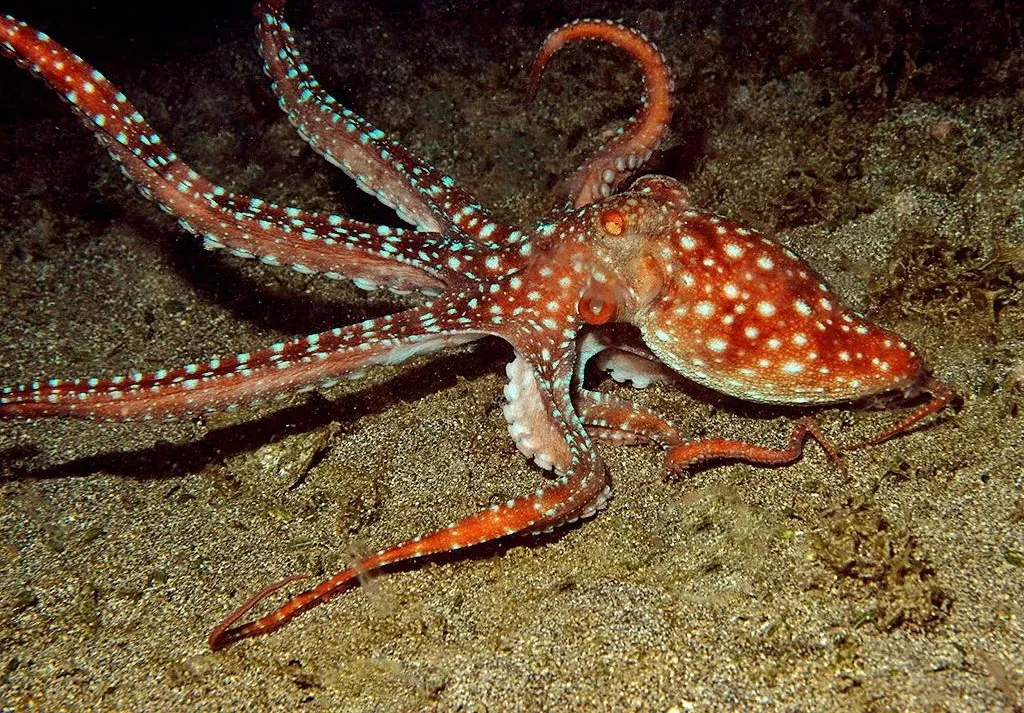
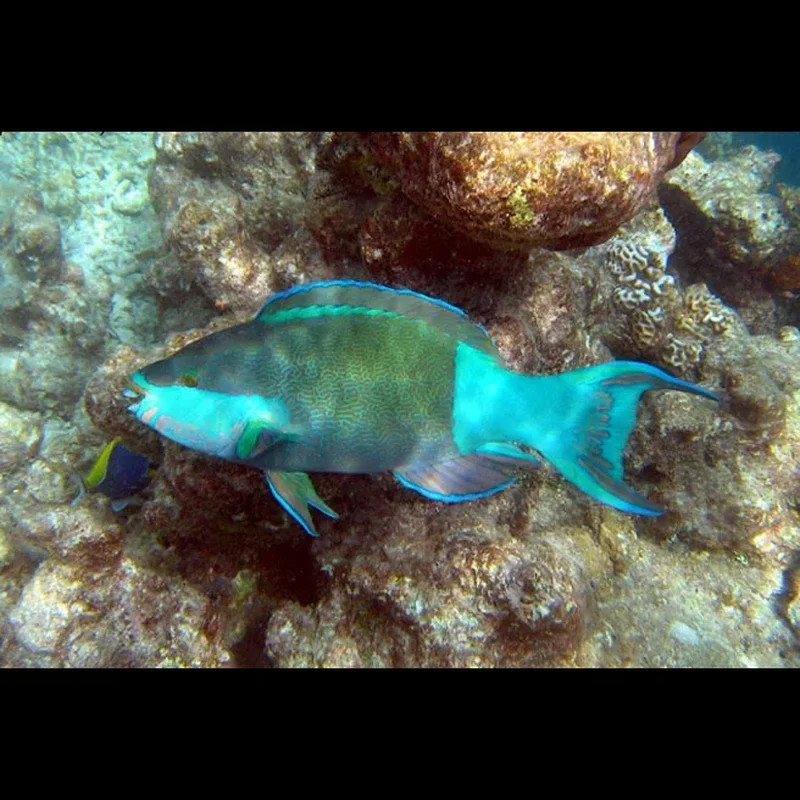
Exploring Tunnels Beach's intricate underwater landscape reveals a vibrant marine ecosystem. The diverse reef system, composed of both hard and soft corals, provides shelter for numerous species.
Divers often encounter schools of tropical fish, such as parrotfish and butterflyfish, darting among the coral formations. While navigating the lava tubes and caves, keep an eye out for occasional sightings of more elusive creatures like moray eels and octopuses.
The protected inner reef and more dramatic outer reef areas each host a rich variety of life, making Tunnels Beach a captivating site for observing Hawaiian marine biodiversity.

Dive Sites Near Tunnels
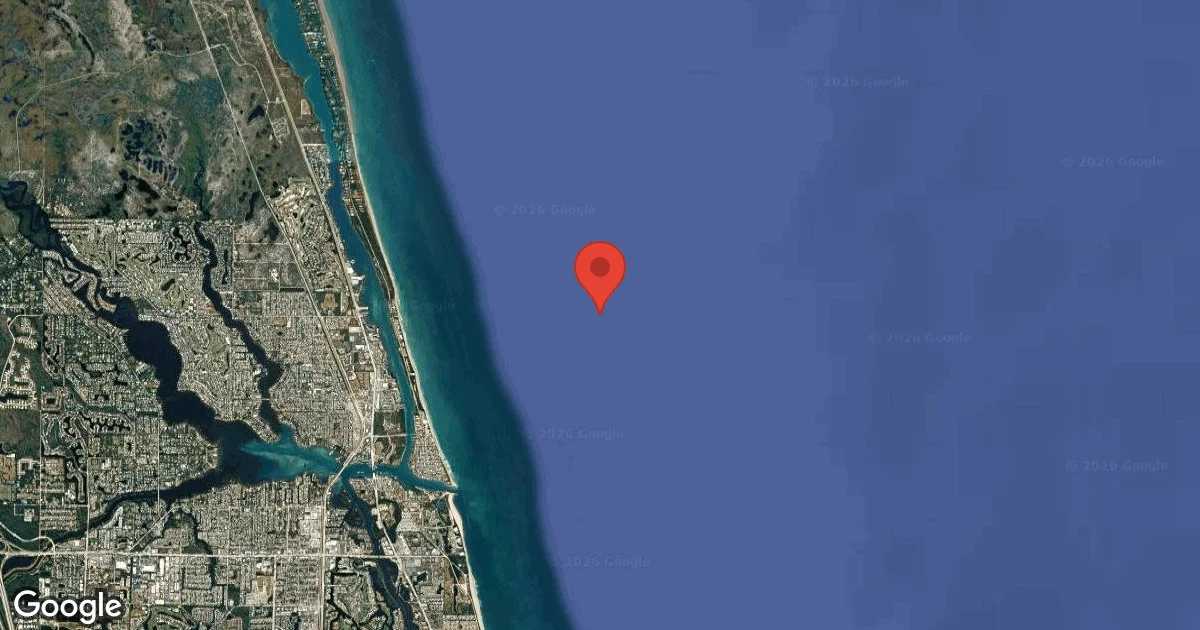
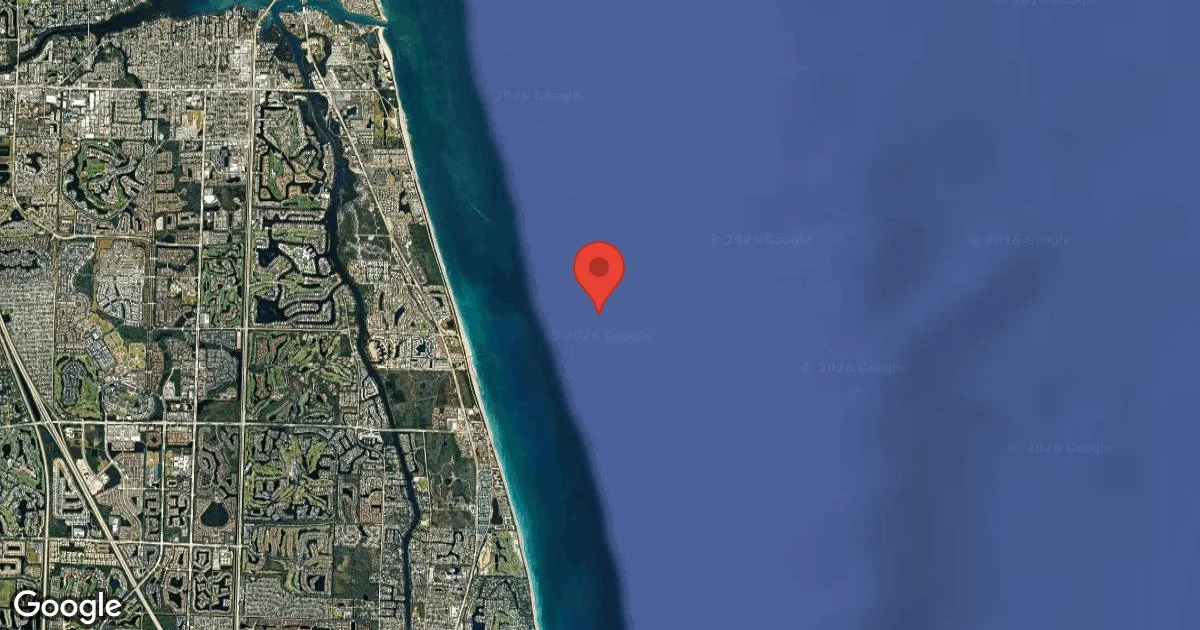
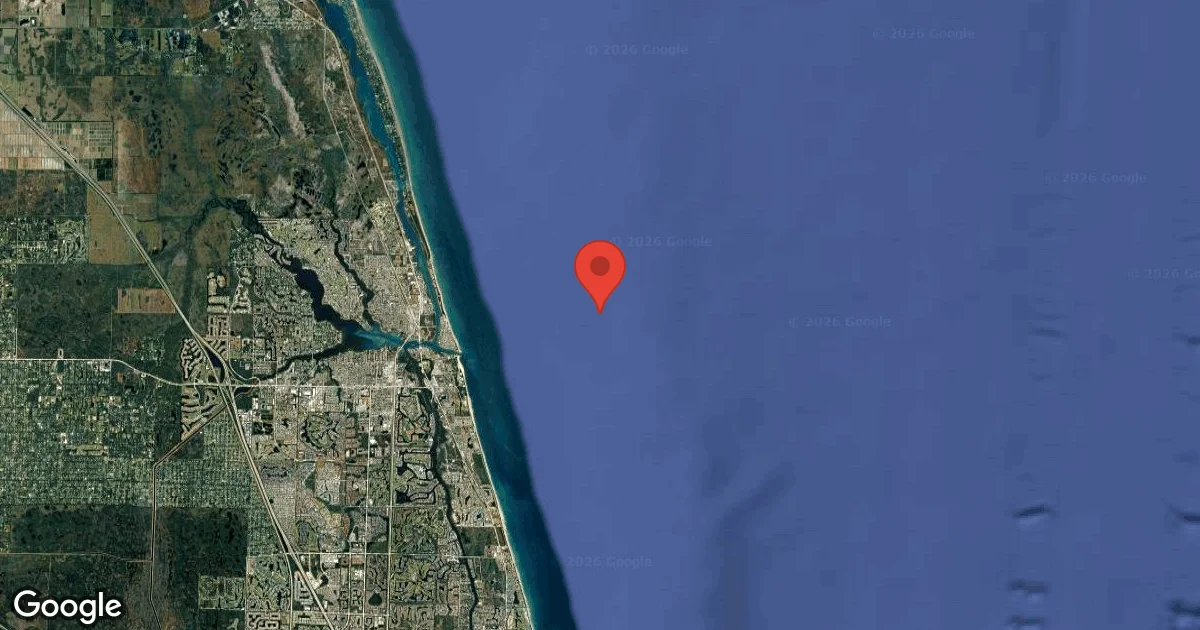
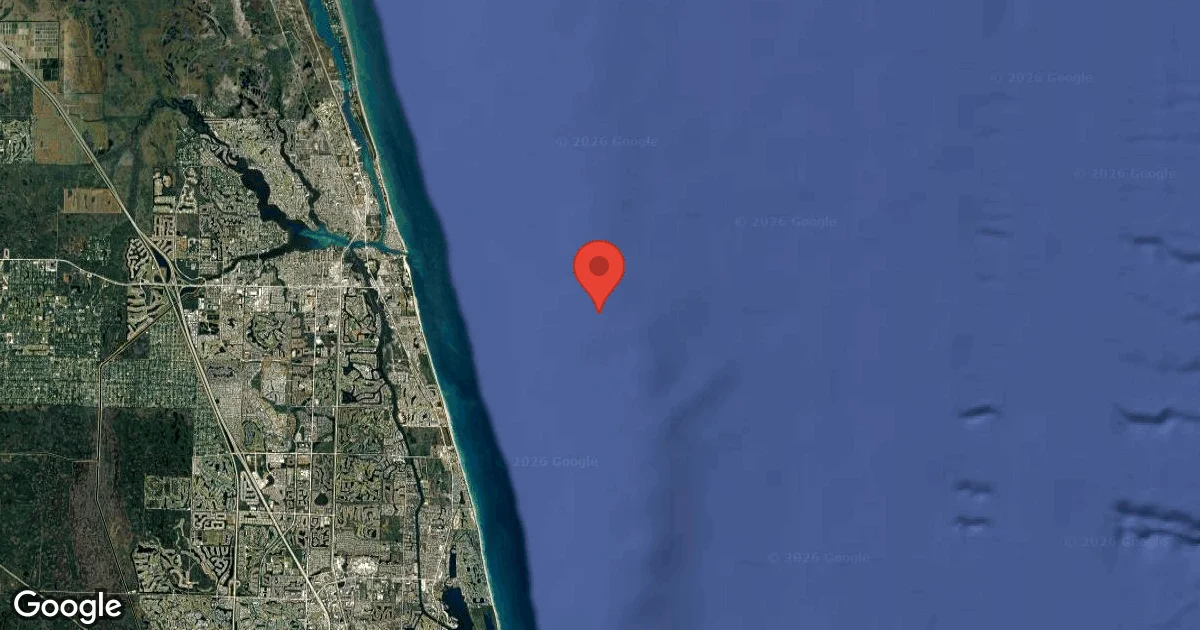
View all dive sites in United StatesDiscover more underwater gems in this area.
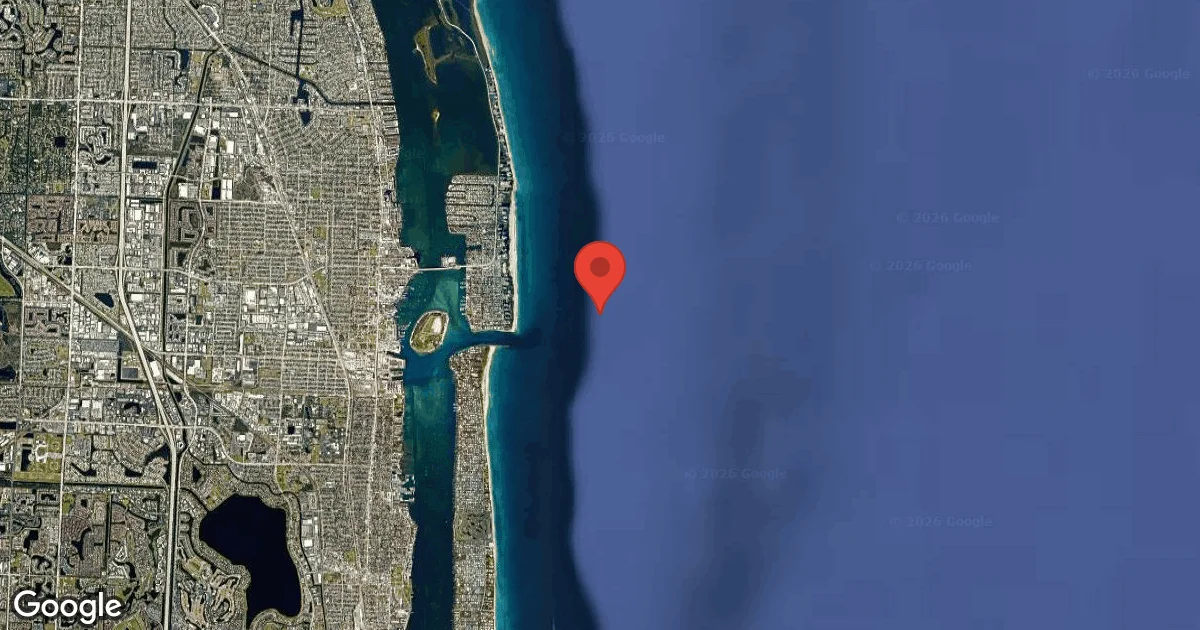
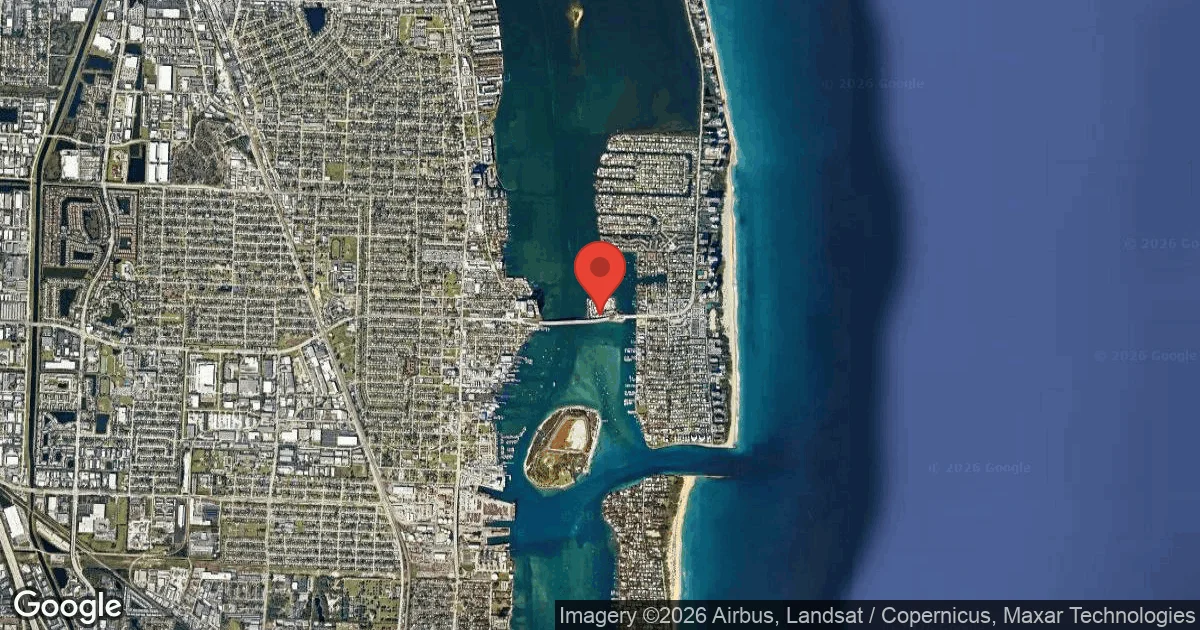
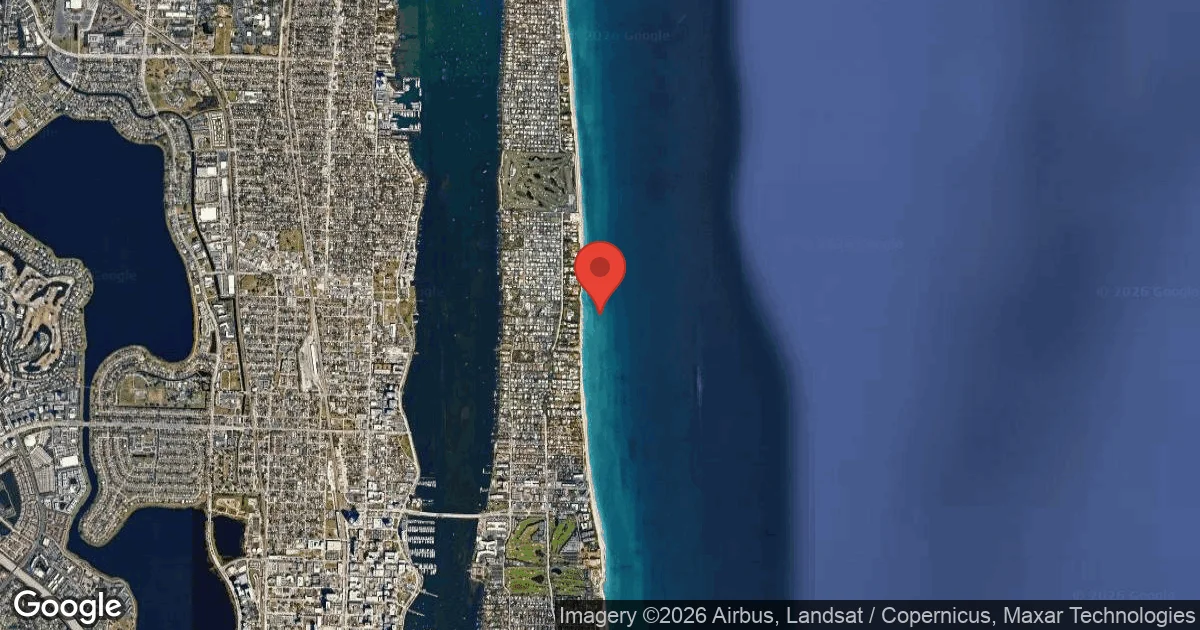
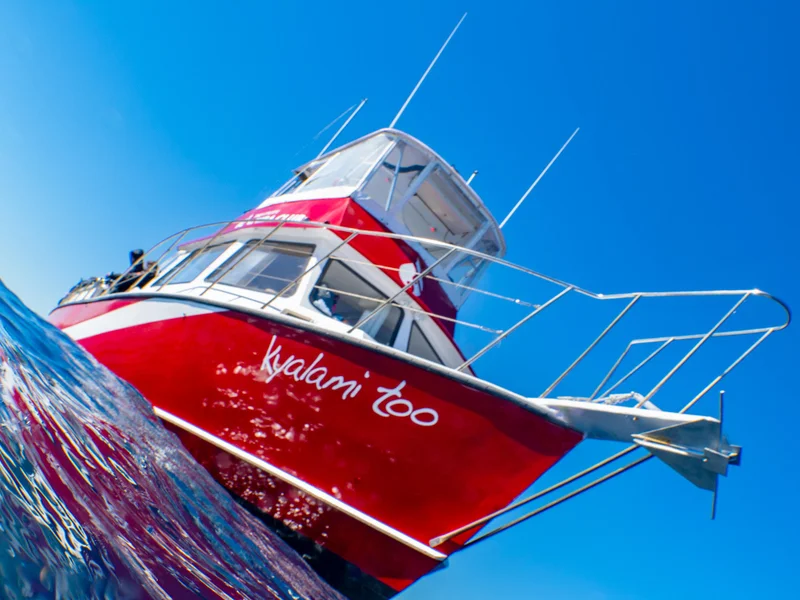
Dive Centers Near Tunnels

Today: 10:00 - 18:00
Nearest Airports
Nearest airports to help plan travel to this dive area.
Search Flights
Check available flights and routes on Expedia, using the nearby airports listed in this section.
Search Flights on Expedia
Plan Your Stay
Looking for a place to stay for your dive trip? Explore hotels, stays, and vacation rentals for dive groups near Tequesta.
Dive Navigator may earn a commission from these links at no extra cost to you.
Frequently Asked Questions
What are the typical depths at Tunnels Beach?
Tunnels Beach offers a recreational depth range, typically between 6 to 21 m (20 to 70 ft). This makes it suitable for both novice and experienced divers looking to explore its varied topography.
Is Tunnels Beach suitable for beginner divers?
Yes, Tunnels Beach caters to divers of varying experience levels. Its inner reef offers a protected environment, while the outer reef and tunnels can present more intermediate conditions, particularly with currents.
What kind of marine life can be seen at Tunnels Beach?
The site is home to diverse marine life, including schools of tropical fish like parrotfish and butterflyfish. Moray eels and octopuses are sometimes spotted within the lava tubes and reef formations.
What are the best conditions for diving Tunnels Beach?
The best conditions are typically found during the summer months, from May to September, when the ocean is calmer and visibility is at its peak. Diving at or near high tide can also improve access and conditions.
Are there currents at Tunnels Beach?
Yes, easterly to westerly currents are almost always present due to the prevailing NE trade winds. It's recommended to start your dive on the east side to let the current assist your movement westward.
Are commercial guided dives available at Tunnels Beach?
As of early 2024, commercial trips and dive guides to Tunnels Beach are prohibited. Divers are advised to seek local advice for safe, independent diving procedures.
Planning to dive Tunnels?
Send one inquiry and receive offers directly from the best verified local dive operators.
Conditions are Good
Optimal conditions expected
Current conditions near Tunnels show 26° air, 30° sea temperature, 0.9 m waves, and 14 km/h wind. Forecast data is refreshed regularly to ensure accuracy.