
Diving at Jupiter Atlantic Ocean (United States)
Descending into Jupiter's Atlantic waters often brings a tangible sense of the powerful ocean currents. Visibility can range widely, sometimes offering expansive views of the deep-water ledge formations stretching north and south. The movement of the Gulf Stream's western edge defines the dive, dictating a dynamic experience where timing and precision are key for navigating specific sites. It’s a feeling of being part of a larger, ever-moving marine environment.
Evening condition tracking at Jupiter Atlantic Ocean features an air temperature of 26°C. We have recorded wave heights measuring 1.3 m during this period. These figures outline the environmental parameters currently present.
Dive Site Location & Key Facts
Dive Site Overview
Jupiter's Atlantic Ocean presents a diverse underwater topography, offering year-round opportunities for substantial marine life encounters alongside challenging dive conditions. A unique blend of migratory shark activity, seasonal goliath grouper aggregations, and macro-level discoveries characterize this environment.
Prominent sites include 'The Hole-in-the-Wall,' a significant cave carved into a deep-water ledge. This site drops from 36 m (120 ft) at its top to a maximum depth of 45 m (150 ft). Its eastern face features a 12-meter-wide by 3-meter-high opening, extending approximately 10 to 12 meters inward before a sharp right turn leads to an exit point.
Currents are frequently shaped by a persistent north-flowing Gulf Stream, often between one and two knots, making drift diving the standard approach. This necessitates careful boat operations to ensure divers are dropped accurately up-current, allowing for a precise descent to the target feature.
When strong currents prove too overwhelming for deeper sites like 'The Hole,' charters commonly pivot to alternative recreational depth dives. These typically include the Jupiter Wreck Trek, encompassing the Zion Train and Esso Bonaire wrecks, or the Princes Ann wreck, often found around 33.5 m (110 ft).
Each of these locations contributes to the region's reputation for compelling underwater exploration.
Conditions are Good
Optimal conditions expected
Current conditions near Jupiter Atlantic Ocean show 26° air, 29° sea temperature, 0.9 m waves, and 15 km/h wind. Forecast data is refreshed regularly to ensure accuracy.
Best Time to Dive
Planning a dive in Jupiter largely depends on the specific marine life encounters desired, though general conditions lean favorably towards the spring and summer months. Historically, May through August offers the most consistent 'Good' dive scores, with lower average wave heights often below 1 meter (3.3 ft) and lighter wind speeds, typically around 15-18 km/h (9-11 mph). Air temperatures during these months are also pleasantly warm, averaging between 26-28°C (79-82°F), making surface intervals more comfortable. Rain, while present, tends to be manageable during this period. For those seeking specific spectacles, lemon shark migration occurs in the winter, turtle mating season in the spring, and the impressive goliath grouper aggregation in late summer. Conversely, October and December often show 'Moderate' dive scores, influenced by higher wave heights, sometimes exceeding 1.6 meters (5.2 ft), and increased wind speeds, reaching around 20 km/h (12 mph). Water temperatures vary seasonally and are not consistently reported in our dataset; however, the regional climate suggests warm conditions are generally present throughout the year for diving.
PEAK SEASON SCORE
Scores combine air & water temps, waves, wind & rainfall for overall conditions.
BEST MONTHS TO DIVE
Monthly records compiled from satellite and marine observation nodes over the last 3 years. Data provided by Open-Meteo and MET Norway.
Dive Experience & Conditions
Experiencing Jupiter's dive sites demands proficiency in current management and precise buoyancy control. Diving here frequently involves negotiating a north-flowing current from the Gulf Stream, which can reach 1-2 knots, transforming most dives into drifts. For example, the 'Hole-in-the-Wall' site requires divers to time their descent perfectly, aiming to arrive just up current of the cave entrance at depths extending to around 45 m (150 ft). This challenging environment is not suitable for novice divers, as the currents and depths necessitate advanced training. Conditions can shift, with currents occasionally becoming too strong to safely attempt deeper sites. Under such circumstances, dive operators will typically switch to shallower, more protected locations, ensuring diver safety remains paramount. Navigating these submerged ledge formations while drifting provides an immersive perspective on the abundant marine ecosystem.
Dive Difficulty & Safety Guidelines
Approaching dives in Jupiter, particularly advanced sites like 'The Hole-in-the-Wall,' requires careful consideration of personal skill level and current conditions. This specific site is categorized as a technical dive, often entailing decompression profiles for advanced nitrox and rebreather divers due to its maximum depth. The persistent currents, sometimes reaching two knots, mean that precise boat drops and excellent drift diving skills are not merely recommended but essential for safe navigation and reaching designated targets.
Dive operators will prioritize safety, and if currents are deemed too strong or unpredictable, a 'Plan B' dive to alternative sites will be implemented. Divers should always plan thoroughly, review site conditions with their dive operator, and maintain strict adherence to dive plans, especially when exploring deeper areas or drift scenarios.
Recommended Equipment
- Dive Computer
- DSMB
This gear list is based on verified equipment signals for Jupiter Atlantic Ocean, United States. Always confirm final gear choices with your dive operator, guide, or liveaboard.
Recommended Dive Suit
With water temperatures around 29°C (85°F), many divers find a dive skin or rash guard provides comfortable protection.
Divers performing multiple dives may appreciate slightly warmer protection later in the day.
Forecast models indicate that diving conditions should remain largely unchanged.
Emergency & Medical Support
Essential information to help you plan your dive trip to Jupiter Atlantic Ocean.

Hyperbaric chambers are a critical part of dive safety infrastructure. Availability varies significantly by region, and not all dive areas have immediate access.
Before diving, it's recommended to:
- confirm nearest medical facilities
- check emergency procedures with local dive operators
- ensure dive insurance covers evacuation if required
Divers Alert Network
Diving emergency assistance available through DAN World.
+1-919-684-9111- 24/7 emergency hotline
- Diving medical assistance
- Evacuation coordination
Emergency contacts are provided for reference. Always verify local emergency services before diving.
Marine Life at Jupiter Atlantic Ocean
Jupiter's Atlantic waters are a vibrant ecosystem, attracting diverse marine species throughout the year. The spring months usher in turtle mating season, offering opportunities to observe loggerhead sea turtles, which also nest extensively on nearby Juno Beach.
Late summer brings the spectacular goliath grouper aggregation, a seasonal event drawing these massive fish to specific areas. As winter arrives, lemon sharks migrate through the region, adding to the roster of large aquatic life.
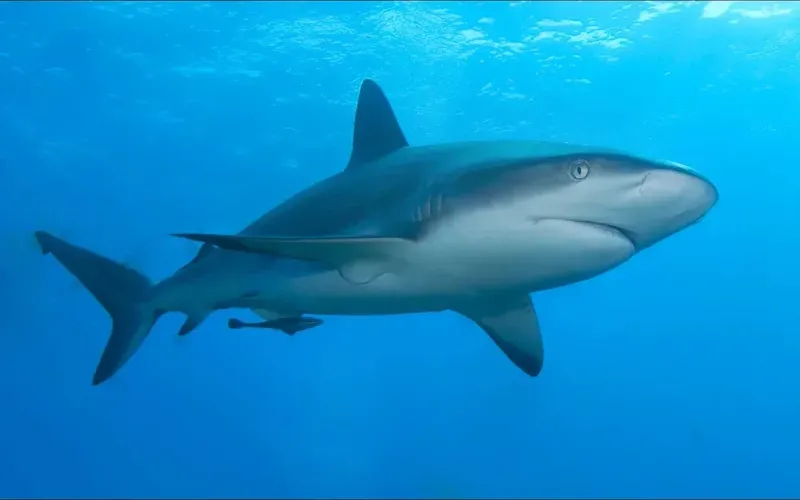
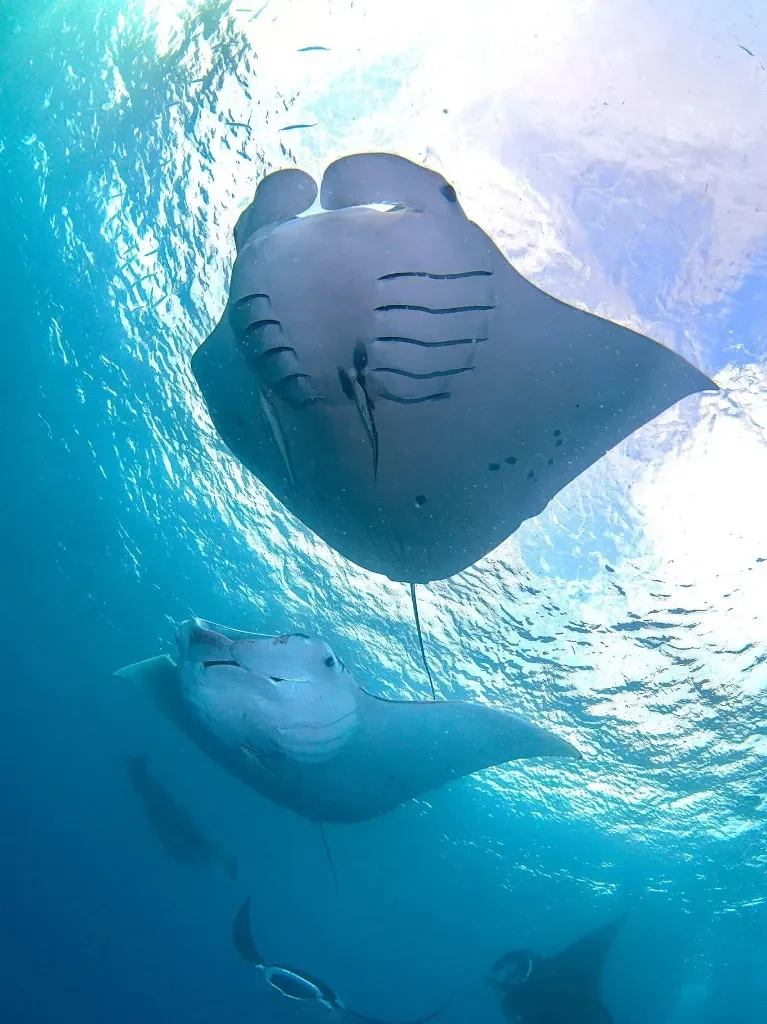
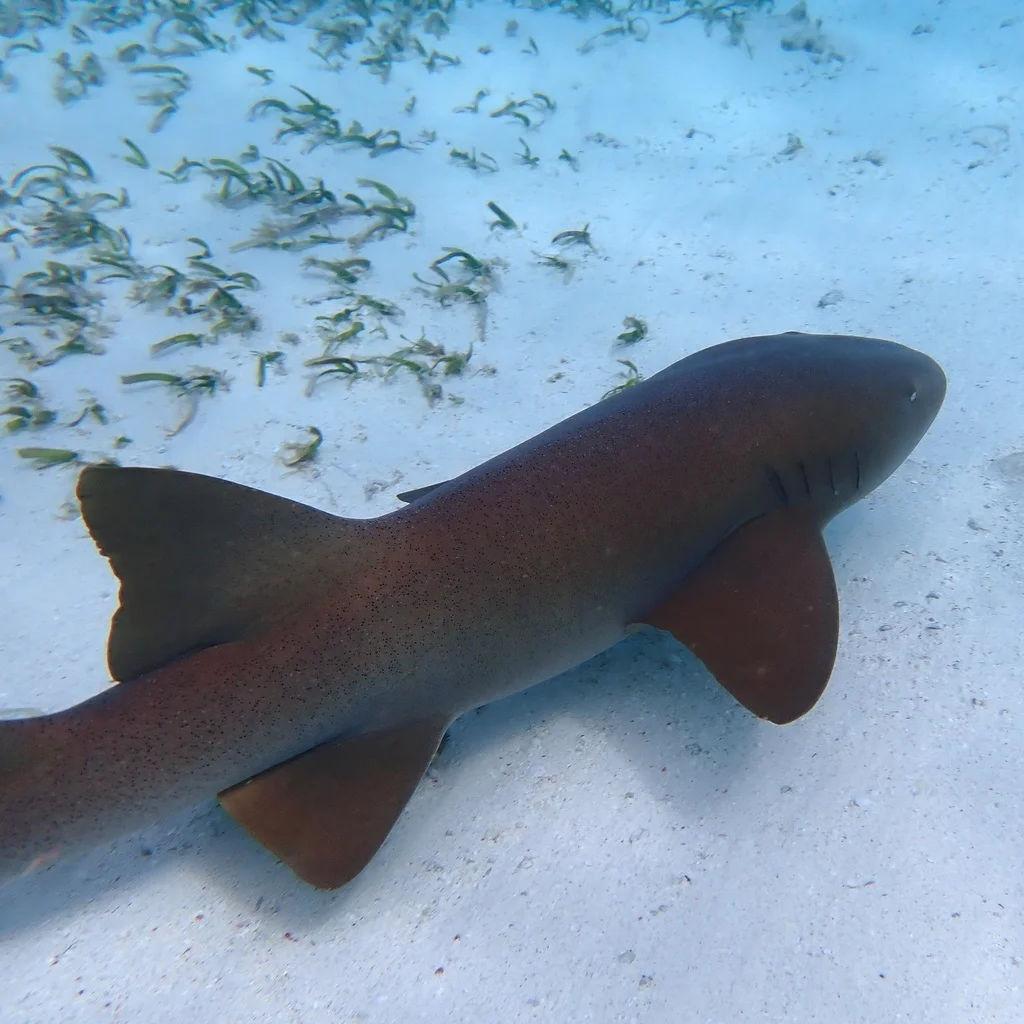
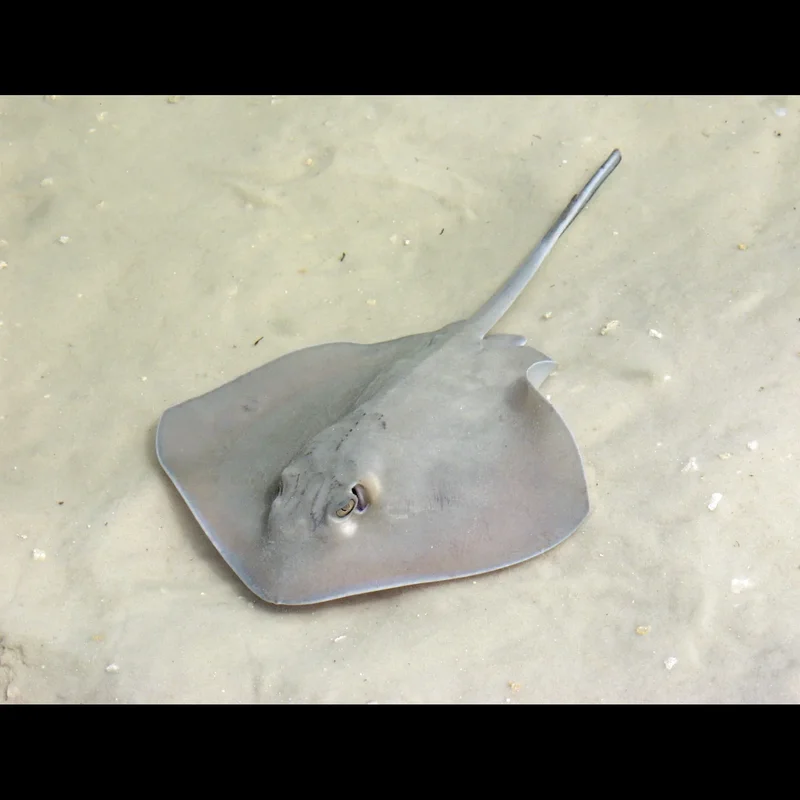
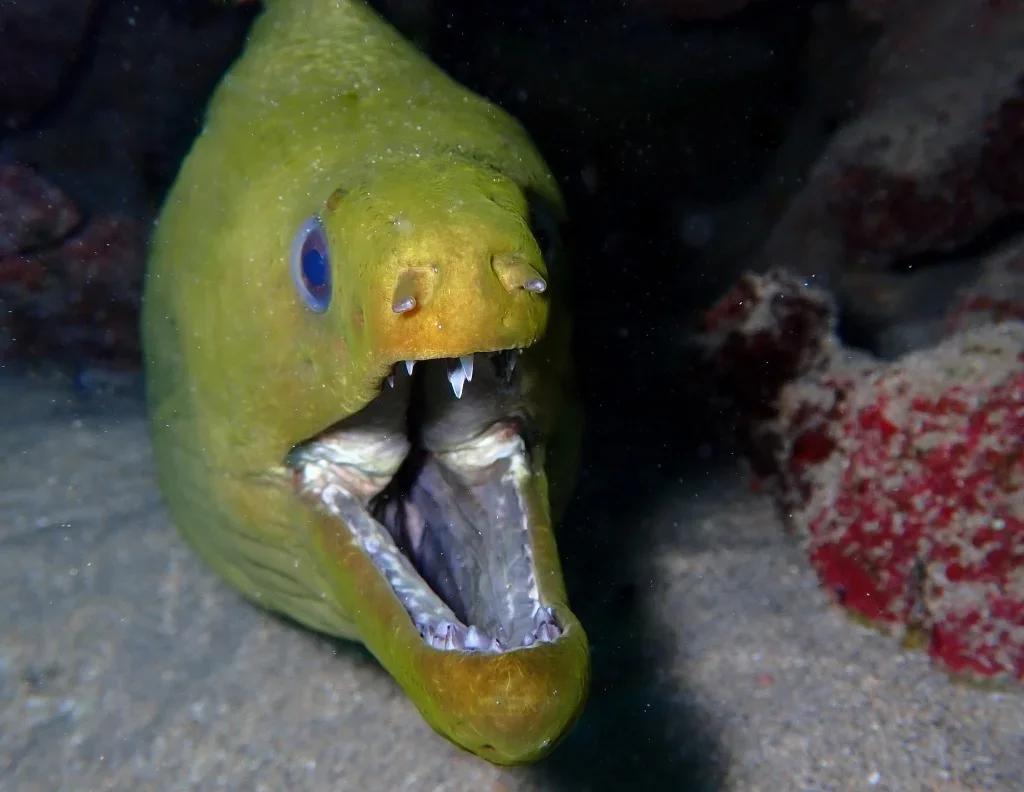
Beyond these seasonal highlights, divers consistently encounter mantas, green moray eels, southern stingrays, Caribbean reef sharks, and nurse sharks. For macro enthusiasts, the area surprisingly hosts a variety of small, colorful creatures, including the distinct wrasse basslet, ensuring a diverse viewing experience across different scales.
Dive Sites Near Jupiter Atlantic Ocean
View all dive sites in United StatesDiscover more underwater gems in this area.
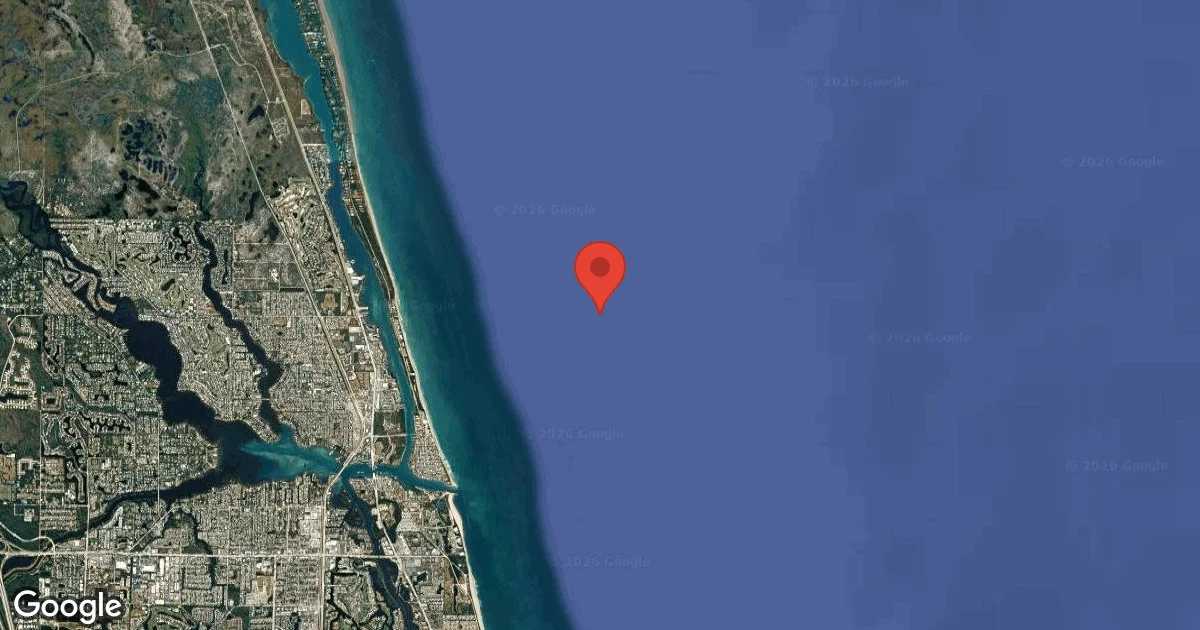
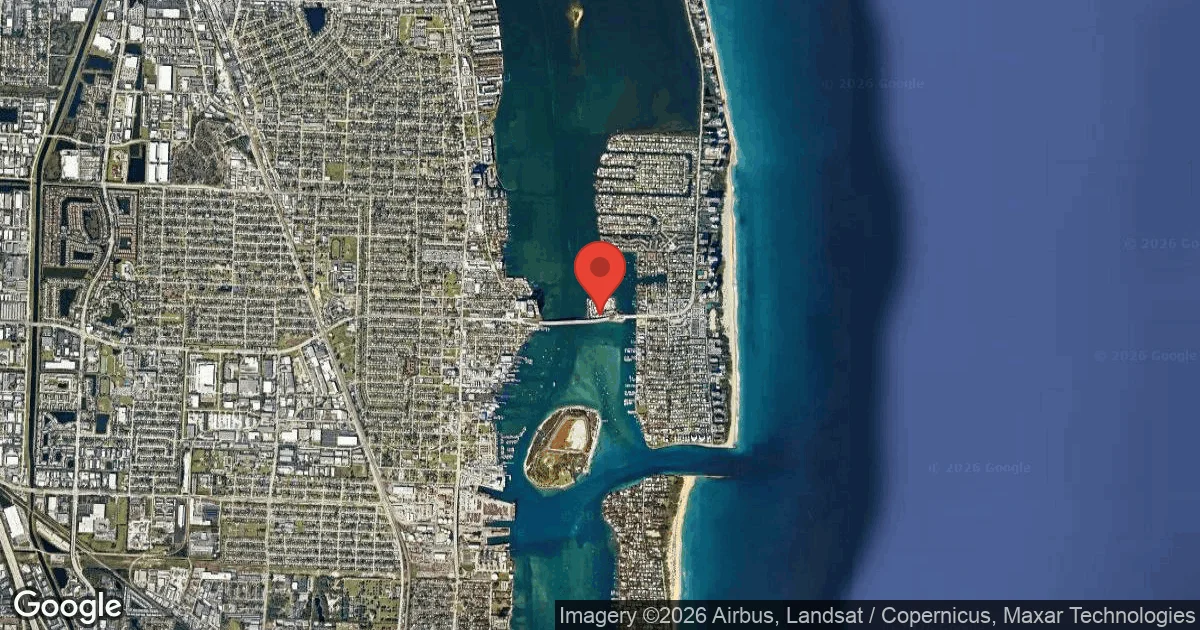
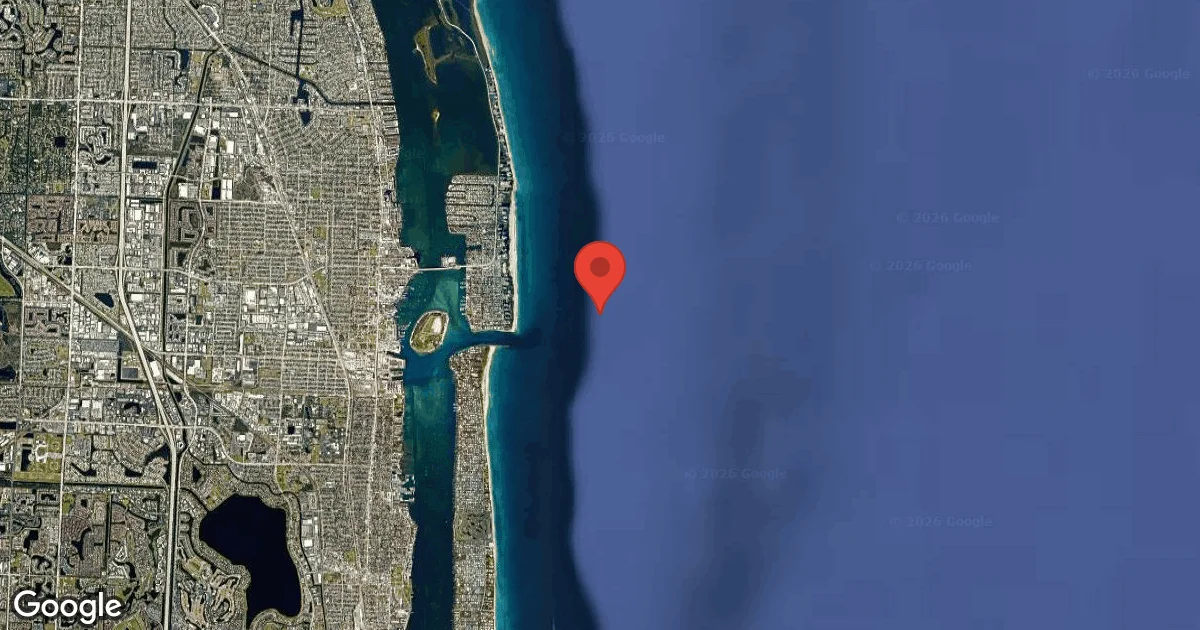
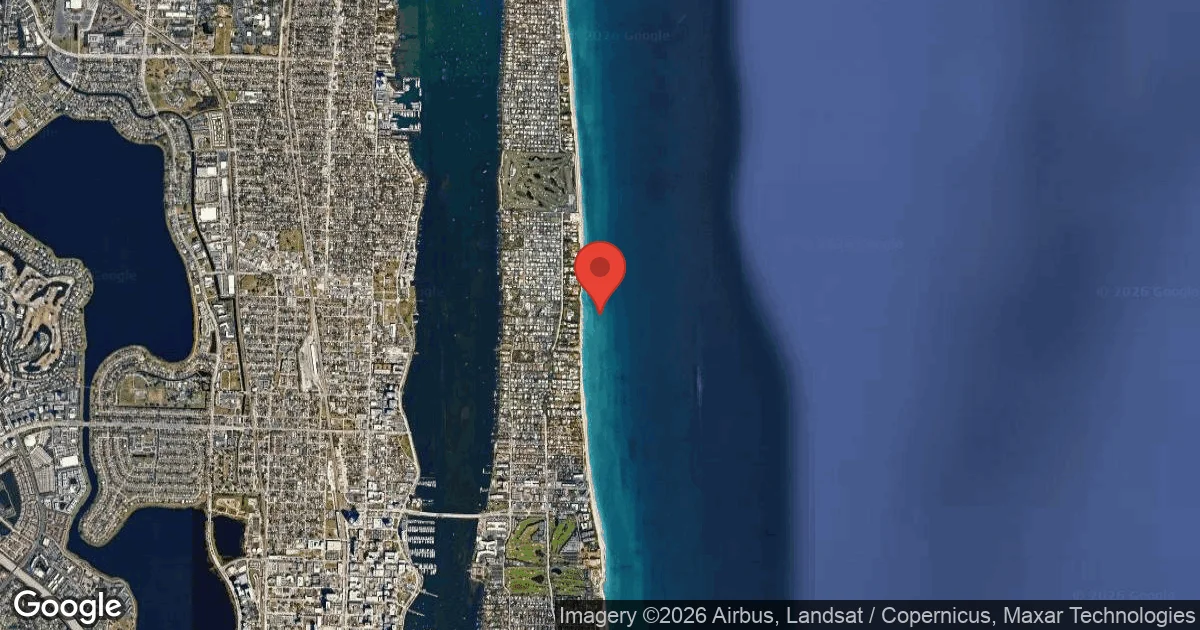
Dive Centers Near Jupiter Atlantic Ocean
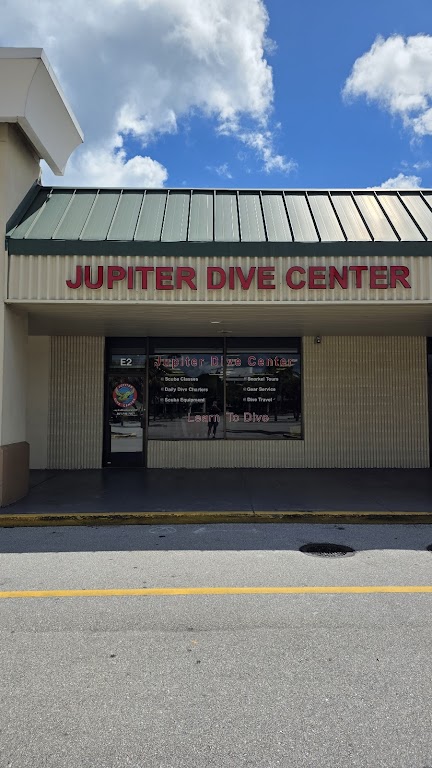
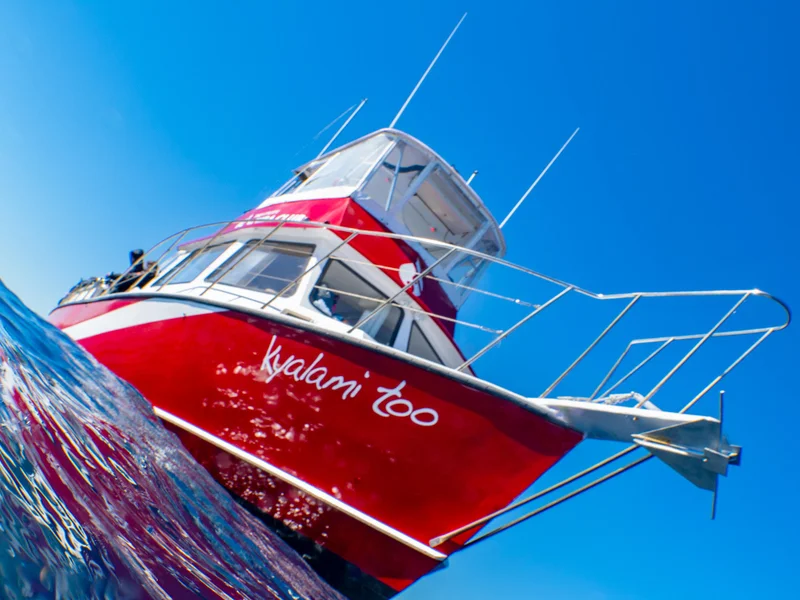
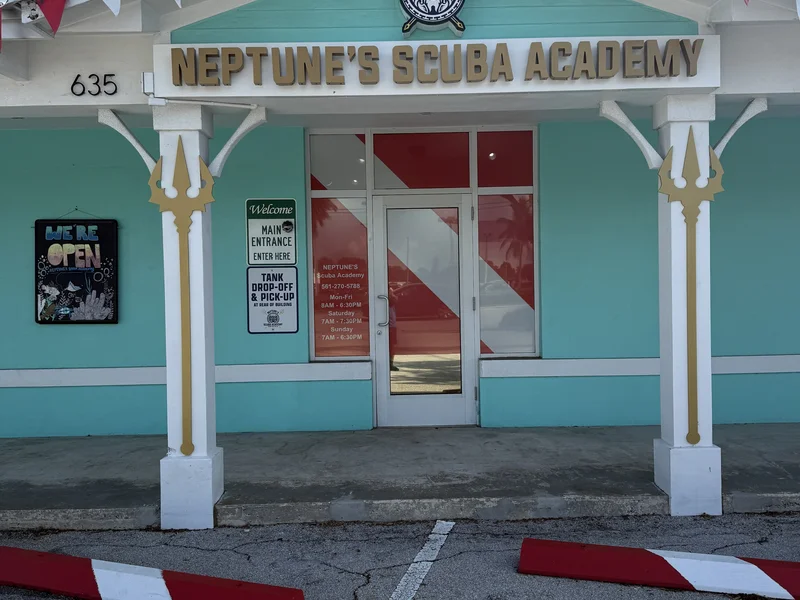
Today: 10:00 - 18:00
Nearest Airports
Nearest airports to help plan travel to this dive area.
Search Flights
Check available flights and routes on Expedia, using the nearby airports listed in this section.
Search Flights on Expedia
Plan Your Stay
Looking for a place to stay for your dive trip? Explore hotels, stays, and vacation rentals for dive groups near Juno Beach.
Dive Navigator may earn a commission from these links at no extra cost to you.
Frequently Asked Questions
What certification level is required for diving in Jupiter?
Many Jupiter sites, especially deeper ledge formations, demand advanced training due to strong currents and depths exceeding recreational limits. For technical sites like 'The Hole-in-the-Wall,' advanced nitrox or rebreather certifications may be necessary. Always confirm specific requirements with your chosen dive operator before booking.
How do currents affect diving in Jupiter?
A persistent north-flowing Gulf Stream current is a defining feature of Jupiter diving, often creating drift dive conditions. Currents typically range from one to two knots, necessitating precise boat handling for accurate drops and strong current management skills from divers. Operators will adjust dive plans to safer, shallower sites if currents are excessively strong.
What kind of marine life can I expect to see?
Jupiter's waters host diverse marine life, including seasonal migrations of lemon sharks in winter and goliath grouper aggregations in late summer. Year-round sightings often include loggerhead sea turtles, green moray eels, various sharks, and rays. Macro enthusiasts can also find wrasse basslets and other small, colorful creatures.
Are there wreck dives available?
Yes, Jupiter offers several compelling wreck dives, primarily within recreational depth limits. Popular options include the Jupiter Wreck Trek, featuring the Zion Train and Esso Bonaire wrecks. The Princes Ann wreck also provides an interesting artificial reef experience.
What are the typical water temperatures?
Water temperatures in Jupiter generally remain warm enough for diving throughout the year, although specific seasonal data is not consistently reported in our records. Regional climate patterns indicate comfortable conditions prevail for most of the year. Divers should consult with their local dive shop for the most current temperature readings.
Is 'The Hole-in-the-Wall' suitable for all divers?
Absolutely not. 'The Hole-in-the-Wall' is a challenging deep-water cave dive, categorized as technical due to its depth and potential decompression requirements. It's suitable only for experienced divers with advanced certifications, precise buoyancy control, and strong current diving proficiency.
Planning to dive Jupiter Atlantic Ocean?
Send one inquiry and receive offers directly from the best verified local dive operators.
Conditions are Good
Optimal conditions expected
Current conditions near Jupiter Atlantic Ocean show 26° air, 29° sea temperature, 0.9 m waves, and 15 km/h wind. Forecast data is refreshed regularly to ensure accuracy.