
Diving at Wreck Trek (United States)
The Wreck Trek isn't a single dive site but a captivating concept encompassing several multi-wreck drift dives across Florida. These underwater trails feature intentionally scuttled vessels, transforming them into artificial reefs that create expansive habitats. Divers explore a sequence of shipwrecks, often connected by visual guides, offering a prolonged and dynamic underwater journey. Each trek provides a unique navigational experience and a chance to immerse in diverse marine ecosystems.
Tonight's objective overview for Wreck Trek shows an air temperature of 25°C. The measured surface conditions include wave heights around 0.7 m. This environmental data is logged for the close of the day.
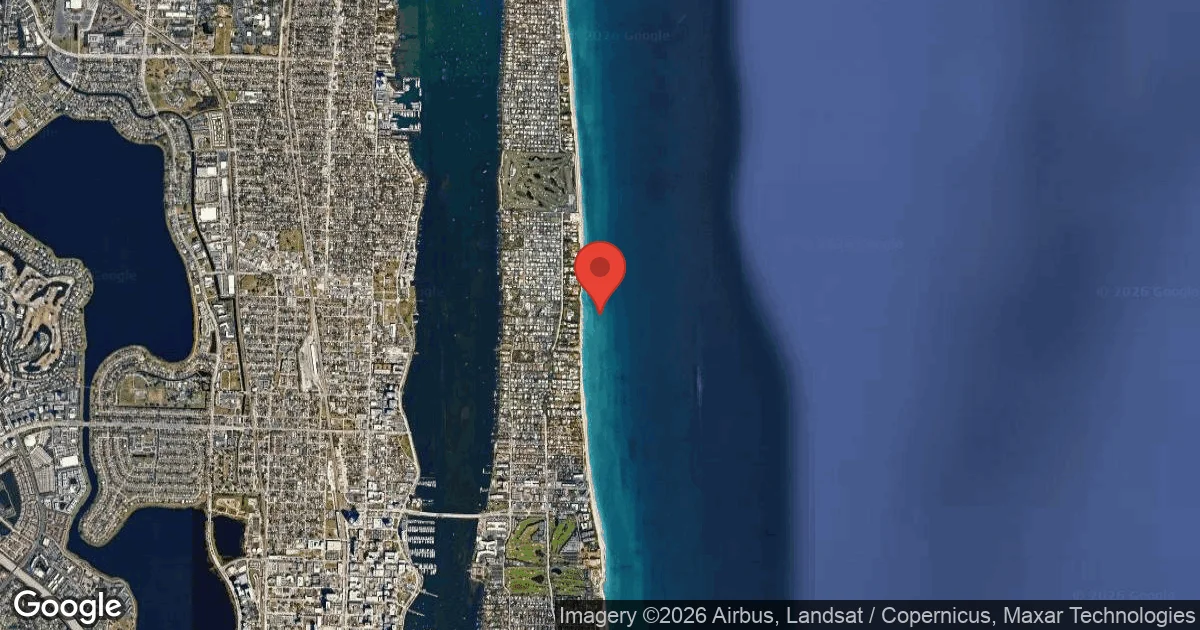
Dive Site Location & Key Facts
Dive Site Overview
Imagine gliding effortlessly over multiple sunken vessels, each a chapter in an ongoing underwater story. Florida's Wreck Treks, found in areas like Fort Lauderdale, Boca Raton, and the Florida Keys, typically involve a series of two to three wrecks connected by drift.
Dive depths generally range from 21-27 m (68-90 ft), making them accessible for Open Water divers or those with equivalent experience. For instance, the Fort Lauderdale Wreck Trek includes the Jay Scutti, Tracey, and Merci Jesus, while Boca's version features the United Caribbean, Sea Emperor (Aqua Zoo), and Noulla Express.
Navigation between these sites is often aided by rebar stakes or limestone boulders positioned in the sand, guiding divers from one artificial reef to the next. The overall experience emphasizes good buoyancy control and drift diving techniques, allowing for extended bottom time as divers traverse the wrecks and the sandy seafloor in between.
You can easily cover two wrecks; if currents align favorably, all three may be possible within a single dive.
Conditions are Good
Optimal conditions expected
Current conditions near Wreck Trek show 25° air, 29° sea temperature, 0.9 m waves, and 13 km/h wind. Forecast data is refreshed regularly to ensure accuracy.
Best Time to Dive
While year-round diving is generally possible, the sweet spot for Florida's Wreck Treks often emerges in late spring through early fall, when air temperatures are consistently warmer and ocean conditions tend to be calmer. From May to September, average air temperatures range from 26-28°C (79-82°F), with wave heights decreasing significantly to an average of 0.6-0.9 m (2-3 ft). These months also present lower wind speeds and moderate rainfall, contributing to an overall 'Good' dive score. Conversely, months like October and December, with air temperatures around 21-25°C (70-77°F), show higher average wave heights, reaching up to 1.8 m (6 ft), and a 'Moderate' dive score. Planning your trip during the calmer months maximizes comfort and underwater visibility, which varies depending on conditions.
PEAK SEASON SCORE
Scores combine air & water temps, waves, wind & rainfall for overall conditions.
BEST MONTHS TO DIVE
Monthly records compiled from satellite and marine observation nodes over the last 3 years. Data provided by Open-Meteo and MET Norway.
Dive Experience & Conditions
Descending onto a Wreck Trek site, divers are often greeted by a dynamic environment, shaped by the prevailing current that defines the 'drift' aspect of these dives. Conditions vary, but average dive depths are typically between 21-27 m (68-90 ft). Navigating from one wreck to the next requires attentiveness, following visual cues such as rebar stakes or limestone boulders that form a connecting path. These submerged trails offer a direct route, making it easier to transition between the Jay Scutti, Tracey, Merci Jesus, or the United Caribbean and Sea Emperor. Visibility fluctuates with weather and currents, but on good days, the structural outlines of the wrecks emerge clearly from the blue, inviting exploration. Experiencing the drift between wrecks provides a sense of continuous motion and discovery.
Dive Difficulty & Safety Guidelines
Navigating the Wreck Treks presents an engaging challenge that rewards prepared divers. A minimum Open Water Diver certification or equivalent experience is typically required. Given the multi-wreck, drift nature of these dives, strong buoyancy control is crucial to prevent accidental contact with the wrecks or stirring up sediment.
Divers should be mindful of potential entanglement hazards, especially with dive flags if attempting to tie off on a wreck; it's sometimes easier to secure your flag temporarily before retrieving it. Consider enrolling in a PADI Wreck Diver Specialty course, which teaches essential skills like surveying a wreck, maintaining optimal visibility with finning techniques, and proper line and reel deployment for interior exploration, although most Wreck Trek dives focus on exterior circuits.
Recommended Equipment
Overhead / entanglement risk. Wreck penetration requires proper training.
- Dive Computer
- Primary & Backup Lights
- Wreck Reel
- Cutting Tool
This gear list is based on verified equipment signals for Wreck Trek, United States. Always confirm final gear choices with your dive operator, guide, or liveaboard.
Recommended Dive Suit
Subtle variations in currents or depth can sometimes influence perceived water temperature.
Dive skin or rash guard tends to perform well in water temperatures like those currently observed here. Forecast models show minimal temperature variation in the coming days.
Current temperature readings suggest that the water at Wreck Trek is around 29°C (85°F). Surface air temperatures are resting at 25°C (77°F).
Due to technical issues with our weather providers, data hasn't been fetched for over 48 hours. The data above reflects the conditions at the time of the last successful fetch.
Emergency & Medical Support
Essential information to help you plan your dive trip to Wreck Trek.

Hyperbaric chambers are a critical part of dive safety infrastructure. Availability varies significantly by region, and not all dive areas have immediate access.
Before diving, it's recommended to:
- confirm nearest medical facilities
- check emergency procedures with local dive operators
- ensure dive insurance covers evacuation if required
Divers Alert Network
Diving emergency assistance available through DAN World.
+1-919-684-9111- 24/7 emergency hotline
- Diving medical assistance
- Evacuation coordination
Emergency contacts are provided for reference. Always verify local emergency services before diving.
Marine Life at Wreck Trek
The artificial reefs forming Florida's Wreck Treks act as significant attractors for diverse marine organisms. Goliath groupers are a notable highlight, with individuals often found seeking refuge within the wrecks' open structures.
These impressive fish can be quite large, and in late summer, during aggregation periods, divers might observe several on a single wreck. Beyond the larger residents, the structures provide substrate for various corals and sponges, which in turn draw in smaller reef fish.
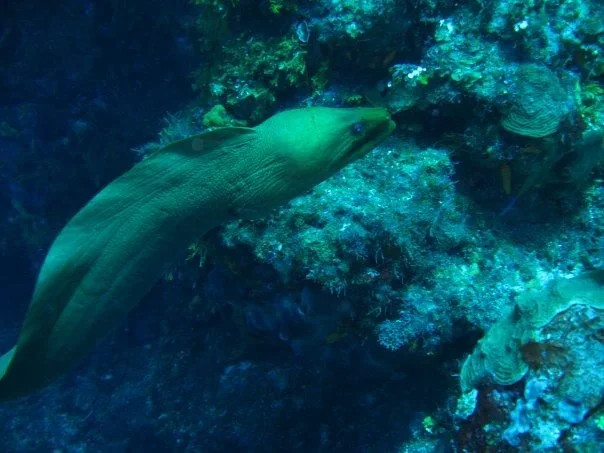
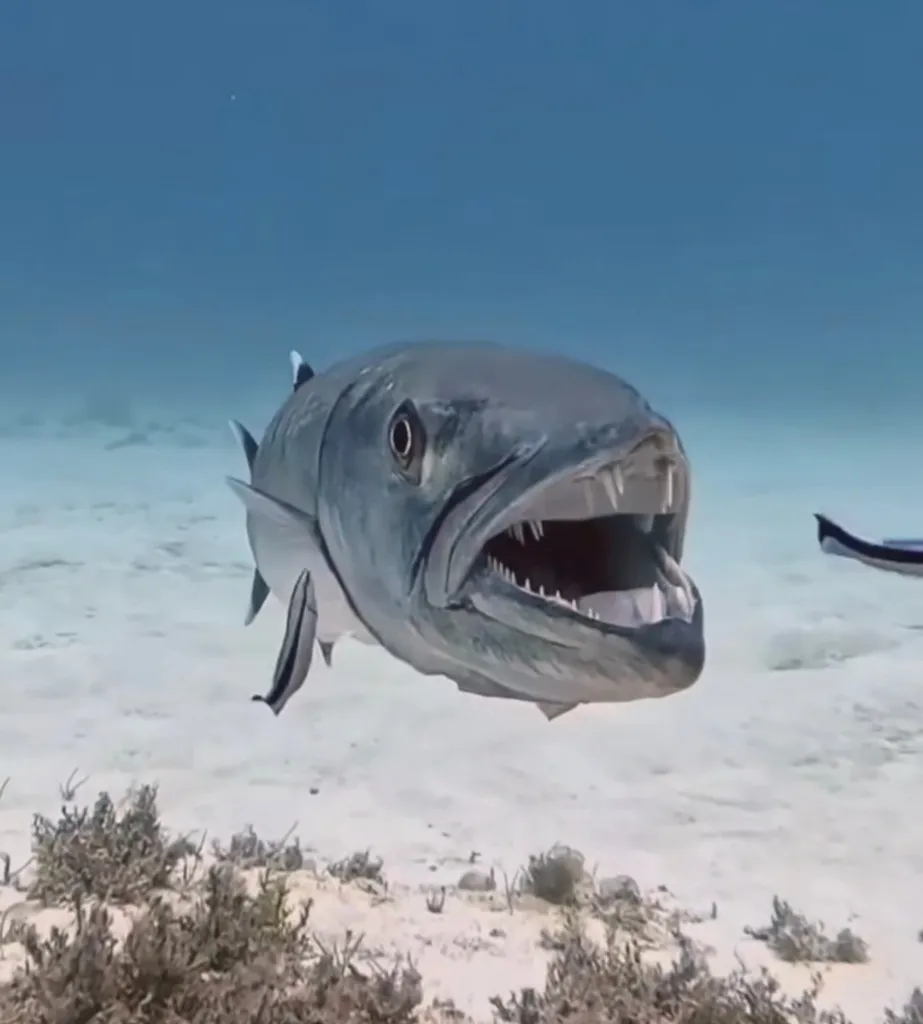
Keep an eye out for moray eels peering from crevices and barracuda patrolling the perimeter, adding to the vibrancy of these sunken habitats.

Dive Sites Near Wreck Trek
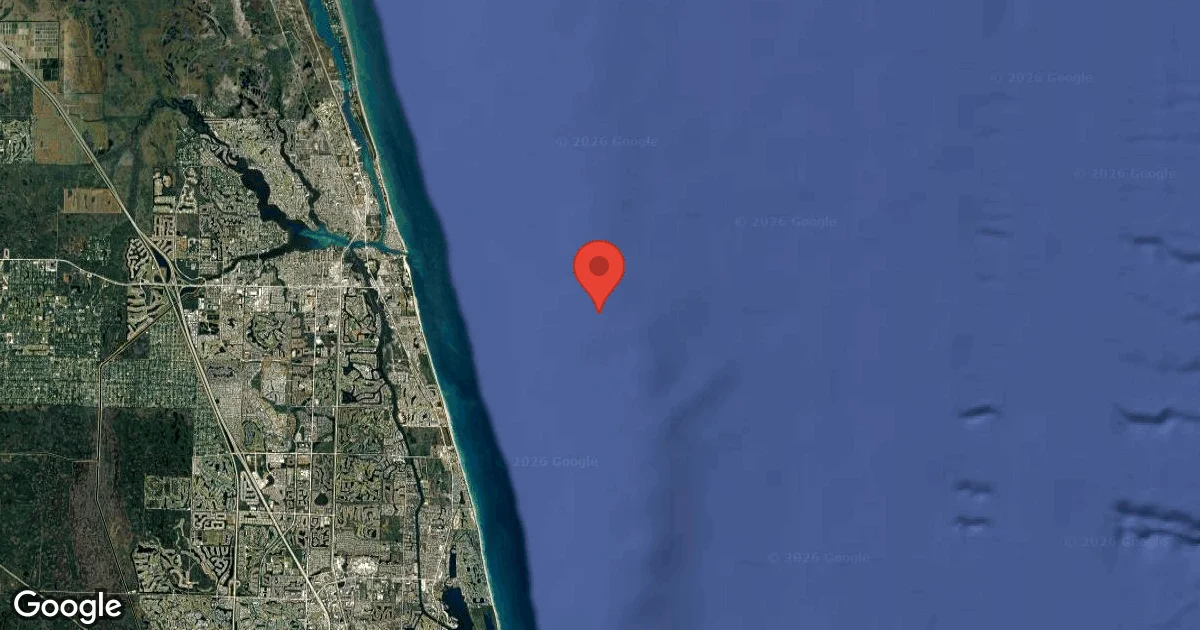
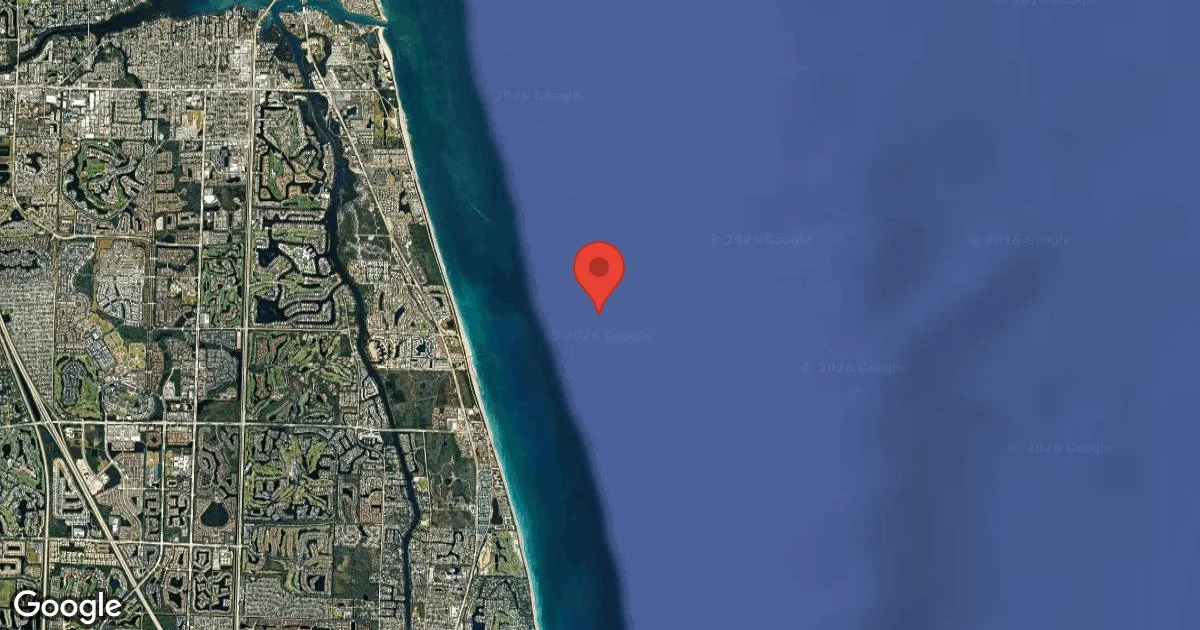
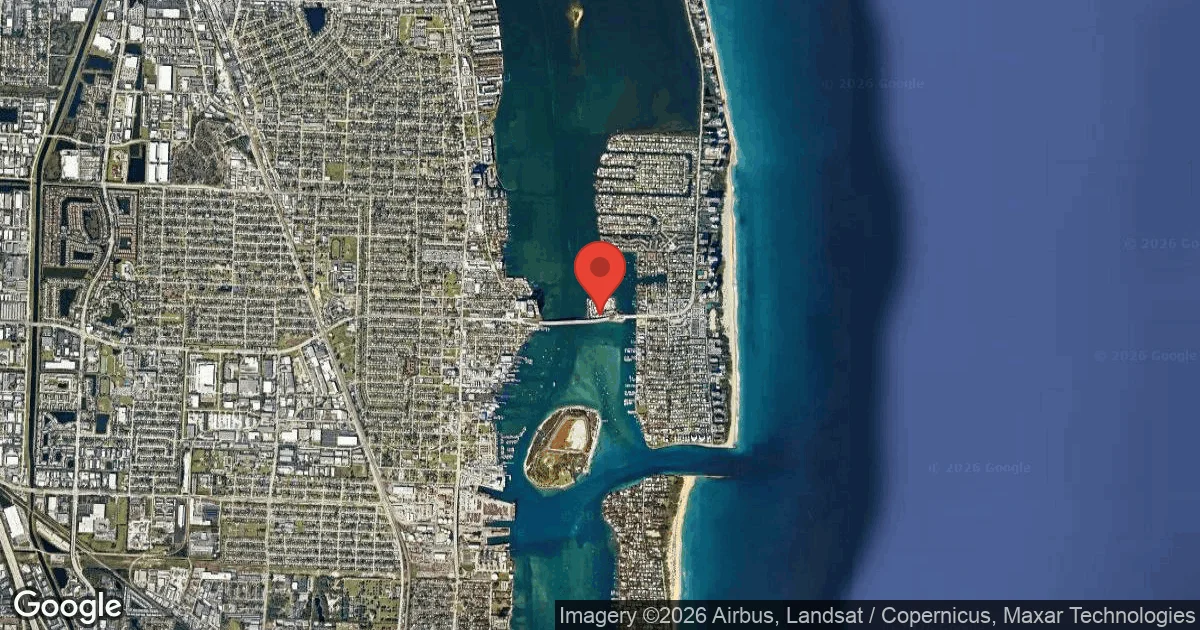
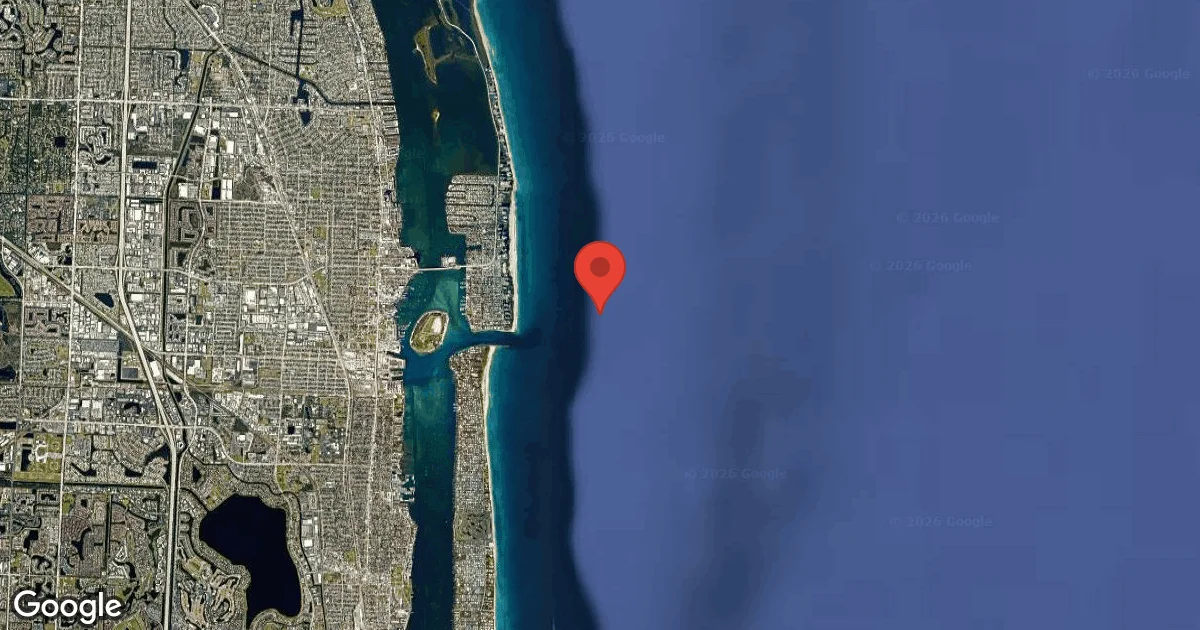
View all dive sites in United StatesDiscover more underwater gems in this area.
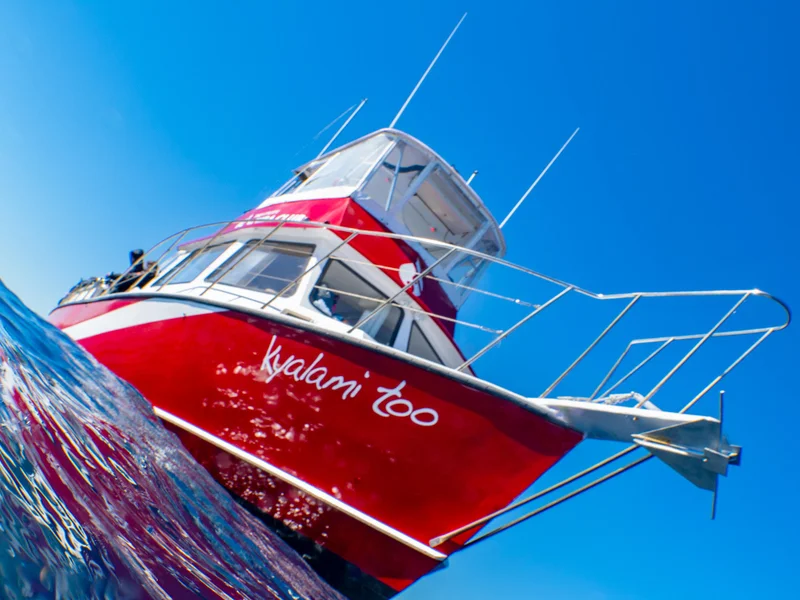
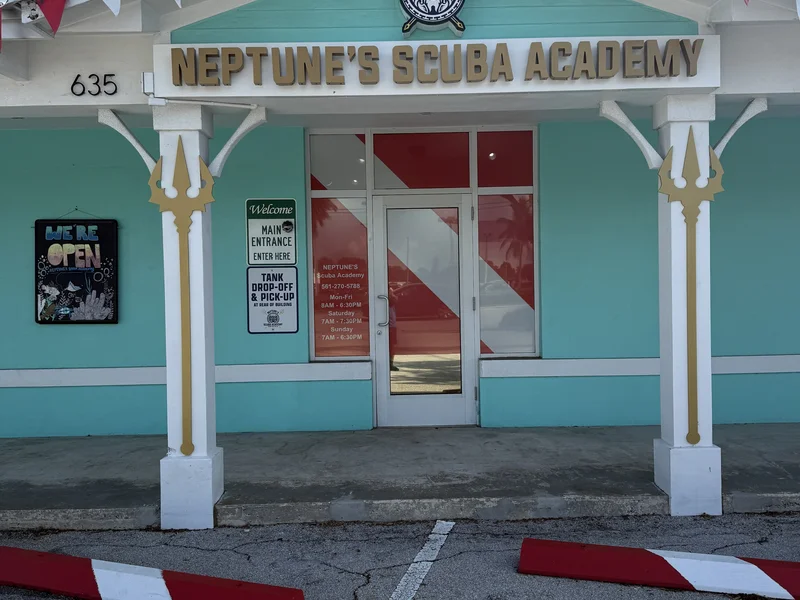
Dive Centers Near Wreck Trek
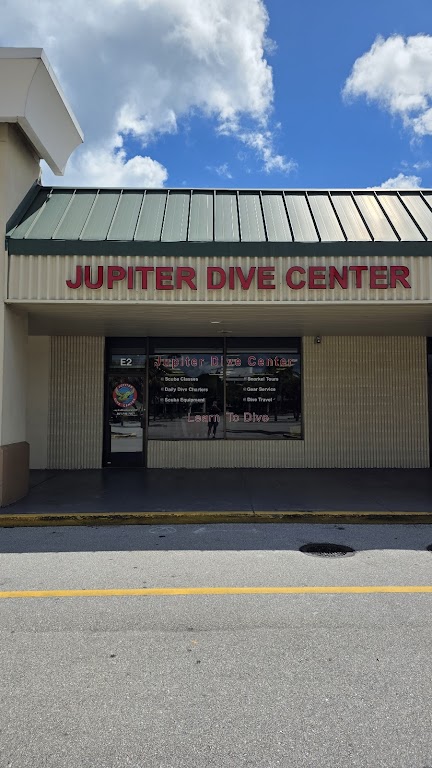
Today: 10:00 - 18:00
Nearest Airports
Nearest airports to help plan travel to this dive area.
Search Flights
Check available flights and routes on Expedia, using the nearby airports listed in this section.
Search Flights on Expedia
Plan Your Stay
Looking for a place to stay for your dive trip? Explore hotels, stays, and vacation rentals for dive groups near Tequesta.
Dive Navigator may earn a commission from these links at no extra cost to you.
Frequently Asked Questions
What certification level is typically required for Florida's Wreck Treks?
A minimum Open Water Diver certification or equivalent experience is generally sufficient for most Wreck Trek dives. These dives primarily focus on the exterior of the wrecks and the drift between them. Strong buoyancy control is crucial given the dynamic environment.
What are the typical depths encountered on Wreck Treks?
Wreck Treks usually involve depths ranging from 21-27 m (68-90 ft), keeping them within recreational diving limits. This depth range allows for extended bottom time while exploring multiple sunken vessels.
How do divers navigate between the various wrecks?
Divers typically follow visual cues such as rebar stakes or limestone boulders positioned in the sand, which form a connecting path. This guidance facilitates smooth transitions from one artificial reef to the next during the drift.
Are strong currents a common factor on these dives?
Currents are a key element of the Wreck Treks, as they are designed for drift diving. While current strength can vary, it contributes to the dynamic nature of the dive and allows for efficient exploration of multiple wrecks.
What kind of marine life can be observed on the Wreck Treks?
The artificial reefs attract a range of marine species. Divers often encounter Goliath groupers, especially during their late summer aggregations, along with various reef fish, moray eels, barracuda, and diverse coral and sponge growth.
Is any specific equipment recommended for these multi-wreck dives?
A dive knife is useful for addressing potential entanglement hazards, and a surface marker buoy (SMB) is important for signaling your position during drift ascents. Excellent buoyancy control is also highly recommended.
Planning to dive Wreck Trek?
Send one inquiry and receive offers directly from the best verified local dive operators.
Conditions are Good
Optimal conditions expected
Current conditions near Wreck Trek show 25° air, 29° sea temperature, 0.9 m waves, and 13 km/h wind. Forecast data is refreshed regularly to ensure accuracy.