
Diving at Sun Mariner (United States)
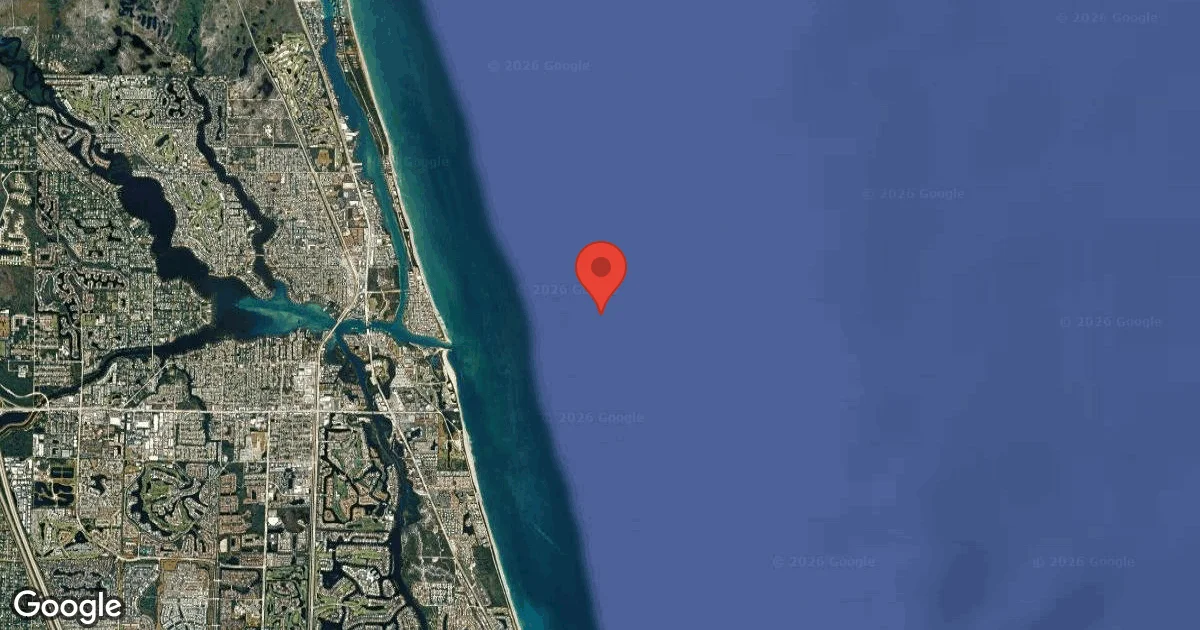
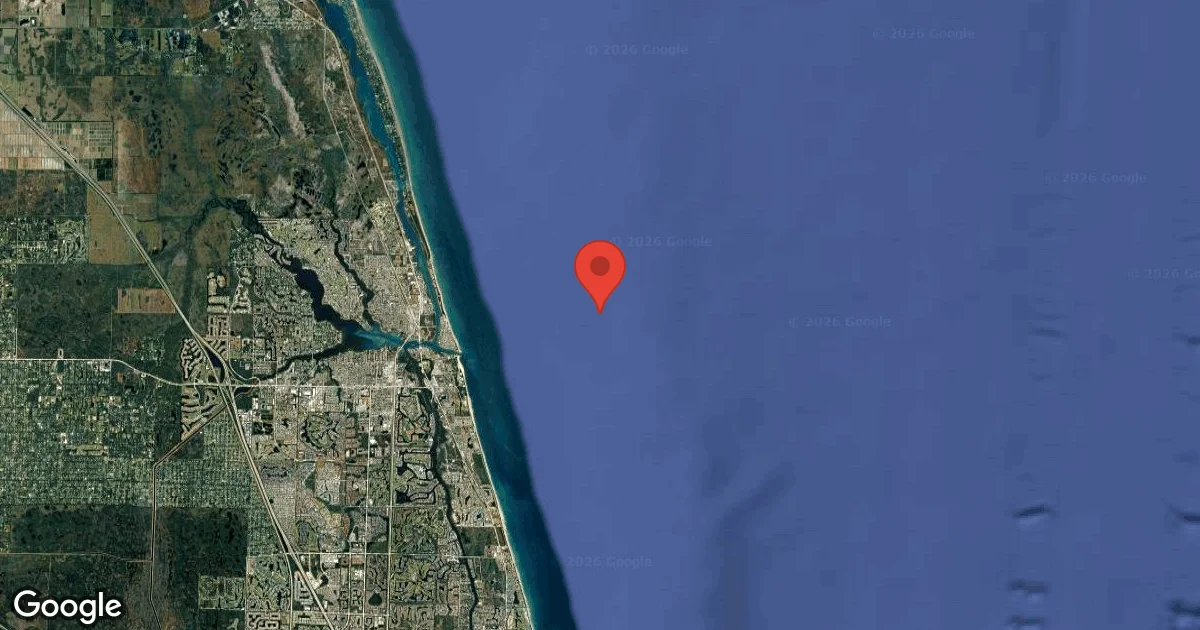
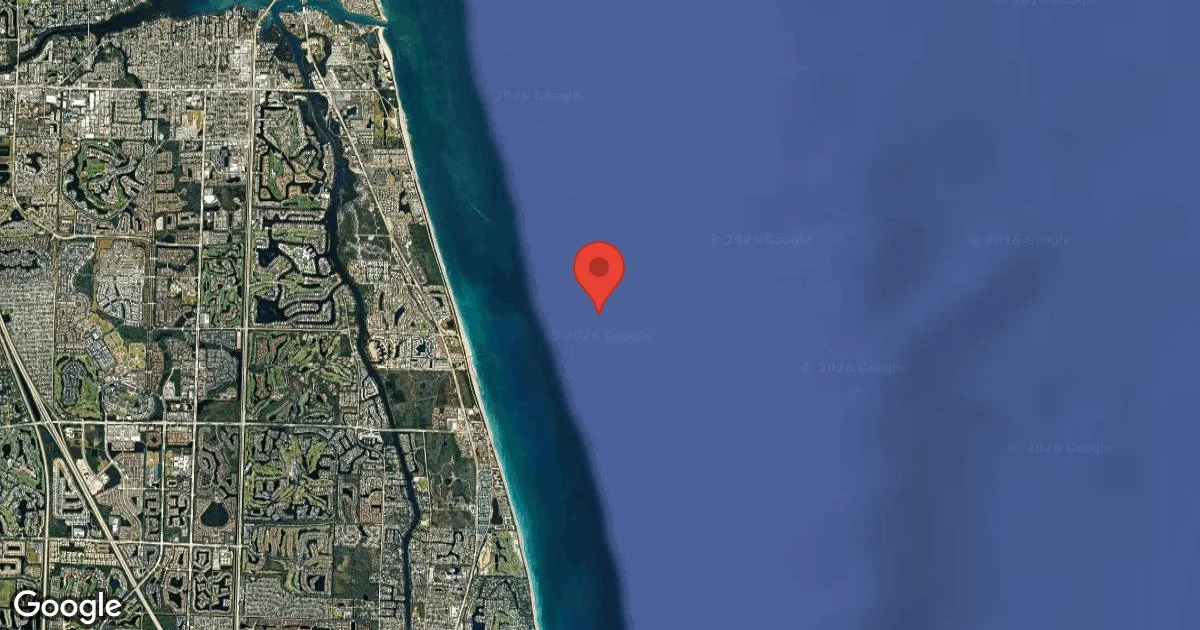
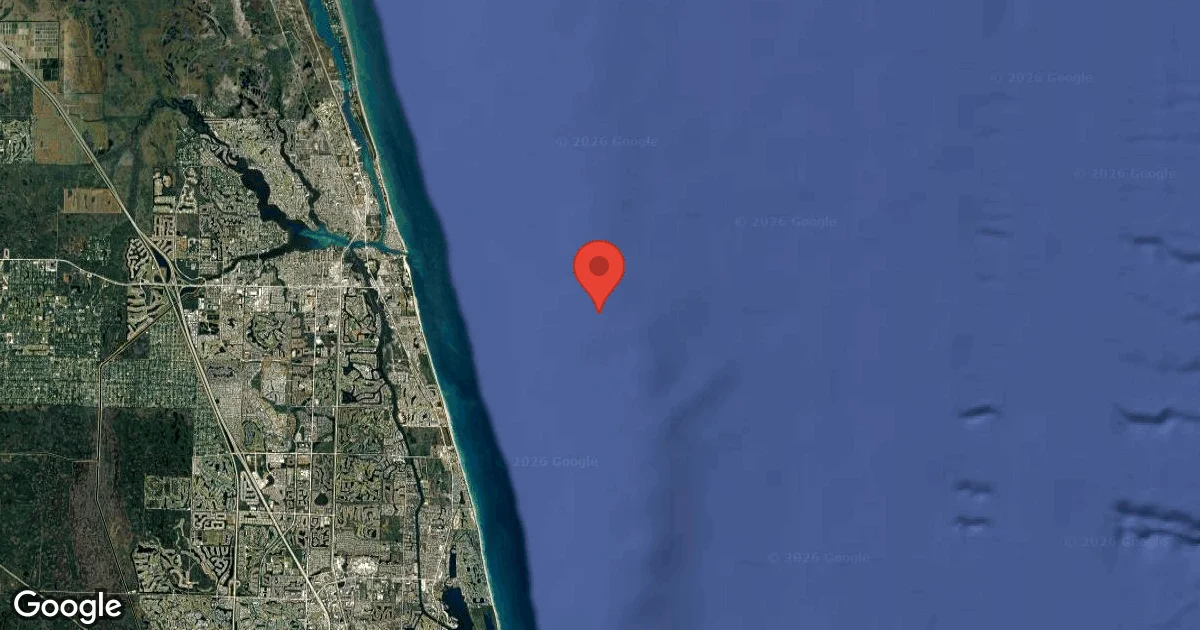
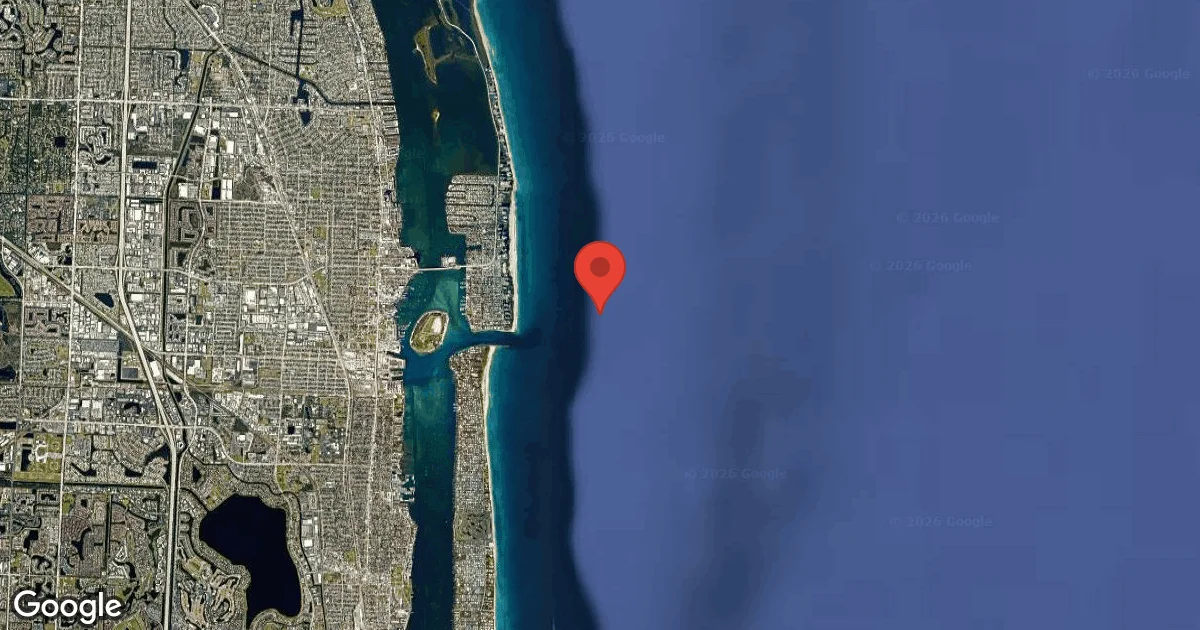
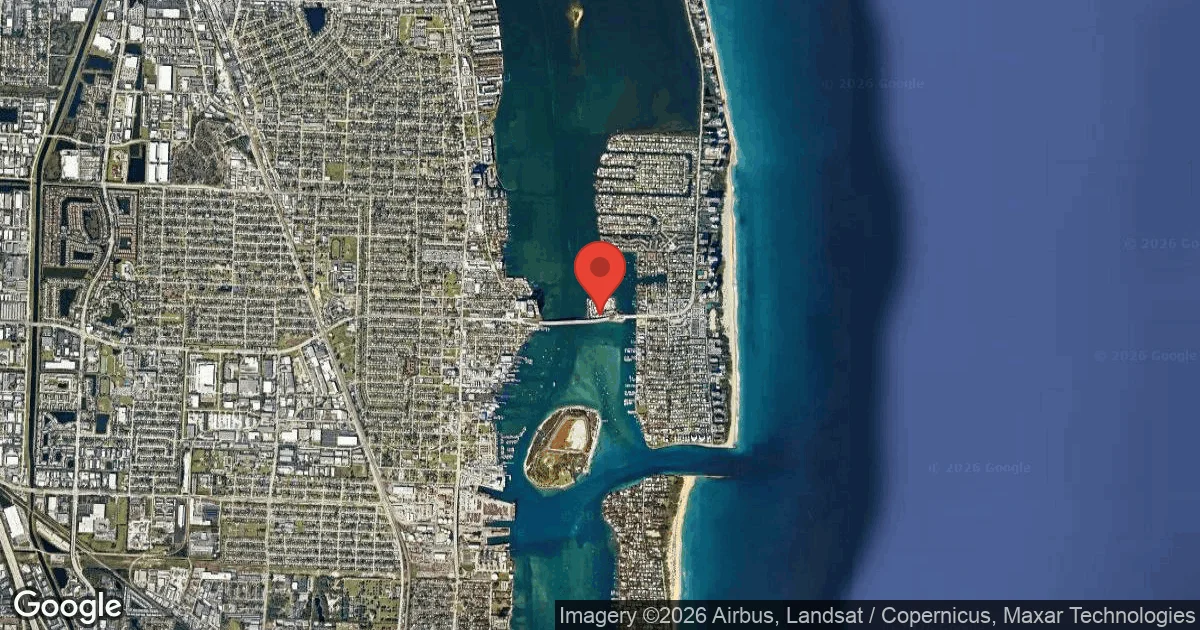
An artificial reef, the Sun Mariner rests upright off Deerfield Beach, a significant structure for local marine life. This 165-foot ex-Coast Guard Cutter, with a 25-foot beam, lists slightly to its port side, creating an intriguing underwater topography. Its position near the Berry Patch Tug and the Quallman Barge establishes a complex network of dive sites.
Tonight's objective overview for Sun Mariner shows an air temperature of 25.5°C. The measured surface conditions include wave heights around 1.3 m. This environmental data is logged for the close of the day.
Dive Site Location & Key Facts
Dive Site Overview
Certified divers exploring the Sun Mariner encounter a tangible link to maritime history, tracing its origins back to the USCG Cutter Nemesis. Commissioned in 1934, she served during WWII as a sub-chaser, notably rescuing torpedoed tanker survivors before her 1964 decommissioning.
Later repurposed as the Ancient Mariner restaurant, the vessel found its final purpose as an artificial reef, deliberately sunk on June 9, 1991, within the Broward Reef program. The Sun Mariner currently rests in 21 m (70 ft) of water, with deeper sections extending to about 27 m (90 ft). While the aft deck has collapsed, the ship remains largely intact.
Prime wreck penetration opportunities await in the forward section. Off the bow, a 150-degree swim covering approximately 150 feet (about 45 meters) leads directly to the Berry Patch Tug, a substantial harbor tug.
During this swim, the hull of "the Mariner," a smaller, nondescript wreck, becomes visible. South of the Berry Patch Tug, the deeper Quallman Barge, sunk in 2000, further enriches the varied underwater landscape of this complex artificial reef system.
Conditions are Good
Optimal conditions expected
Current conditions near Sun Mariner show 26° air, 29° sea temperature, 0.9 m waves, and 13 km/h wind. Forecast data is refreshed regularly to ensure accuracy.
Best Time to Dive
Planning a trip to the Sun Mariner generally yields good conditions from May through August, when air temperatures average 26-28°C (79-82°F). During these months, the area experiences lower wave heights, typically between 0.6-0.9 m (2.0-3.0 ft), and lighter winds averaging 15-18 km/h (9-11 mph), contributing to a more comfortable surface experience. Rainfall tends to be moderate at 2.7-7.8 mm. Conversely, October and December often present moderate diving conditions, marked by higher average wave heights of 1.6-1.8 m (5.2-5.9 ft) and stronger winds around 19-20 km/h (12-12.4 mph). Air temperatures during these cooler months range from 21-25°C (70-77°F), with rainfall at 2.1-6.2 mm. Water temperature, while not consistently reported, generally follows air temperature patterns, being warmer in summer months.
PEAK SEASON SCORE
Scores combine air & water temps, waves, wind & rainfall for overall conditions.
BEST MONTHS TO DIVE
Monthly records compiled from satellite and marine observation nodes over the last 3 years. Data provided by Open-Meteo and MET Norway.
Dive Experience & Conditions
Divers approaching the Sun Mariner can expect a site best explored via an anchor or drift dive, depending on local currents. This artificial reef is situated in close proximity to a natural reef system, encouraging a dynamic exchange of marine life between the two structures. Open Water Diver certification is the minimum required skill level, reflecting the site's maximum recreational depth. Current dynamics vary, influenced by regional weather patterns, which can range from lower wind speeds of 15 km/h (9 mph) in summer to higher averages of 21 km/h (13 mph) during other seasons. Surface conditions will reflect these wind patterns, affecting boat rides and entry/exit points. Divers should prepare for varying visibility and potential moderate currents, particularly when navigating between the wreck and the adjacent Berry Patch Tug.
Dive Difficulty & Safety Guidelines
Approaching the Sun Mariner wreck requires careful planning and adherence to established diving protocols. Due to its maximum depth and the potential for wreck penetration, an Open Water Diver certification is the foundational requirement. Divers considering entering the wreck should possess appropriate wreck diving certifications and experience, as the aft deck is collapsed and only the forward section offers viable penetration.
Always ensure equipment is well-maintained, and buoyancy control is paramount to prevent accidental contact with the delicate structure. Staying aware of your dive buddy and maintaining a conservative dive profile is essential.
Local operators provide insights into daily conditions, including currents and visibility, which can fluctuate. Respect the marine environment and avoid disturbing the wreck or its inhabitants.
Recommended Equipment
Overhead / entanglement risk. Wreck penetration requires proper training.
Current and surface separation risk. Local briefing strongly recommended.
- Dive Computer
- DSMB
- Primary & Backup Lights
- Wreck Reel
- Reel / Spool
- Cutting Tool
This gear list is based on verified equipment signals for Sun Mariner, United States. Always confirm final gear choices with your dive operator, guide, or liveaboard.
Recommended Dive Suit
Water temperatures at Sun Mariner are currently estimated to be around 29°C (85°F), shaping the overall diving conditions for today. Surface air temperatures are resting at 26°C (78°F).
For the majority of recreational dives here, dive skin or rash guard should provide suitable protection. A hood or vest is suggested for sensitive divers due to surface winds.
Environmental conditions are expected to remain consistent in the short-term outlook.
Emergency & Medical Support
Essential information to help you plan your dive trip to Sun Mariner.

Hyperbaric chambers are a critical part of dive safety infrastructure. Availability varies significantly by region, and not all dive areas have immediate access.
Before diving, it's recommended to:
- confirm nearest medical facilities
- check emergency procedures with local dive operators
- ensure dive insurance covers evacuation if required
Divers Alert Network
Diving emergency assistance available through DAN World.
+1-919-684-9111- 24/7 emergency hotline
- Diving medical assistance
- Evacuation coordination
Emergency contacts are provided for reference. Always verify local emergency services before diving.
Marine Life at Sun Mariner
The Sun Mariner is an active hub for aquatic life, with its entire structure generously covered in various sea organisms. Divers frequently encounter a large Goliath Grouper, which has made the wheelhouse its regular domain, providing excellent photo opportunities. Because of its close proximity to a natural reef, schools of fish move freely between the wreck and the surrounding coral, creating a vibrant ecosystem.

Dive Sites Near Sun Mariner
View all dive sites in United StatesDiscover more underwater gems in this area.
Dive Centers Near Sun Mariner
Today: 10:00 - 18:00
Nearest Airports
Nearest airports to help plan travel to this dive area.
Search Flights
Check available flights and routes on Expedia, using the nearby airports listed in this section.
Search Flights on Expedia
Plan Your Stay
Looking for a place to stay for your dive trip? Explore hotels, stays, and vacation rentals for dive groups near Tequesta.
Dive Navigator may earn a commission from these links at no extra cost to you.
Frequently Asked Questions
What is the Sun Mariner?
The Sun Mariner is an artificial reef, originally the USCG Cutter Nemesis, later converted into a floating restaurant. It was intentionally sunk in 1991 to create a dive site off Deerfield Beach.
What is the depth range for diving the Sun Mariner?
The wreck rests in approximately 21 m (70 ft) of water. Its deeper sections reach a maximum recreational depth of around 27 m (90 ft), so divers should plan their profiles accordingly.
What certification level is required to dive this site?
An Open Water Diver certification is the minimum required skill level for diving the Sun Mariner. Advanced training is recommended for wreck penetration or navigating potential currents.
Are there other dive sites nearby?
Yes, the Sun Mariner is part of a cluster of wrecks. Divers can swim approximately 150 feet, about 45 meters, off the bow to find the Berry Patch Tug. Additionally, the deeper Quallman Barge is located south of the tug.
What kind of marine life can be observed on the Sun Mariner?
The wreck is rich with sea life. Expect to see a large Goliath Grouper, often found near the wheelhouse, as well as various fish species moving between the wreck and the adjacent natural reef.
Can divers penetrate the Sun Mariner wreck?
While the aft deck is collapsed, the forward sections of the Sun Mariner offer opportunities for penetration. This should only be attempted by divers with proper wreck diving certifications and experience.
What are the best months to dive the Sun Mariner?
The months of May through August generally offer the best diving conditions, with favorable air temperatures, lower wave heights, and lighter winds. October and December typically present more moderate conditions.
Planning to dive Sun Mariner?
Send one inquiry and receive offers directly from the best verified local dive operators.
Conditions are Good
Optimal conditions expected
Current conditions near Sun Mariner show 26° air, 29° sea temperature, 0.9 m waves, and 13 km/h wind. Forecast data is refreshed regularly to ensure accuracy.