
Diving at Life Boats (Bay) (United States)
For divers considering trips accessed by purpose-built vessels like those associated with LifeWaters, understanding charter operations is key. These dive boats, often referred to as 'life boats' in the context of a dive operator, are designed for efficient entry and exit, enhancing the overall dive experience. Preparing for boat-based diving involves specifics such as gear staging and adherence to vessel protocols for a smooth operation.
Early observations for Life Boats (Bay) report a surface air temperature of 25.5°C. The water surface is currently presenting wave heights of 0.2 m. Consider these environmental metrics before beginning your descent.
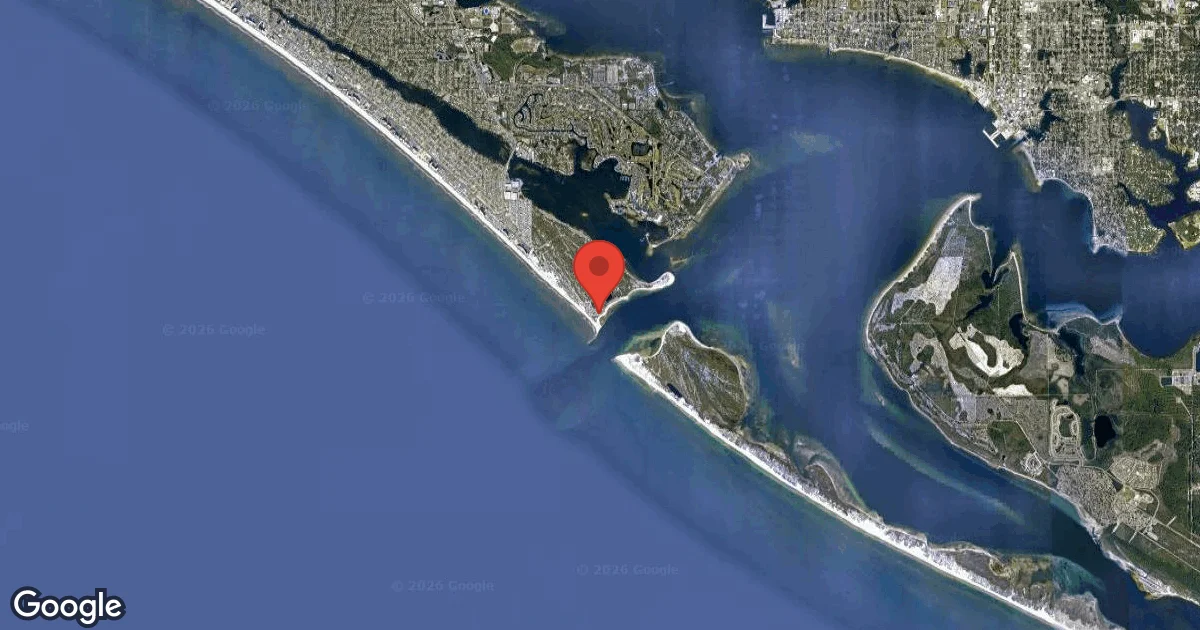
Dive Site Location & Key Facts
Dive Site Overview
Diving in areas serviced by dedicated dive charters offers a structured approach to exploring submerged sites in US waters. Operations such as LifeWaters utilize custom-built 36-foot Newton Dive Specials, like the 'Steel Slinger' and 'Narcosis,' which facilitate ease of movement and gear management on deck.
These vessels typically cater to groups, with diver limits set at 14, ensuring space and comfort. Charters frequently employ a 'Carolina' line system, directly tying into dive sites, often wrecks, which streamlines descent and ascent, making navigation straightforward even in variable currents.
Nitrox is often a requirement on these dives, indicating a focus on extended bottom times or multiple daily dives. These trips allow divers to access locations further offshore than shore-based operations, expanding the range of potential dive opportunities within recreational depth limits.
Conditions are Good
Optimal conditions expected
Current conditions near Life Boats (Bay) show 26° air, 30° sea temperature, 0.2 m waves, and 21 km/h wind. Forecast data is refreshed regularly to ensure accuracy.
Best Time to Dive
Considering typical US climate patterns, diving from these charters often presents varying conditions throughout the year. Spring, from March through May, sees increasing air temperatures, moving from approximately 17.5°C (64°F) in March to 24°C (75°F) by May. Moderate wave heights during this period generally remain below 0.9 m (3 ft). Summer, from June to August, brings the warmest air, peaking around 28.5°C (83°F), alongside the calmest waters, with average wave heights dropping to about 0.5-0.7 m (1.6-2.3 ft). Conversely, winter months, particularly January and February, see cooler air temperatures, ranging from 10.5-14.5°C (51-58°F), and slightly choppier conditions, with wave heights often exceeding 0.8 m (2.6 ft). Rainfall remains relatively consistent across seasons, generally staying below 7 mm (0.3 in) monthly, with October often being the driest. Optimal conditions, combining warmer air and calmer seas, generally align with late spring through early fall.
PEAK SEASON SCORE
Scores combine air & water temps, waves, wind & rainfall for overall conditions.
BEST MONTHS TO DIVE
Monthly records compiled from satellite and marine observation nodes over the last 3 years. Data provided by Open-Meteo and MET Norway.
Dive Experience & Conditions
A dive from a dedicated charter vessel presents a dynamic experience, its character shaped significantly by daily conditions. Entering the water from a swim platform just inches above the surface provides an easy transition. Divers often feel a distinct current when descending the Carolina line system to wreck sites, which are typically found within recreational depth ranges. Water temperatures, while not consistently reported for this specific bay, generally reflect regional seasonal shifts. Expect warmer, more comfortable conditions from late spring through early fall, potentially requiring less thermal protection. Visibility will depend on local currents, recent weather, and the nature of the dive site itself, but often improves further offshore. Many vessels, such as the Narcosis, include a covered area, offering welcome shelter from sun or sudden showers and enhancing diver comfort between dives.
Dive Difficulty & Safety Guidelines
Diving safely from charter boats, particularly when accessing wrecks, necessitates strict adherence to established protocols. Given the requirement for Nitrox on all dives by some operators, proper certification and gas analysis are mandatory before entering the water. Utilizing a Carolina line system, as described for wreck access, demands careful attention to buoyancy control and streamlined gear to prevent entanglement during descent and ascent.
Divers should always be mindful of boat traffic patterns and maintain appropriate surface signaling. The divemasters on board are responsible for tying into the dive site; therefore, understanding their briefings and hand signals is crucial.
Always carry a cutting tool, and be prepared for potential strong currents that may be encountered on offshore wreck dives.
Recommended Equipment
- Dive Computer
This gear list is based on verified equipment signals for Life Boats (Bay), United States. Always confirm final gear choices with your dive operator, guide, or liveaboard.
Recommended Dive Suit
Forecast trends indicate similar diving conditions over the next few days.
Factors such as dive duration, depth, and activity level can influence how warm a diver feels underwater. Stronger winds may also make surface intervals feel cooler than usual.
Dive skin or rash guard typically balances flexibility and thermal protection in these temperatures. Consider warmer surface protection (like a boat coat) due to brisk winds. The latest environmental readings for Life Boats (Bay) suggest water temperatures around 30°C (86°F). Surface air temperatures are resting at 26°C (78°F).
Emergency & Medical Support
Essential information to help you plan your dive trip to Life Boats (Bay).

Hyperbaric chambers are a critical part of dive safety infrastructure. Availability varies significantly by region, and not all dive areas have immediate access.
Before diving, it's recommended to:
- confirm nearest medical facilities
- check emergency procedures with local dive operators
- ensure dive insurance covers evacuation if required
Divers Alert Network
Diving emergency assistance available through DAN World.
+1-919-684-9111- 24/7 emergency hotline
- Diving medical assistance
- Evacuation coordination
Emergency contacts are provided for reference. Always verify local emergency services before diving.
Marine Life at Life Boats (Bay)
The underwater landscape, particularly around artificial structures like wrecks accessed by dive boats, can become an intriguing focal point for divers. These submerged features naturally create complex habitats, forming new environments where various forms of aquatic life may establish themselves.
The interaction of local currents with these wrecks can concentrate nutrient flow, potentially attracting small organisms that form the base of a localized food web. Divers exploring these sites often observe how growth accumulates on metal surfaces, transforming inert material into textured ecosystems.
While specific marine life sightings vary, the structural complexity itself provides shelter and foraging opportunities, contributing to a diverse, albeit localized, underwater setting.
Dive Sites Near Life Boats (Bay)
View all dive sites in United StatesDiscover more underwater gems in this area.
Dive Centers Near Life Boats (Bay)
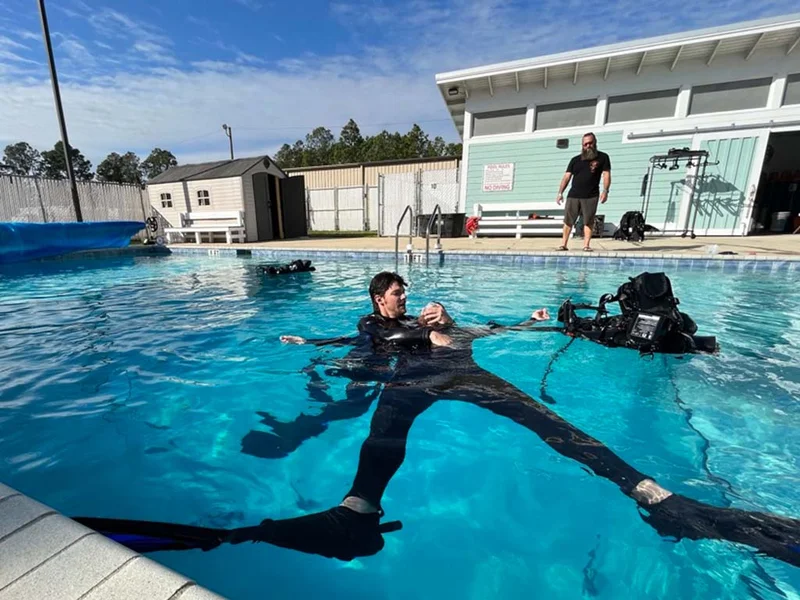
Today: 09:00 - 16:00
Nearest Airports
Nearest airports to help plan travel to this dive area.
Search Flights
Check available flights and routes on Expedia, using the nearby airports listed in this section.
Search Flights on Expedia
Plan Your Stay
Looking for a place to stay for your dive trip? Explore hotels, stays, and vacation rentals for dive groups near Lower Grand Lagoon.
Dive Navigator may earn a commission from these links at no extra cost to you.
Frequently Asked Questions
What type of dive sites do these charters typically access?
These dive charters primarily use a 'Carolina' line system to access wrecks. The focus is often on exploring submerged artificial structures, offering a distinct type of diving experience.
Are specific certifications required for these dives?
Yes, Nitrox is a common requirement on all dives with some operators. Divers must hold a valid Nitrox certification in addition to their standard open water certification.
What kind of boats are used for these charters?
Operators like LifeWaters use custom-built 36-foot Newton Dive Specials. These boats are known for their practical layout and easy entry/exit from the water, enhancing diver convenience.
How many divers are typically on a charter?
Dive charters often limit the number of divers to ensure comfort and safety. For instance, some operations cap charters at 14 divers, even if the vessel is rated for more.
What is the 'Carolina' line system?
It's a method where the divemasters tie a line directly to the dive site, usually a wreck. This system provides a fixed reference for divers during descent, ascent, and in-water waiting periods.
What are the air temperatures like during peak dive season?
During the peak dive season, typically summer months, average air temperatures can reach highs around 28.5°C (83°F). This contributes to a comfortable experience on deck between dives.
Planning to dive Life Boats (Bay)?
Send one inquiry and receive offers directly from the best verified local dive operators.
Conditions are Good
Optimal conditions expected
Current conditions near Life Boats (Bay) show 26° air, 30° sea temperature, 0.2 m waves, and 21 km/h wind. Forecast data is refreshed regularly to ensure accuracy.