
Diving at Lindberg Circle Reef 1B (United States)
Lindberg Circle Reef 1B presents an engaging opportunity for divers who appreciate exploring marked reef structures within dynamic coastal environments. Planning a dive here requires attention to the seasonal shifts in weather, as conditions can influence the overall experience. Being prepared for varying underwater visibility and currents is key to a rewarding exploration of this specific site.
As evening covers Lindberg Circle Reef 1B, the local air temperature is measured at 30°C. The current wave height at the surface is recorded at 0.3 m. These late-day readings characterize the surface conditions for the night.
Dive Site Location & Key Facts
Dive Site Overview
Exploring Lindberg Circle Reef 1B introduces divers to a structured reef environment, likely part of a broader network given its designation. This site generally offers recreational depth profiles, with deeper sections potentially extending to 30 m (100 ft), allowing for ample bottom time within standard no-decompression limits.
Without specific reports on the reef's exact geological or artificial composition, it's generally approached as a foundational habitat for local marine species, characterized by its underlying structure. Visibility at this reef can fluctuate significantly, influenced by recent weather patterns, tidal movements, and particulate matter in the water, necessitating adaptable dive plans.
Currents are not consistently reported but are a common factor in many open water reef systems; divers should consider the potential for drift diving or planning around slack tides if stronger flows are encountered. Access to the site typically involves boat excursions, as shore entry data is not available, which adds an element of logistical planning for divers.
Conditions are Good
07:00 - 14:00
Optimal conditions expected
Current conditions near Lindberg Circle Reef 1B show 30° air, 31° sea temperature, 0.5 m waves, and 20 km/h wind. Forecast data is refreshed regularly to ensure accuracy.
Best Time to Dive
While Lindberg Circle Reef 1B can be dived throughout much of the year, distinct seasonal differences in conditions are apparent. The period from April through October typically yields good diving scores, with average air temperatures comfortably ranging from 20.5°C (69°F) in April to a high of 29°C (84°F) in August. During these months, wave heights are generally subdued, often remaining below 1 meter (3 feet), and wind speeds tend to be less intense, contributing to more favorable surface conditions. Conversely, the cooler winter months, specifically December through March, exhibit moderate dive scores. Air temperatures during this time average between 13°C (55°F) in January and 18°C (64°F) in March. Wave heights can increase to 1.2 meters (4 feet) or more, and stronger winds are common, potentially creating choppier seas and a less comfortable overall experience.
PEAK SEASON SCORE
Scores combine air & water temps, waves, wind & rainfall for overall conditions.
BEST MONTHS TO DIVE
Monthly records compiled from satellite and marine observation nodes over the last 3 years. Data provided by Open-Meteo and MET Norway.
Dive Experience & Conditions
Regarding the underwater environment, the specific depth profile of this reef is not consistently reported. However, as a named reef site, it is understood to accommodate recreational divers, likely featuring accessible shallower areas and deeper reaches extending to approximately 30 meters. Water temperature data is also not consistently available, but correlating with regional air temperatures, one can anticipate cooler conditions from late autumn through early spring, warming considerably by late spring and into early fall. Visibility here is expected to be variable, depending on local oceanic dynamics and recent weather. Surface conditions typically prove more settled between April and October, characterized by lower wave heights generally below one meter and reduced wind speeds. During winter, both waves and winds usually increase, requiring greater consideration for dive comfort and safety.
Dive Difficulty & Safety Guidelines
Responsible diving at Lindberg Circle Reef 1B requires thorough preparation and an understanding of general maritime safety. While specific site hazards are not detailed, divers should always conduct a comprehensive pre-dive assessment, including reviewing current forecasts and tides. Maintaining precise buoyancy control is vital for protecting the delicate reef ecosystem.
As boat access is the probable method of reaching this location, familiarity with boat diving procedures is crucial for safe entry and exit. Always adhere to your certification limits and consider the benefit of diving with local professionals, who can offer insights into the reef's particular characteristics and current behavior.
Prioritize ensuring all gear is meticulously checked and functioning correctly before any immersion.
Recommended Equipment
- Dive Computer
This gear list is based on verified equipment signals for Lindberg Circle Reef 1B, United States. Always confirm final gear choices with your dive operator, guide, or liveaboard.
Recommended Dive Suit
In conditions like these, many divers prefer diving with dive skin or rash guard. A hood or vest is suggested for sensitive divers due to surface winds.
Divers entering the water at Lindberg Circle Reef 1B today can expect temperatures near 31°C (87°F) beneath the surface. Surface air temperatures are resting at 30°C (86°F).
Environmental conditions may feel slightly cooler as the week progresses. Cooler days are ahead; you might want a warmer option for later in the week. Having a second exposure option available is often a good precaution.
Due to technical issues with our weather providers, data hasn't been fetched for over 48 hours. The data above reflects the conditions at the time of the last successful fetch.
Emergency & Medical Support
Essential information to help you plan your dive trip to Lindberg Circle Reef 1B.

Hyperbaric chambers are a critical part of dive safety infrastructure. Availability varies significantly by region, and not all dive areas have immediate access.
Before diving, it's recommended to:
- confirm nearest medical facilities
- check emergency procedures with local dive operators
- ensure dive insurance covers evacuation if required
Divers Alert Network
Diving emergency assistance available through DAN World.
+1-919-684-9111- 24/7 emergency hotline
- Diving medical assistance
- Evacuation coordination
Emergency contacts are provided for reference. Always verify local emergency services before diving.
Marine Life at Lindberg Circle Reef 1B
The underwater landscape of Lindberg Circle Reef 1B, while not specifically cataloged, provides a suitable habitat for a variety of temperate marine species. Divers typically find smaller reef fish sheltering among the structures.
Depending on the substrate and local ecosystem, crustaceans might be observed. The presence of larger pelagic species is not consistently reported, but coastal reef systems often attract transient visitors.
Observation of common regional invertebrates, such as various types of corals or anemones, can also be anticipated across the reef's surface. Patient observation is often rewarded with sightings of camouflaged creatures.
Dive Sites Near Lindberg Circle Reef 1B
View all dive sites in United StatesDiscover more underwater gems in this area.
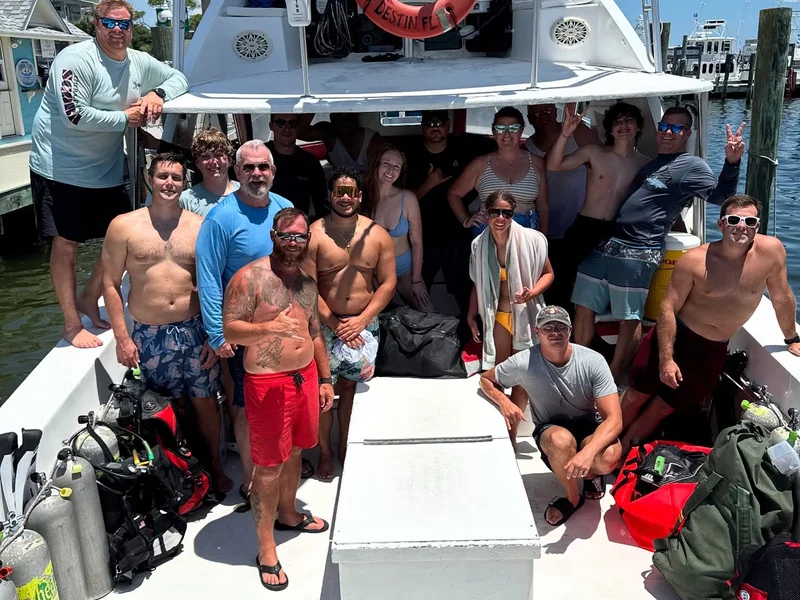
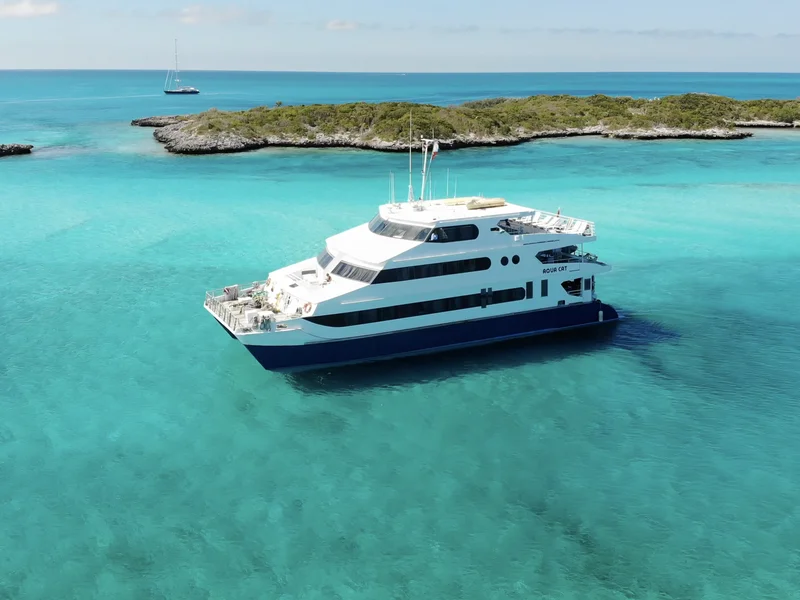
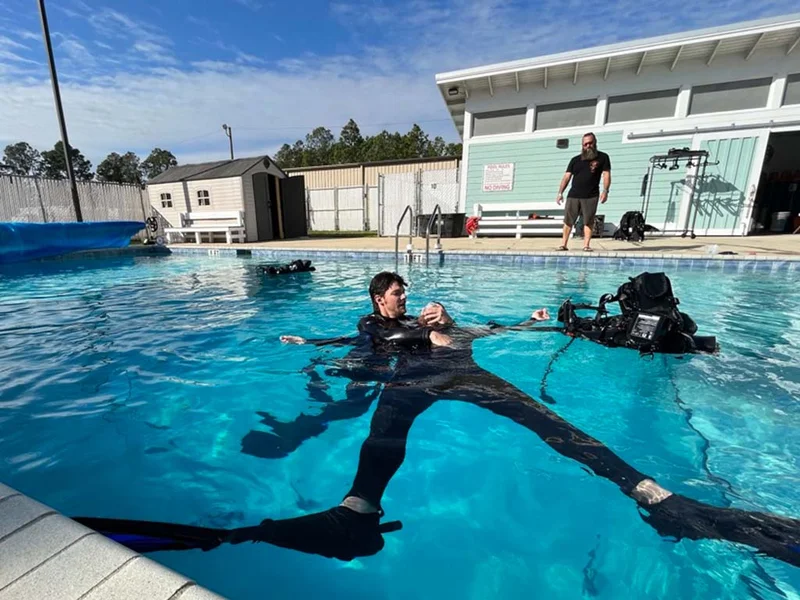
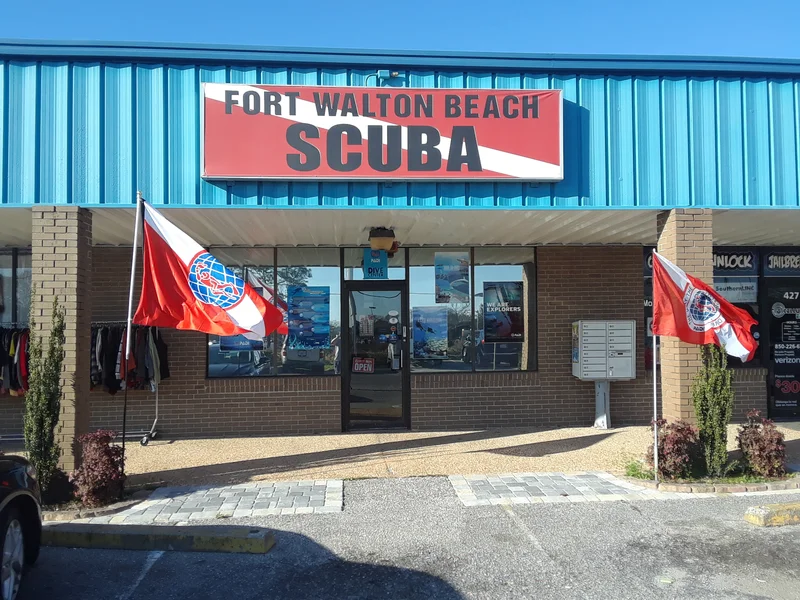
Dive Centers Near Lindberg Circle Reef 1B
Today: 09:00 - 16:00
Nearest Airports
Nearest airports to help plan travel to this dive area.
Search Flights
Check available flights and routes on Expedia, using the nearby airports listed in this section.
Search Flights on ExpediaFrequently Asked Questions
What are the typical diving depths at Lindberg Circle Reef 1B?
As a recreational reef site, divers can generally expect depths suitable for a range of certification levels. The site likely features shallower areas for novice divers, with deeper sections potentially reaching up to 30 m (100 ft). Dive plans should always align with individual certification and experience.
How do water temperatures typically range at this reef?
Specific water temperature data for Lindberg Circle Reef 1B is not consistently reported. However, based on regional air temperature averages, divers can anticipate cooler water conditions from late autumn through early spring. Waters are expected to warm considerably, offering more comfortable temperatures from late spring into early fall.
What kind of visibility can divers expect?
Visibility at this reef is expected to be variable, as is common in dynamic coastal environments. Factors such as recent weather patterns, tidal movements, and sediment can influence clarity. Divers should be prepared for a range of conditions, which might fluctuate from moderate to good on calmer days.
Are there strong currents at Lindberg Circle Reef 1B?
Consistent data on currents at Lindberg Circle Reef 1B is not readily available. However, currents can be a factor in many open water reef systems. Divers should check local reports on the day of their dive and be prepared to adjust plans, potentially considering drift diving or timing dives around slack tides.
What marine life is commonly seen on the reef?
While a specific species list isn't available, the reef's structure provides habitat for various temperate marine species. Divers can typically expect to see smaller reef fish, and might observe crustaceans and common regional invertebrates like corals or anemones. Patient observation often reveals camouflaged residents.
Is Lindberg Circle Reef 1B suitable for beginner divers?
The suitability for beginner divers depends on prevailing conditions and specific reef sections. While shallower areas may be present, varying visibility, currents, and boat access considerations mean that beginners should ideally dive with experienced guides. Always choose a dive that matches your training and comfort level.
What is the best way to access the dive site?
Access to Lindberg Circle Reef 1B typically involves boat excursions, as no shore entry options are reported. Divers usually arrange trips with local dive operators who are familiar with the site. Planning for boat departure times and marine transport is an essential part of the dive logistics.
Planning to dive Lindberg Circle Reef 1B?
Send one inquiry and receive offers directly from the best verified local dive operators.
Conditions are Good
07:00 - 14:00
Optimal conditions expected
Current conditions near Lindberg Circle Reef 1B show 30° air, 31° sea temperature, 0.5 m waves, and 20 km/h wind. Forecast data is refreshed regularly to ensure accuracy.