
Diving at Long Key Reef #4 (United States)
Long Key Reef #4 distinguishes itself as a prime, accessible reef within the vast Florida Keys National Marine Sanctuary. It represents a vital segment of the third-largest living reef system globally, and the only such system in the United States. This site offers a recreational depth range, making it suitable for a broad spectrum of certified divers seeking natural reef exploration.
Evening condition tracking at Long Key Reef #4 features an air temperature of 28°C. We have recorded wave heights measuring 0.6 m during this period. These figures outline the environmental parameters currently present.
Dive Site Location & Key Facts
Dive Site Overview
Venturing beneath the surface at Long Key Reef #4 reveals a dynamic underwater topography, characterized by impressive high-profile coral formations that rise from the seafloor. Divers navigate depths typically ranging between 6 to 11 meters (20 to 35 feet), allowing for extended bottom times and relaxed exploration of the vibrant reef structure.
This depth profile makes the site particularly suitable for open water certified divers, offering ample opportunity for observation without advanced decompression considerations. Daily dive site selections are carefully made by local operators, adjusting based on prevailing weather and current conditions to optimize diver safety and overall experience. As a designated part of the Florida Keys National Marine Sanctuary, Long Key Reef #4 operates under strict protection guidelines, underscoring its ecological importance.
These regulations help preserve the reef's health and the biodiversity it supports. Encountering a diverse array of marine species is common, from various colorful reef fish darting among the corals to occasional sightings of larger pelagics in the bluer water surrounding the reef.
Standard excursions often last around four hours, frequently encompassing visits to two distinct dive sites within the broader Long Key Reef system, which maximizes exploration and discovery for participants.
Conditions are Good
Optimal conditions expected
Current conditions near Long Key Reef #4 show 28° air, 31° sea temperature, 0.3 m waves, and 26 km/h wind. Forecast data is refreshed regularly to ensure accuracy.
Best Time to Dive
Planning a dive to Long Key Reef #4 involves considering optimal conditions for comfort and visibility. Months from February through September generally receive 'Good' dive scores, indicating more favorable conditions. During this period, air temperatures are inviting, ranging from approximately 22°C (72°F) in February to 29.5°C (85°F) in August. Rainfall is generally lower in the spring, with May, February, and April showing the least precipitation, around 1.3 mm to 1.8 mm. Summer months, while having higher rainfall, still offer good dive scores due to calmer seas. Conversely, October through April often see higher wave heights, occasionally exceeding 1 meter (3 feet), alongside stronger winds, which can lead to 'Moderate' dive scores.
PEAK SEASON SCORE
Scores combine air & water temps, waves, wind & rainfall for overall conditions.
BEST MONTHS TO DIVE
Monthly records compiled from satellite and marine observation nodes over the last 3 years. Data provided by Open-Meteo and MET Norway.
Dive Experience & Conditions
Descending into Long Key Reef #4, divers will encounter maximum depths often observed around 6 to 11 meters (20 to 35 feet), accommodating various certification levels. Specific water temperature data for the site is not consistently reported; however, it generally aligns with the warm subtropical climate of the Florida Keys. Visibility varies depending on current weather patterns, tidal flows, and recent rainfall, but often remains good enough for comprehensive reef observation. Divers can anticipate encountering a mix of patch reefs and barrier stretches, which creates diverse underwater environments for exploration. Current conditions are routinely assessed by local dive operators to select the most appropriate sites for the day, prioritizing diver safety and experience.
Dive Difficulty & Safety Guidelines
Approach Long Key Reef #4 with a focus on personal readiness and adherence to local regulations to ensure a safe experience. An Open Water Certification is a prerequisite for diving here. If it's been over 12 months since your last dive, a dive guide is typically required at an additional cost, while a refresher course becomes mandatory if more than 24 months have passed.
Dive operators often provide complimentary divemasters who are familiar with the reef, offering guidance and pointing out marine highlights, though divers with a buddy are free to explore independently. It's important to note that full facemasks are generally not permitted by local dive centers. Pre-dive briefings cover essential information and site-specific considerations.
Recommended Equipment
- Dive Computer
This gear list is based on verified equipment signals for Long Key Reef #4, United States. Always confirm final gear choices with your dive operator, guide, or liveaboard.
Recommended Dive Suit
Environmental conditions are expected to remain consistent in the short-term outlook.
Even in warm destinations, extended dives can gradually draw heat away from the body. Stronger winds may also make surface intervals feel cooler than usual.
Exposure protection such as dive skin or rash guard is commonly used when diving in waters of this temperature. Consider warmer surface protection (like a boat coat) due to brisk winds. The latest environmental readings for Long Key Reef #4 suggest water temperatures around 31°C (88°F). Surface air temperatures are resting at 28°C (82°F).
Due to technical issues with our weather providers, live updates are temporarily delayed. The data above reflects the conditions at the time of the last successful fetch.
Emergency & Medical Support
Essential information to help you plan your dive trip to Long Key Reef #4.

Hyperbaric chambers are a critical part of dive safety infrastructure. Availability varies significantly by region, and not all dive areas have immediate access.
Before diving, it's recommended to:
- confirm nearest medical facilities
- check emergency procedures with local dive operators
- ensure dive insurance covers evacuation if required
Divers Alert Network
Diving emergency assistance available through DAN World.
+1-919-684-9111- 24/7 emergency hotline
- Diving medical assistance
- Evacuation coordination
Emergency contacts are provided for reference. Always verify local emergency services before diving.
Marine Life at Long Key Reef #4
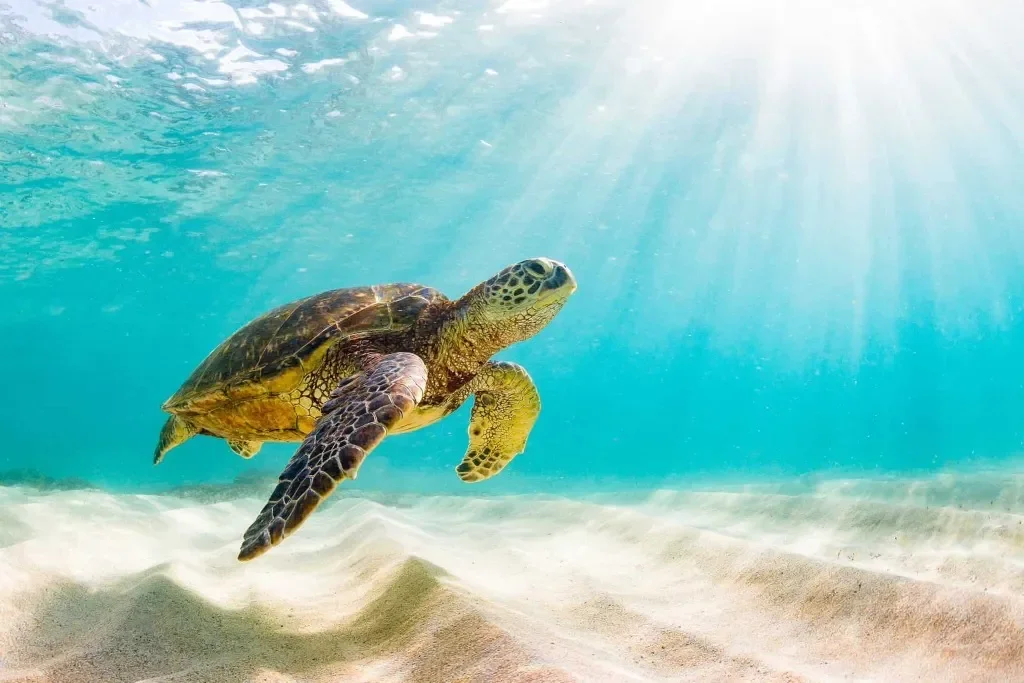
Observing the marine life at Long Key Reef #4 provides glimpses into the vibrant ecosystem of the Florida Keys. Divers frequently encounter green sea turtles gliding through the water, alongside schools of various reef fish inhabiting the coral structures.
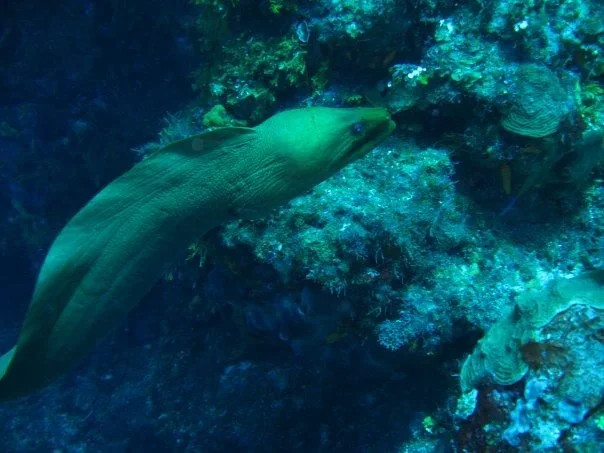
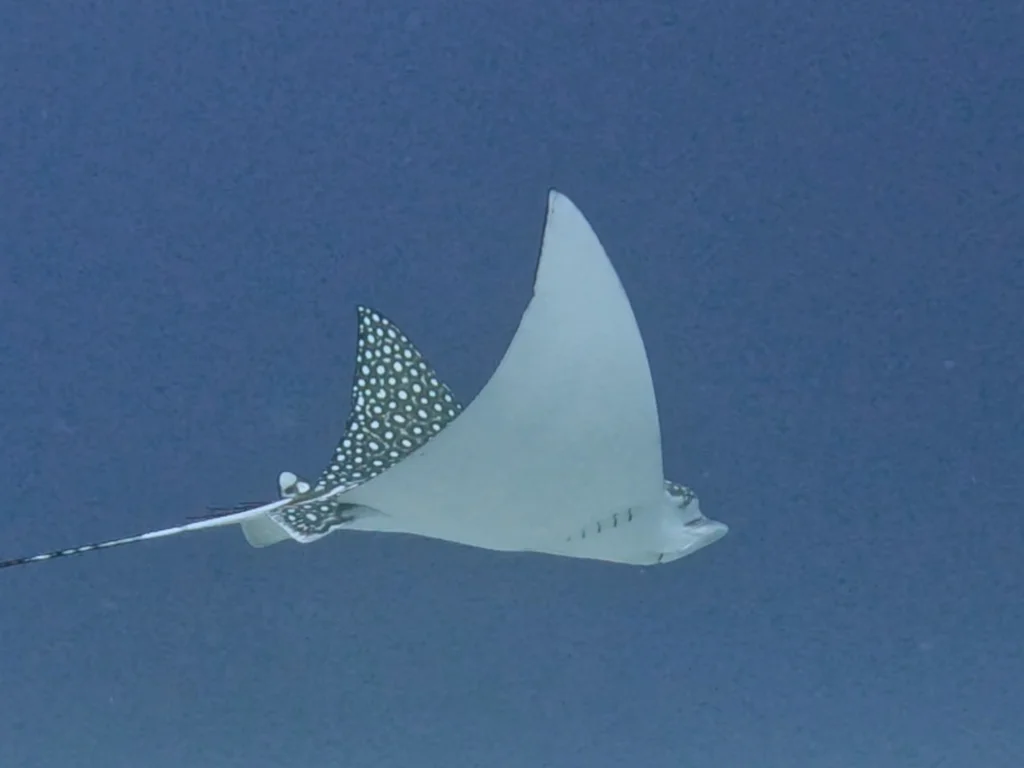
Spotted eagle rays are sometimes observed navigating the open water sections of the reef. Moray eels can often be found peeking from their crevices within the coral formations, contributing to the site's biodiversity.
Dive Centers Near Long Key Reef #4
Today: 08:00 - 17:00

Nearest Airports
Nearest airports to help plan travel to this dive area.
Search Flights
Check available flights and routes on Expedia, using the nearby airports listed in this section.
Search Flights on Expedia
Plan Your Stay
Looking for a place to stay for your dive trip? Explore hotels, stays, and vacation rentals for dive groups near Duck Key.
Dive Navigator may earn a commission from these links at no extra cost to you.
Frequently Asked Questions
What is the typical depth at Long Key Reef #4?
The typical depth for diving at Long Key Reef #4 ranges from about 6 to 11 meters (20 to 35 feet). This recreational depth range makes the site accessible for most certified divers.
Are there any specific certification requirements to dive here?
Yes, an Open Water Certification is required to dive at Long Key Reef #4. For divers who haven't been underwater in over a year, a dive guide is often necessary, and a refresher course is mandatory if more than two years have passed since your last dive.
What kind of marine life can I expect to see?
The reef hosts a variety of marine life, including green sea turtles, spotted eagle rays, and various species of moray eels. You'll also encounter numerous reef fish that inhabit the high-profile coral structures.
Is specific water temperature information available?
Specific water temperature data for Long Key Reef #4 is not consistently reported. However, the region typically experiences warm subtropical water temperatures, aligning with the air temperatures recorded for the Florida Keys.
Can I use a full facemask for diving at this site?
No, local dive operators generally do not permit the use of full facemasks at this dive site. Traditional masks and regulators are the standard equipment.
What are the best months for diving Long Key Reef #4?
February and the months from May through September typically receive 'Good' dive scores, indicating favorable conditions. During these periods, air temperatures are comfortable, and calmer seas are more prevalent compared to the choppier winter months.
Planning to dive Long Key Reef #4?
Send one inquiry and receive offers directly from the best verified local dive operators.
Conditions are Good
Optimal conditions expected
Current conditions near Long Key Reef #4 show 28° air, 31° sea temperature, 0.3 m waves, and 26 km/h wind. Forecast data is refreshed regularly to ensure accuracy.