
Diving at Long Point (United States)
Nestled on Catalina Island's northern coast, Long Point offers divers a sense of tranquility beneath the surface. The calm, sheltered waters often provide a clear window into its vibrant underwater topography. Approaching the site, one can anticipate the diverse marine landscapes that unfold below, from rocky formations to swaying kelp forests. It's an inviting destination for those looking to immerse themselves in California's protected marine environments.
As evening covers Long Point, the local air temperature is measured at 21°C. The current wave height at the surface is recorded at 0.8 m. These late-day readings characterize the surface conditions for the night.
Dive Site Location & Key Facts
Dive Site Overview
Long Point, formally recognized as a State Marine Reserve (SMR), stretches across approximately two miles of shoreline midway between Avalon and Two Harbors on Santa Catalina Island. This protected status means all marine life, geological, and cultural resources within its boundaries are conserved.
Divers exploring this area will discover a consistently varied underwater landscape. It transitions from nearshore cobblestone areas to extensive rocky reefs that cascade down to recreational depths of around 30 m (100 ft). These reefs support diverse habitats, including vibrant kelp forests that sway with the currents and expansive sandy seafloors where various bottom-dwelling species reside.
Several boat-in campgrounds along the SMR's coastline, such as Goat Harbor and Italian Gardens, are popular starting points for dives, with some offering suitable anchoring spots in sand. The marine protected area also serves as a crucial spawning aggregation site for critically endangered giant sea bass during the late summer months, a significant ecological event.
Its designation as one of the most sheltered portions of the eastern Channel Islands significantly contributes to its appeal for both novice and intermediate divers seeking a reliable underwater experience.
Conditions are Excellent
07:00 - 14:00
Optimal conditions expected
Current conditions near Long Point show 21° air, 23° sea temperature, 0.9 m waves, and 19 km/h wind. Forecast data is refreshed regularly to ensure accuracy.
Best Time to Dive
Optimizing a dive at Long Point means aligning with its most favorable seasonal conditions. The period from June to September generally offers the best diving experience, marked by 'Good' to 'Excellent' dive scores. During these months, average air temperatures range from 18°C (64°F) in June to 21°C (70°F) in August, and rainfall is typically minimal, averaging less than 1 mm. Water temperatures during summer months typically sit between 18–22°C (64-72°F). Comparatively, winter months see cooler water temperatures, ranging from 12–16°C (54-61°F). However, diving is feasible year-round, with good conditions often persisting into October and November, where air temperatures average around 18.5°C (65°F) and 15.5°C (60°F) respectively, alongside low wave heights and moderate winds.
PEAK SEASON SCORE
Scores combine air & water temps, waves, wind & rainfall for overall conditions.
BEST MONTHS TO DIVE
Monthly records compiled from satellite and marine observation nodes over the last 3 years. Data provided by Open-Meteo and MET Norway.
Dive Experience & Conditions
Accessing Long Point is primarily by boat, with popular anchorages found in protected coves like Pirate's Cove, Goat Harbor, or Italian Gardens. Diving here presents an intermediate challenge, mainly due to moderate currents and occasional surge, though sheltered bays tend to offer calmer waters suitable for beginners. Expect a mild current generally, though it varies with local conditions. Visibility at the site is consistently reported as mild. The underwater terrain commonly features rocky reefs and extensive kelp forests, creating a dynamic environment that shifts to a sandy seafloor in deeper sections. Summer water temperatures usually range from 18–22°C (64-72°F), while winter diving sees temperatures between 12–16°C (54-61°F). An average dive time of 45 minutes is commonly reported.
Dive Difficulty & Safety Guidelines
Divers considering Long Point should possess at least an intermediate certification, given the potential for moderate current and surge. Always plan your dive profile carefully, especially when navigating areas where the bottom drops off quickly into deeper waters. This site is part of the Long Point State Marine Reserve, meaning all marine life is protected and 'take' of any kind is prohibited.
Familiarize yourself with local regulations before entering the water. Boat anchoring considerations are important; many areas feature sand bottoms suitable for anchoring, but be aware of how quickly depths can increase offshore.
Diving with a buddy and having appropriate safety equipment like an SMB and dive computer are standard practice.
Recommended Equipment
- Dive Computer
This gear list is based on verified equipment signals for Long Point, United States. Always confirm final gear choices with your dive operator, guide, or liveaboard.
Recommended Dive Suit
For divers planning standard recreational dives, 3-5mm wetsuit is usually a suitable option. A hood or vest is suggested for sensitive divers due to surface winds. Surface intervals may feel cooler. Divers vary widely in how quickly they feel cold underwater.
The waters surrounding Long Point are currently maintaining temperatures close to 23°C (74°F). Surface air temperatures are resting at 21°C (70°F).
The forecast outlook suggests that temperatures will stay close to current levels.
Emergency & Medical Support
Essential information to help you plan your dive trip to Long Point.

Hyperbaric chambers are a critical part of dive safety infrastructure. Availability varies significantly by region, and not all dive areas have immediate access.
Before diving, it's recommended to:
- confirm nearest medical facilities
- check emergency procedures with local dive operators
- ensure dive insurance covers evacuation if required
Divers Alert Network
Diving emergency assistance available through DAN World.
+1-919-684-9111- 24/7 emergency hotline
- Diving medical assistance
- Evacuation coordination
Emergency contacts are provided for reference. Always verify local emergency services before diving.
Marine Life at Long Point
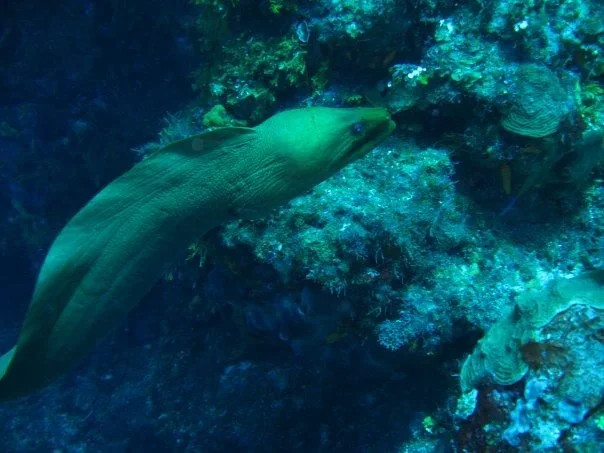
Descending into Long Point's waters reveals a rich array of marine species thriving within its diverse habitats. Rocky reef crevices shelter moray eels and blue-banded gobies, while vibrant kelp forests provide refuge for garibaldi and California spiny lobsters.
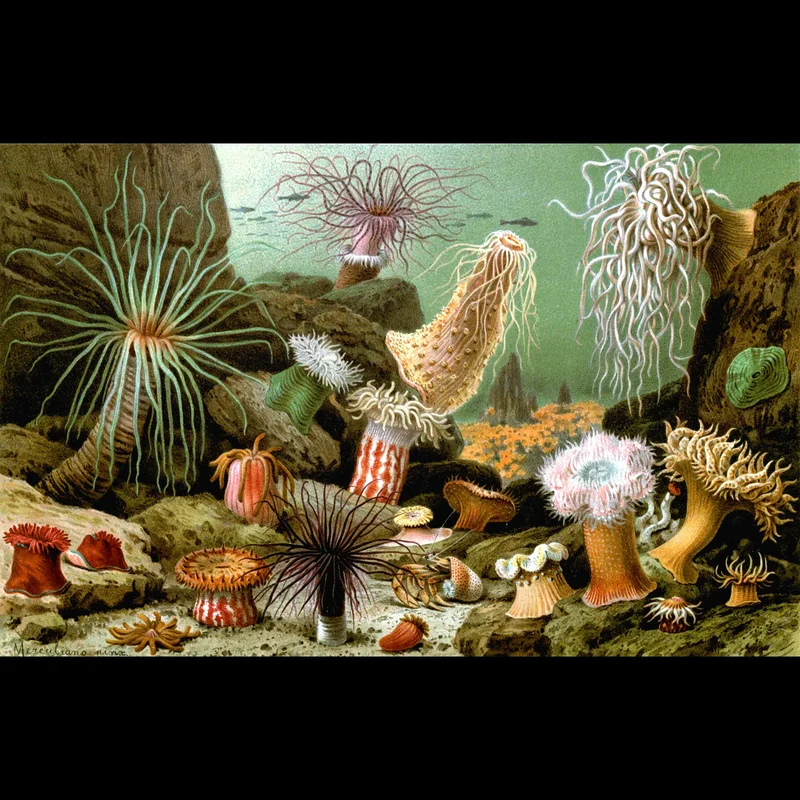
Look closely among the rocky seafloor for sea fans, anemones, limpets, and barnacles. Out in the sandier, shallower areas, you might encounter bottom-dwelling bat rays, California halibut, and various small flatfish.
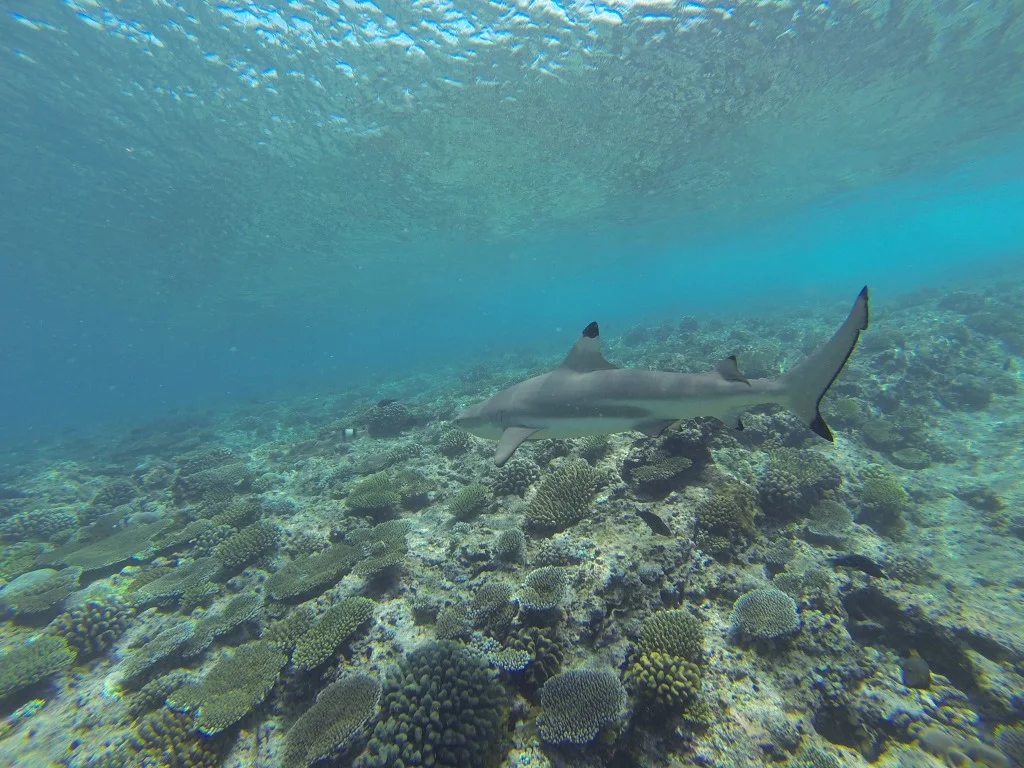
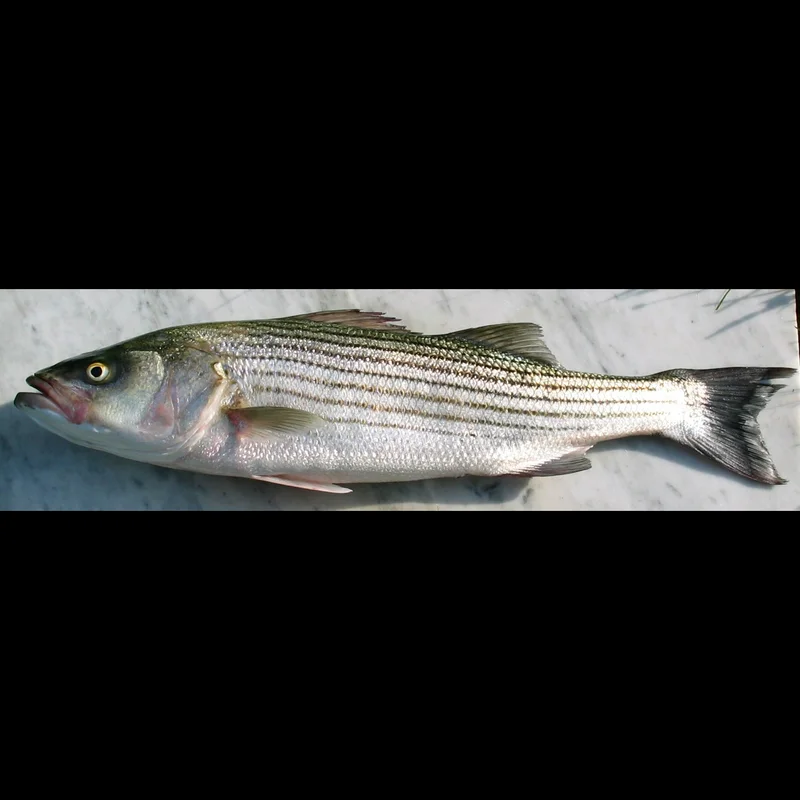
Critically endangered giant sea bass are also seasonal residents, particularly around Italian Gardens, where they aggregate to spawn in late summer. Horn sharks are often observed resting, and cloudy bubble snails add to the invertebrate diversity.

Dive Sites Near Long Point
View all dive sites in United StatesDiscover more underwater gems in this area.
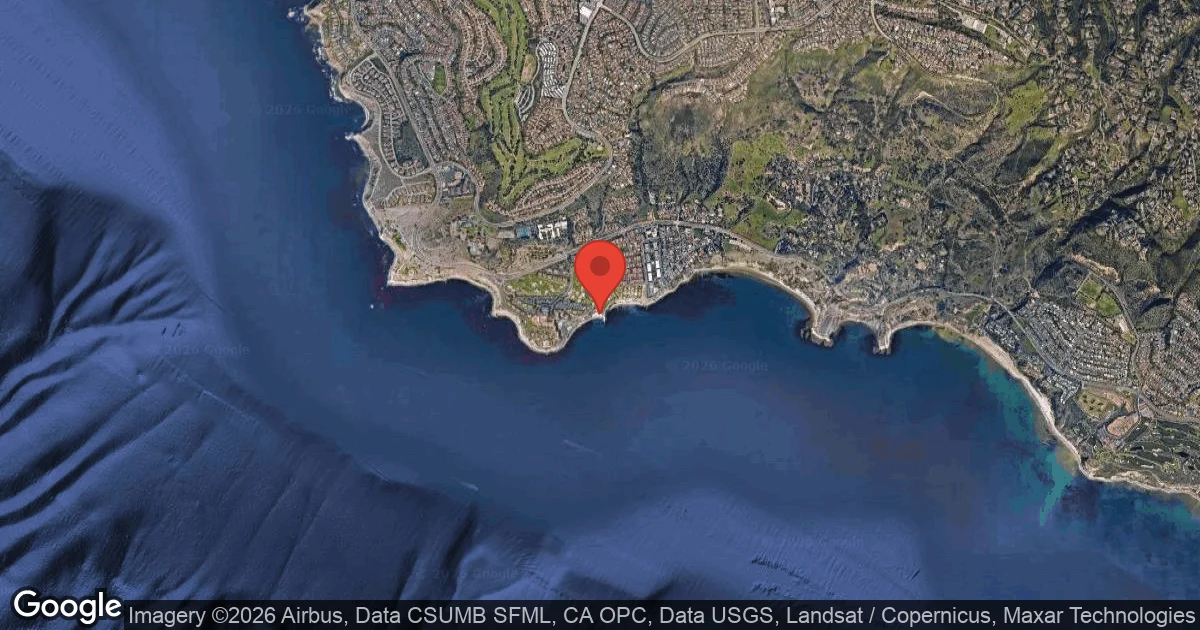
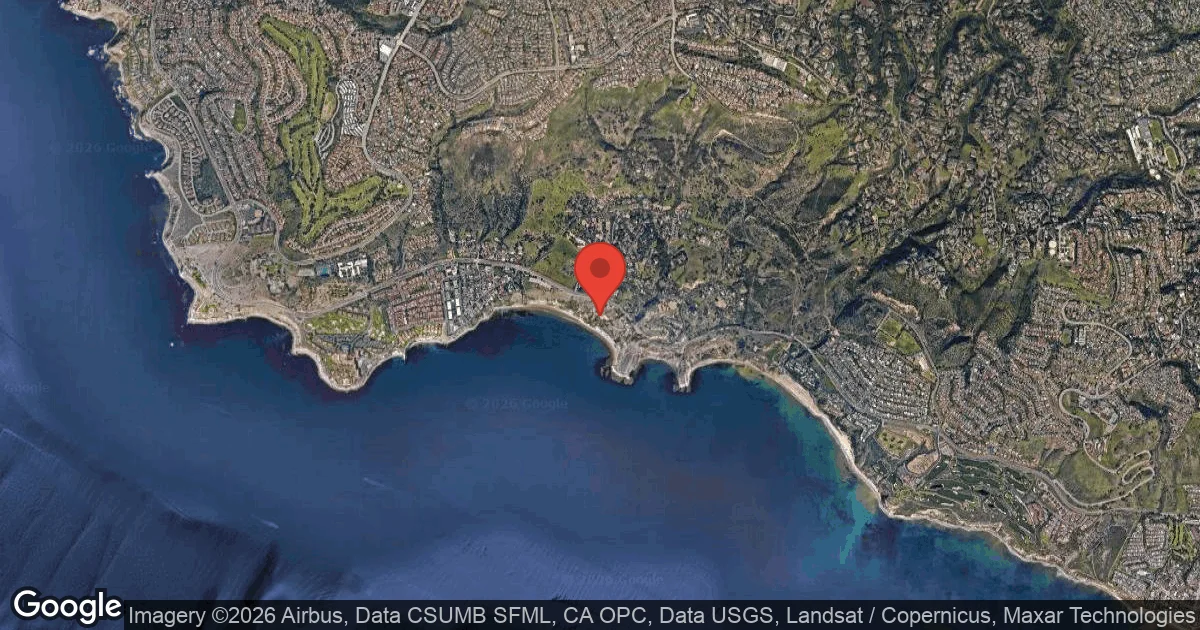
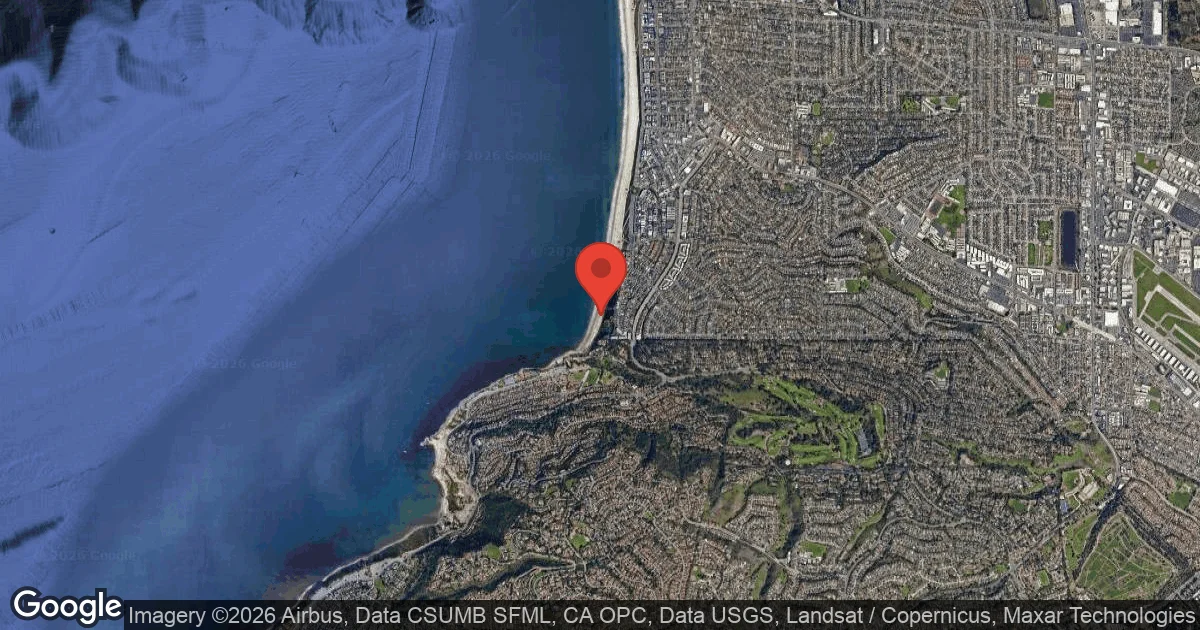
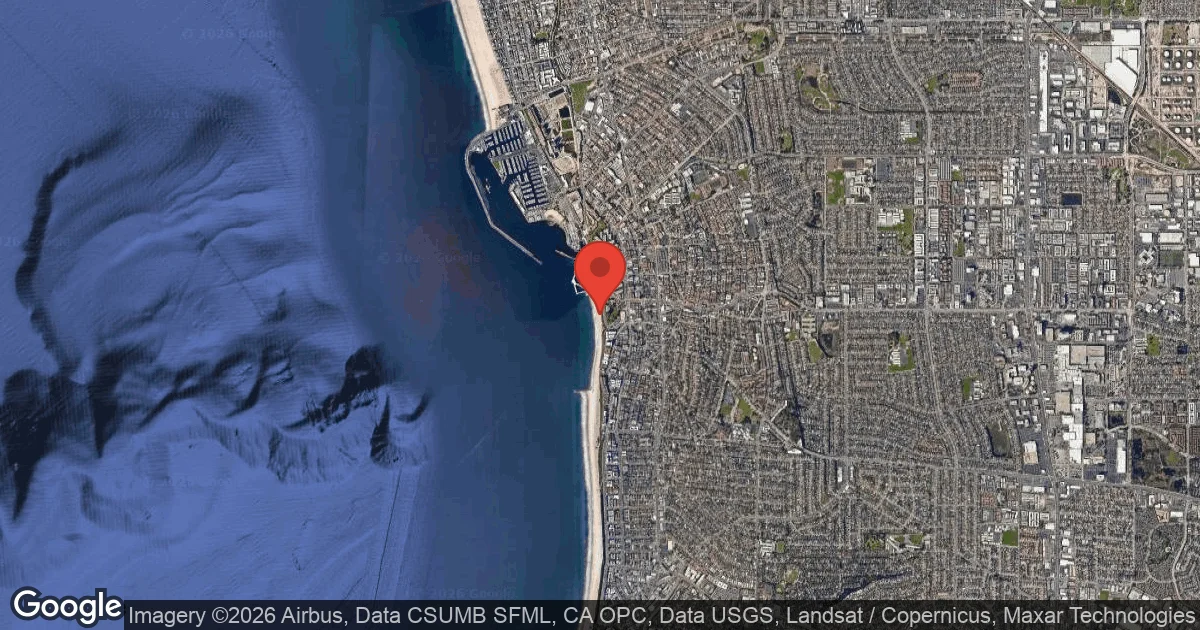
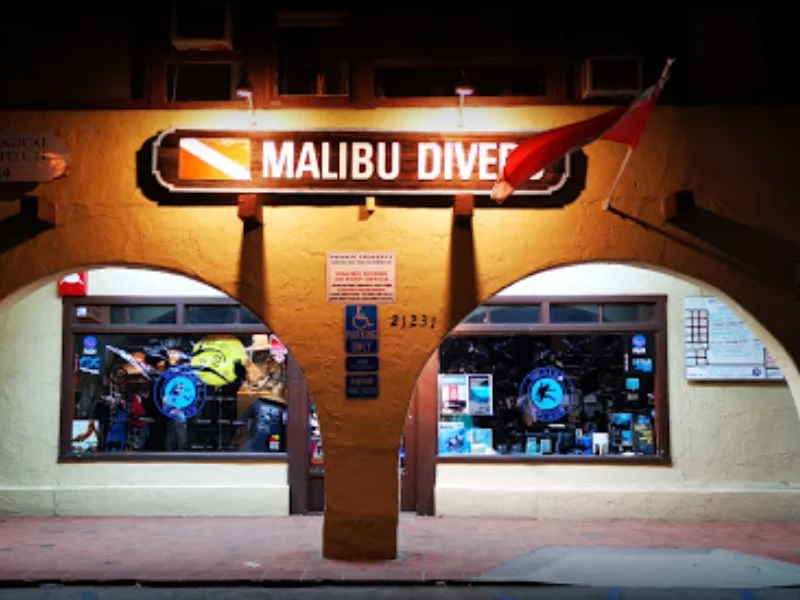
Dive Centers Near Long Point
Today: 10:00 - 18:00
Nearest Airports
Nearest airports to help plan travel to this dive area.
Search Flights
Check available flights and routes on Expedia, using the nearby airports listed in this section.
Search Flights on Expedia
Plan Your Stay
Looking for a place to stay for your dive trip? Explore hotels, stays, and vacation rentals for dive groups near Rancho Palos Verdes.
Dive Navigator may earn a commission from these links at no extra cost to you.
Frequently Asked Questions
What is the typical maximum depth for recreational diving at Long Point?
The recommended maximum dive depth for recreational divers at Long Point is generally around 30 meters (100 feet). While the SMR itself extends much deeper, many of the key features and marine life are found within this recreational range.
Are there any specific marine life protections I should be aware of?
Yes, Long Point is a State Marine Reserve, which means all marine resources, including living, geological, and cultural, are fully protected. It is unlawful to injure, damage, take, or possess any of these within the reserve boundaries.
How do I access the Long Point dive sites?
Long Point SMR is primarily accessible by boat. Kayaks can be rented from Avalon or Two Harbors for paddling to various beaches and coves within the reserve, such as Pirate's Cove, Goat Harbor, or Italian Gardens.
What are the common water temperatures throughout the year?
During summer months, water temperatures typically range from 18–22°C (64-72°F). In winter, temperatures are cooler, generally between 12–16°C (54-61°F).
Is Long Point suitable for beginner divers?
While the site is generally rated for intermediate divers due to moderate currents and surge, some sheltered bays like Goat Harbor and Italian Gardens offer calmer waters and good visibility, making them suitable for beginners.
What kind of underwater terrain can I expect?
Divers will explore a mix of rocky reefs, dense kelp forests, and sandy seafloor areas. Nearshore terrain often includes cobblestone zones that transition to sand as depth increases.
Planning to dive Long Point?
Send one inquiry and receive offers directly from the best verified local dive operators.
Conditions are Excellent
07:00 - 14:00
Optimal conditions expected
Current conditions near Long Point show 21° air, 23° sea temperature, 0.9 m waves, and 19 km/h wind. Forecast data is refreshed regularly to ensure accuracy.